South Indian Dosa
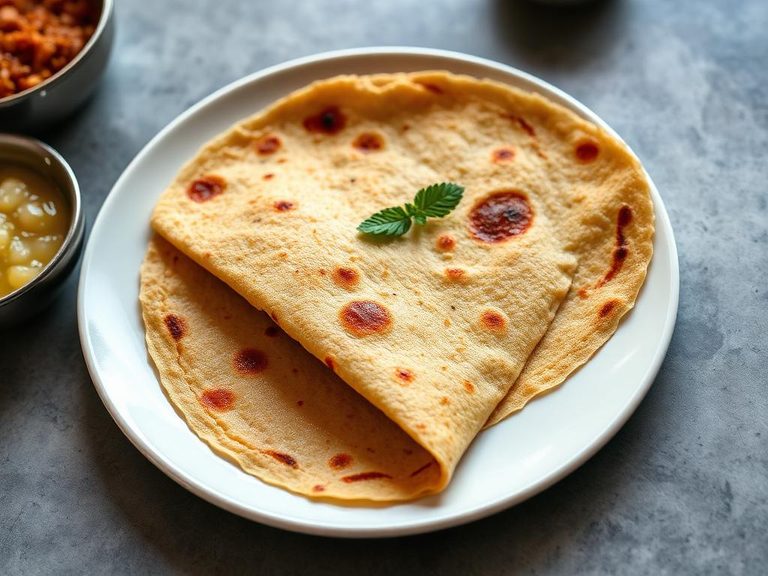
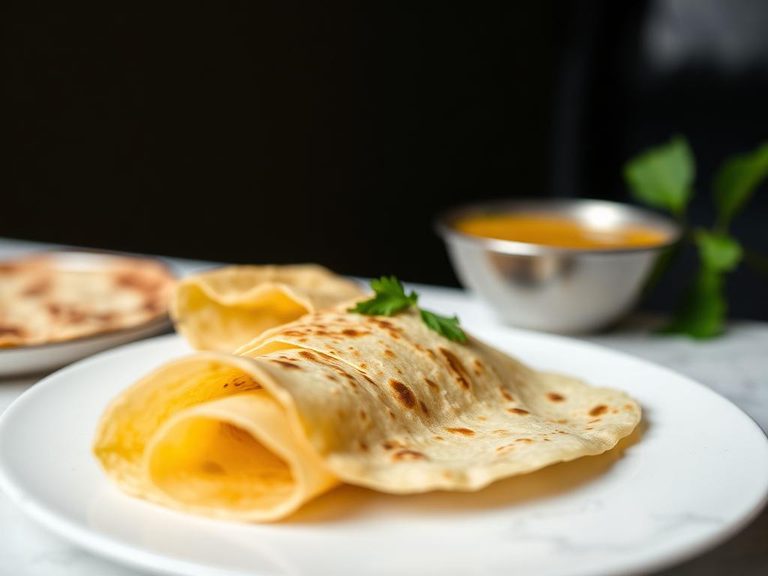
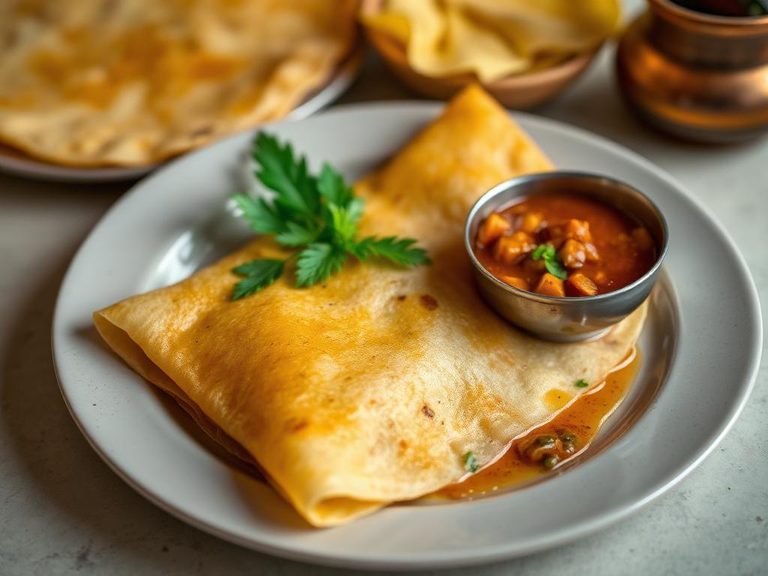
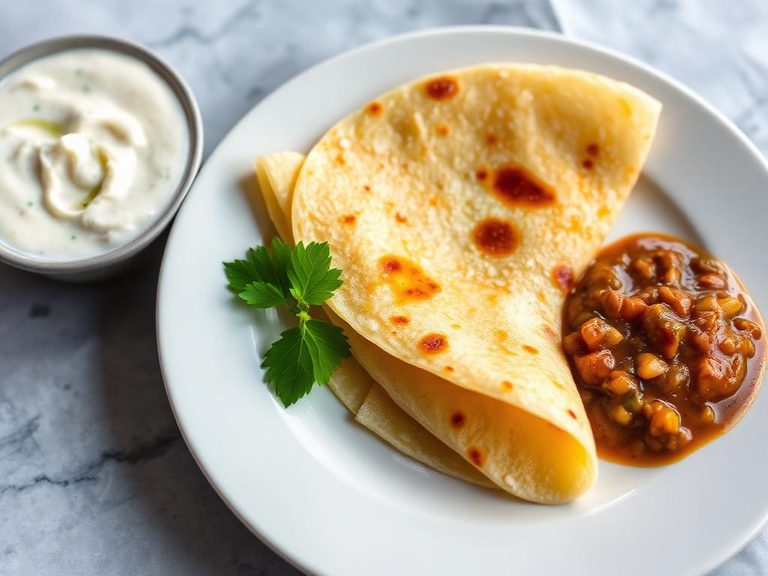
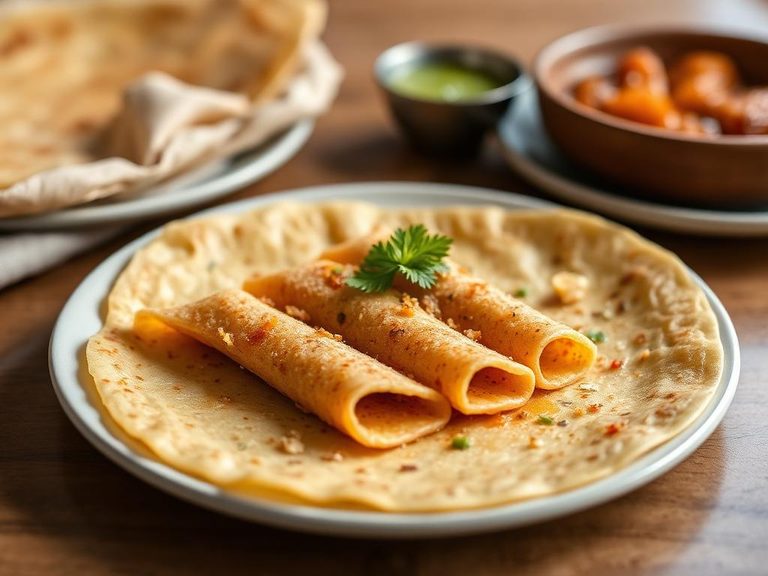
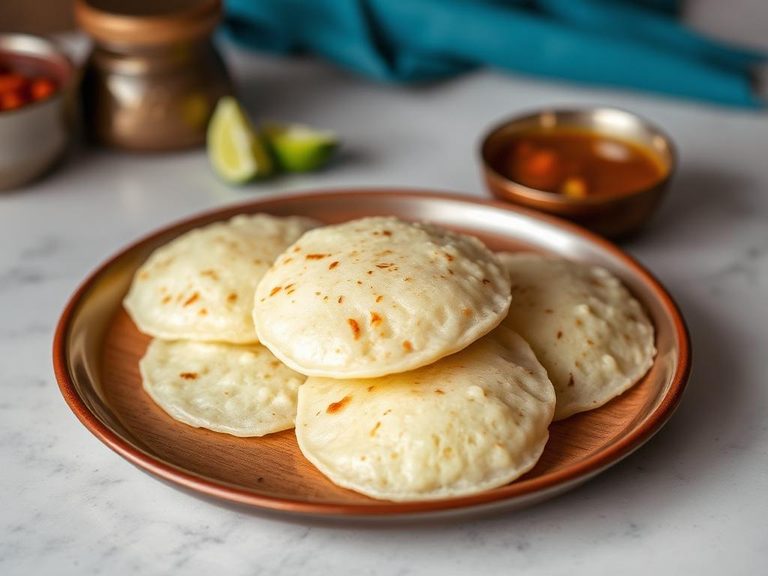
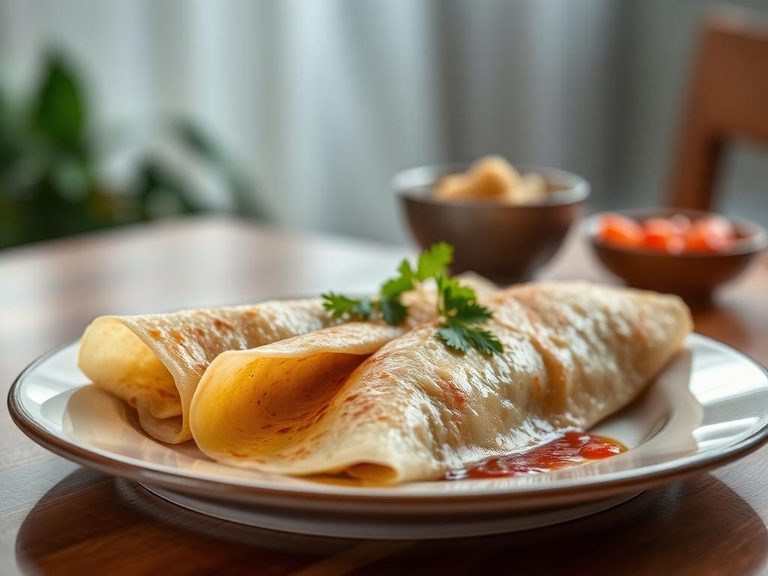
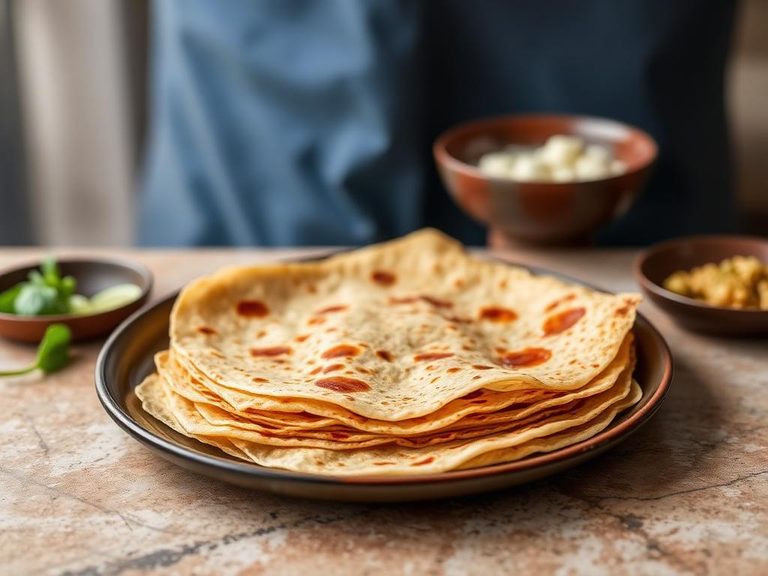
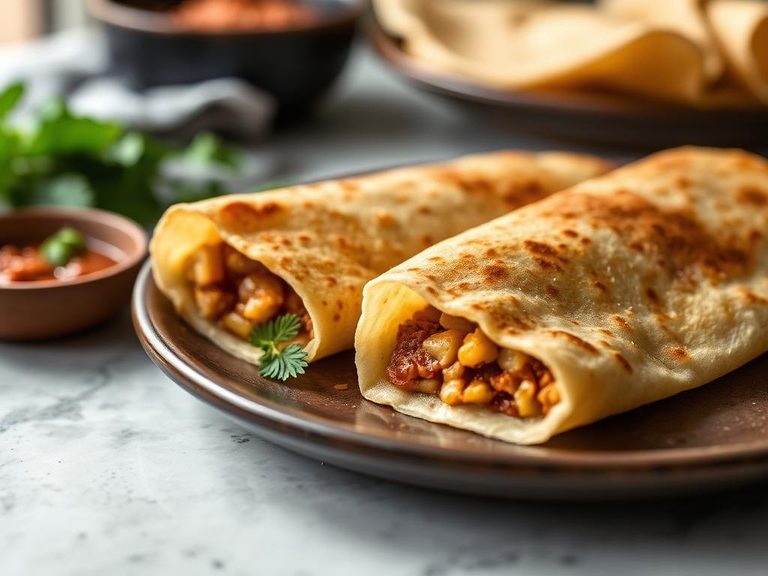
South Indian Dosa, when made with a mix of rice and urad dal flour, is a thin, crispy, savory crepe that is a staple breakfast and snack across South India. The batter is typically fermented, giving it a slight tang, and it's often served with sambar (a lentil-based vegetable stew) and coconut chutney.
🍽️ Nutrition at a glance
This dish is primarily a source of carbohydrates from the rice and urad dal, providing a good amount of energy. A plain dosa (without ghee or oil) is relatively low in fat and offers a moderate amount of plant-based protein from the urad dal, with a typical serving containing around 150-200 calories.
Nutrition breakdown
| Calories | 160 kcal |
| Protein | 5.5 g |
| Carbs | 28 g |
| Fat | 3.5 g |
| Fiber | 2.5 g |
| Sugar | 1 g |
| Sodium | 320 mg |
| Potassium | 180 mg |
| Iron | 2.0 mg |
| Magnesium | 35 mg |
| Phosphorus | 80 mg |
| Folate | 40 µg |
| Thiamin (B1) | 0.1 mg |
| Niacin (B3) | 1.5 mg |
| Calcium | 30 mg |
Per 1 dosa (approx. 100 g) · estimated, varies by recipe
💡 What's interesting
The fermentation process not only enhances the flavor and texture but also increases the bioavailability of nutrients like B vitamins. Nutritionally, the combination of rice and urad dal creates a more complete protein profile than either grain alone, making it a clever and traditional plant-based meal.