Dosa with Sambar
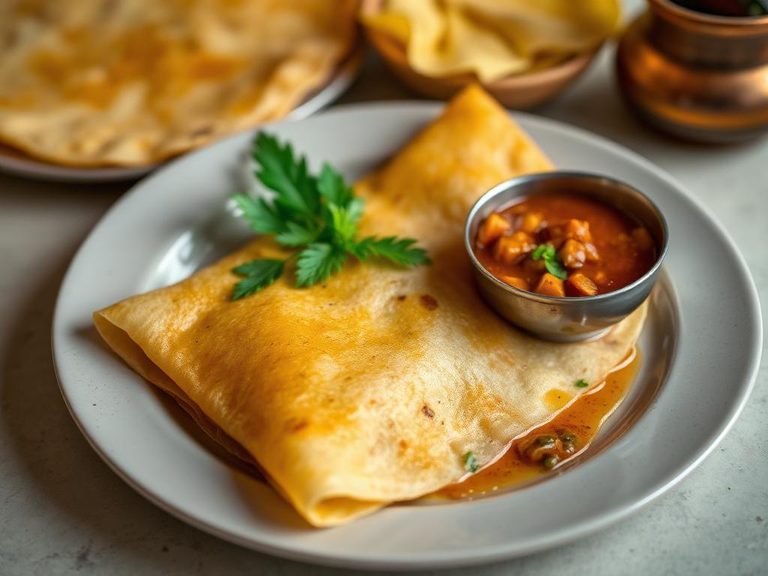
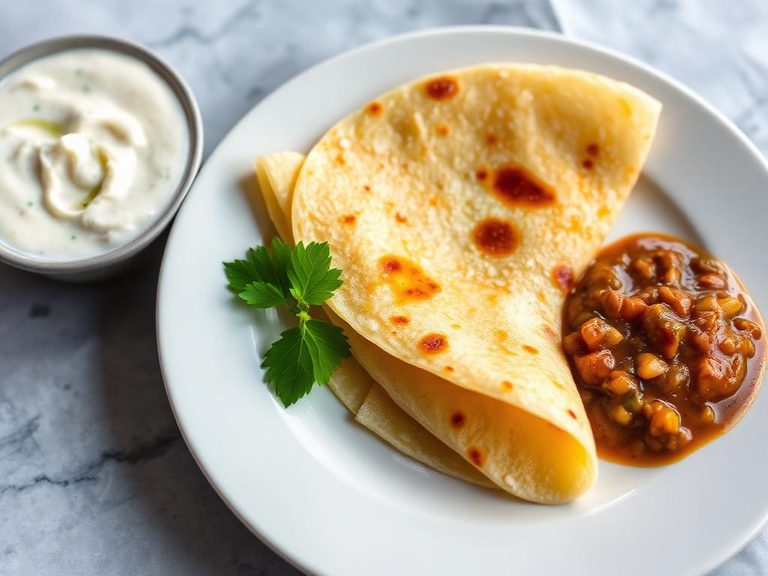
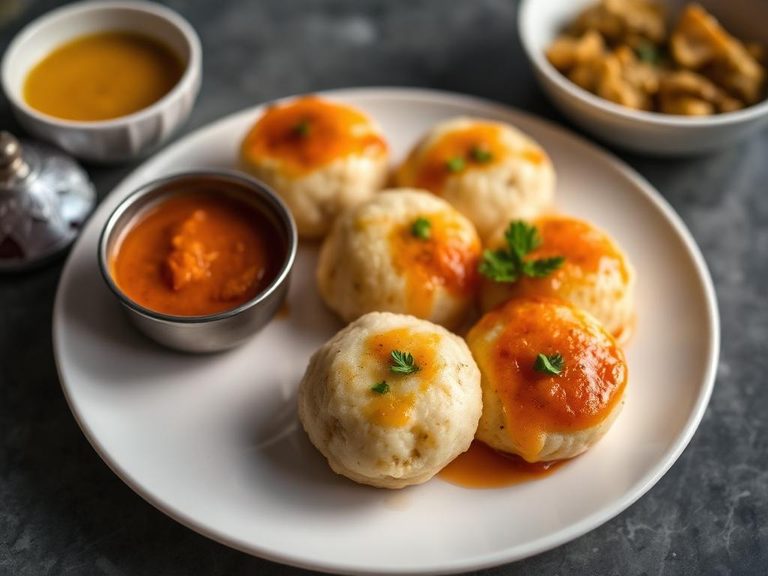
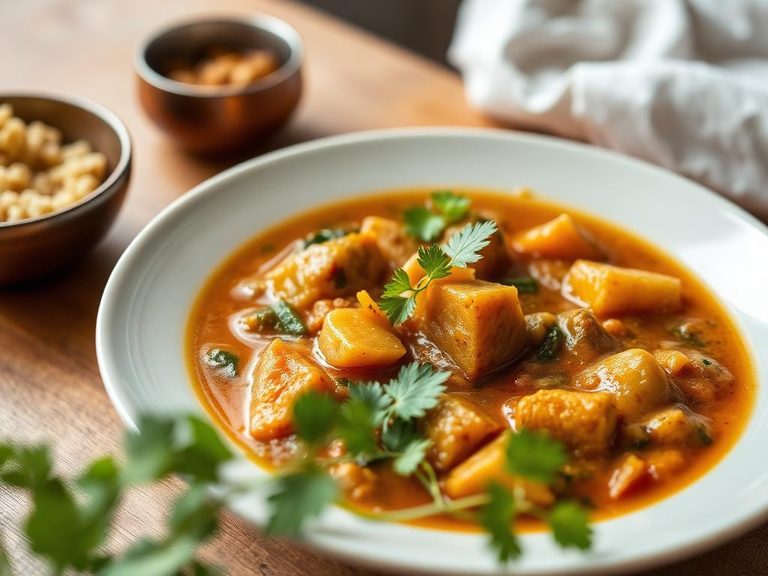
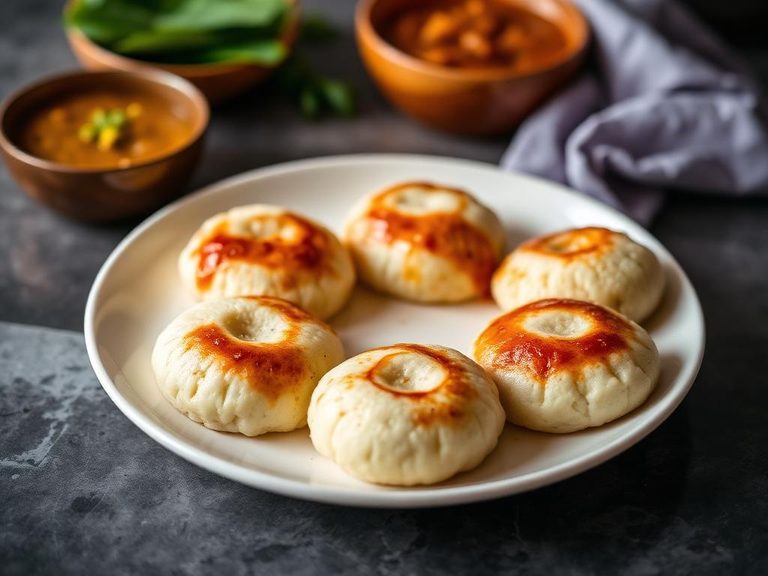
Dosa with Sambar is a beloved South Indian meal consisting of a thin, crispy crepe (dosa) made from a fermented batter of rice and black lentils, served with a flavorful, tangy lentil and vegetable stew (sambar). The dosa is cooked on a hot griddle until golden, while sambar is simmered with tamarind, spices, and an array of vegetables like drumsticks, carrots, and pumpkin. This iconic dish is a staple in South Indian cuisine, enjoyed for breakfast, lunch, or dinner.
🍽️ Nutrition at a glance
This dish is primarily a source of carbohydrates from the rice and lentils, offering a good balance of plant-based protein and dietary fiber. A typical serving (one medium dosa with a bowl of sambar) provides roughly 250-350 calories, with key nutrients including B vitamins, iron, and potassium from the lentils and vegetables.
Nutrition breakdown
| Calories | 350 kcal |
| Protein | 12 g |
| Carbs | 55 g |
| Fat | 8 g |
| Fiber | 6 g |
| Sugar | 8 g |
| Sodium | 800 mg |
| Potassium | 450 mg |
| Iron | 3.5 mg |
| Calcium | 80 mg |
| Vitamin C | 15 mg |
| Vitamin A | 120 µg |
| Folate | 60 µg |
| Magnesium | 50 mg |
| Phosphorus | 180 mg |
Per 1 dosa (approx. 100 g) with 1 cup sambar (approx. 240 g) · estimated, varies by recipe
💡 What's interesting
The fermentation process for the dosa batter not only enhances its flavor and texture but also increases the bioavailability of nutrients, making it easier to digest. Culturally, dosa with sambar represents the ingenious use of fermentation in Indian cuisine, a technique that preserves food while boosting its nutritional value.