

Dal
Common food
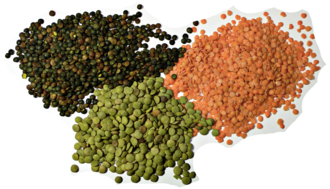
Photo: Wikipedia
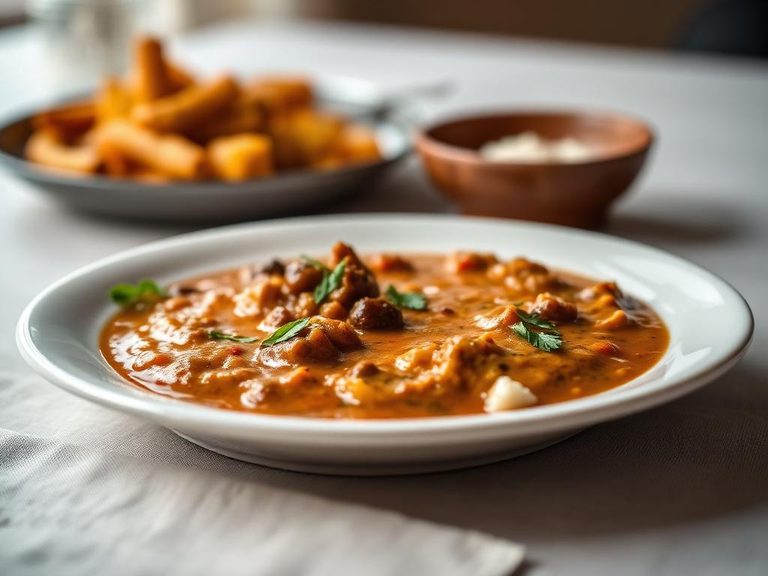
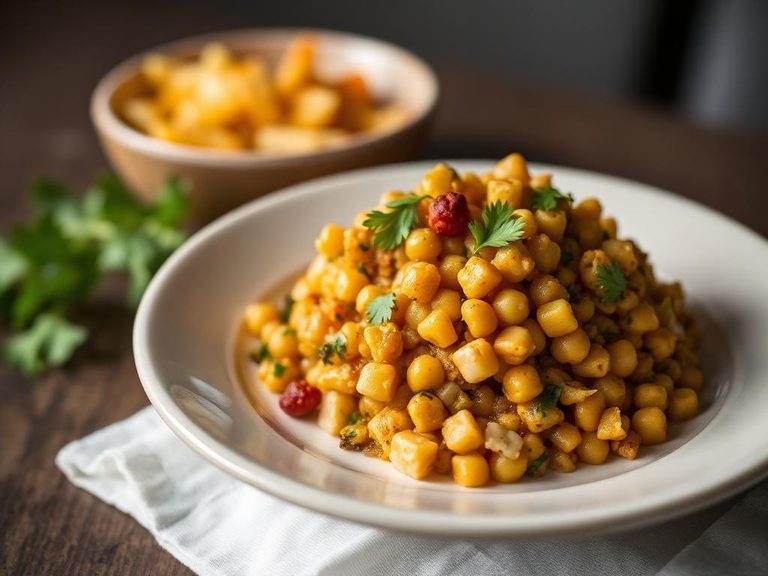
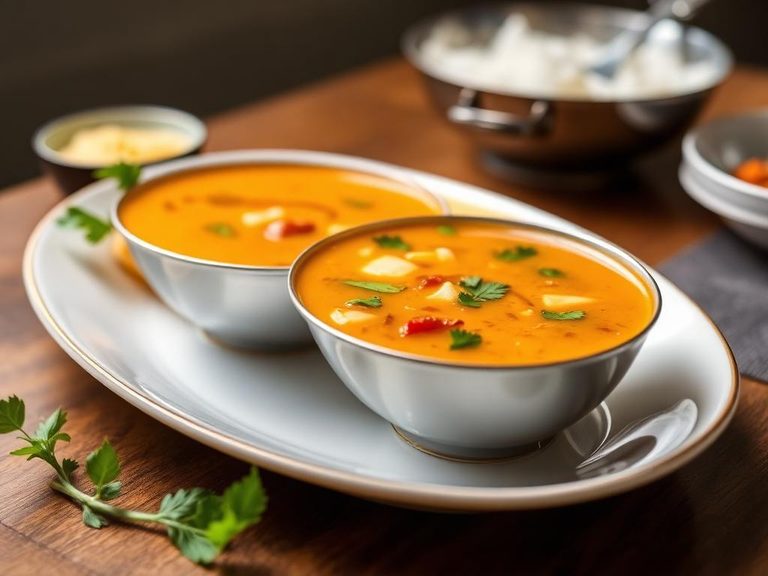
Dal is a hearty, comforting staple made from split pulses like lentils, chickpeas, or peas, simmered into a thick, savory stew. Its texture ranges from smooth and creamy to chunky and brothy, depending on the variety and cooking method. Nutritionally, it's a standout plant-based protein source, offering a substantial 8.6g per 100g alongside impressive fiber.
Calorie split: 23% protein · 51% carbs · 26% fat
↓ Full nutrition💚 Why it's loved
People adore dal for its deep, earthy flavors that beautifully absorb spices like cumin, turmeric, and mustard seeds. It's a versatile canvas, equally at home in a simple daily meal or a festive celebration, forming the comforting heart of countless South Asian meals.
⚠️ Watch-outs & how to enjoy it better
Some may find the high fiber content causes digestive discomfort or bloating if not accustomed to it. To counteract this, start with smaller portions and ensure you drink plenty of water. For those monitoring blood sugar, pairing dal with a non-starchy vegetable and a healthy fat (like ghee or avocado) can help blunt any glycemic response.
Key benefits
- Excellent source of plant-based protein
- High in dietary fiber for digestive health
- Rich in essential minerals like iron and folate
- Naturally low in fat and sugar
- A cost-effective, sustainable protein staple
🍽️ Popular dishes
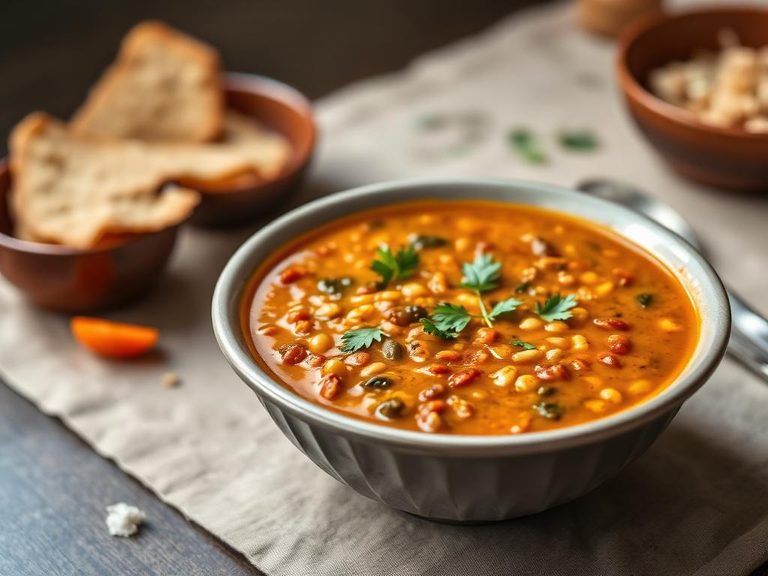
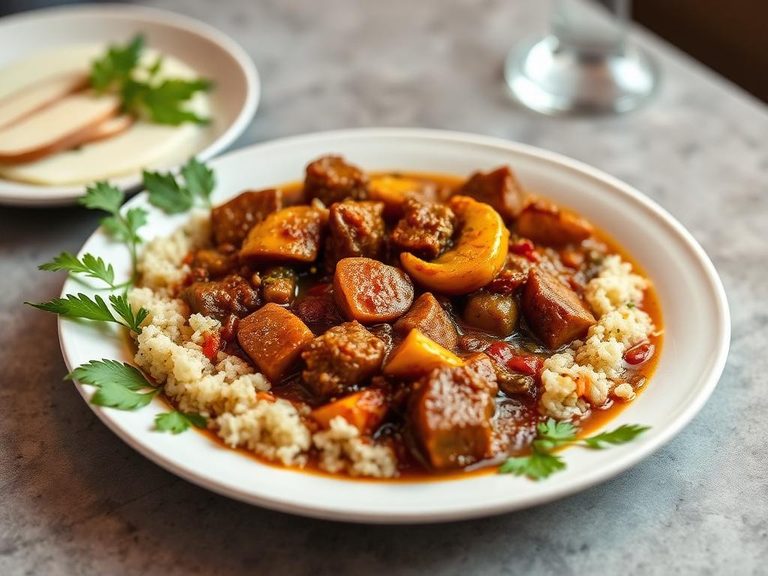
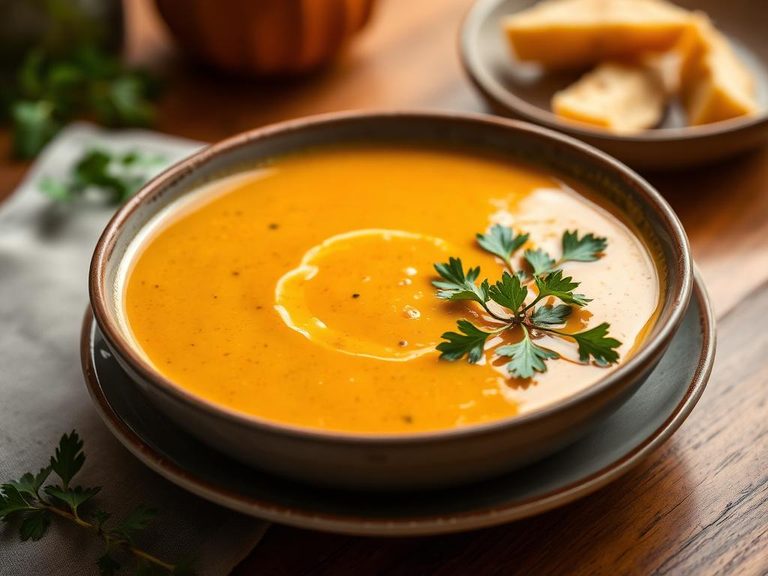
🌍 Where it's eaten
💡 Did you know?
The word 'dal' comes from the Sanskrit 'dala,' meaning 'to split,' referring to the process of splitting the pulses.
Full nutrition (USDA data · scales with serving)
| Water | 66.3 g |
| Energy | 145 kcal |
| Protein | 8.6 g |
| Total lipid (fat) | 4.3 g |
| Carbohydrate, by difference | 19.2 g |
| Fiber, total dietary | 7.5 g |
| Total Sugars | 1.7 g |
| Calcium, Ca | 19.0 mg |
| Iron, Fe | 3.2 mg |
| Magnesium, Mg | 34.0 mg |
| Phosphorus, P | 172 mg |
| Potassium, K | 352 mg |
| Sodium, Na | 309 mg |
| Zinc, Zn | 1.2 mg |
| Copper, Cu | 0.24 mg |
| Selenium, Se | 2.7 ug |
| Vitamin C, total ascorbic acid | 1.4 mg |
| Thiamin | 0.16 mg |
| Riboflavin | 0.07 mg |
| Niacin | 1.0 mg |
| Vitamin B-6 | 0.17 mg |
| Folate, total | 172 ug |
| Folic acid | 0.00 ug |
| Folate, food | 172 ug |
| Folate, DFE | 172 ug |
| Choline, total | 32.0 mg |
| Vitamin B-12 | 0.00 ug |
| Vitamin B-12, added | 0.00 ug |
| Vitamin A, RAE | 33.0 ug |
| Retinol | 33.0 ug |
| Carotene, beta | 12.0 ug |
| Carotene, alpha | 0.00 ug |
| Cryptoxanthin, beta | 0.00 ug |
| Lycopene | 0.00 ug |
| Lutein + zeaxanthin | 0.00 ug |
| Vitamin E (alpha-tocopherol) | 0.22 mg |
| Vitamin E, added | 0.00 mg |
| Vitamin D (D2 + D3) | 0.00 ug |
| Vitamin K (phylloquinone) | 2.0 ug |
| Alcohol, ethyl | 0.00 g |
| Caffeine | 0.00 mg |
| Theobromine | 0.00 mg |
Fat & fatty acid profile (per 100g)
| Fatty acids, total saturated | 2.5 g |
| SFA 4:0 | 0.13 g |
| SFA 6:0 | 0.08 g |
| SFA 8:0 | 0.04 g |
| SFA 10:0 | 0.10 g |
| SFA 12:0 | 0.11 g |
| SFA 14:0 | 0.40 g |
| SFA 16:0 | 1.1 g |
| SFA 18:0 | 0.48 g |
| Fatty acids, total monounsaturated | 1.2 g |
| MUFA 16:1 | 0.09 g |
| MUFA 18:1 | 1.1 g |
| MUFA 20:1 | 0.00 g |
| MUFA 22:1 | 0.00 g |
| Fatty acids, total polyunsaturated | 0.31 g |
| PUFA 18:2 | 0.22 g |
| PUFA 18:3 | 0.09 g |
| PUFA 18:4 | 0.00 g |
| PUFA 20:4 | 0.00 g |
| PUFA 20:5 n-3 (EPA) | 0.00 g |
| PUFA 22:5 n-3 (DPA) | 0.00 g |
| PUFA 22:6 n-3 (DHA) | 0.00 g |
| Cholesterol | 10.0 mg |
FAQ
What's the difference between dal and lentils?
Lentils are a specific type of pulse. 'Dal' is a broader term in South Asian cuisine for any split pulse (including lentils, peas, and chickpeas) and the dish made from it.
Is dal good for weight loss?
Yes, its high protein and fiber content can promote feelings of fullness and help control appetite, making it a nutritious choice within a balanced diet.
Why is my dal not creamy?
Creaminess depends on the dal type and cooking method. Toor or masoor dal break down more easily. Using a pressure cooker, adding a pinch of baking soda, or blending a portion can help achieve a smoother texture.
Nutrient density (calculated · NRF9.3)
Nutrient Rich Foods index: beneficial nutrients (protein, fiber, vitamins, minerals) minus saturated fat, added sugar & sodium, per 100 kcal.
NRF9.3 index — Fulgoni, Keast & Drewnowski, 2009. Computed from USDA nutrients.
Weight-loss friendliness (composite index)
Energy density 1.45 kcal/g · 24% calories from protein · 7.5 g fiber · 1.7 g sugar per 100 g.
Composite of energy density (Rolls et al., 1999), protein & fiber satiety, minus sugar. A calculated heuristic — ranks satiety-per-calorie, not a clinical measure.
Dietary load (calculated from USDA values)
Potential renal acid load. Positive = acid-forming, negative = alkaline-forming.
Sodium-to-potassium ratio: 0.88 (lower is better — aim for ≤ 1)
Sodium:potassium per WHO potassium guidance. Computed from USDA nutrients.