Masala Dosa
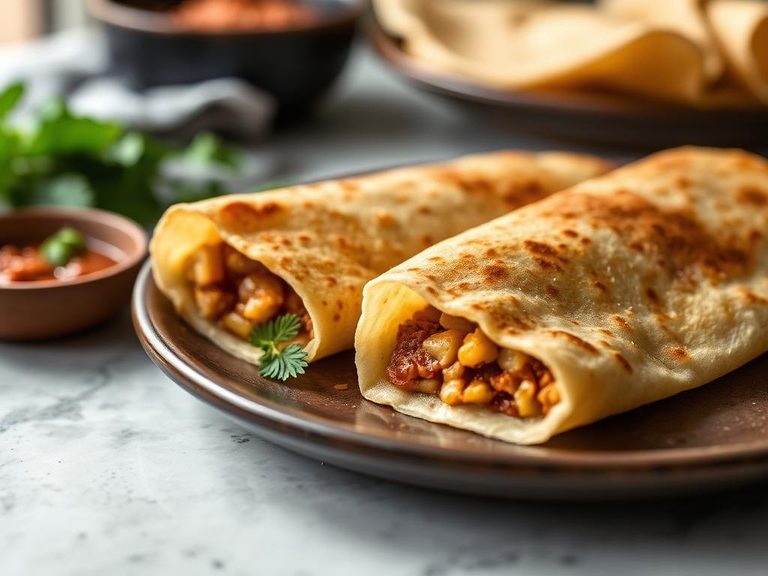
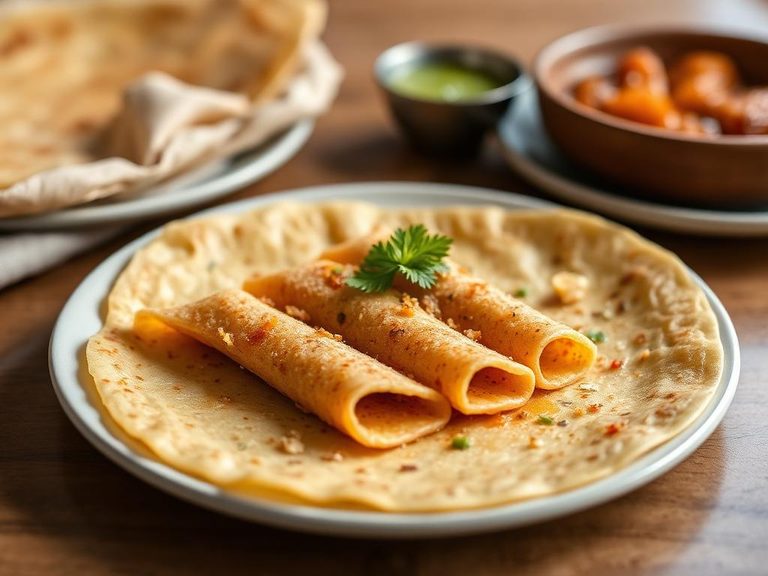
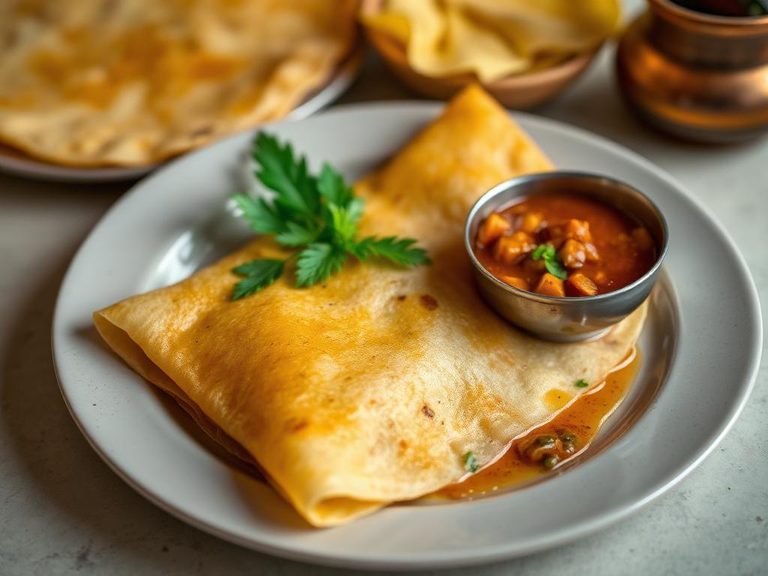
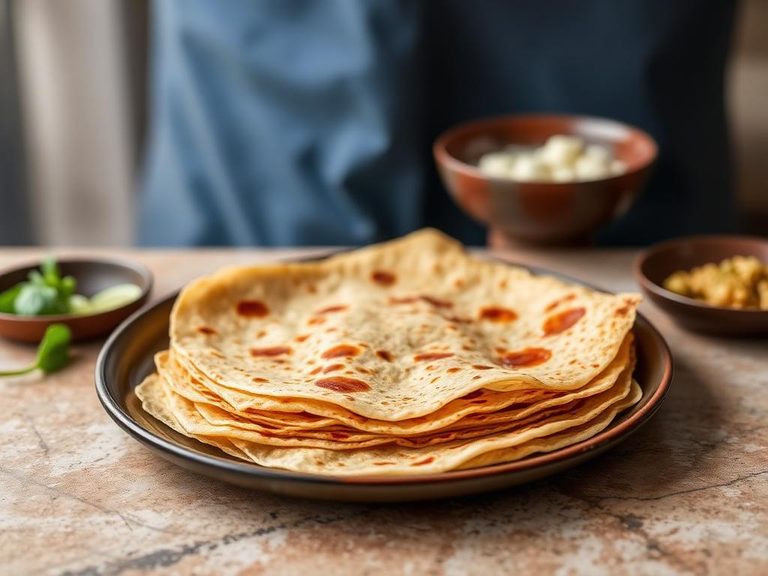
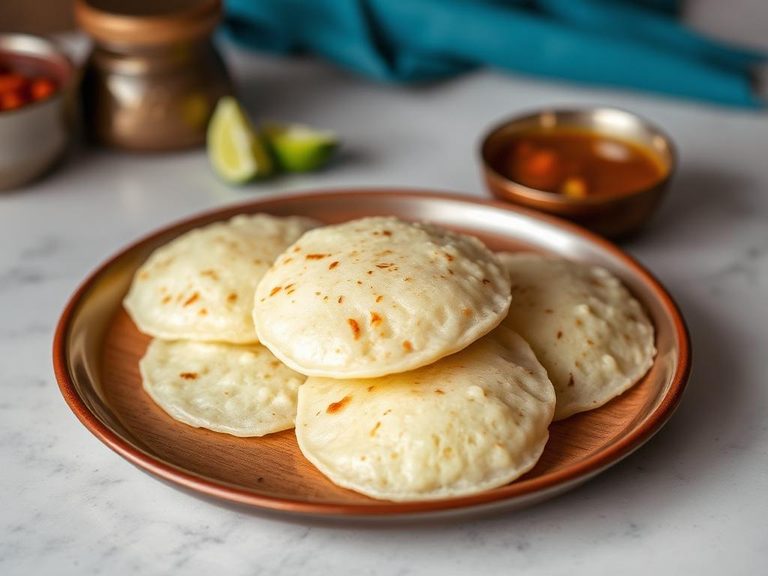
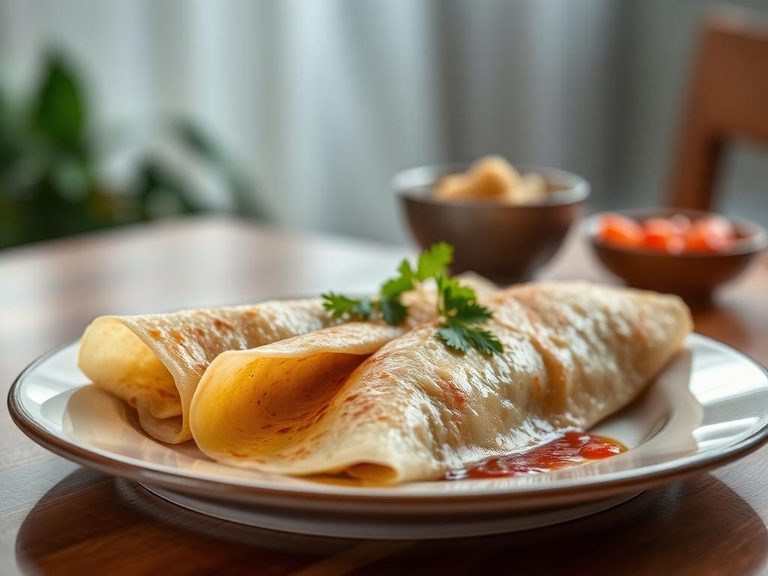
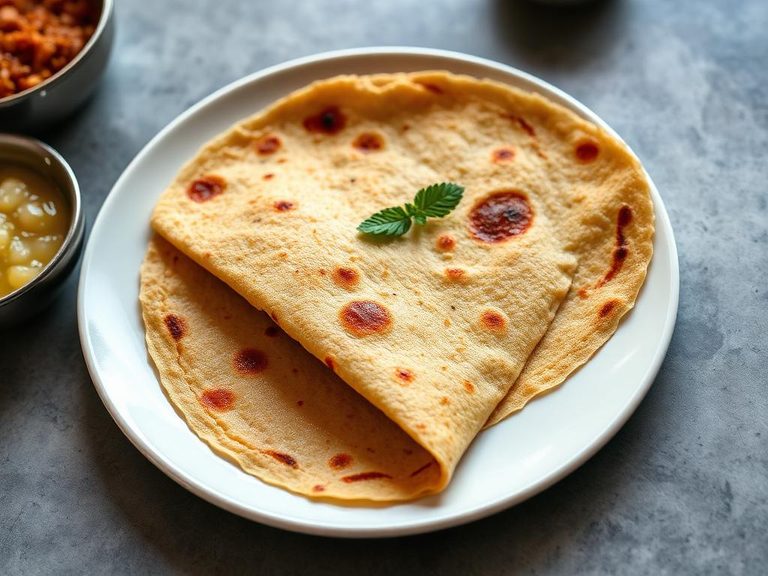
Masala Dosa is a beloved South Indian dish consisting of a thin, crispy crepe made from a fermented batter of rice and lentils, filled with a spiced potato mixture. It is typically served with sambar (a lentil-based vegetable stew) and coconut chutney, and is a staple breakfast or snack across India and globally.
🍽️ Nutrition at a glance
This dish is high in carbohydrates from the rice and potato, with moderate protein from the lentils and potato, and relatively low fat unless cooked with generous oil. A standard serving provides a good source of energy, dietary fiber, and essential minerals like iron and potassium, with a rough calorie count of 300-400 per dosa.
Nutrition breakdown
| Calories | 300 kcal |
| Protein | 6 g |
| Carbs | 45 g |
| Fat | 10 g |
| Fiber | 4 g |
| Sugar | 3 g |
| Sodium | 500 mg |
| Potassium | 350 mg |
| Iron | 2.5 mg |
| Calcium | 40 mg |
| Magnesium | 30 mg |
| Phosphorus | 100 mg |
| Vitamin C | 10 mg |
| Thiamin (B1) | 0.2 mg |
| Folate | 40 µg |
Per 1 dosa (approx. 150-180 g) · estimated, varies by recipe
💡 What's interesting
The fermentation process of the batter not only gives the dosa its signature tang and airy texture but also enhances its nutritional profile by increasing B-vitamins and improving digestibility. Culturally, it represents the ingenious use of fermentation in Indian cuisine and is often a communal food, enjoyed in homes and bustling street-side stalls alike.