

Elk, free range, ground, raw (Shoshone Bannock)
Whole food · American Indian/Alaska Native Foods

Photo: Wikipedia
Elk, free range, ground, raw (Shoshone Bannock) is a lean, nutrient-dense game meat with a deep, slightly sweet, and earthy flavor reminiscent of grass-fed beef but more robust. Its texture is fine-grained and tender when cooked properly, offering a clean, non-gamey taste that's both rich and satisfying. With an impressive 20.14g of protein per 100g and virtually no fat or carbs, it's a powerhouse for muscle maintenance and low-calorie, high-protein diets.
Calorie split: 83% protein · 0% carbs · 17% fat
↓ Full nutrition💚 Why it's loved
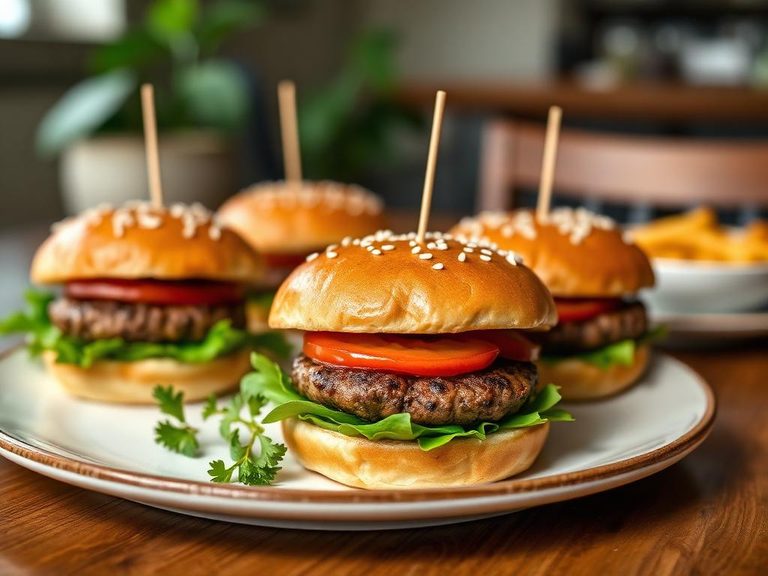
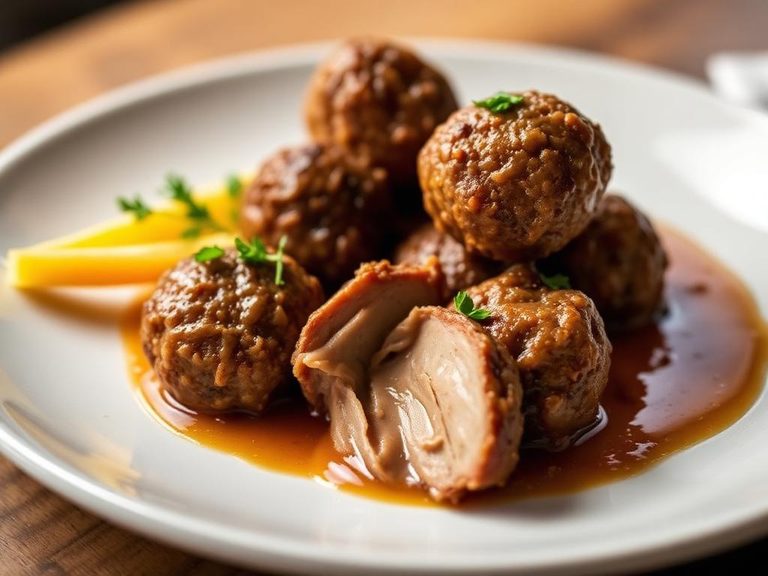
People love it for its clean, robust flavor that elevates simple dishes like burgers or meatballs without the greasiness of beef. It's prized in health-conscious and outdoor cooking circles for its versatility and cultural connection to indigenous North American traditions.
⚠️ Watch-outs & how to enjoy it better
Its extreme leanness can lead to dry, tough results if overcooked, so careful temperature control is key. It may be less familiar to some palates, and its gamey notes, while mild, can be off-putting to those accustomed to milder meats; pairing with bold marinades or cooking in stews can help mellow the flavor.
Key benefits
- Exceptionally high in protein for muscle repair and satiety.
- Very low in fat and calories, ideal for weight management.
- Rich in iron and B vitamins, supporting energy levels.
- Free-range sourcing often means higher omega-3 content.
- Sustainable and lean alternative to conventional red meats.
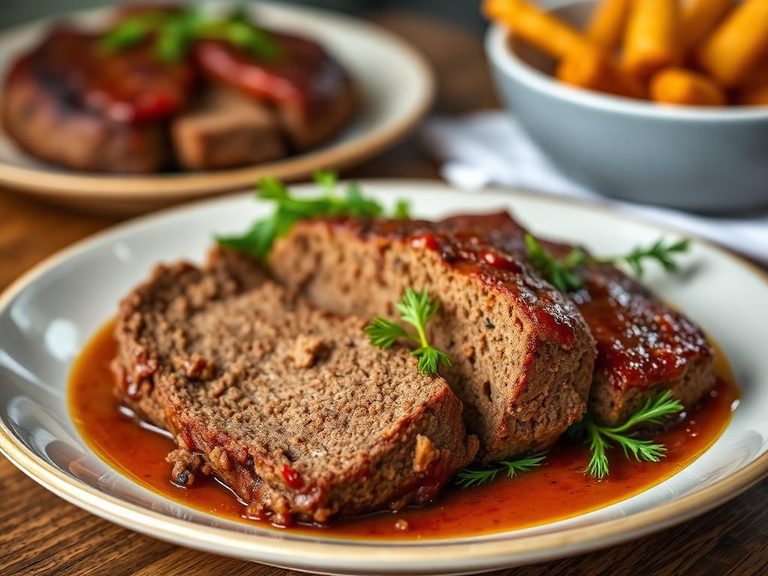
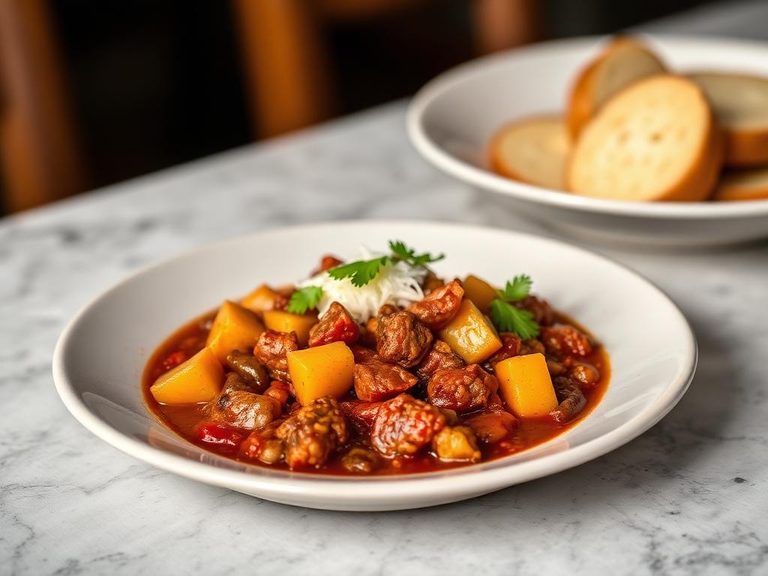
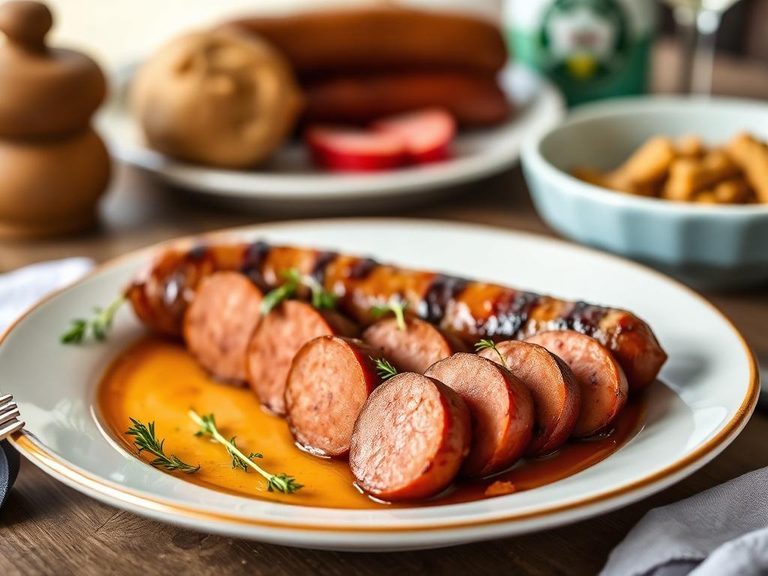
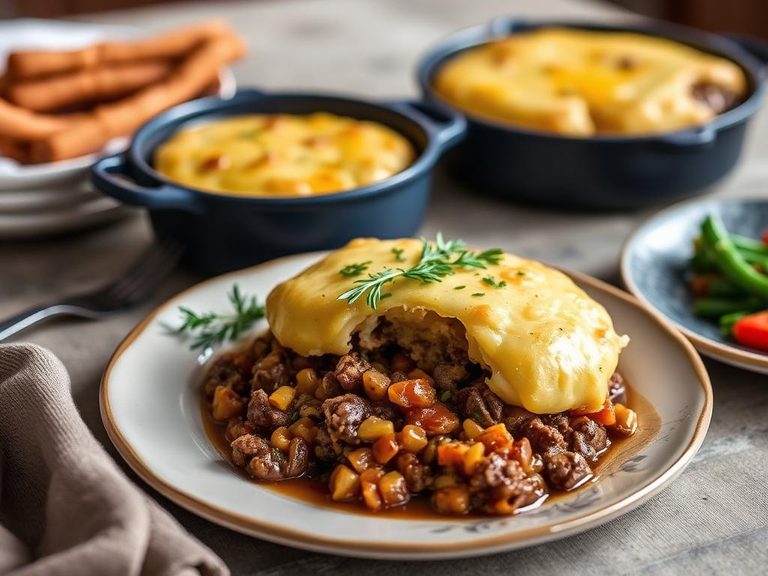
🍽️ Popular dishes
🌍 Where it's eaten
💡 Did you know?
Elk meat was historically a staple for the Shoshone-Bannock tribes, who would pound it into a dried, jerky-like form called 'pemmican' for long-term storage and travel.
Full nutrition (USDA data · scales with serving)
| Water | 75.7 g |
| Energy | 97.0 kcal |
| Energy | 405 kj |
| Protein | 20.1 g |
| Total lipid (fat) | 1.8 g |
| Ash | 0.75 g |
| Carbohydrate, by difference | 0.00 g |
| Fiber, total dietary | 0.00 g |
| Total Sugars | 0.00 g |
| Sucrose | 0.00 g |
| Glucose | 0.00 g |
| Fructose | 0.00 g |
| Lactose | 0.00 g |
| Maltose | 0.00 g |
| Galactose | 0.00 g |
| Starch | 0.00 g |
| Calcium, Ca | 4.0 mg |
| Iron, Fe | 7.2 mg |
| Magnesium, Mg | 22.0 mg |
| Phosphorus, P | 196 mg |
| Potassium, K | 328 mg |
| Sodium, Na | 49.0 mg |
| Zinc, Zn | 5.8 mg |
| Copper, Cu | 0.16 mg |
| Manganese, Mn | 0.04 mg |
| Selenium, Se | 14.3 ug |
| Thiamin | 0.18 mg |
| Riboflavin | 0.31 mg |
| Niacin | 6.0 mg |
| Pantothenic acid | 0.84 mg |
| Vitamin B-6 | 0.63 mg |
| Vitamin B-12 | 3.5 ug |
| Vitamin A, RAE | 0.00 ug |
| Carotene, beta | 0.00 ug |
| Carotene, alpha | 0.00 ug |
| Cryptoxanthin, beta | 0.00 ug |
| Vitamin A, IU | 0.00 iu |
| Lycopene | 0.00 ug |
| Lutein + zeaxanthin | 0.00 ug |
| Alcohol, ethyl | 0.00 g |
| Caffeine | 0.00 mg |
| Theobromine | 0.00 mg |
Fat & fatty acid profile (per 100g)
| Fatty acids, total saturated | 0.71 g |
| SFA 8:0 | 0.00 g |
| SFA 10:0 | 0.00 g |
| SFA 12:0 | 0.00 g |
| SFA 14:0 | 0.06 g |
| SFA 15:0 | 0.01 g |
| SFA 16:0 | 0.44 g |
| SFA 17:0 | 0.01 g |
| SFA 18:0 | 0.18 g |
| SFA 20:0 | 0.00 g |
| SFA 22:0 | 0.00 g |
| Fatty acids, total monounsaturated | 0.57 g |
| MUFA 14:1 | 0.02 g |
| MUFA 15:1 | 0.00 g |
| MUFA 16:1 | 0.17 g |
| MUFA 17:1 | 0.00 g |
| MUFA 18:1 | 0.38 g |
| MUFA 18:1 c | 0.36 g |
| MUFA 20:1 | 0.00 g |
| Fatty acids, total polyunsaturated | 0.13 g |
| PUFA 18:2 | 0.09 g |
| PUFA 18:2 n-6 c,c | 0.07 g |
| PUFA 18:3 | 0.02 g |
| PUFA 18:3 n-3 c,c,c (ALA) | 0.02 g |
| PUFA 18:3 n-6 c,c,c | 0.00 g |
| PUFA 20:2 n-6 c,c | 0.00 g |
| PUFA 20:3 | 0.00 g |
| PUFA 20:4 | 0.02 g |
| Fatty acids, total trans | 0.04 g |
| Fatty acids, total trans-monoenoic | 0.02 g |
| TFA 18:1 t | 0.02 g |
| TFA 18:2 t,t | 0.02 g |
| Fatty acids, total trans-polyenoic | 0.02 g |
Amino acid profile (per 100g)
| Tryptophan | 0.18 g |
| Threonine | 0.82 g |
| Isoleucine | 0.94 g |
| Leucine | 1.8 g |
| Lysine | 1.6 g |
| Methionine | 0.62 g |
| Cystine | 0.25 g |
| Phenylalanine | 0.88 g |
| Tyrosine | 0.75 g |
| Valine | 1.0 g |
| Arginine | 1.4 g |
| Histidine | 0.68 g |
| Alanine | 1.3 g |
| Aspartic acid | 2.0 g |
| Glutamic acid | 3.3 g |
| Glycine | 1.0 g |
| Proline | 0.89 g |
| Serine | 0.98 g |
| Hydroxyproline | 0.09 g |
FAQ
How does elk ground meat taste compared to beef?
Elk has a richer, slightly sweeter, and more earthy flavor than beef, with a cleaner finish and less of the fatty, oily taste.
What's the best way to cook ground elk to keep it juicy?
Cook it quickly over medium-high heat, don't press it while cooking, and consider adding a small amount of moisture (like broth or diced onions) to the pan. An internal temperature of 160°F (71°C) is recommended for safety.
Is elk meat considered a red meat?
Yes, elk is classified as red meat, but it's significantly leaner and often darker in color than conventional beef, with a different nutritional profile.
Nutrient density (calculated · NRF9.3)
Nutrient Rich Foods index: beneficial nutrients (protein, fiber, vitamins, minerals) minus saturated fat, added sugar & sodium, per 100 kcal.
NRF9.3 index — Fulgoni, Keast & Drewnowski, 2009. Computed from USDA nutrients.
Weight-loss friendliness (composite index)
Energy density 0.97 kcal/g · 83% calories from protein · 0.0 g fiber · 0.0 g sugar per 100 g.
Composite of energy density (Rolls et al., 1999), protein & fiber satiety, minus sugar. A calculated heuristic — ranks satiety-per-calorie, not a clinical measure.
Dietary load (calculated from USDA values)
Potential renal acid load. Positive = acid-forming, negative = alkaline-forming.
Sodium-to-potassium ratio: 0.15 (lower is better — aim for ≤ 1)
Sodium:potassium per WHO potassium guidance. Computed from USDA nutrients.