

Crackers, toast thins, low sodium
Whole food · Baked Products

Photo: Wikipedia
These are ultra-thin, crisp-baked bread slices, engineered for a satisfying snap with a delicate, toasted wheat flavor and a light, airy texture. Nutritionally, they offer a high-fiber, low-sodium alternative to standard crackers, with a notable 9.7g of fiber per 100g to support digestive health. Their lean profile makes them a smart, crunchy vehicle for dips and toppings without overwhelming the palate.
Calorie split: 6% protein · 61% carbs · 33% fat
↓ Full nutrition💚 Why it's loved
People love them for their addictive, shattering crispness and neutral, toasty flavor that doesn't compete with toppings. Their versatility makes them a staple for elegant appetizers, quick snacks, and as a textural contrast in salads or soups.
⚠️ Watch-outs & how to enjoy it better
The high carbohydrate content (67.66g per 100g) can cause blood-sugar spikes if eaten alone in large portions. To counteract this, always pair them with a protein or healthy fat like hummus, cheese, or avocado to slow digestion. Their delicate structure can also be a downside for those seeking a hearty, filling snack.
Key benefits
- Excellent source of dietary fiber (9.7g per 100g)
- Low in sodium compared to traditional crackers
- Provides a satisfying crunch with fewer calories
- Good base for nutrient-dense toppings
- Light and easy to digest
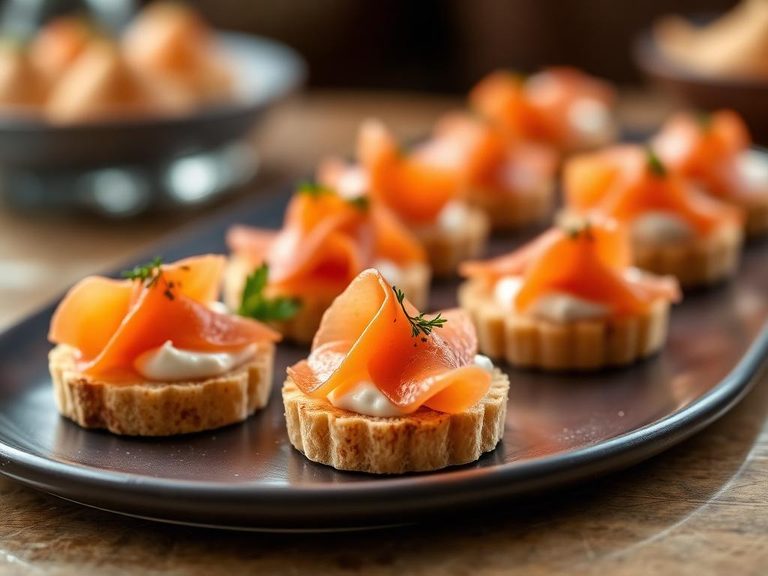
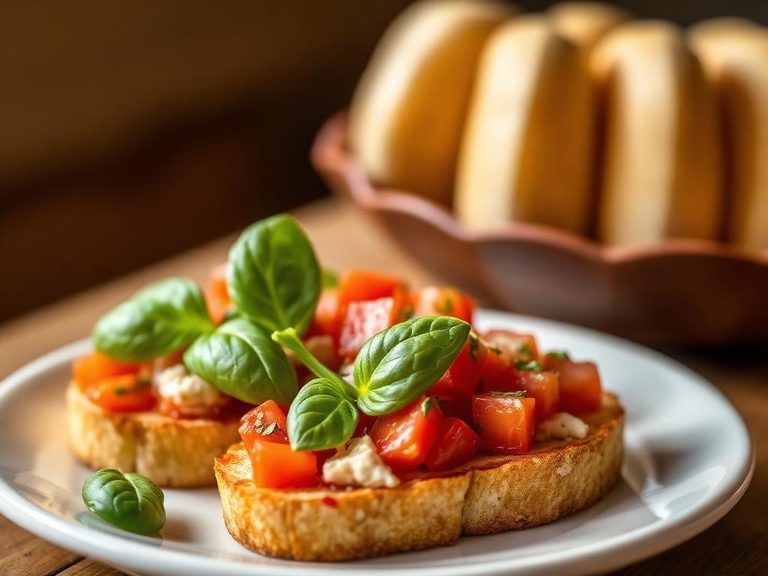
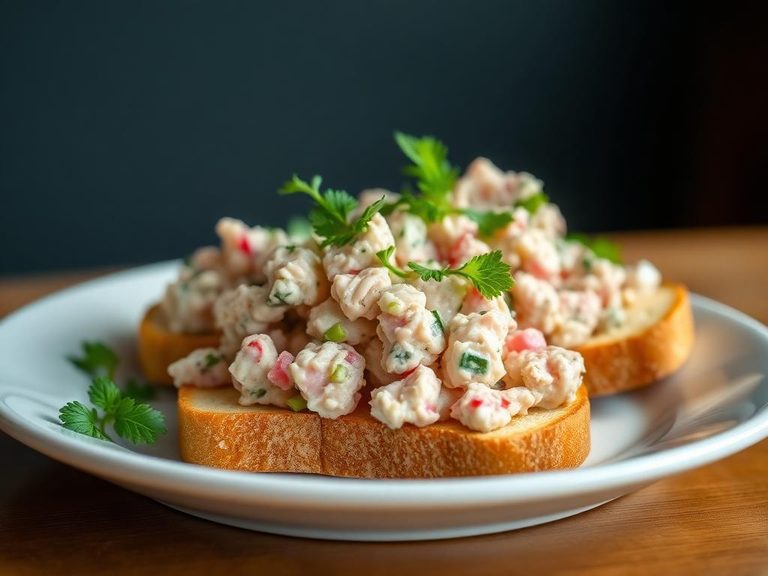
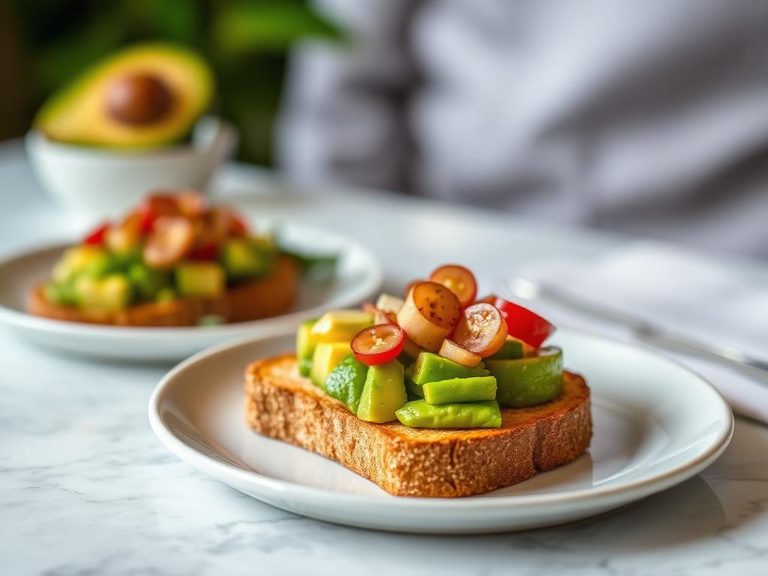
🍽️ Popular dishes


🌍 Where it's eaten
💡 Did you know?
The 'toast thin' format was popularized in the 1970s by the brand Melba toast, named after the Australian opera singer Nellie Melba, who was put on a bland diet by her doctor.
Full nutrition (USDA data · scales with serving)
| Water | 8.1 g |
| Energy | 442 kcal |
| Energy | 1848 kj |
| Protein | 6.5 g |
| Total lipid (fat) | 16.1 g |
| Ash | 1.6 g |
| Carbohydrate, by difference | 67.7 g |
| Fiber, total dietary | 9.7 g |
| Total Sugars | 12.9 g |
| Calcium, Ca | 0.00 mg |
| Iron, Fe | 3.5 mg |
| Magnesium, Mg | 102 mg |
| Phosphorus, P | 266 mg |
| Potassium, K | 306 mg |
| Sodium, Na | 177 mg |
| Zinc, Zn | 1.9 mg |
| Copper, Cu | 0.31 mg |
| Selenium, Se | 46.1 ug |
| Vitamin C, total ascorbic acid | 0.00 mg |
| Thiamin | 0.37 mg |
| Riboflavin | 0.13 mg |
| Niacin | 3.7 mg |
| Vitamin B-6 | 0.30 mg |
| Folate, total | 33.0 ug |
| Folic acid | 0.00 ug |
| Folate, food | 33.0 ug |
| Folate, DFE | 33.0 ug |
| Choline, total | 23.2 mg |
| Vitamin B-12 | 0.00 ug |
| Vitamin B-12, added | 0.00 ug |
| Vitamin A, RAE | 0.00 ug |
| Retinol | 0.00 ug |
| Carotene, beta | 4.0 ug |
| Carotene, alpha | 0.00 ug |
| Cryptoxanthin, beta | 0.00 ug |
| Vitamin A, IU | 7.0 iu |
| Lycopene | 0.00 ug |
| Lutein + zeaxanthin | 164 ug |
| Vitamin E (alpha-tocopherol) | 1.7 mg |
| Vitamin E, added | 0.00 mg |
| Vitamin D (D2 + D3), International Units | 0.00 iu |
| Vitamin D (D2 + D3) | 0.00 ug |
| Vitamin K (phylloquinone) | 27.6 ug |
| Alcohol, ethyl | 0.00 g |
| Caffeine | 0.00 mg |
| Theobromine | 0.00 mg |
Fat & fatty acid profile (per 100g)
| Fatty acids, total saturated | 3.2 g |
| SFA 4:0 | 0.00 g |
| SFA 6:0 | 0.00 g |
| SFA 8:0 | 0.00 g |
| SFA 10:0 | 0.00 g |
| SFA 12:0 | 0.00 g |
| SFA 14:0 | 0.00 g |
| SFA 15:0 | 0.00 g |
| SFA 16:0 | 2.3 g |
| SFA 17:0 | 0.01 g |
| SFA 18:0 | 0.82 g |
| SFA 20:0 | 0.07 g |
| SFA 22:0 | 0.07 g |
| SFA 24:0 | 0.00 g |
| Fatty acids, total monounsaturated | 3.3 g |
| MUFA 14:1 | 0.00 g |
| MUFA 15:1 | 0.00 g |
| MUFA 16:1 | 0.00 g |
| MUFA 17:1 | 0.00 g |
| MUFA 18:1 | 3.2 g |
| MUFA 20:1 | 0.04 g |
| MUFA 22:1 | 0.00 g |
| MUFA 24:1 c | 0.00 g |
| Fatty acids, total polyunsaturated | 8.6 g |
| PUFA 18:2 | 7.7 g |
| PUFA 18:3 | 0.97 g |
| PUFA 18:4 | 0.00 g |
| PUFA 20:2 n-6 c,c | 0.00 g |
| PUFA 20:3 | 0.00 g |
| PUFA 20:4 | 0.00 g |
| PUFA 20:5 n-3 (EPA) | 0.00 g |
| PUFA 21:5 | 0.00 g |
| PUFA 22:4 | 0.00 g |
| PUFA 22:5 n-3 (DPA) | 0.00 g |
| PUFA 22:6 n-3 (DHA) | 0.00 g |
| Fatty acids, total trans | 0.00 g |
| Cholesterol | 0.00 mg |
Amino acid profile (per 100g)
Estimated from Crackers, cheese, sandwich-type with cheese filling — USDA does not publish this profile for Crackers.
| Tryptophan | 0.11 g |
| Threonine | 0.33 g |
| Isoleucine | 0.36 g |
| Leucine | 0.64 g |
| Lysine | 0.39 g |
| Methionine | 0.15 g |
| Cystine | 0.15 g |
| Phenylalanine | 0.35 g |
| Tyrosine | 0.25 g |
| Valine | 0.38 g |
| Arginine | 0.29 g |
| Histidine | 0.17 g |
| Alanine | 0.30 g |
| Aspartic acid | 0.52 g |
| Glutamic acid | 2.2 g |
| Glycine | 0.24 g |
| Proline | 0.77 g |
| Serine | 0.40 g |
FAQ
What's the difference between toast thins and regular crackers?
Toast thins are typically made from a lean bread dough that is rolled extremely thin and baked until crisp, giving them a lighter, airier texture and a more pronounced 'toasted' flavor compared to the denser, often oilier composition of many crackers.
Are they good for weight management?
Their high fiber and relatively lower calorie density can aid in satiety, but portion control is key. Pairing them with protein or fat makes a more balanced and satisfying snack that prevents overeating.
Can I make them at home?
Yes! You can roll out a simple bread dough or even leftover sandwich bread very thinly, brush lightly with oil or egg white, and bake at a low temperature until completely crisp and golden.
Nutrient density (calculated · NRF9.3)
Nutrient Rich Foods index: beneficial nutrients (protein, fiber, vitamins, minerals) minus saturated fat, added sugar & sodium, per 100 kcal.
NRF9.3 index — Fulgoni, Keast & Drewnowski, 2009. Computed from USDA nutrients.
Weight-loss friendliness (composite index)
Energy density 4.42 kcal/g · 6% calories from protein · 9.7 g fiber · 12.9 g sugar per 100 g.
Composite of energy density (Rolls et al., 1999), protein & fiber satiety, minus sugar. A calculated heuristic — ranks satiety-per-calorie, not a clinical measure.
Dietary load (calculated from USDA values)
Potential renal acid load. Positive = acid-forming, negative = alkaline-forming.
Sodium-to-potassium ratio: 0.58 (lower is better — aim for ≤ 1)
Sodium:potassium per WHO potassium guidance. Computed from USDA nutrients.