

Cookies, gluten-free, chocolate wafer
Whole food · Baked Products
A crisp, intensely chocolatey wafer cookie designed for gluten-free diets, delivering a satisfying snap and deep cocoa flavor. Its nutrition is dominated by carbohydrates and sugars, with a modest fat content providing a rich mouthfeel. At over 540 kcal per 100g, it's a dense, energy-rich treat.
Calorie split: 3% protein · 46% carbs · 51% fat
↓ Full nutrition💚 Why it's loved
People adore its pure, uncomplicated chocolate hit and the classic wafer crunch that pairs perfectly with coffee, tea, or ice cream. It's a nostalgic, go-to treat for those avoiding gluten who don't want to compromise on traditional cookie textures.
⚠️ Watch-outs & how to enjoy it better
The high sugar (41g/100g) and refined carbohydrate content can lead to rapid blood-sugar spikes, making it less ideal for diabetics or those monitoring glycemic response. To mitigate this, pair it with a source of protein (like a handful of nuts) or fat (like a slice of cheese) to slow absorption, and practice strict portion control.
Key benefits
- Gluten-free formulation suitable for celiac or gluten-sensitive diets
- Provides quick energy from high carbohydrate content
- Offers a satisfying chocolate flavor without wheat-based ingredients
- Can be a convenient, shelf-stable snack or dessert component
🍽️ Popular dishes
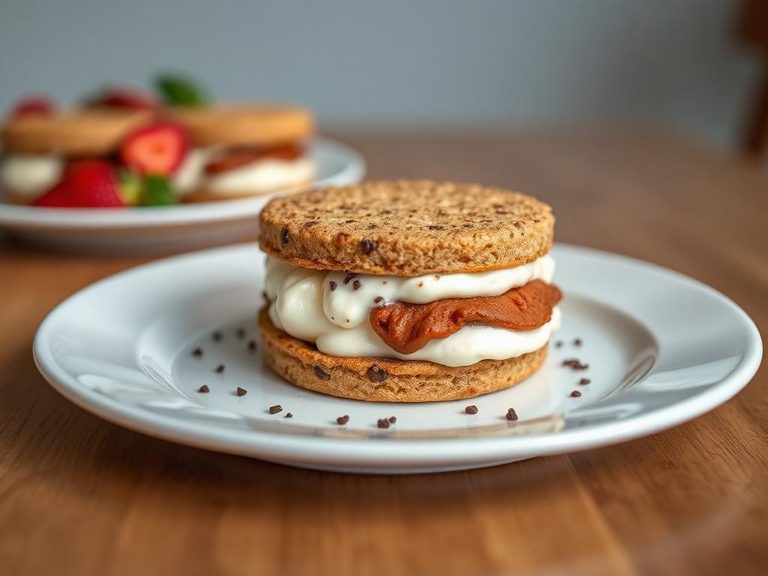
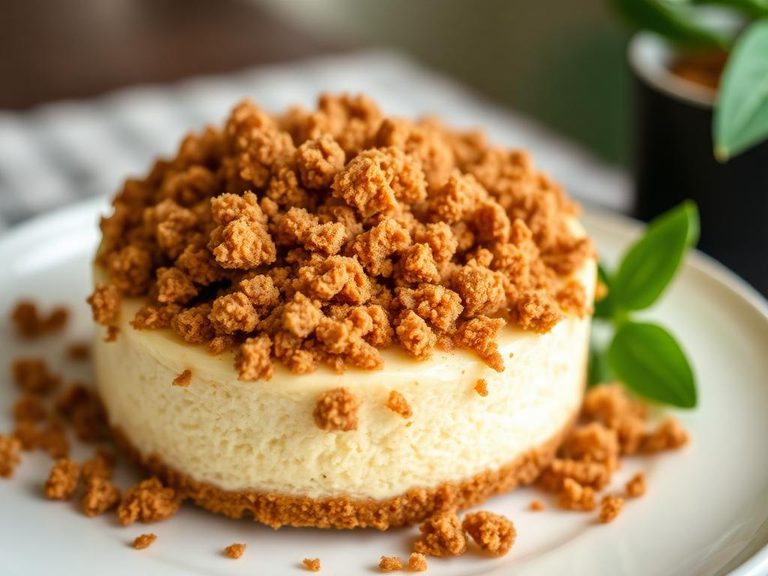

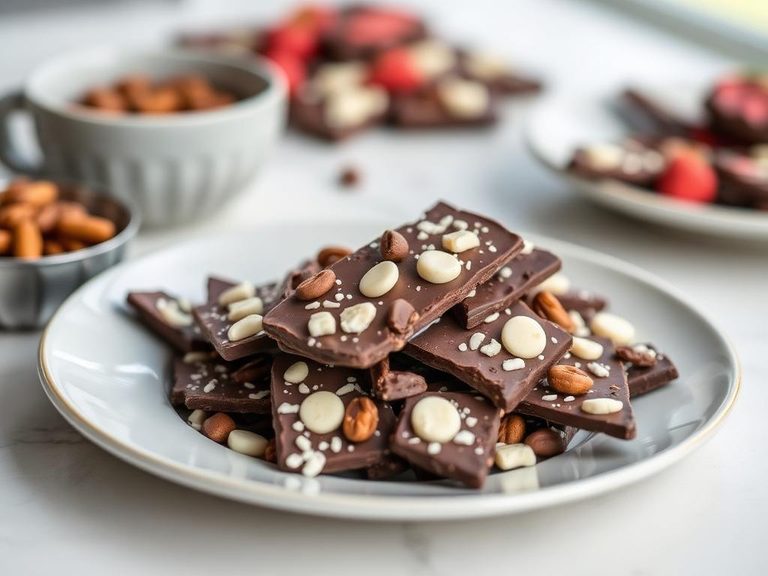
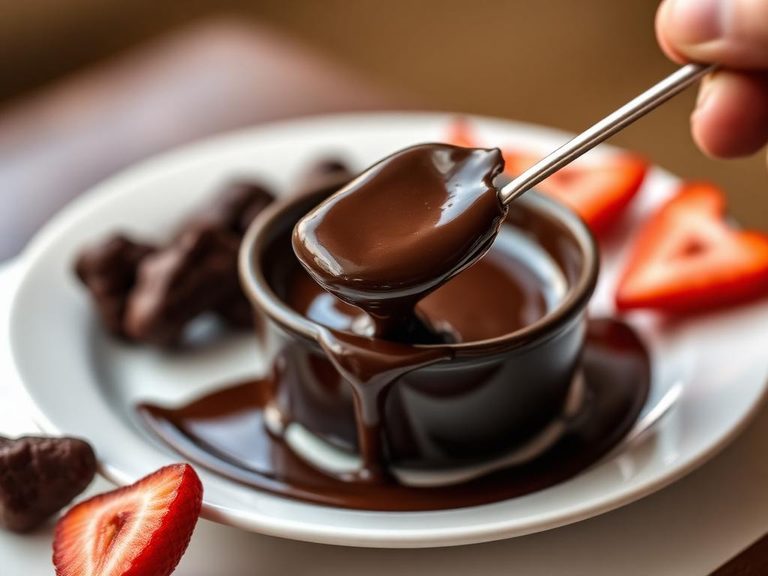
🌍 Where it's eaten
💡 Did you know?
The classic gluten-free chocolate wafer often uses a blend of rice flour, tapioca starch, and potato starch to mimic the structure and snap of wheat flour, a technique perfected in the mid-20th century.
Full nutrition (USDA data · scales with serving)
| Water | 1.4 g |
| Energy | 541 kcal |
| Energy | 2265 kj |
| Protein | 4.1 g |
| Total lipid (fat) | 30.4 g |
| Ash | 1.3 g |
| Carbohydrate, by difference | 62.8 g |
| Fiber, total dietary | 1.6 g |
| Total Sugars | 41.0 g |
| Sucrose | 37.1 g |
| Glucose | 0.00 g |
| Fructose | 0.00 g |
| Lactose | 3.9 g |
| Maltose | 0.00 g |
| Galactose | 0.00 g |
| Starch | 21.2 g |
| Calcium, Ca | 109 mg |
| Iron, Fe | 3.7 mg |
| Magnesium, Mg | 41.0 mg |
| Phosphorus, P | 144 mg |
| Potassium, K | 340 mg |
| Sodium, Na | 122 mg |
| Zinc, Zn | 0.78 mg |
| Copper, Cu | 0.26 mg |
| Manganese, Mn | 0.41 mg |
| Pantothenic acid | 0.43 mg |
Fat & fatty acid profile (per 100g)
| Fatty acids, total saturated | 15.3 g |
| SFA 4:0 | 0.06 g |
| SFA 6:0 | 0.05 g |
| SFA 8:0 | 0.04 g |
| SFA 10:0 | 0.08 g |
| SFA 12:0 | 0.16 g |
| SFA 14:0 | 0.43 g |
| SFA 15:0 | 0.04 g |
| SFA 16:0 | 9.2 g |
| SFA 17:0 | 0.05 g |
| SFA 18:0 | 5.0 g |
| SFA 20:0 | 0.18 g |
| SFA 22:0 | 0.04 g |
| SFA 24:0 | 0.03 g |
| Fatty acids, total monounsaturated | 9.5 g |
| MUFA 14:1 | 0.03 g |
| MUFA 15:1 | 0.00 g |
| MUFA 16:1 | 0.10 g |
| MUFA 16:1 c | 0.09 g |
| MUFA 17:1 | 0.01 g |
| MUFA 18:1 | 9.3 g |
| MUFA 18:1 c | 9.2 g |
| MUFA 20:1 | 0.04 g |
| MUFA 22:1 | 0.00 g |
| MUFA 22:1 c | 0.00 g |
| MUFA 24:1 c | 0.00 g |
| Fatty acids, total polyunsaturated | 2.3 g |
| PUFA 18:2 | 2.1 g |
| PUFA 18:2 n-6 c,c | 2.1 g |
| PUFA 18:2 CLAs | 0.01 g |
| PUFA 18:3 | 0.12 g |
| PUFA 18:3 n-3 c,c,c (ALA) | 0.12 g |
| PUFA 18:3 n-6 c,c,c | 0.01 g |
| PUFA 18:3i | 0.00 g |
| PUFA 18:4 | 0.00 g |
| PUFA 20:2 n-6 c,c | 0.00 g |
| PUFA 20:3 | 0.00 g |
| PUFA 20:3 n-3 | 0.00 g |
| PUFA 20:3 n-6 | 0.00 g |
| PUFA 20:4 | 0.01 g |
| PUFA 20:5 n-3 (EPA) | 0.00 g |
| PUFA 22:4 | 0.00 g |
| PUFA 22:5 n-3 (DPA) | 0.00 g |
| PUFA 22:6 n-3 (DHA) | 0.00 g |
| Fatty acids, total trans | 0.10 g |
| Fatty acids, total trans-monoenoic | 0.06 g |
| TFA 16:1 t | 0.01 g |
| TFA 18:1 t | 0.06 g |
| TFA 22:1 t | 0.00 g |
| TFA 18:2 t not further defined | 0.04 g |
| Fatty acids, total trans-polyenoic | 0.04 g |
Amino acid profile (per 100g)
Estimated from Cookies, animal crackers (includes arrowroot, tea biscuits) — USDA does not publish this profile for Cookies.
| Tryptophan | 0.10 g |
| Threonine | 0.19 g |
| Isoleucine | 0.26 g |
| Leucine | 0.47 g |
| Lysine | 0.24 g |
| Methionine | 0.12 g |
| Cystine | 0.15 g |
| Phenylalanine | 0.32 g |
| Tyrosine | 0.20 g |
| Valine | 0.30 g |
| Arginine | 0.26 g |
| Histidine | 0.14 g |
| Alanine | 0.21 g |
| Aspartic acid | 0.29 g |
| Glutamic acid | 2.3 g |
| Glycine | 0.23 g |
| Proline | 0.76 g |
| Serine | 0.36 g |
FAQ
What makes it gluten-free?
It replaces traditional wheat flour with alternative flours and starches, most commonly rice flour, tapioca starch, and sometimes potato starch or almond flour, to achieve a similar texture without gluten.
Is it healthier than regular chocolate wafers?
Not necessarily. While it's safe for gluten-free diets, its nutritional profile—high in sugar and refined carbs—is very similar to standard chocolate wafers. It's a specialty item, not a health food.
How can I use it in baking?
It's excellent for no-bake desserts. Crush it to make a gluten-free pie crust (mix with melted butter), layer it with pudding and whipped cream for an icebox cake, or use it as a crunchy element in homemade ice cream sandwiches.
Nutrient density (calculated · NRF9.3)
Nutrient Rich Foods index: beneficial nutrients (protein, fiber, vitamins, minerals) minus saturated fat, added sugar & sodium, per 100 kcal.
NRF9.3 index — Fulgoni, Keast & Drewnowski, 2009. Computed from USDA nutrients.
Weight-loss friendliness (composite index)
Energy density 5.41 kcal/g · 3% calories from protein · 1.6 g fiber · 41.0 g sugar per 100 g.
Composite of energy density (Rolls et al., 1999), protein & fiber satiety, minus sugar. A calculated heuristic — ranks satiety-per-calorie, not a clinical measure.
Dietary load (calculated from USDA values)
Potential renal acid load. Positive = acid-forming, negative = alkaline-forming.
Sodium-to-potassium ratio: 0.36 (lower is better — aim for ≤ 1)
Sodium:potassium per WHO potassium guidance. Computed from USDA nutrients.