Layered icebox cake
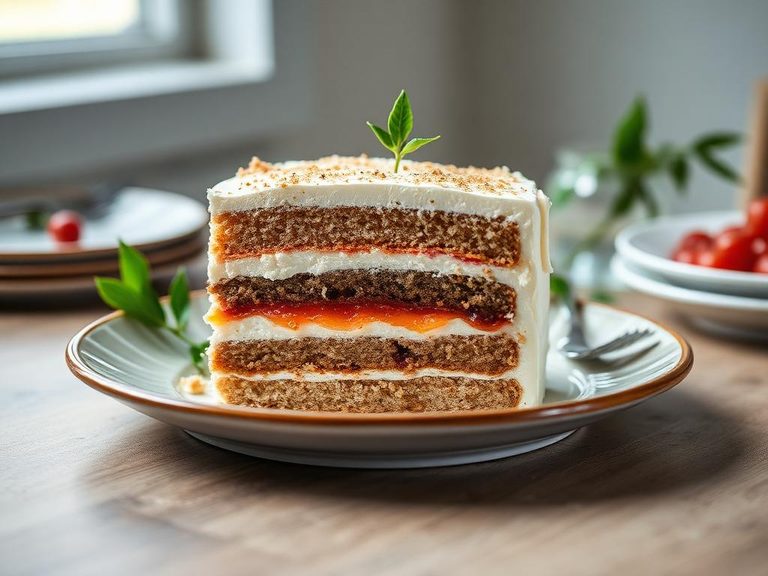
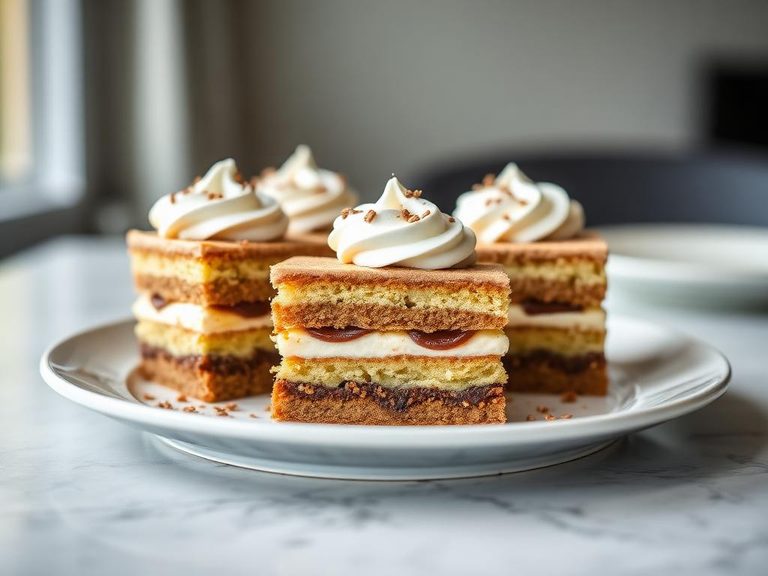
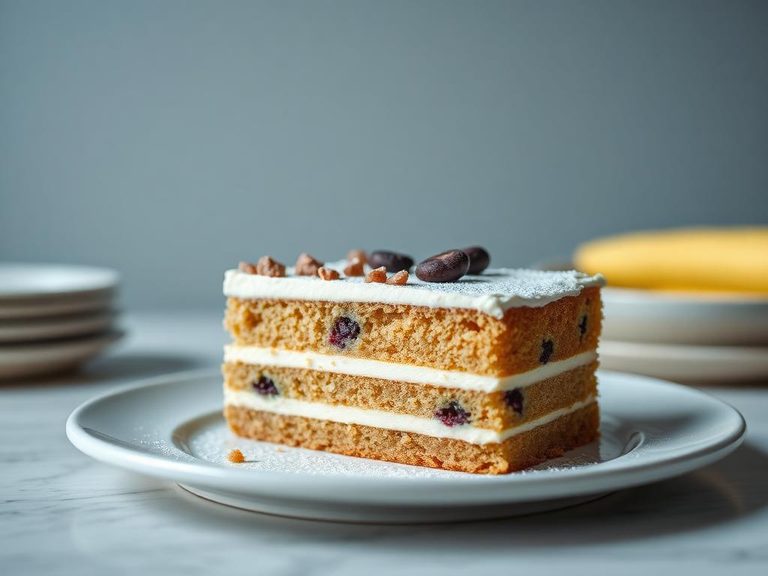
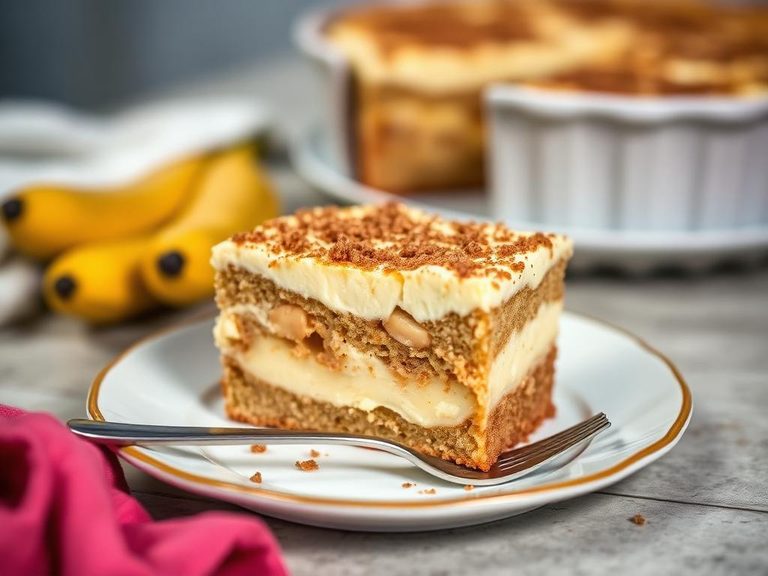
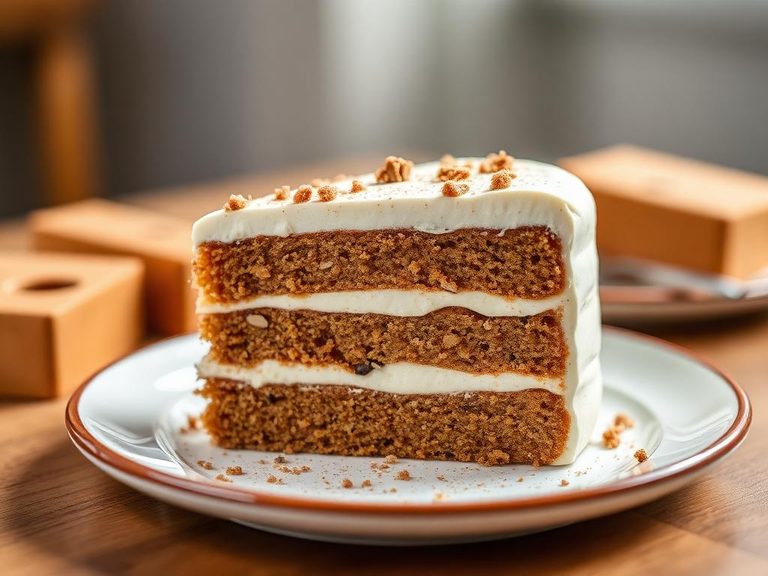
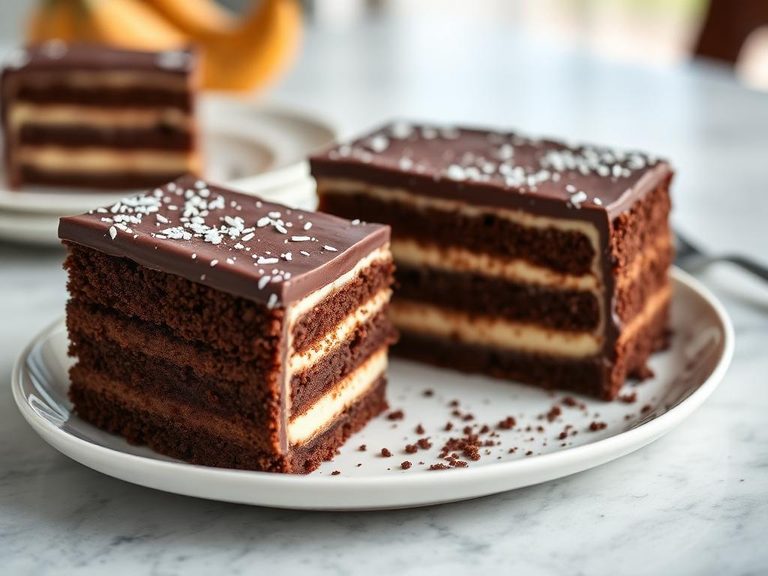
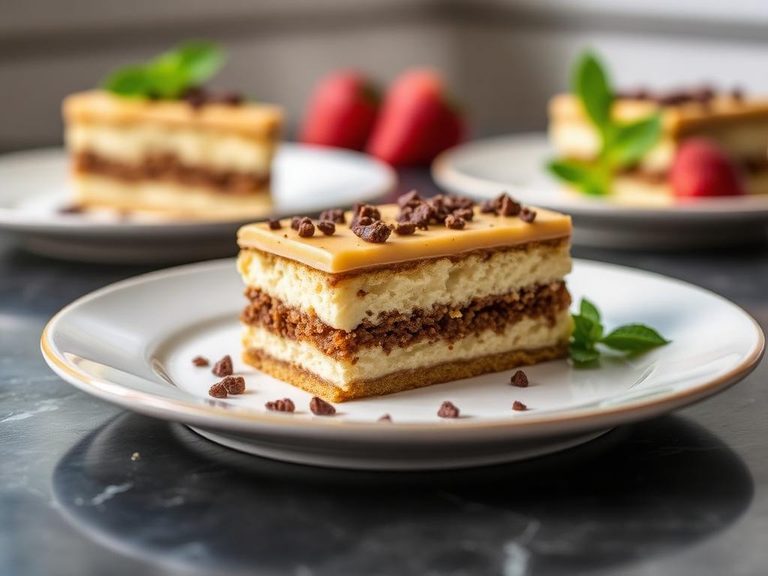
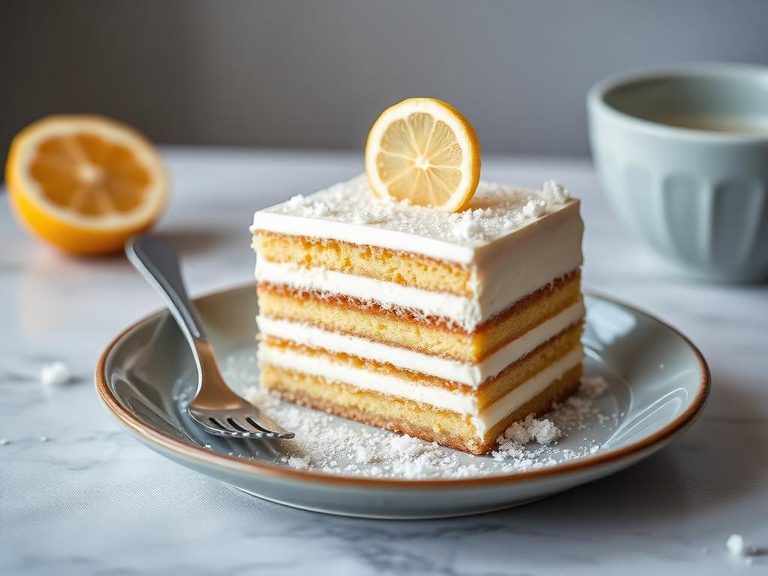
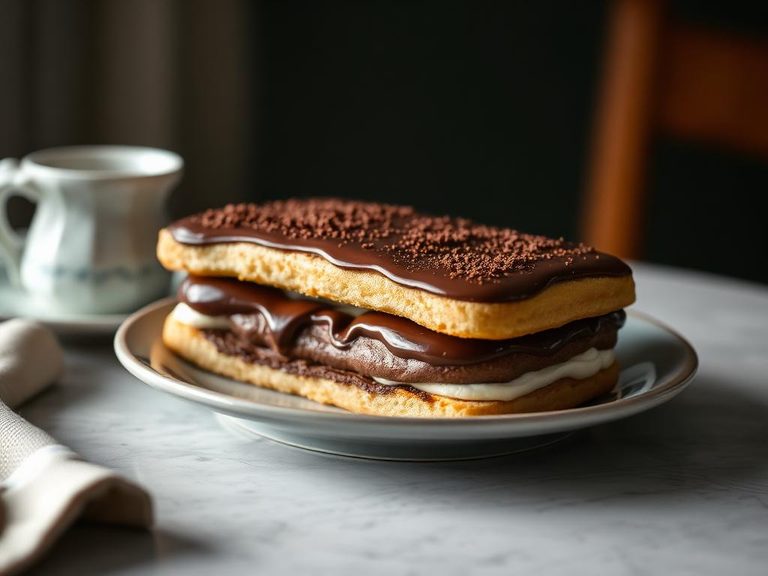
Layered icebox cake is a classic no-bake dessert made by alternating layers of crisp cookies (like graham crackers or wafers) with whipped cream or pudding, then chilling until the layers soften into a cake-like texture. It's a beloved American treat, often associated with summer and potlucks, requiring no oven and minimal effort.
🍽️ Nutrition at a glance
This dessert is typically high in carbohydrates and fat, with a moderate amount of protein coming from dairy and eggs in the filling. A single serving provides a significant calorie boost, often around 300-450 kcal, with key nutrients including calcium and some B vitamins from the dairy components.
Nutrition breakdown
| Calories | 380 kcal |
| Protein | 5 g |
| Carbs | 42 g |
| Fat | 22 g |
| Fiber | 1 g |
| Sugar | 28 g |
| Sodium | 210 mg |
| Calcium | 120 mg |
| Phosphorus | 95 mg |
| Vitamin A | 150 mcg RAE |
| Vitamin B2 (Riboflavin) | 0.15 mg |
| Potassium | 110 mg |
| Iron | 1.2 mg |
| Magnesium | 15 mg |
| Zinc | 0.6 mg |
Per 1 slice (approximately 120 g) · estimated, varies by recipe
💡 What's interesting
Culturally, the icebox cake is a symbol of mid-20th century American home cooking, rising to popularity with the widespread adoption of refrigerators. Its unique texture transformation—from crisp cookies to a soft, unified cake—happens entirely through passive chilling, making it a fascinating example of food science in a simple, home kitchen setting.