Base for Icebox Cakes
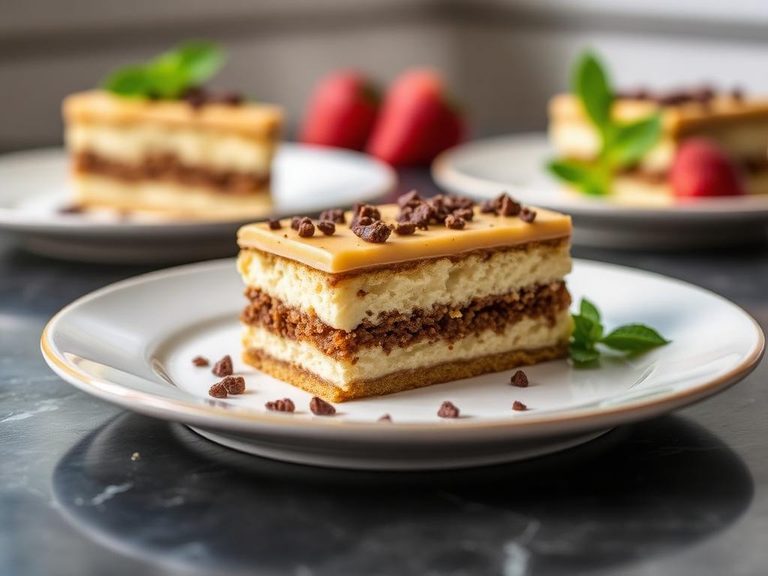
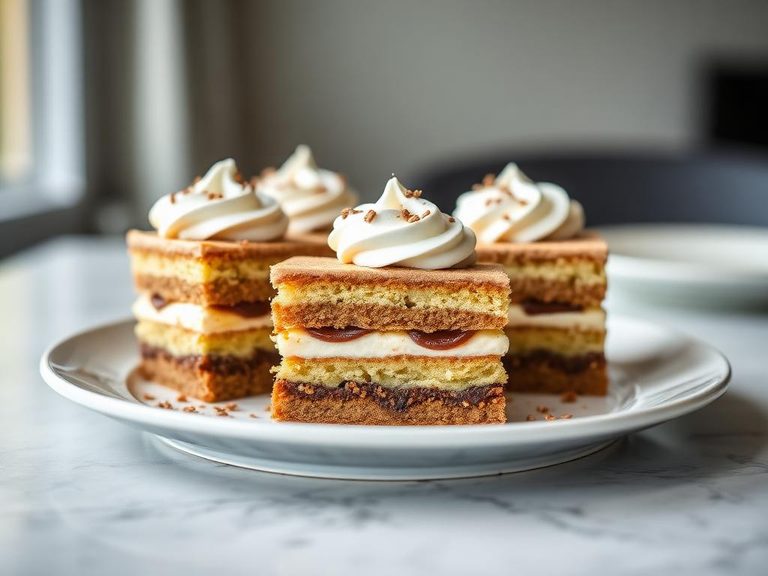
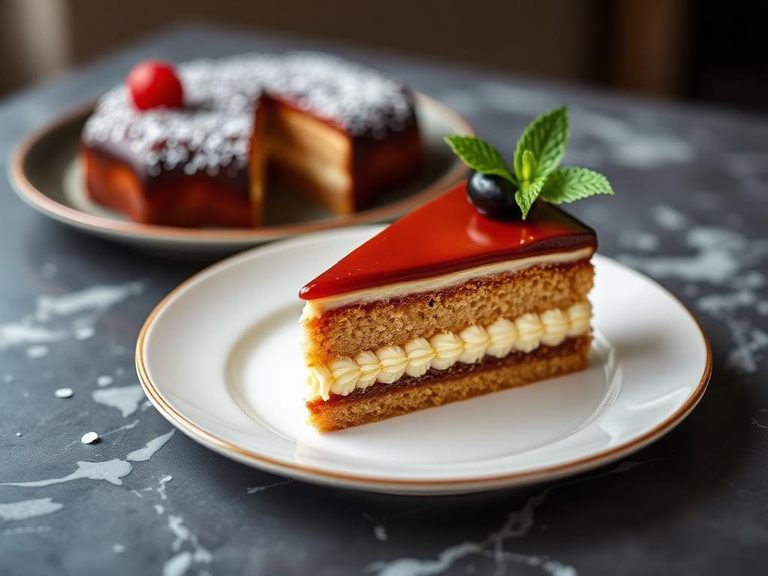
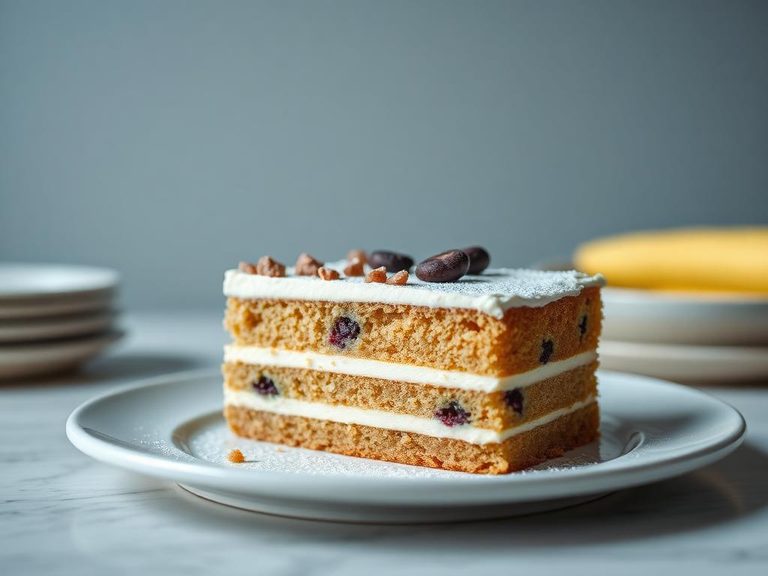
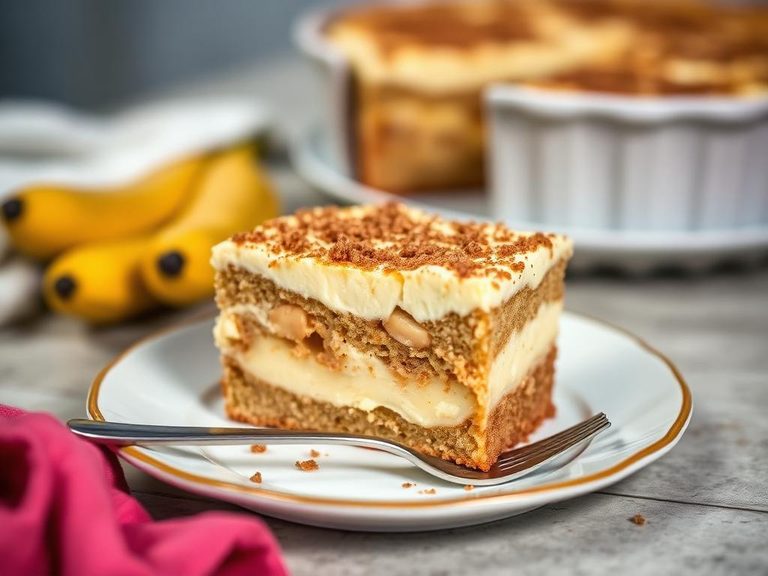
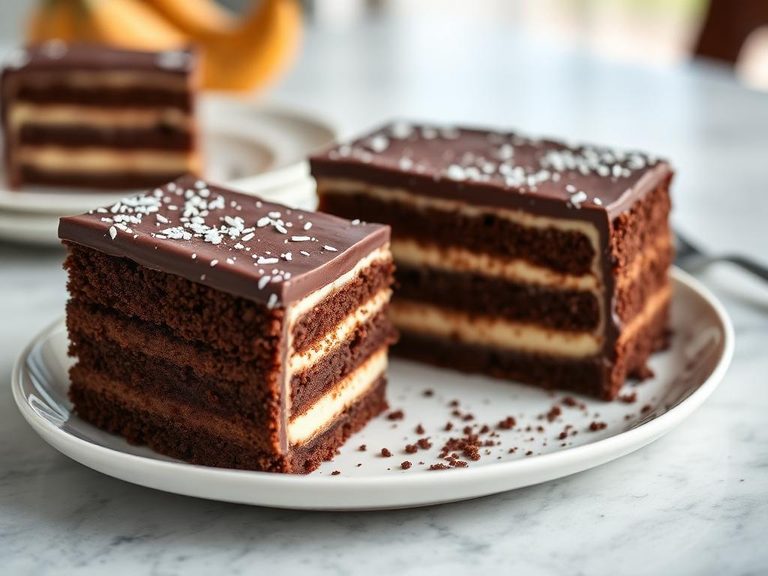
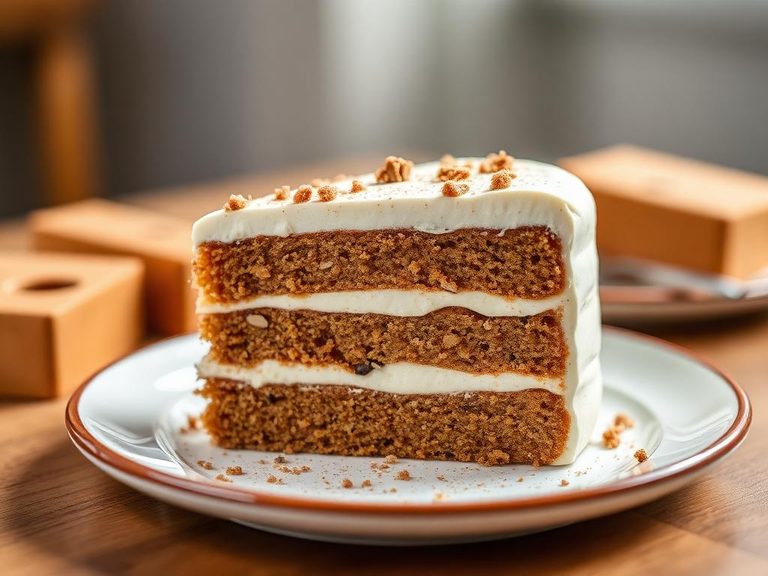
A base for icebox cakes is typically a simple, crisp cookie or cracker layer that serves as the foundation for the no-bake dessert. Common ingredients include graham crackers, ladyfingers, or thin chocolate wafers, which soften and meld with the creamy filling as the cake chills. This concept originated in the United States in the early 20th century, coinciding with the widespread adoption of home refrigerators.
🍽️ Nutrition at a glance
This base is generally high in carbohydrates and fats, with a moderate calorie count depending on the specific cookie used. It provides quick energy from sugars and starches, along with some iron and B vitamins from the enriched flour.
Nutrition breakdown
| Calories | 380 kcal |
| Protein | 6 g |
| Carbs | 52 g |
| Fat | 18 g |
| Fiber | 1 g |
| Sugar | 32 g |
| Sodium | 290 mg |
| Calcium | 120 mg |
| Iron | 1.5 mg |
| Potassium | 180 mg |
| Vitamin A | 150 mcg RAE |
| Vitamin D | 1.5 mcg |
| Vitamin B12 | 0.5 mcg |
| Phosphorus | 100 mg |
| Magnesium | 20 mg |
Per 1 cup (240 g) · estimated, varies by recipe
💡 What's interesting
The true magic of this base lies in its transformation; it's designed to be dry and crisp initially, but it absorbs moisture from whipped cream or pudding to become soft and cake-like without any baking. This clever technique made it a popular, convenient dessert in the era before modern freezers were common.