Icebox Cakes
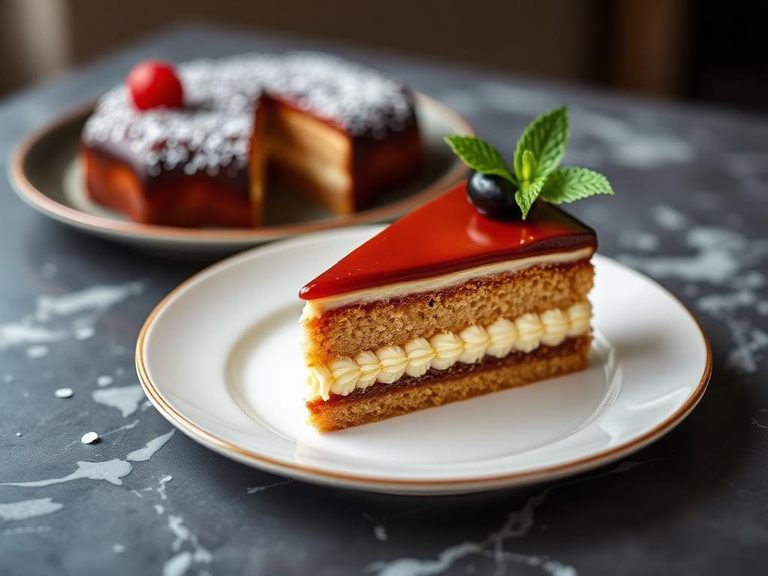
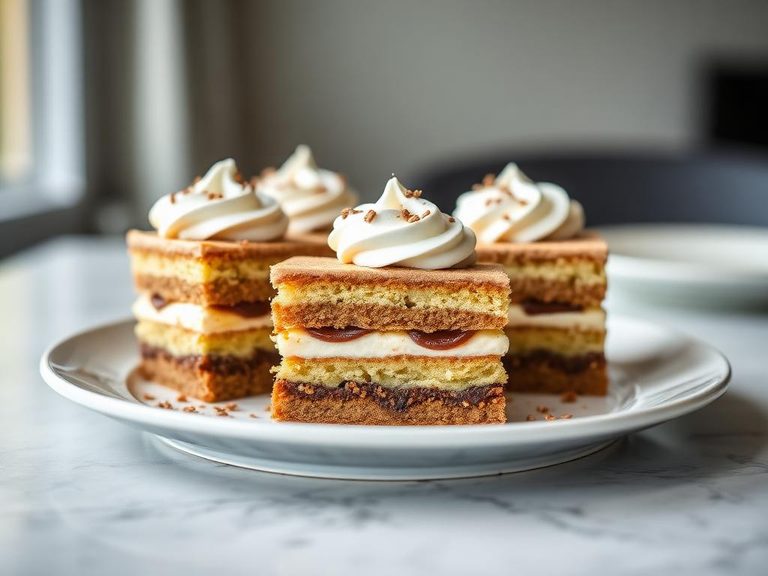
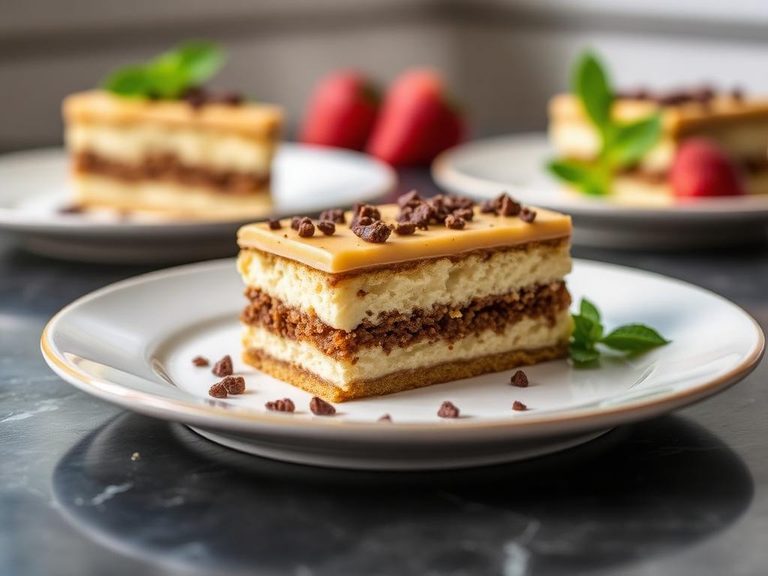
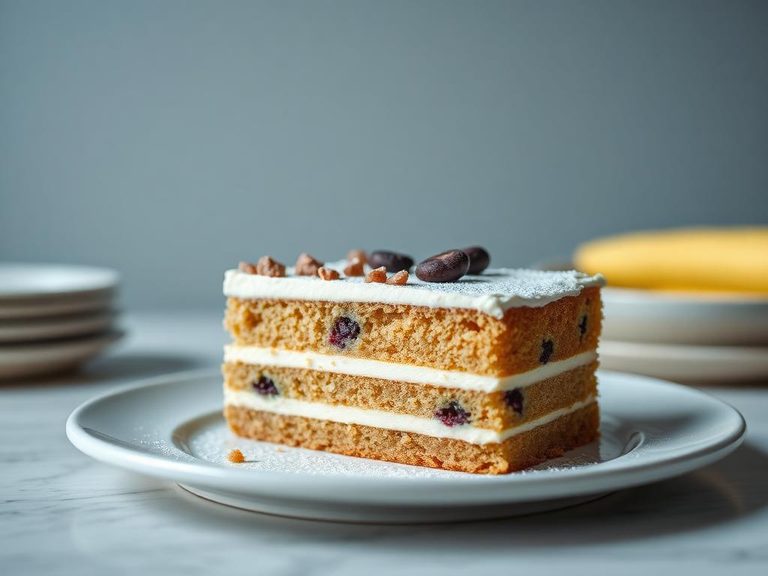
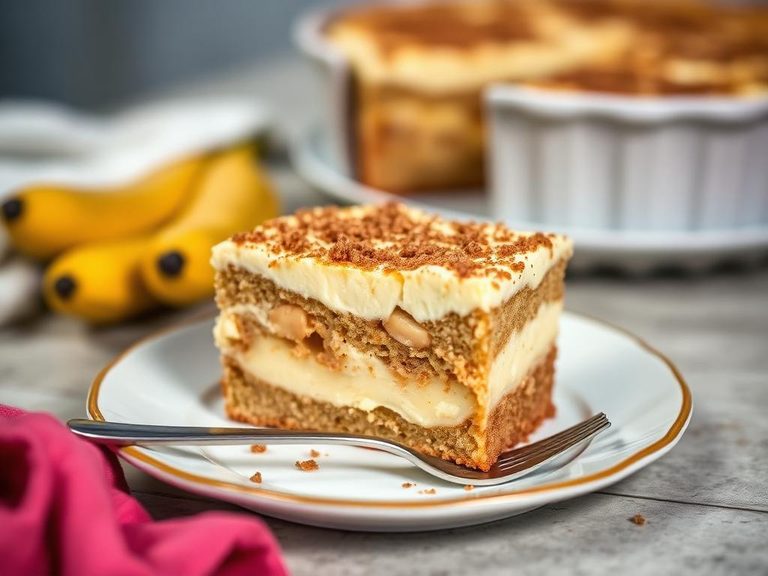
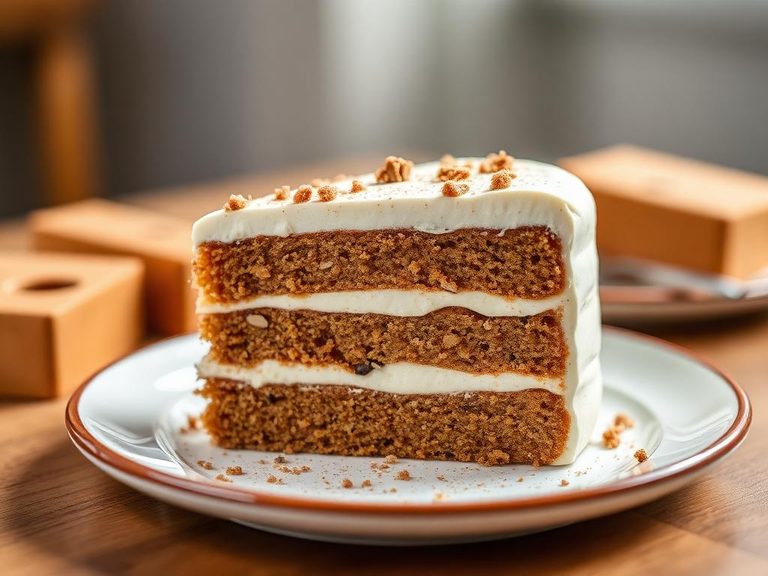
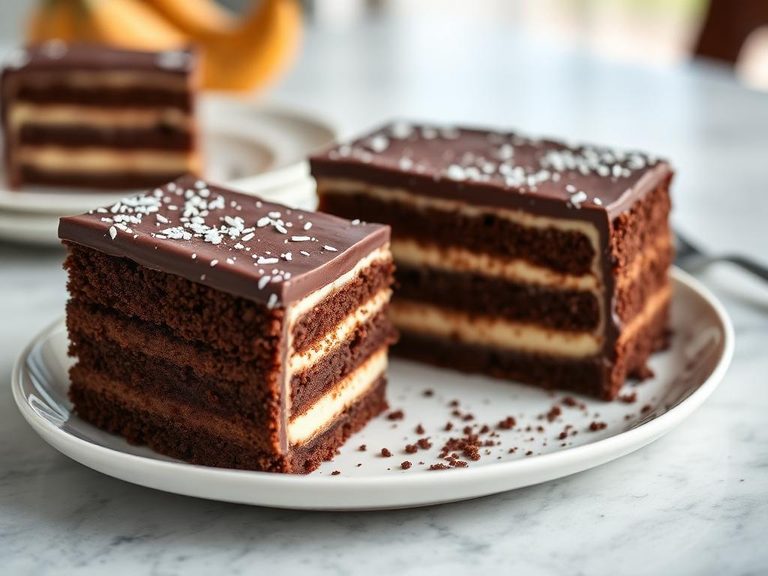
Icebox cakes are no-bake layered desserts made by alternating crisp cookies or wafers with whipped cream or pudding, then chilling until the layers soften into a cake-like texture. They typically feature simple ingredients like graham crackers, chocolate wafers, vanilla wafers, whipped cream, and sometimes fruit or chocolate. The dish is a classic American treat, popularized in the early 20th century as home refrigeration became widespread.
🍽️ Nutrition at a glance
Icebox cakes are generally high in fat and carbohydrates, primarily from the whipped cream and cookies, with minimal protein. A typical serving provides a moderate calorie count, along with some calcium and a small amount of iron from the dairy and flour components.
Nutrition breakdown
| Calories | 350 kcal |
| Protein | 4 g |
| Carbs | 40 g |
| Fat | 20 g |
| Fiber | 1 g |
| Sugar | 25 g |
| Sodium | 180 mg |
| Calcium | 80 mg |
| Iron | 1.5 mg |
| Vitamin A | 120 IU |
| Potassium | 100 mg |
| Phosphorus | 60 mg |
| Magnesium | 10 mg |
| Zinc | 0.5 mg |
| Selenium | 5 mcg |
Per 1 slice (150 g) · estimated, varies by recipe
💡 What's interesting
The magic of an icebox cake lies in its transformation: the cookies absorb moisture from the cream, softening into a tender, cake-like layer without any baking. Nutritionally, it's a dessert that relies on the chilling process rather than heat to achieve its signature texture, making it a staple of summer gatherings.