Sausage, turkey, breakfast links, mild, raw
Whole food · Sausages and Luncheon Meats

Photo: Wikipedia
Mild, raw turkey breakfast links are lean, savory sausages made from ground turkey, seasoned with a gentle blend of herbs and spices like sage, thyme, and black pepper. When cooked, they develop a lightly browned, slightly crisp exterior while remaining juicy and tender inside. They offer a high-protein, lower-fat alternative to traditional pork breakfast sausage.
💚 Why it's loved
People love them for delivering the classic, comforting breakfast sausage flavor—savory, slightly herbal, and satisfying—without the heavier fat content of pork. They're a quick, versatile staple that can be pan-fried, baked, or added to a variety of dishes.
⚠️ Watch-outs & how to enjoy it better
As a processed meat, it can be high in sodium, which is a consideration for those monitoring blood pressure. To counteract this, pair the sausages with potassium-rich foods like spinach, tomatoes, or avocado, and be mindful of other salty items on your plate. Always check labels for potential allergens like soy or gluten in the seasoning blend.
Key benefits
- High-quality, complete protein source
- Significantly lower in saturated fat than pork sausage
- Versatile for various breakfast styles and meal prep
- Lean protein supports muscle maintenance
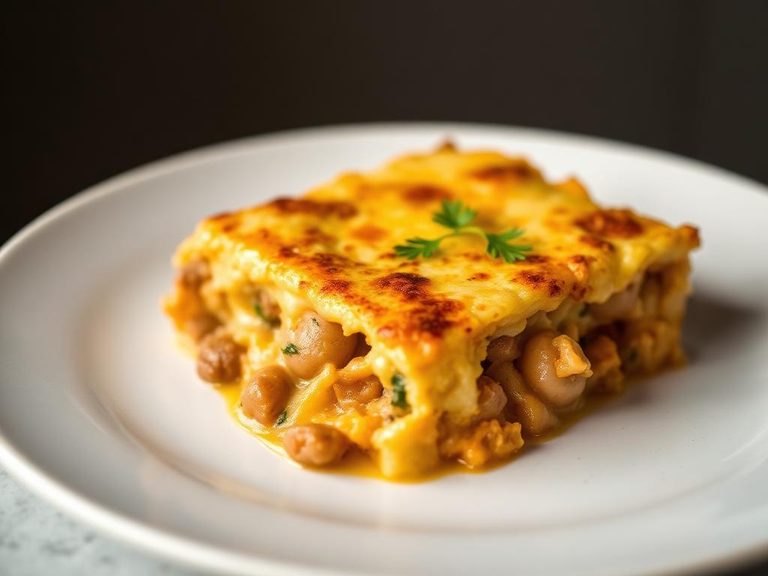
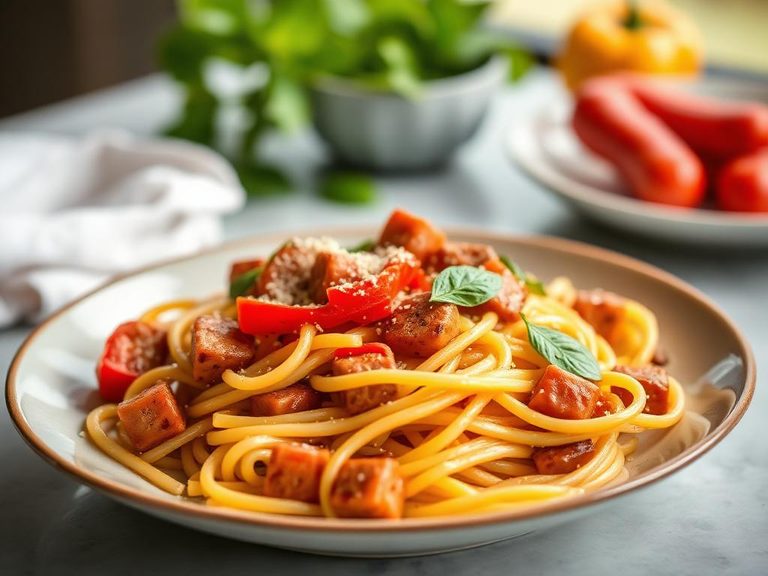
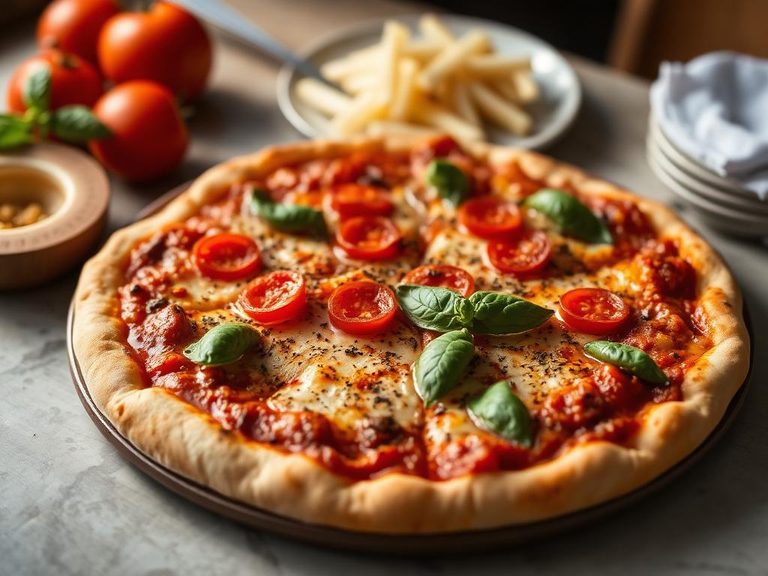
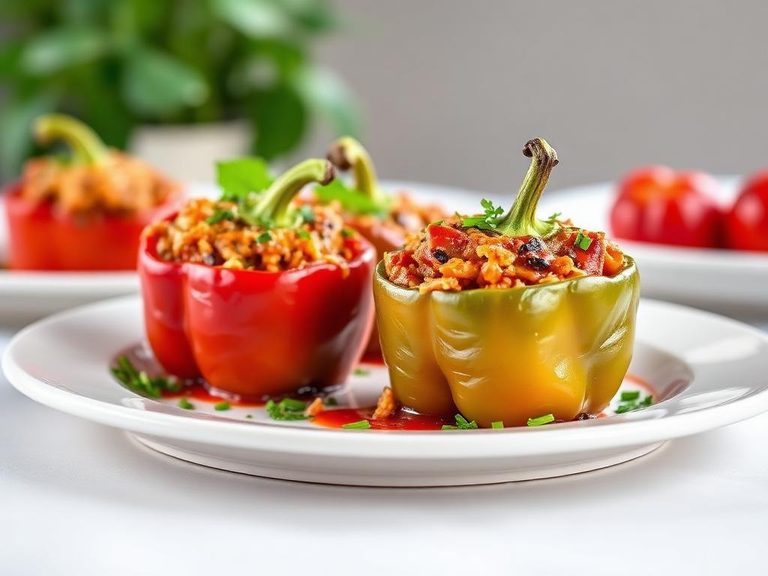
🍽️ Popular dishes
🌍 Where it's eaten
💡 Did you know?
The 'mild' in the name typically indicates a lack of hot peppers like chili or cayenne, but the seasoning blend often includes a surprising amount of fennel seed, giving it a subtle, anise-like note.
Full nutrition (scales with serving)
| Water | 67.9 g |
| Energy | 174 kcal |
| Energy | 728 kj |
| Protein | 15.9 g |
| Total lipid (fat) | 10.4 g |
| Ash | 2.6 g |
| Carbohydrate, by difference | 3.2 g |
| Fiber, total dietary | 0.00 g |
| Total Sugars | 0.00 g |
| Calcium, Ca | 55.0 mg |
| Iron, Fe | 1.3 mg |
| Magnesium, Mg | 20.0 mg |
| Phosphorus, P | 174 mg |
| Potassium, K | 258 mg |
| Sodium, Na | 714 mg |
| Zinc, Zn | 2.5 mg |
| Copper, Cu | 0.07 mg |
| Manganese, Mn | 0.08 mg |
| Selenium, Se | 12.5 ug |
| Vitamin C, total ascorbic acid | 0.00 mg |
| Thiamin | 0.04 mg |
| Riboflavin | 0.30 mg |
| Niacin | 4.4 mg |
| Pantothenic acid | 0.81 mg |
| Vitamin B-6 | 0.26 mg |
| Folate, total | 6.0 ug |
| Folic acid | 0.00 ug |
| Folate, food | 6.0 ug |
| Folate, DFE | 6.0 ug |
| Choline, total | 33.9 mg |
| Betaine | 3.0 mg |
| Vitamin B-12 | 1.3 ug |
| Vitamin B-12, added | 0.00 ug |
| Vitamin A, RAE | 0.00 ug |
| Retinol | 0.00 ug |
| Carotene, beta | 0.00 ug |
| Carotene, alpha | 0.00 ug |
| Cryptoxanthin, beta | 0.00 ug |
| Vitamin A, IU | 0.00 iu |
| Lycopene | 0.00 ug |
| Lutein + zeaxanthin | 0.00 ug |
| Vitamin E (alpha-tocopherol) | 0.19 mg |
| Vitamin E, added | 0.00 mg |
| Vitamin D (D2 + D3), International Units | 17.0 iu |
| Vitamin D (D2 + D3) | 0.40 ug |
| Vitamin D3 (cholecalciferol) | 0.40 ug |
| Vitamin K (phylloquinone) | 0.40 ug |
| Vitamin K (Dihydrophylloquinone) | 0.00 ug |
| Vitamin K (Menaquinone-4) | 36.6 ug |
| Alcohol, ethyl | 0.00 g |
| Caffeine | 0.00 mg |
| Theobromine | 0.00 mg |
Fat & fatty acid profile (per 100g)
| Fatty acids, total saturated | 2.8 g |
| SFA 4:0 | 0.00 g |
| SFA 6:0 | 0.00 g |
| SFA 8:0 | 0.00 g |
| SFA 10:0 | 0.00 g |
| SFA 12:0 | 0.01 g |
| SFA 14:0 | 0.10 g |
| SFA 15:0 | 0.01 g |
| SFA 16:0 | 1.9 g |
| SFA 17:0 | 0.03 g |
| SFA 18:0 | 0.73 g |
| SFA 20:0 | 0.01 g |
| SFA 22:0 | 0.01 g |
| SFA 24:0 | 0.00 g |
| Fatty acids, total monounsaturated | 3.7 g |
| MUFA 14:1 | 0.02 g |
| MUFA 15:1 | 0.00 g |
| MUFA 16:1 | 0.31 g |
| MUFA 16:1 c | 0.31 g |
| MUFA 17:1 | 0.02 g |
| MUFA 18:1 | 3.2 g |
| MUFA 18:1 c | 3.1 g |
| MUFA 20:1 | 0.06 g |
| MUFA 22:1 | 0.04 g |
| MUFA 22:1 c | 0.04 g |
| MUFA 24:1 c | 0.01 g |
| Fatty acids, total polyunsaturated | 3.0 g |
| PUFA 18:2 | 2.6 g |
| PUFA 18:2 n-6 c,c | 2.6 g |
| PUFA 18:2 CLAs | 0.02 g |
| PUFA 18:3 | 0.18 g |
| PUFA 18:3 n-3 c,c,c (ALA) | 0.18 g |
| PUFA 18:3 n-6 c,c,c | 0.00 g |
| PUFA 18:3i | 0.00 g |
| PUFA 18:4 | 0.00 g |
| PUFA 20:2 n-6 c,c | 0.02 g |
| PUFA 20:3 | 0.02 g |
| PUFA 20:3 n-3 | 0.00 g |
| PUFA 20:3 n-6 | 0.01 g |
| PUFA 20:4 | 0.09 g |
| PUFA 20:5 n-3 (EPA) | 0.00 g |
| PUFA 22:4 | 0.02 g |
| PUFA 22:5 n-3 (DPA) | 0.01 g |
| PUFA 22:6 n-3 (DHA) | 0.01 g |
| Fatty acids, total trans | 0.13 g |
| Fatty acids, total trans-monoenoic | 0.11 g |
| TFA 16:1 t | 0.00 g |
| TFA 18:1 t | 0.10 g |
| TFA 22:1 t | 0.00 g |
| TFA 18:2 t not further defined | 0.02 g |
| Fatty acids, total trans-polyenoic | 0.02 g |
| Cholesterol | 76.0 mg |
Amino acid profile (per 100g)
| Hydroxyproline | 0.20 g |
FAQ
How do I know when turkey breakfast links are fully cooked?
Cook until they are no longer pink in the center and the internal temperature reaches 165°F (74°C) on a meat thermometer. They should have a light golden-brown sear on the outside.
Can I freeze raw turkey breakfast links?
Yes, they freeze well. Place them in a single layer on a baking sheet to flash-freeze, then transfer to a freezer bag. They can be cooked directly from frozen, just add a few extra minutes to the cooking time.
What's the best way to cook them for a crispy exterior?
Pan-frying over medium heat in a non-stick skillet is ideal. You can also bake them on a wire rack over a baking sheet at 400°F (200°C) for even cooking and crisping on all sides.