

Teff, uncooked
Whole food · Cereal Grains and Pasta

Photo: Wikipedia
Teff is an ancient, tiny grain from Ethiopia and Eritrea, with a mild, nutty flavor and a texture that ranges from creamy (when cooked into porridge) to slightly spongy (in flatbreads). It is a nutritional powerhouse, notable for being exceptionally high in iron and calcium for a grain, and its high fiber content supports steady energy release.
Calorie split: 14% protein · 80% carbs · 6% fat
↓ Full nutrition💚 Why it's loved
People love it for its unique, earthy flavor that forms the backbone of Ethiopian cuisine, and its incredible versatility—from spongy, fermented flatbread to creamy porridge. It's also a beloved staple for its ability to provide long-lasting energy and its impressive mineral profile.
⚠️ Watch-outs & how to enjoy it better
Its high fiber and resistant starch can cause digestive discomfort (bloating, gas) for those not accustomed to it, especially in large portions. To ease in, start with small servings and ensure thorough cooking. The phytic acid content can also slightly reduce mineral absorption, which can be mitigated by pairing it with vitamin C-rich foods like tomatoes or lemon juice.
Key benefits
- Excellent source of plant-based iron and calcium.
- High in resistant starch, which feeds beneficial gut bacteria.
- Naturally gluten-free, making it a safe grain for celiac disease.
- Contains all nine essential amino acids, a rare trait for a grain.
🍽️ Popular dishes
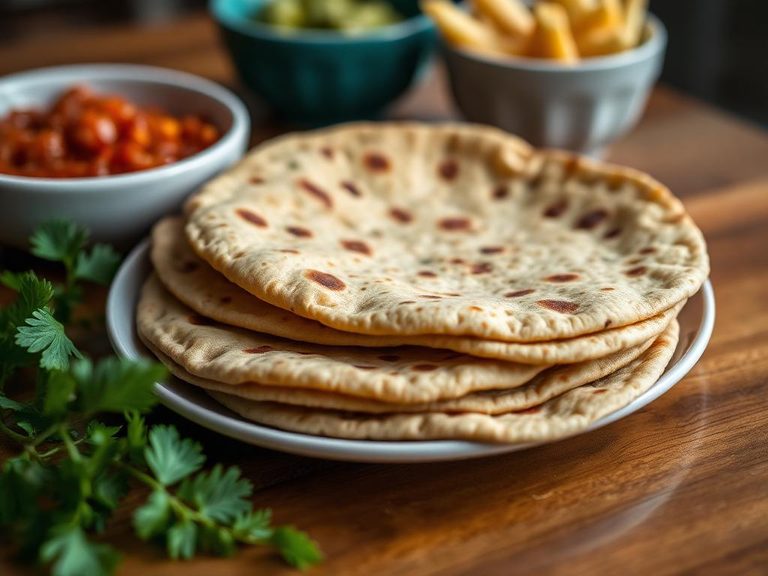
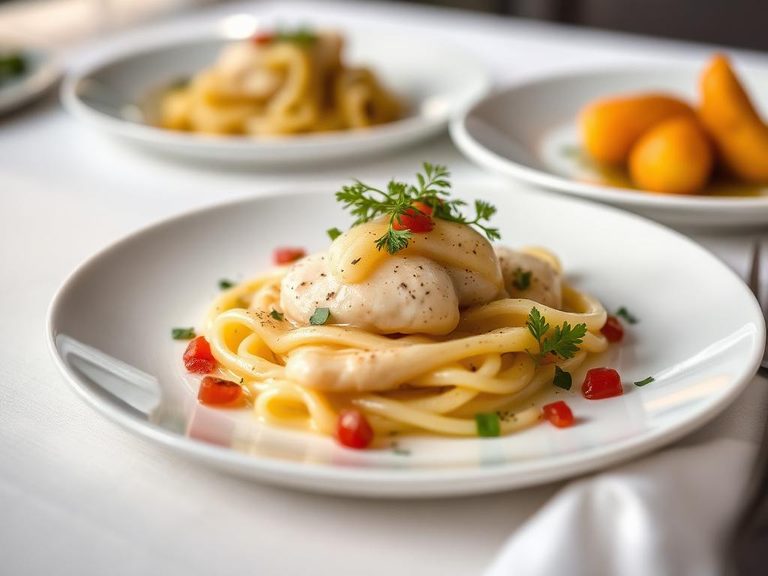
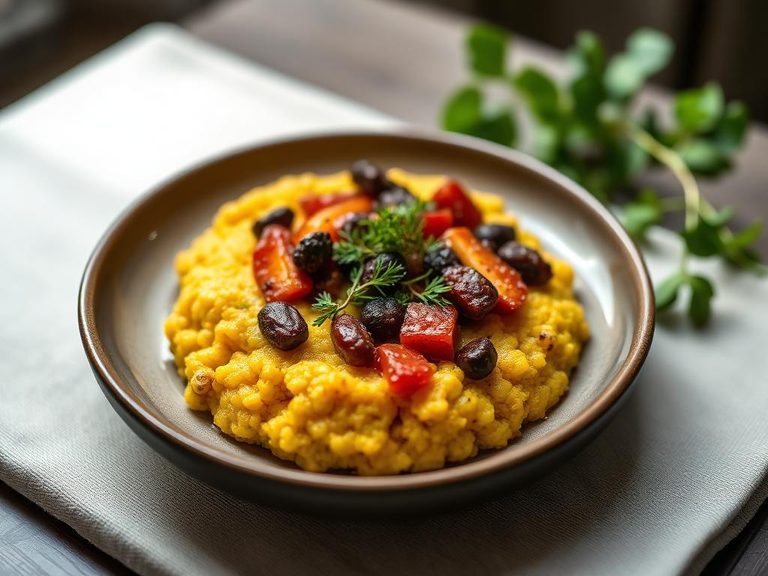
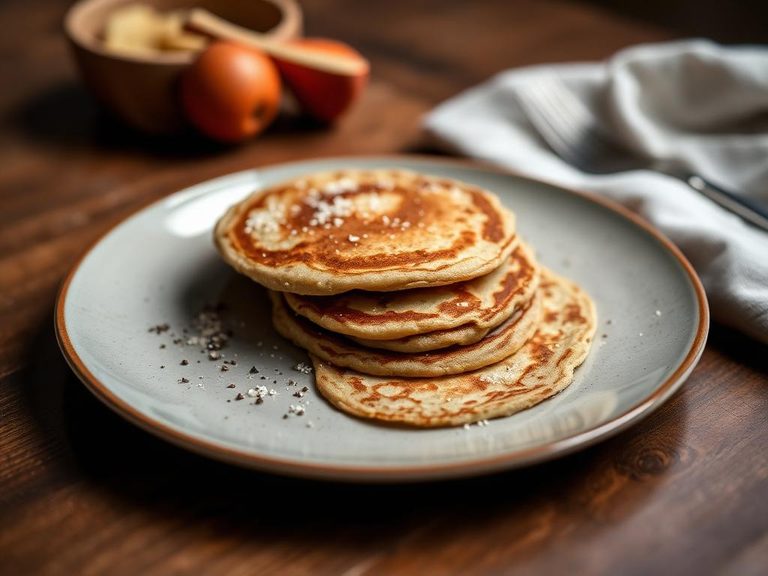
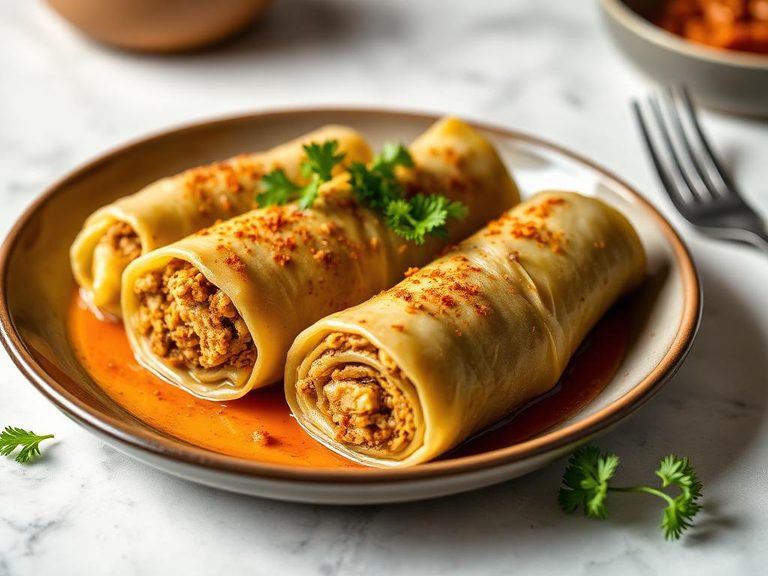
🌍 Where it's eaten
💡 Did you know?
A single teff grain is so minuscule—about the size of a poppy seed—that it is the smallest of all cereal grains, requiring roughly 150 teff seeds to equal the weight of a single wheat kernel.
Full nutrition (USDA data · scales with serving)
| Water | 8.8 g |
| Energy | 367 kcal |
| Energy | 1536 kj |
| Protein | 13.3 g |
| Total lipid (fat) | 2.4 g |
| Ash | 2.4 g |
| Carbohydrate, by difference | 73.1 g |
| Fiber, total dietary | 8.0 g |
| Total Sugars | 1.8 g |
| Sucrose | 0.62 g |
| Glucose | 0.73 g |
| Fructose | 0.47 g |
| Lactose | 0.00 g |
| Maltose | 0.01 g |
| Galactose | 0.00 g |
| Starch | 36.6 g |
| Calcium, Ca | 180 mg |
| Iron, Fe | 7.6 mg |
| Magnesium, Mg | 184 mg |
| Phosphorus, P | 429 mg |
| Potassium, K | 427 mg |
| Sodium, Na | 12.0 mg |
| Zinc, Zn | 3.6 mg |
| Copper, Cu | 0.81 mg |
| Manganese, Mn | 9.2 mg |
| Selenium, Se | 4.4 ug |
| Thiamin | 0.39 mg |
| Riboflavin | 0.27 mg |
| Niacin | 3.4 mg |
| Pantothenic acid | 0.94 mg |
| Vitamin B-6 | 0.48 mg |
| Choline, total | 13.1 mg |
| Betaine | 2.3 mg |
| Vitamin A, RAE | 0.00 ug |
| Carotene, beta | 5.0 ug |
| Carotene, alpha | 0.00 ug |
| Cryptoxanthin, beta | 0.00 ug |
| Vitamin A, IU | 9.0 iu |
| Lycopene | 0.00 ug |
| Lutein + zeaxanthin | 66.0 ug |
| Vitamin E (alpha-tocopherol) | 0.08 mg |
| Tocopherol, beta | 0.02 mg |
| Tocopherol, gamma | 5.0 mg |
| Tocopherol, delta | 0.07 mg |
| Tocotrienol, alpha | 0.02 mg |
| Tocotrienol, beta | 0.00 mg |
| Tocotrienol, gamma | 0.23 mg |
| Tocotrienol, delta | 0.00 mg |
| Vitamin K (phylloquinone) | 1.9 ug |
| Vitamin K (Dihydrophylloquinone) | 0.00 ug |
| Vitamin K (Menaquinone-4) | 0.00 ug |
Fat & fatty acid profile (per 100g)
| Fatty acids, total saturated | 0.45 g |
| SFA 8:0 | 0.00 g |
| SFA 10:0 | 0.00 g |
| SFA 12:0 | 0.00 g |
| SFA 14:0 | 0.00 g |
| SFA 15:0 | 0.00 g |
| SFA 16:0 | 0.33 g |
| SFA 17:0 | 0.00 g |
| SFA 18:0 | 0.10 g |
| SFA 20:0 | 0.02 g |
| SFA 22:0 | 0.01 g |
| Fatty acids, total monounsaturated | 0.59 g |
| MUFA 14:1 | 0.00 g |
| MUFA 15:1 | 0.00 g |
| MUFA 16:1 | 0.00 g |
| MUFA 17:1 | 0.00 g |
| MUFA 18:1 | 0.57 g |
| MUFA 20:1 | 0.01 g |
| Fatty acids, total polyunsaturated | 1.1 g |
| PUFA 18:2 | 0.94 g |
| PUFA 18:3 | 0.14 g |
| PUFA 18:3 n-3 c,c,c (ALA) | 0.14 g |
| PUFA 18:3 n-6 c,c,c | 0.00 g |
| PUFA 20:2 n-6 c,c | 0.00 g |
| PUFA 20:3 | 0.00 g |
| PUFA 20:4 | 0.00 g |
Amino acid profile (per 100g)
| Tryptophan | 0.14 g |
| Threonine | 0.51 g |
| Isoleucine | 0.50 g |
| Leucine | 1.1 g |
| Lysine | 0.38 g |
| Methionine | 0.43 g |
| Cystine | 0.24 g |
| Phenylalanine | 0.70 g |
| Tyrosine | 0.46 g |
| Valine | 0.69 g |
| Arginine | 0.52 g |
| Histidine | 0.30 g |
| Alanine | 0.75 g |
| Aspartic acid | 0.82 g |
| Glutamic acid | 3.3 g |
| Glycine | 0.48 g |
| Proline | 0.66 g |
| Serine | 0.62 g |
FAQ
Is teff a good source of protein?
Yes, teff provides about 13.3g of protein per 100g (dry), which is high for a grain. It is also a complete protein, containing all essential amino acids.
How do I cook teff grain?
Simmer 1 cup of teff with 3 cups of water or broth for about 15-20 minutes, stirring frequently, until it absorbs the liquid and becomes creamy. It can also be popped like popcorn for a crunchy snack.
Why is injera sour?
Injera's characteristic sour tang comes from a natural fermentation process. The teff batter is left to ferment for several days, allowing wild yeasts and lactobacillus bacteria to develop, which also creates its signature spongy texture.
Nutrient density (calculated · NRF9.3)
Nutrient Rich Foods index: beneficial nutrients (protein, fiber, vitamins, minerals) minus saturated fat, added sugar & sodium, per 100 kcal.
NRF9.3 index — Fulgoni, Keast & Drewnowski, 2009. Computed from USDA nutrients.
Weight-loss friendliness (composite index)
Energy density 3.67 kcal/g · 14% calories from protein · 8.0 g fiber · 1.8 g sugar per 100 g.
Composite of energy density (Rolls et al., 1999), protein & fiber satiety, minus sugar. A calculated heuristic — ranks satiety-per-calorie, not a clinical measure.
Dietary load (calculated from USDA values)
Potential renal acid load. Positive = acid-forming, negative = alkaline-forming.
Sodium-to-potassium ratio: 0.03 (lower is better — aim for ≤ 1)
Sodium:potassium per WHO potassium guidance. Computed from USDA nutrients.