

Salad dressing, blue or roquefort cheese dressing, commercial, regular
Whole food · Fats and Oils

Photo: Wikipedia
This is a rich, creamy, and intensely savory commercial dressing made from a blend of blue or Roquefort cheese, buttermilk, oil, and seasonings. Its texture is thick and velvety, with a pronounced tangy, salty, and pungent flavor profile from the mold-ripened cheese. Nutritionally, it is extremely energy-dense, deriving nearly all its calories from fat.
Calorie split: 1% protein · 4% carbs · 95% fat
↓ Full nutrition💚 Why it's loved
People adore it for its bold, complex flavor that transforms a simple salad into a decadent experience. Its creamy texture and tangy, salty punch make it a versatile dip and sauce for everything from wings to baked potatoes.
⚠️ Watch-outs & how to enjoy it better
Its primary downside is the very high calorie and fat content, with over 51g of fat per 100g, making it easy to overconsume calories. It is also typically high in sodium, which can be a concern for blood pressure, and contains common allergens like dairy and often soy. To counteract, use strict portion control (1-2 tablespoons), pair it with a large volume of fiber-rich leafy greens, and consider mixing it with plain Greek yogurt or buttermilk to lighten it.
Key benefits
- Provides a significant dose of fat-soluble vitamins like Vitamin K from cheese.
- The fat content can increase absorption of fat-soluble antioxidants from salad vegetables.
- Offers a potent flavor boost, making plain vegetables more palatable.
- Contains some calcium and protein from the dairy base.
- A small amount can satisfy a craving for rich, savory flavors.
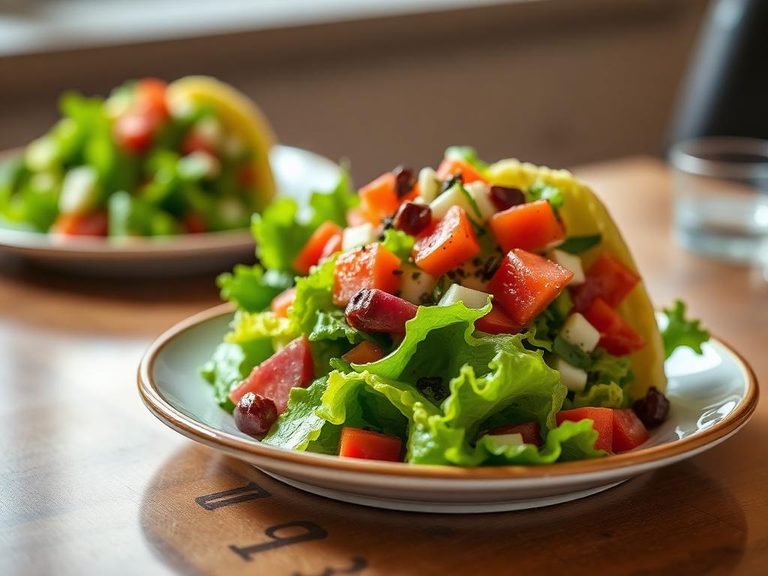
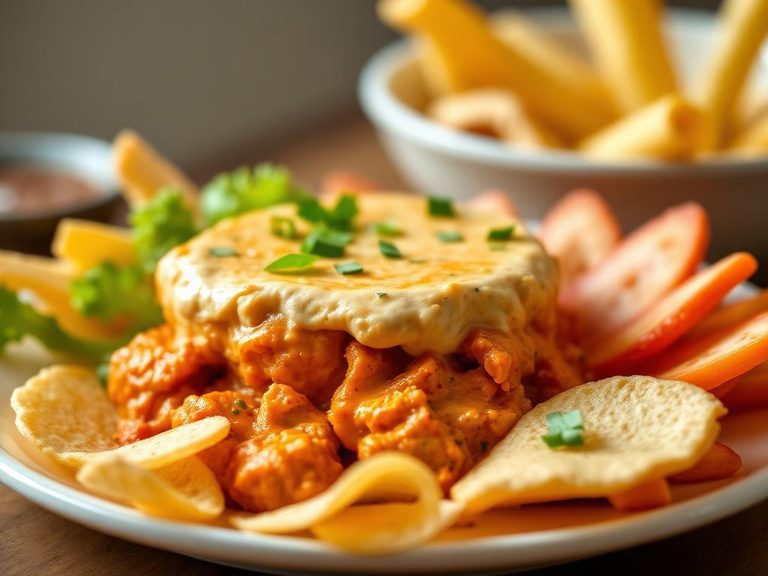
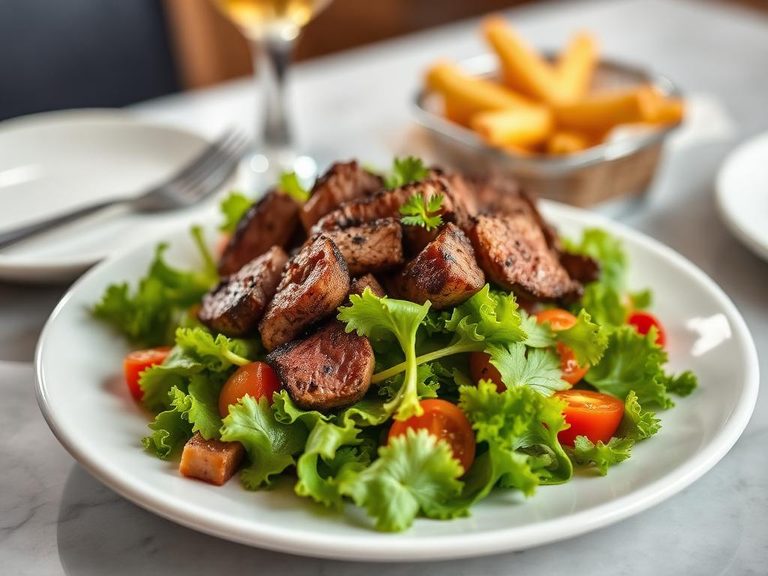
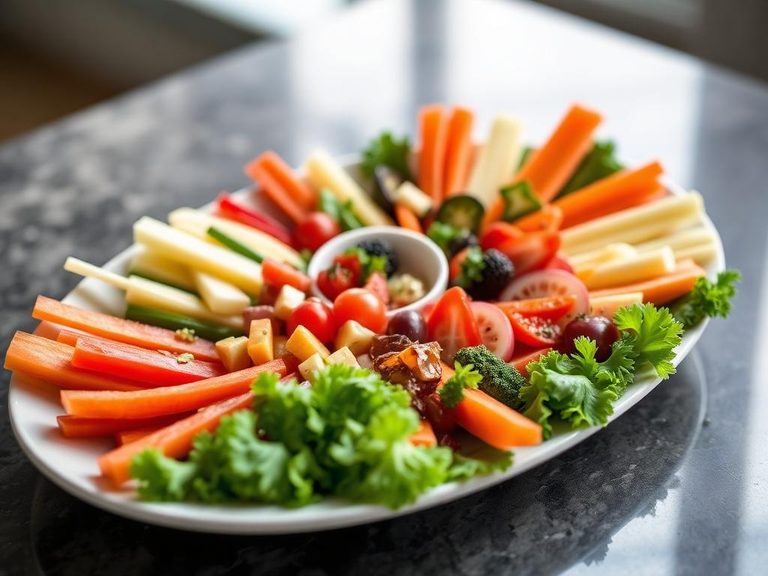
🍽️ Popular dishes

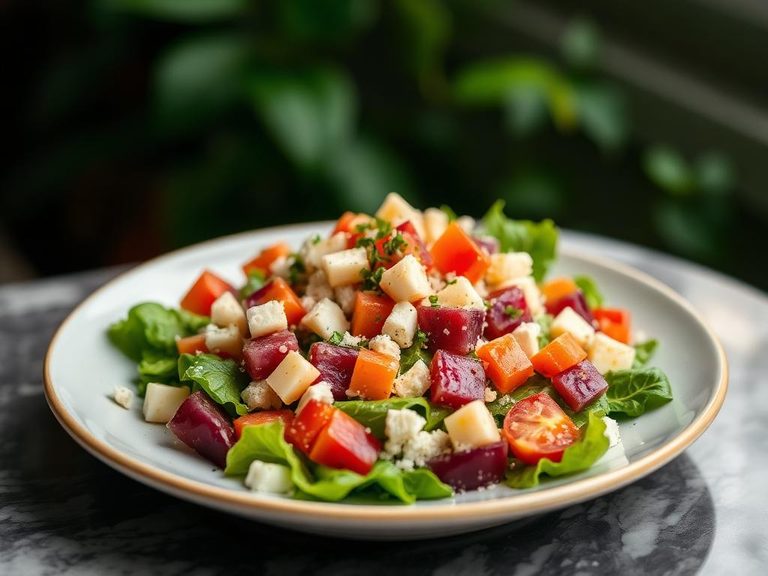
🌍 Where it's eaten
💡 Did you know?
True Roquefort dressing must legally be made with cheese aged in the Combalou caves of Roquefort-sur-Soulzon, France, though most commercial versions use domestic blue cheese.
Full nutrition (USDA data · scales with serving)
| Water | 39.7 g |
| Energy | 484 kcal |
| Energy | 2027 kj |
| Protein | 1.4 g |
| Total lipid (fat) | 51.1 g |
| Ash | 3.2 g |
| Carbohydrate, by difference | 4.8 g |
| Fiber, total dietary | 0.40 g |
| Total Sugars | 3.5 g |
| Calcium, Ca | 37.0 mg |
| Iron, Fe | 0.09 mg |
| Magnesium, Mg | 8.0 mg |
| Phosphorus, P | 74.0 mg |
| Potassium, K | 88.0 mg |
| Sodium, Na | 642 mg |
| Zinc, Zn | 0.21 mg |
| Copper, Cu | 0.01 mg |
| Manganese, Mn | 0.01 mg |
| Selenium, Se | 1.0 ug |
| Fluoride, F | 27.0 ug |
| Vitamin C, total ascorbic acid | 0.70 mg |
| Thiamin | 0.01 mg |
| Riboflavin | 0.10 mg |
| Niacin | 0.10 mg |
| Pantothenic acid | 0.39 mg |
| Vitamin B-6 | 0.04 mg |
| Folate, total | 5.0 ug |
| Folic acid | 0.00 ug |
| Folate, food | 5.0 ug |
| Folate, DFE | 5.0 ug |
| Choline, total | 17.9 mg |
| Betaine | 2.5 mg |
| Vitamin B-12 | 0.27 ug |
| Vitamin B-12, added | 0.00 ug |
| Vitamin A, RAE | 14.0 ug |
| Retinol | 14.0 ug |
| Carotene, beta | 4.0 ug |
| Carotene, alpha | 1.0 ug |
| Cryptoxanthin, beta | 1.0 ug |
| Vitamin A, IU | 73.0 iu |
| Lycopene | 0.00 ug |
| Lutein + zeaxanthin | 26.0 ug |
| Vitamin E (alpha-tocopherol) | 4.3 mg |
| Vitamin E, added | 0.00 mg |
| Vitamin D (D2 + D3), International Units | 3.0 iu |
| Vitamin D (D2 + D3) | 0.10 ug |
| Vitamin K (phylloquinone) | 85.9 ug |
| Vitamin K (Dihydrophylloquinone) | 0.00 ug |
| Vitamin K (Menaquinone-4) | 0.00 ug |
| Alcohol, ethyl | 0.00 g |
| Caffeine | 0.00 mg |
| Theobromine | 0.00 mg |
Fat & fatty acid profile (per 100g)
| Fatty acids, total saturated | 8.3 g |
| SFA 4:0 | 0.02 g |
| SFA 6:0 | 0.01 g |
| SFA 8:0 | 0.01 g |
| SFA 10:0 | 0.01 g |
| SFA 12:0 | 0.01 g |
| SFA 14:0 | 0.08 g |
| SFA 16:0 | 5.3 g |
| SFA 18:0 | 2.4 g |
| Fatty acids, total monounsaturated | 13.3 g |
| MUFA 16:1 | 0.04 g |
| MUFA 18:1 | 13.1 g |
| MUFA 20:1 | 0.11 g |
| MUFA 22:1 | 0.00 g |
| Fatty acids, total polyunsaturated | 27.5 g |
| PUFA 18:2 | 24.3 g |
| PUFA 18:3 | 3.2 g |
| PUFA 18:4 | 0.00 g |
| PUFA 20:4 | 0.01 g |
| PUFA 20:5 n-3 (EPA) | 0.00 g |
| PUFA 22:5 n-3 (DPA) | 0.00 g |
| PUFA 22:6 n-3 (DHA) | 0.00 g |
| Fatty acids, total trans | 1.3 g |
| Cholesterol | 31.0 mg |
Amino acid profile (per 100g)
Estimated from Salad dressing, sesame seed dressing, regular — USDA does not publish this profile for Salad dressing.
| Tryptophan | 0.05 g |
| Threonine | 0.05 g |
| Isoleucine | 0.05 g |
| Leucine | 0.08 g |
| Lysine | 0.14 g |
| Methionine | 0.03 g |
| Cystine | 0.00 g |
| Phenylalanine | 0.09 g |
| Tyrosine | 0.10 g |
| Valine | 0.07 g |
| Arginine | 0.40 g |
| Histidine | 0.03 g |
| Alanine | 0.00 g |
| Aspartic acid | 0.00 g |
| Glutamic acid | 0.46 g |
| Glycine | 0.00 g |
| Proline | 0.00 g |
| Serine | 0.00 g |
FAQ
Is blue cheese dressing the same as ranch dressing?
No. While both are creamy, blue cheese dressing is defined by its pungent, mold-ripened cheese, giving it a tangy, salty, and sharp flavor. Ranch is herb-forward, with a milder, garlic-and-onion profile.
Can I use it as a marinade?
Yes, but sparingly. Its high fat content can prevent direct charring, so it's better for flavoring before grilling or as a finishing sauce. The acidity can also help tenderize meats.
How long does opened commercial blue cheese dressing last?
Check the label, but generally, it should be consumed within a week or two after opening and kept refrigerated. The high fat and low water activity help preserve it, but it's still a dairy product.
Nutrient density (calculated · NRF9.3)
Nutrient Rich Foods index: beneficial nutrients (protein, fiber, vitamins, minerals) minus saturated fat, added sugar & sodium, per 100 kcal.
NRF9.3 index — Fulgoni, Keast & Drewnowski, 2009. Computed from USDA nutrients.
Weight-loss friendliness (composite index)
Energy density 4.84 kcal/g · 1% calories from protein · 0.4 g fiber · 3.5 g sugar per 100 g.
Composite of energy density (Rolls et al., 1999), protein & fiber satiety, minus sugar. A calculated heuristic — ranks satiety-per-calorie, not a clinical measure.
Dietary load (calculated from USDA values)
Potential renal acid load. Positive = acid-forming, negative = alkaline-forming.
Sodium-to-potassium ratio: 7.30 (lower is better — aim for ≤ 1)
Sodium:potassium per WHO potassium guidance. Computed from USDA nutrients.