

Pork, cured, ham, whole, separable lean only, unheated
Whole food · Pork Products

Photo: Wikipedia
This is a lean, unheated cut of cured ham, prized for its firm, dense texture and concentrated, salty-savory flavor. With an exceptionally high protein content (22.32g per 100g) and virtually no carbohydrates or fat, it's a powerhouse for muscle maintenance and low-carb diets. Its deep pink hue and smooth, sliceable surface are hallmarks of careful curing and aging.
Calorie split: 63% protein · 0% carbs · 36% fat
↓ Full nutrition💚 Why it's loved
People adore it for its intense, savory umami depth and satisfying, meaty chew that elevates simple dishes. Its incredible versatility—from a standalone snack to a sandwich star or salad enhancer—makes it a beloved staple in many cuisines.
⚠️ Watch-outs & how to enjoy it better
The primary concern is its high sodium content from the curing process, which can contribute to water retention and is a consideration for those monitoring blood pressure. To counteract this, pair it with potassium-rich foods like leafy greens or avocado, and be mindful of portion sizes. Those on strict low-sodium diets should consult a healthcare provider.
Key benefits
- Excellent source of high-quality protein for muscle repair and satiety
- Very low in carbohydrates and sugars, suitable for ketogenic and low-carb diets
- Provides essential minerals like zinc and B vitamins (especially B1 and B6)
- Long shelf life due to curing, reducing food waste
- Requires no cooking, offering instant, high-protein meal preparation
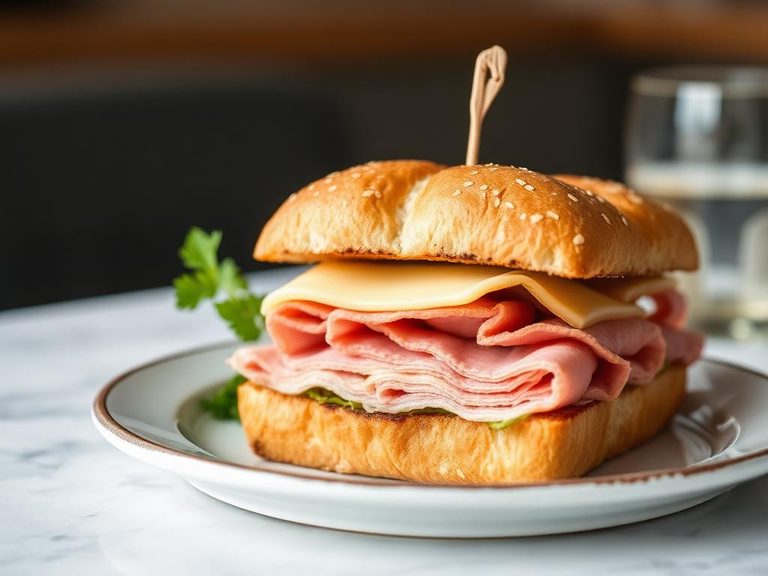
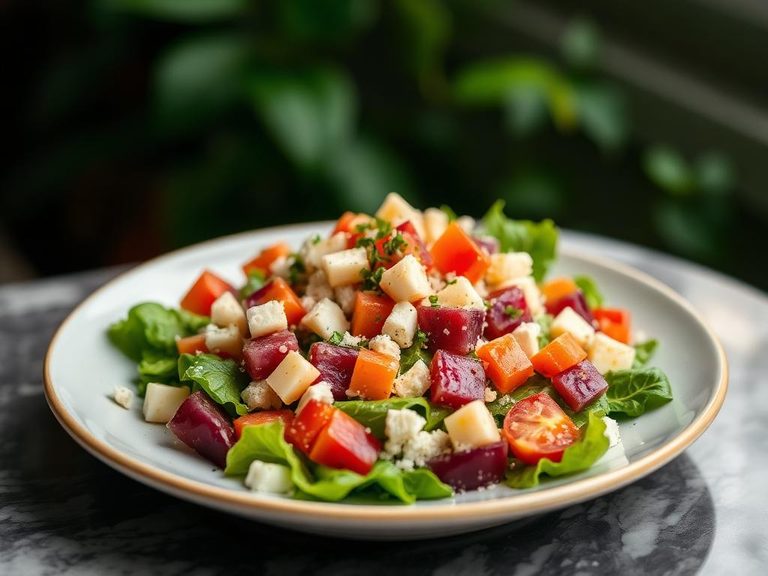
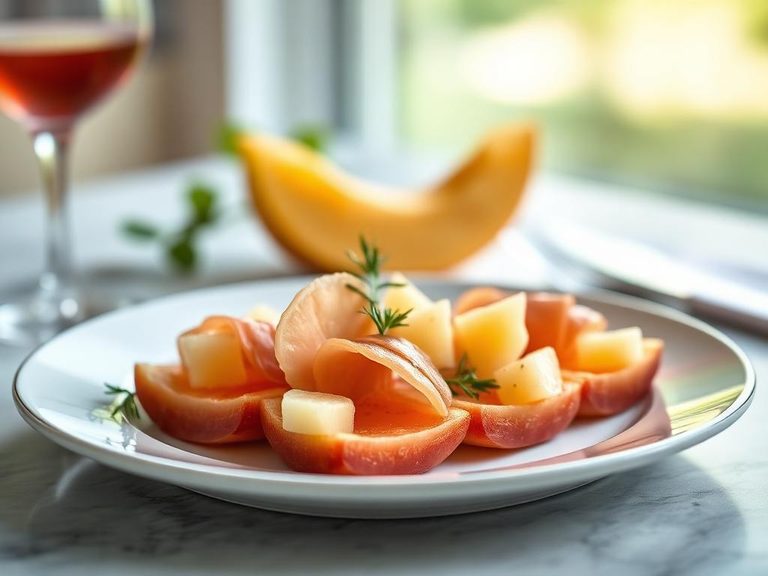
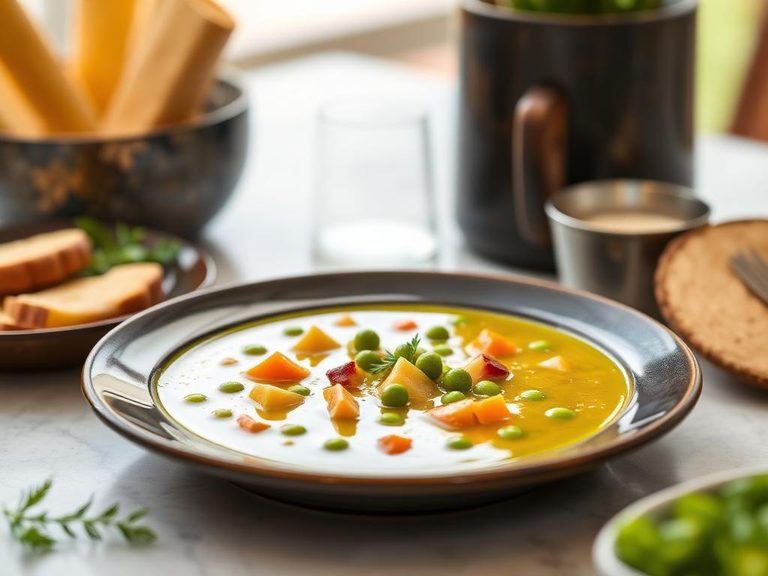
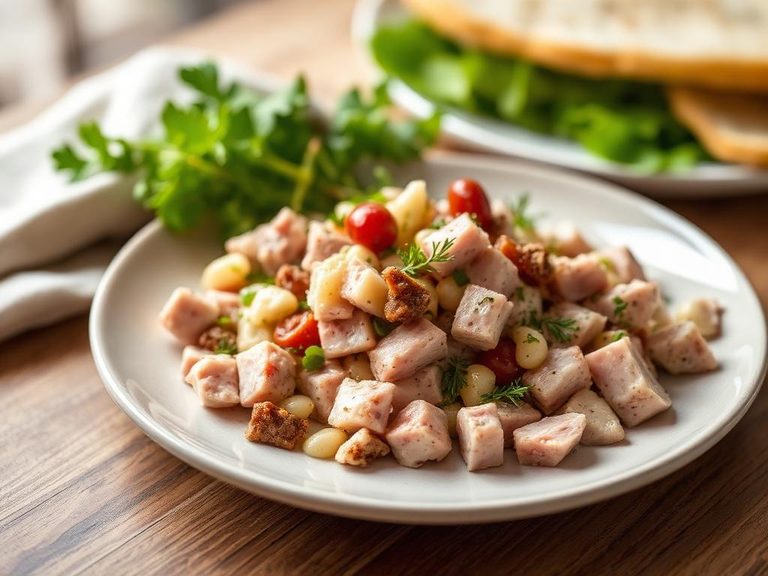
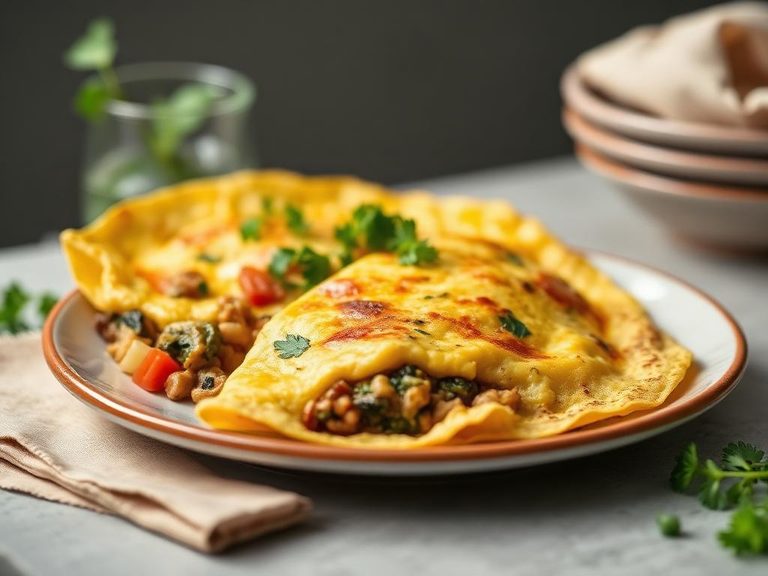
🍽️ Popular dishes
🌍 Where it's eaten
💡 Did you know?
The process of curing ham with salt was historically so valuable that ham legs were sometimes used as currency or collateral for loans in parts of Europe.
Full nutrition (USDA data · scales with serving)
| Water | 68.3 g |
| Energy | 147 kcal |
| Energy | 615 kj |
| Protein | 22.3 g |
| Total lipid (fat) | 5.7 g |
| Ash | 3.7 g |
| Carbohydrate, by difference | 0.05 g |
| Fiber, total dietary | 0.00 g |
| Total Sugars | 0.00 g |
| Calcium, Ca | 7.0 mg |
| Iron, Fe | 0.81 mg |
| Magnesium, Mg | 18.0 mg |
| Phosphorus, P | 232 mg |
| Potassium, K | 371 mg |
| Sodium, Na | 1516 mg |
| Zinc, Zn | 2.0 mg |
| Copper, Cu | 0.08 mg |
| Manganese, Mn | 0.04 mg |
| Selenium, Se | 18.8 ug |
| Vitamin C, total ascorbic acid | 0.00 mg |
| Thiamin | 0.93 mg |
| Riboflavin | 0.23 mg |
| Niacin | 5.3 mg |
| Pantothenic acid | 0.54 mg |
| Vitamin B-6 | 0.53 mg |
| Folate, total | 4.0 ug |
| Folic acid | 0.00 ug |
| Folate, food | 4.0 ug |
| Folate, DFE | 4.0 ug |
| Choline, total | 84.7 mg |
| Betaine | 5.6 mg |
| Vitamin B-12 | 0.87 ug |
| Vitamin B-12, added | 0.00 ug |
| Vitamin A, RAE | 0.00 ug |
| Retinol | 0.00 ug |
| Carotene, beta | 0.00 ug |
| Carotene, alpha | 0.00 ug |
| Cryptoxanthin, beta | 0.00 ug |
| Vitamin A, IU | 0.00 iu |
| Lycopene | 0.00 ug |
| Lutein + zeaxanthin | 0.00 ug |
| Vitamin E (alpha-tocopherol) | 0.20 mg |
| Vitamin E, added | 0.00 mg |
| Vitamin D (D2 + D3), International Units | 27.0 iu |
| Vitamin D (D2 + D3) | 0.70 ug |
| Vitamin D3 (cholecalciferol) | 0.70 ug |
| Vitamin K (phylloquinone) | 0.00 ug |
| Vitamin K (Dihydrophylloquinone) | 0.00 ug |
| Alcohol, ethyl | 0.00 g |
| Caffeine | 0.00 mg |
| Theobromine | 0.00 mg |
Fat & fatty acid profile (per 100g)
| Fatty acids, total saturated | 1.9 g |
| SFA 4:0 | 0.00 g |
| SFA 6:0 | 0.00 g |
| SFA 8:0 | 0.00 g |
| SFA 10:0 | 0.02 g |
| SFA 12:0 | 0.02 g |
| SFA 14:0 | 0.07 g |
| SFA 16:0 | 1.2 g |
| SFA 18:0 | 0.59 g |
| Fatty acids, total monounsaturated | 2.6 g |
| MUFA 16:1 | 0.22 g |
| MUFA 18:1 | 2.4 g |
| MUFA 20:1 | 0.00 g |
| MUFA 22:1 | 0.00 g |
| Fatty acids, total polyunsaturated | 0.66 g |
| PUFA 18:2 | 0.52 g |
| PUFA 18:3 | 0.06 g |
| PUFA 18:4 | 0.00 g |
| PUFA 20:4 | 0.07 g |
| PUFA 20:5 n-3 (EPA) | 0.00 g |
| PUFA 22:5 n-3 (DPA) | 0.00 g |
| PUFA 22:6 n-3 (DHA) | 0.00 g |
| Cholesterol | 52.0 mg |
| Phytosterols | 0.00 mg |
Amino acid profile (per 100g)
| Tryptophan | 0.27 g |
| Threonine | 0.99 g |
| Isoleucine | 0.98 g |
| Leucine | 1.8 g |
| Lysine | 1.9 g |
| Methionine | 0.59 g |
| Cystine | 0.34 g |
| Phenylalanine | 0.96 g |
| Tyrosine | 0.73 g |
| Valine | 0.97 g |
| Arginine | 1.4 g |
| Histidine | 0.80 g |
| Alanine | 1.3 g |
| Aspartic acid | 2.1 g |
| Glutamic acid | 3.6 g |
| Glycine | 1.2 g |
| Proline | 0.95 g |
| Serine | 0.91 g |
FAQ
Is this ham safe to eat without heating it?
Yes, 'unheated' in this context means it is sold pre-cooked and ready-to-eat after the curing and aging process. It is safe to consume cold, as in sandwiches or salads.
How does the nutrition differ from cooked ham?
This 'separable lean only' cut is trimmed of fat, resulting in significantly lower fat and calorie content than many cooked hams which may include a fat cap or glaze with added sugars.
What's the best way to store it?
Keep it tightly wrapped in its original packaging or in an airtight container in the refrigerator. It can also be sliced and frozen for longer-term storage (up to 2 months).
Nutrient density (calculated · NRF9.3)
Nutrient Rich Foods index: beneficial nutrients (protein, fiber, vitamins, minerals) minus saturated fat, added sugar & sodium, per 100 kcal.
NRF9.3 index — Fulgoni, Keast & Drewnowski, 2009. Computed from USDA nutrients.
Weight-loss friendliness (composite index)
Energy density 1.47 kcal/g · 61% calories from protein · 0.0 g fiber · 0.0 g sugar per 100 g.
Composite of energy density (Rolls et al., 1999), protein & fiber satiety, minus sugar. A calculated heuristic — ranks satiety-per-calorie, not a clinical measure.
Dietary load (calculated from USDA values)
Potential renal acid load. Positive = acid-forming, negative = alkaline-forming.
Sodium-to-potassium ratio: 4.09 (lower is better — aim for ≤ 1)
Sodium:potassium per WHO potassium guidance. Computed from USDA nutrients.