

Omelet or frittata filling
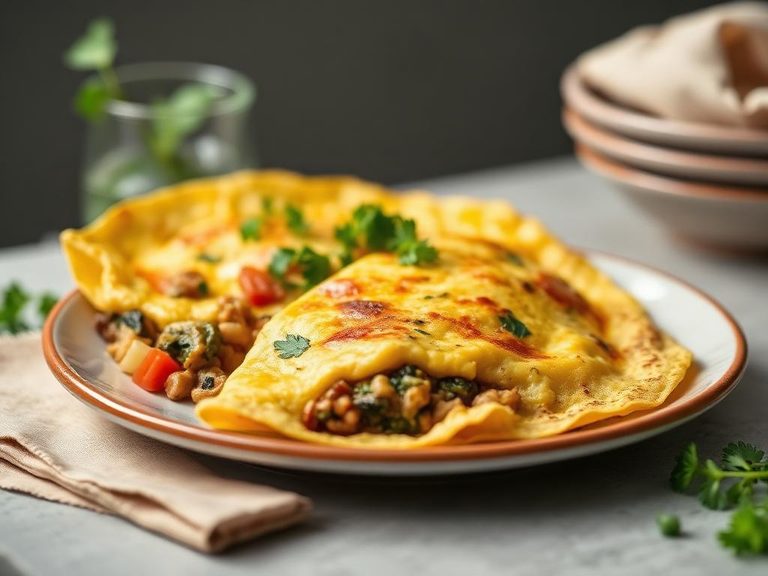
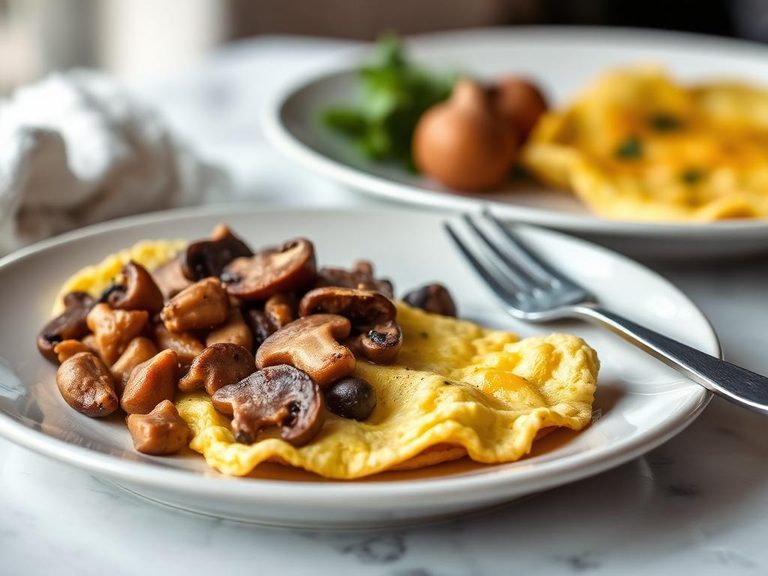
An omelet or frittata filling refers to the versatile mix of ingredients—such as vegetables, cheeses, meats, or herbs—that are cooked inside or folded into these egg-based dishes. Originating from various culinary traditions, with the frittata being a classic Italian staple and the omelet having French roots, the fillings are chosen for their complementary flavors and textures. This makes them a popular choice for breakfast, brunch, or a quick, satisfying meal.
🍳 View the full Omelet or frittata filling recipe →
🍽️ Nutrition at a glance
The filling itself is typically high in protein and healthy fats, depending on the ingredients like eggs, cheese, and meats, while being low in carbohydrates unless starchy vegetables or bread are added. Key nutrients include protein, vitamins A and D from eggs, and various minerals from vegetables like spinach or peppers. A typical serving with a generous filling can range from 200 to 400 calories, depending on portion size and specific ingredients used.
Nutrition breakdown
| Calories | 190 kcal |
| Protein | 14 g |
| Carbs | 3 g |
| Fat | 14 g |
| Fiber | 1 g |
| Sugar | 2 g |
| Sodium | 450 mg |
| Vitamin A | 250 mcg RAE |
| Vitamin D | 1.5 mcg |
| Vitamin B12 | 0.8 mcg |
| Riboflavin (B2) | 0.3 mg |
| Selenium | 18 mcg |
| Phosphorus | 200 mg |
| Choline | 180 mg |
| Iron | 1.5 mg |
Per 1 cup (240 g) · estimated, varies by recipe
💡 What's interesting
What makes omelet or frittata fillings culturally interesting is their adaptability to local ingredients and tastes, from Mediterranean herbs and cheeses in Italy to spicy peppers and chorizo in Spanish versions. Nutritionally, they offer a balanced way to incorporate a wide variety of vegetables and proteins into a single meal, making them a practical and customizable option for diverse dietary preferences.
🍽️ Related dishes




AI estimate may be inaccurate · Terms