

Oil, industrial, soy, fully hydrogenated
Whole food · Fats and Oils

Photo: Wikipedia
This is a highly processed, solid fat derived from soybeans that have been subjected to high-pressure hydrogenation, transforming liquid oil into a firm, white, waxy substance. It has a neutral flavor and a smooth, shortening-like texture, making it a functional ingredient rather than a flavor component. Nutritionally, it is 100% fat, providing 884 kcal per 100g with no protein, carbs, or micronutrients.
Calorie split: 0% protein · 0% carbs · 100% fat
↓ Full nutrition💚 Why it's loved
Food manufacturers and bakers value it for its ability to create consistent, stable textures in products like pie crusts, biscuits, and crackers, and for its long shelf life in processed foods. Its neutral taste allows it to be used without altering the intended flavor profile of a product.
⚠️ Watch-outs & how to enjoy it better
As a fully hydrogenated oil, it contains very high levels of saturated fat and may contain trace trans fats from processing, which are linked to increased cardiovascular risk. It offers no nutritional benefits beyond calories. To mitigate, consumers should treat it as an occasional ingredient, prioritize minimally processed fats like olive or avocado oil for home cooking, and read labels to limit intake of products containing it.
Key benefits
- Provides a very high smoke point for frying
- Creates a flaky, tender texture in baked goods
- Offers excellent oxidative stability for shelf life
- Acts as a cost-effective solid fat for industrial food production
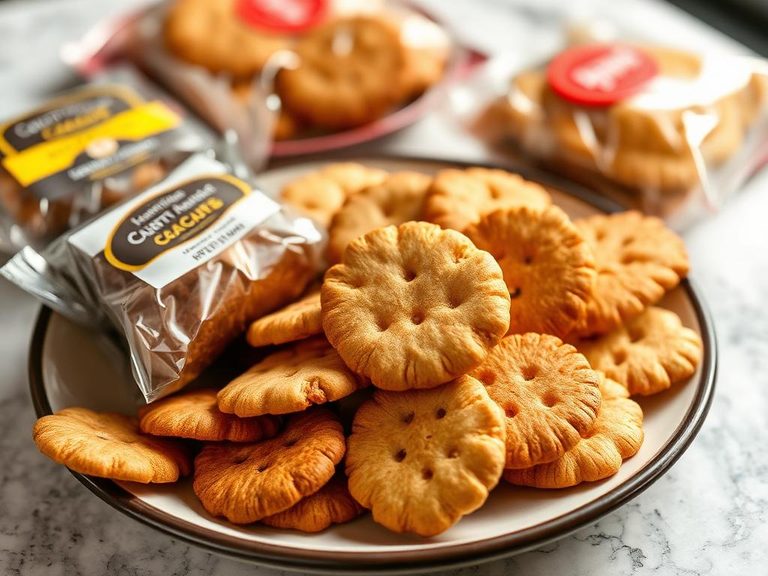
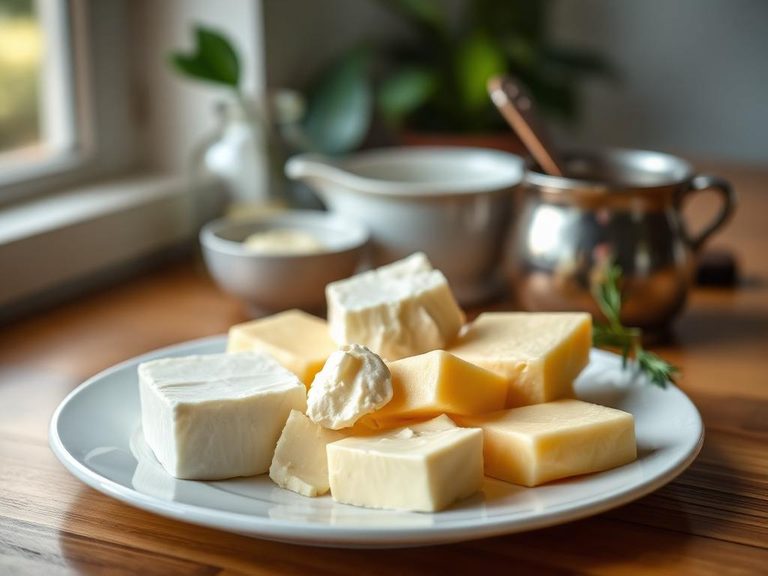
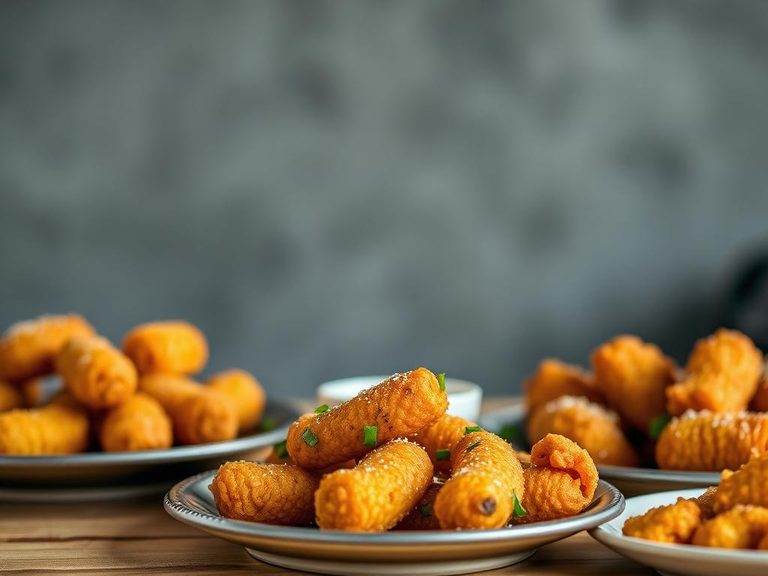
🍽️ Popular dishes


🌍 Where it's eaten
💡 Did you know?
Full hydrogenation is a specific chemical process that saturates nearly all the double bonds in the oil's fatty acid chains, making it solid at room temperature and extremely resistant to going rancid.
Full nutrition (USDA data · scales with serving)
| Water | 0.00 g |
| Energy | 884 kcal |
| Energy | 3699 kj |
| Protein | 0.00 g |
| Total lipid (fat) | 100 g |
| Ash | 0.00 g |
| Carbohydrate, by difference | 0.00 g |
| Fiber, total dietary | 0.00 g |
| Total Sugars | 0.00 g |
| Calcium, Ca | 0.00 mg |
| Iron, Fe | 0.05 mg |
| Magnesium, Mg | 0.00 mg |
| Phosphorus, P | 0.00 mg |
| Potassium, K | 0.00 mg |
| Sodium, Na | 0.00 mg |
| Zinc, Zn | 0.01 mg |
| Copper, Cu | 0.00 mg |
| Selenium, Se | 0.00 ug |
| Vitamin C, total ascorbic acid | 0.00 mg |
| Thiamin | 0.00 mg |
| Riboflavin | 0.00 mg |
| Niacin | 0.00 mg |
| Vitamin B-6 | 0.00 mg |
| Folate, total | 0.00 ug |
| Folic acid | 0.00 ug |
| Folate, food | 0.00 ug |
| Folate, DFE | 0.00 ug |
| Choline, total | 0.20 mg |
| Vitamin B-12 | 0.00 ug |
| Vitamin B-12, added | 0.00 ug |
| Vitamin A, RAE | 0.00 ug |
| Retinol | 0.00 ug |
| Carotene, beta | 0.00 ug |
| Carotene, alpha | 0.00 ug |
| Cryptoxanthin, beta | 0.00 ug |
| Vitamin A, IU | 0.00 iu |
| Lycopene | 0.00 ug |
| Lutein + zeaxanthin | 0.00 ug |
| Vitamin E (alpha-tocopherol) | 8.2 mg |
| Vitamin E, added | 0.00 mg |
| Vitamin D (D2 + D3), International Units | 0.00 iu |
| Vitamin D (D2 + D3) | 0.00 ug |
| Vitamin K (phylloquinone) | 184 ug |
| Alcohol, ethyl | 0.00 g |
| Caffeine | 0.00 mg |
| Theobromine | 0.00 mg |
Fat & fatty acid profile (per 100g)
| Fatty acids, total saturated | 94.0 g |
| SFA 4:0 | 0.00 g |
| SFA 6:0 | 0.00 g |
| SFA 8:0 | 0.00 g |
| SFA 10:0 | 0.00 g |
| SFA 12:0 | 0.00 g |
| SFA 14:0 | 0.00 g |
| SFA 16:0 | 10.0 g |
| SFA 18:0 | 83.1 g |
| SFA 20:0 | 0.38 g |
| SFA 22:0 | 0.39 g |
| SFA 24:0 | 0.10 g |
| Fatty acids, total monounsaturated | 1.3 g |
| MUFA 16:1 | 0.00 g |
| MUFA 18:1 | 1.1 g |
| MUFA 18:1 c | 0.29 g |
| MUFA 20:1 | 0.19 g |
| MUFA 22:1 | 0.00 g |
| Fatty acids, total polyunsaturated | 0.38 g |
| PUFA 18:2 | 0.19 g |
| PUFA 18:3 | 0.19 g |
| PUFA 18:3 n-3 c,c,c (ALA) | 0.10 g |
| PUFA 18:3i | 0.10 g |
| PUFA 18:4 | 0.00 g |
| PUFA 20:4 | 0.00 g |
| PUFA 20:5 n-3 (EPA) | 0.00 g |
| PUFA 22:5 n-3 (DPA) | 0.00 g |
| PUFA 22:6 n-3 (DHA) | 0.00 g |
| Fatty acids, total trans | 1.1 g |
| Fatty acids, total trans-monoenoic | 0.86 g |
| TFA 18:1 t | 0.86 g |
| TFA 18:2 t not further defined | 0.19 g |
| Fatty acids, total trans-polyenoic | 0.29 g |
| Cholesterol | 0.00 mg |
Amino acid profile (per 100g)
Estimated from Oil, safflower, salad or cooking, high oleic (primary safflower oil of commerce) — USDA does not publish this profile for Oil.
| Tryptophan | 0.00 g |
| Threonine | 0.00 g |
| Isoleucine | 0.00 g |
| Leucine | 0.00 g |
| Lysine | 0.00 g |
| Methionine | 0.00 g |
| Cystine | 0.00 g |
| Phenylalanine | 0.00 g |
| Tyrosine | 0.00 g |
| Valine | 0.00 g |
| Arginine | 0.00 g |
| Histidine | 0.00 g |
| Alanine | 0.00 g |
| Aspartic acid | 0.00 g |
| Glutamic acid | 0.00 g |
| Glycine | 0.00 g |
| Proline | 0.00 g |
| Serine | 0.00 g |
FAQ
Is this the same as partially hydrogenated oil?
No. Fully hydrogenated oil is saturated and solid, while partially hydrogenated oil is the primary source of artificial trans fats. Fully hydrogenated oils are often blended with liquid oils to create trans-fat-free shortenings.
Why is it used if it's not healthy?
It is used for its functional properties: it provides a solid, stable fat that improves texture, mouthfeel, and shelf life in processed foods at a lower cost than many natural solid fats.
Can I use this for home cooking?
It is not commonly sold for home use. Its high smoke point makes it technically suitable for high-heat frying, but nutritionally superior fats like refined avocado or high-oleic sunflower oil are better choices.
Nutrient density (calculated · NRF9.3)
Nutrient Rich Foods index: beneficial nutrients (protein, fiber, vitamins, minerals) minus saturated fat, added sugar & sodium, per 100 kcal.
NRF9.3 index — Fulgoni, Keast & Drewnowski, 2009. Computed from USDA nutrients.
Weight-loss friendliness (composite index)
Energy density 8.84 kcal/g · 0% calories from protein · 0.0 g fiber · 0.0 g sugar per 100 g.
Composite of energy density (Rolls et al., 1999), protein & fiber satiety, minus sugar. A calculated heuristic — ranks satiety-per-calorie, not a clinical measure.
Dietary load (calculated from USDA values)
Potential renal acid load. Positive = acid-forming, negative = alkaline-forming.
Sodium:potassium per WHO potassium guidance. Computed from USDA nutrients.