Commercial pie crusts
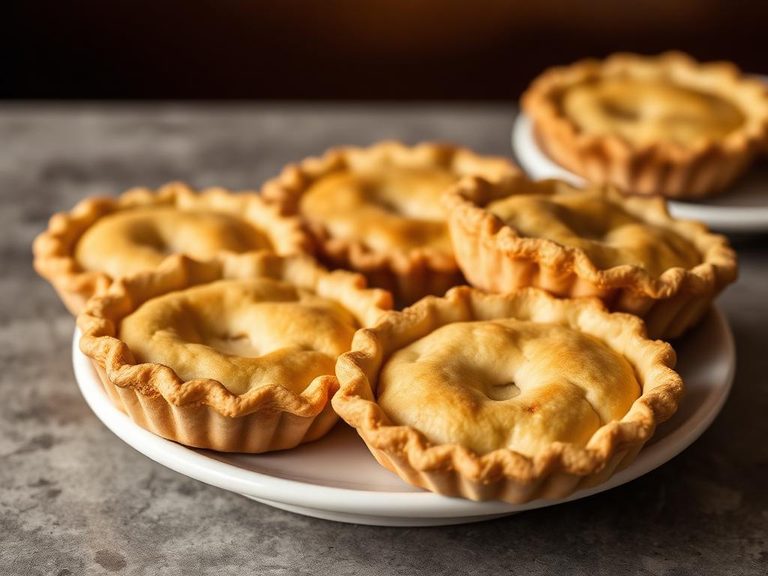
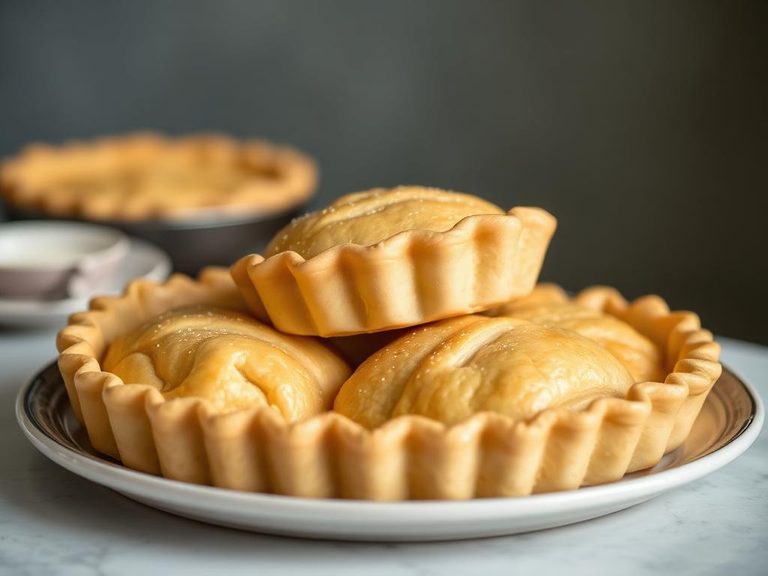
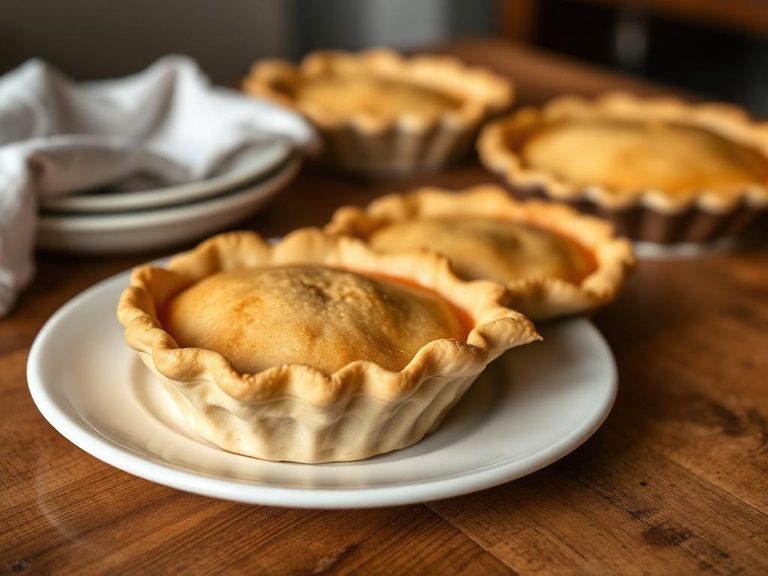
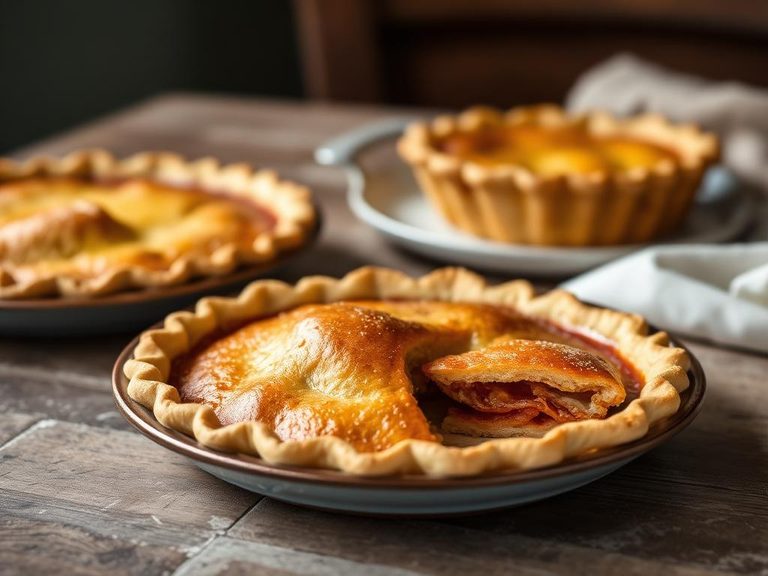
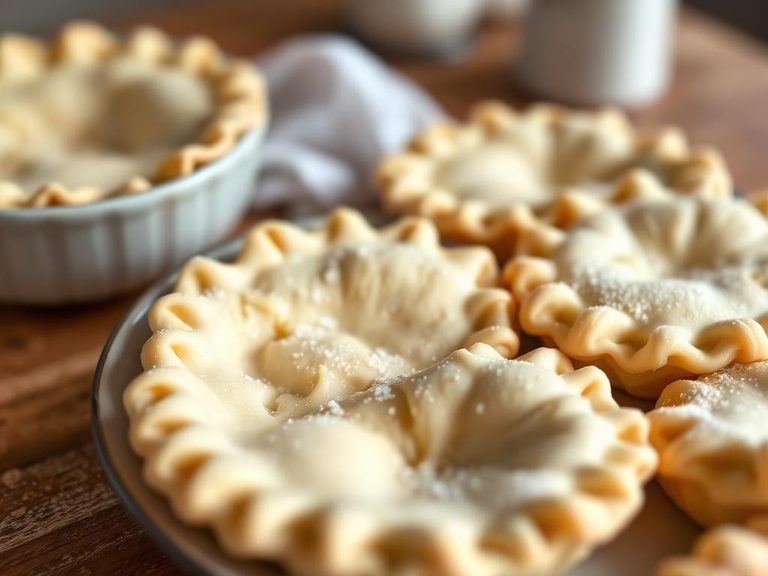
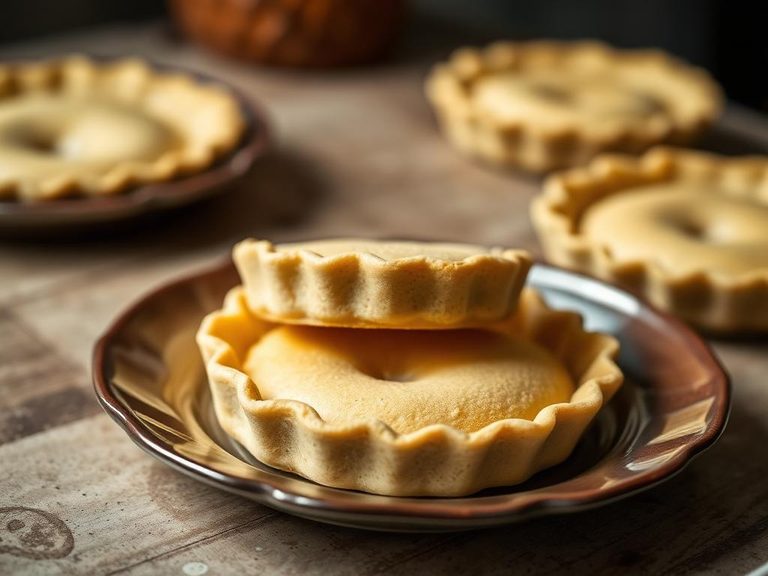
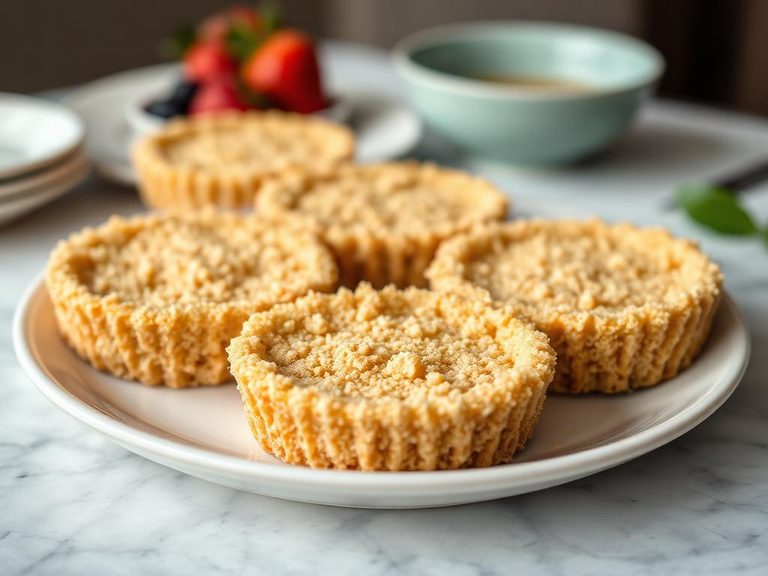
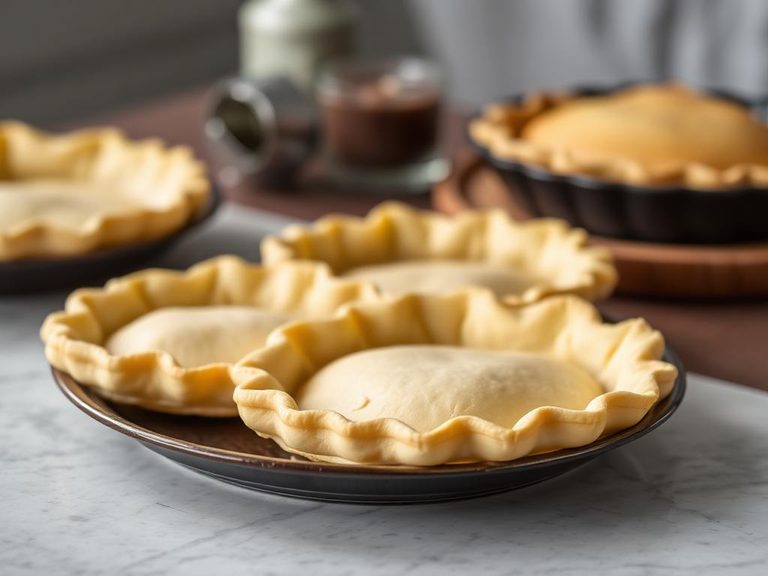
Commercial pie crusts are pre-made, ready-to-use pastry doughs sold in supermarkets, typically in rolled or pressed forms. They are primarily made from flour, fat (like butter, shortening, or lard), salt, and water, and are a staple convenience product in North American and European baking. Their origin is tied to the industrialization of food production, making home baking more accessible.
🍽️ Nutrition at a glance
These crusts are generally high in carbohydrates from flour and fat from the shortening or butter, with minimal protein. A typical single-crust serving (about 1/8 of a 9-inch crust) can provide around 100-150 calories, with a significant portion coming from fat.
Nutrition breakdown
| Calories | 680 kcal |
| Protein | 8 g |
| Carbs | 60 g |
| Fat | 45 g |
| Fiber | 2 g |
| Sugar | 2 g |
| Sodium | 700 mg |
| Iron | 4 mg |
| Thiamin (B1) | 0.4 mg |
| Niacin (B3) | 4 mg |
| Folate | 80 mcg |
| Calcium | 20 mg |
| Phosphorus | 80 mg |
| Magnesium | 15 mg |
| Potassium | 100 mg |
Per 1 crust (about 150 g) · estimated, varies by recipe
💡 What's interesting
Culturally, they represent a shift from scratch baking to convenience cooking, enabling the widespread popularity of pot pies and fruit pies. Nutritionally, the type of fat used (like hydrogenated oils) can significantly impact the crust's saturated fat content and texture.