Pie crusts and shortcrust pastry
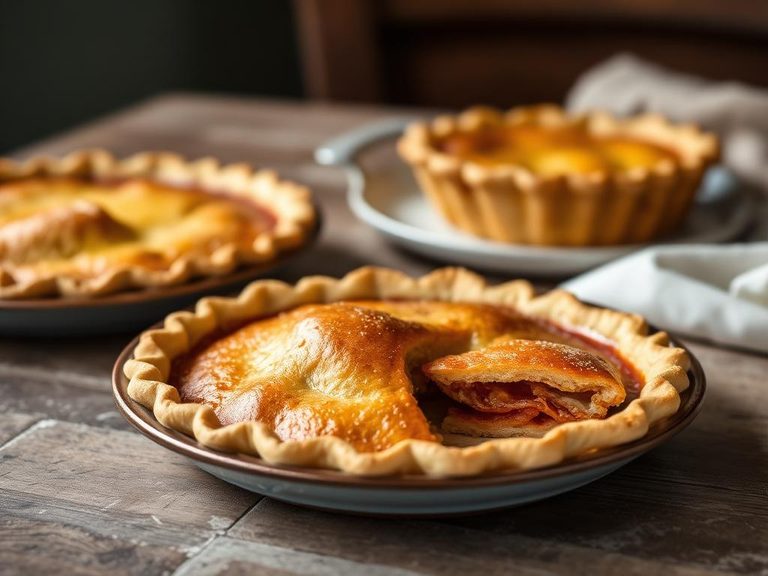
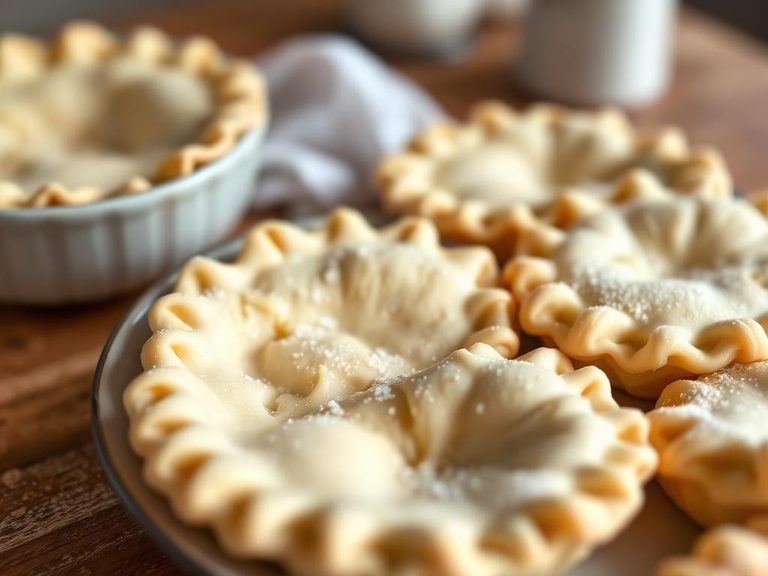
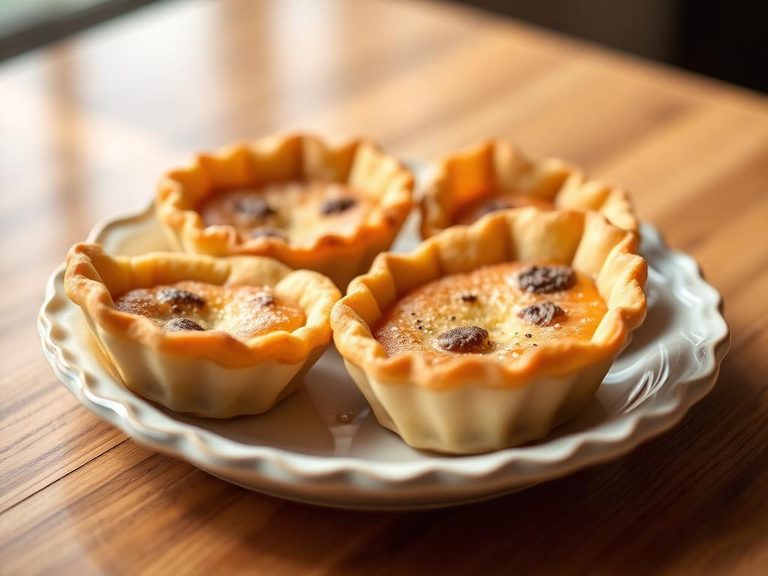
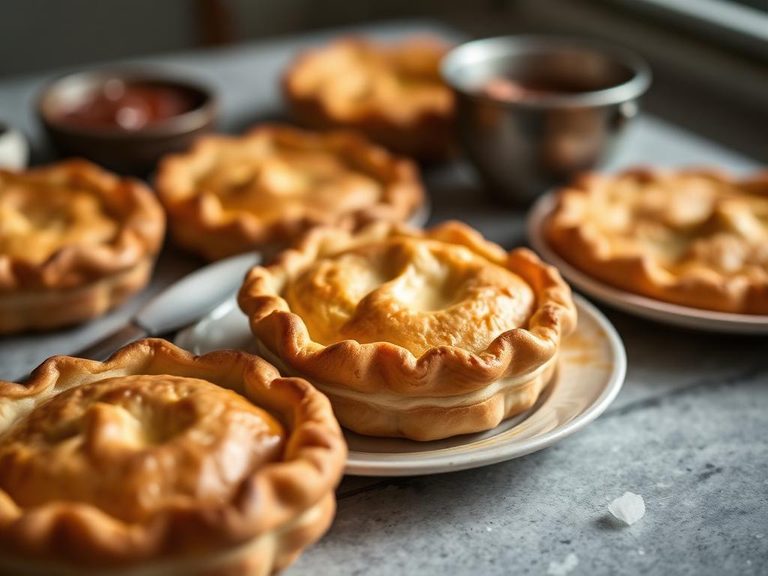
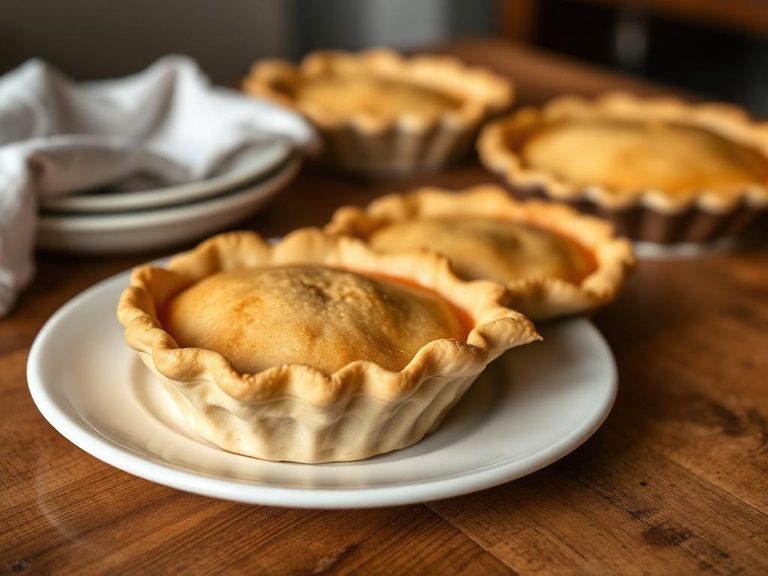
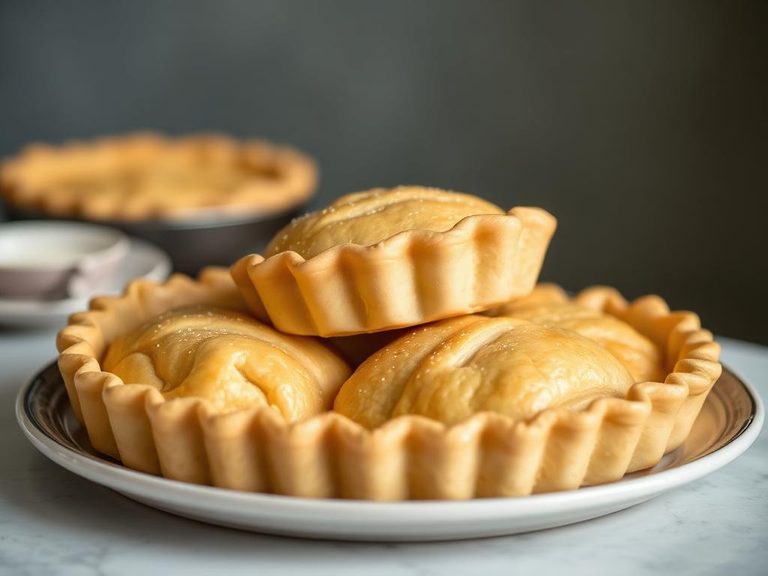
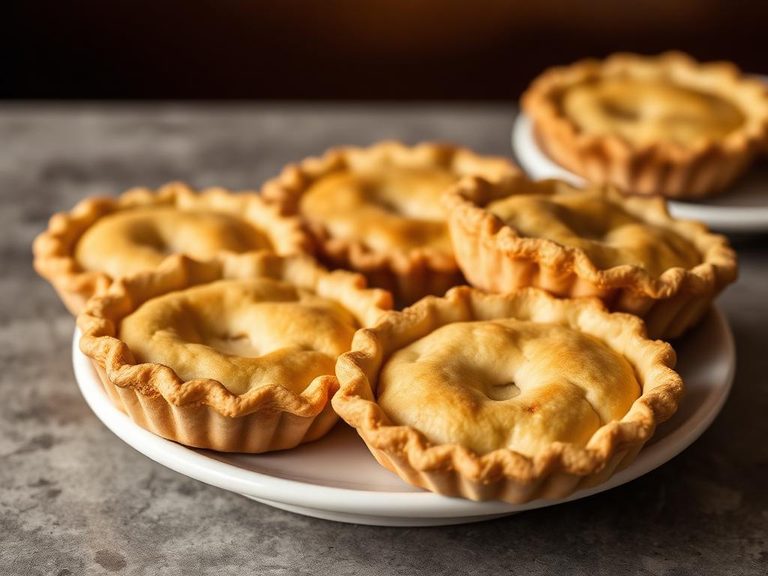
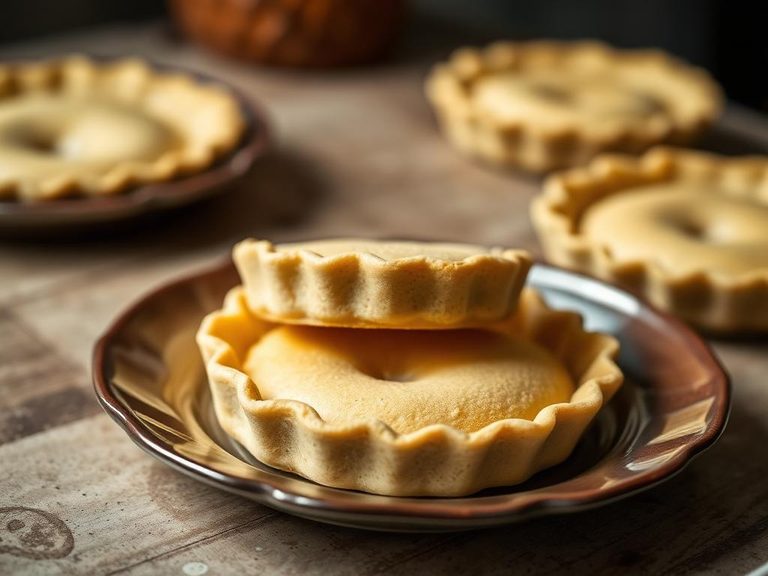
Pie crusts and shortcrust pastry are foundational baking components used as the base or casing for both sweet and savory dishes. They are typically made from flour, a solid fat like butter or lard, a small amount of cold water, and salt. Originating in Europe, particularly France and Britain, they are now a global staple in baking.
🍽️ Nutrition at a glance
This pastry is high in carbohydrates and fat, with relatively low protein. It provides energy from the flour and fats, along with small amounts of iron and B vitamins. A typical single-crust serving contains roughly 150-200 calories.
Nutrition breakdown
| Calories | 530 kcal |
| Protein | 6.5 g |
| Carbs | 45 g |
| Fat | 36 g |
| Fiber | 1.5 g |
| Sugar | 0.5 g |
| Sodium | 480 mg |
| Iron | 2.5 mg |
| Thiamin (B1) | 0.3 mg |
| Niacin (B3) | 2.8 mg |
| Folate | 65 µg |
| Phosphorus | 60 mg |
| Selenium | 12 µg |
| Manganese | 0.4 mg |
| Vitamin E | 1.8 mg |
Per 1 crust (9-inch, 1/8 of total, approx. 113 g) · estimated, varies by recipe
💡 What's interesting
The 'short' in shortcrust refers to the high fat content, which inhibits gluten formation, creating a tender, crumbly texture rather than a chewy one. Nutritionally, it's often the least nutrient-dense part of a dish, serving primarily as a flavorful, textural vessel for more nutritious fillings.