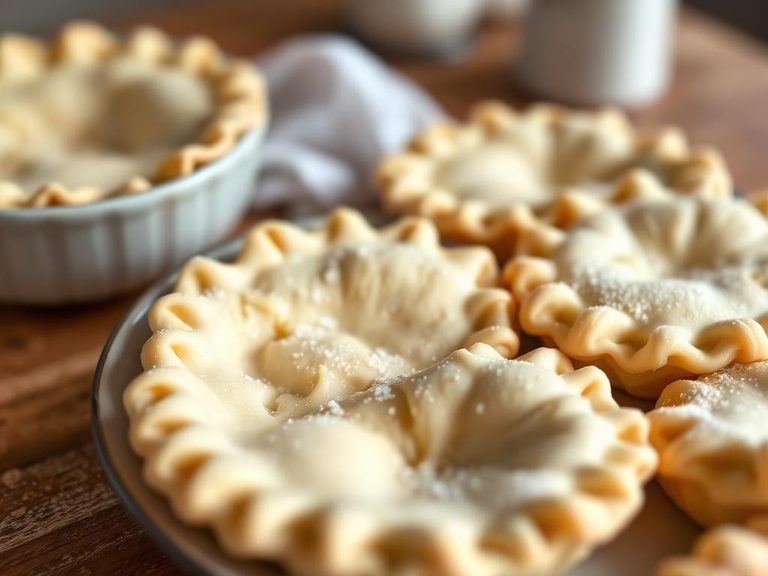
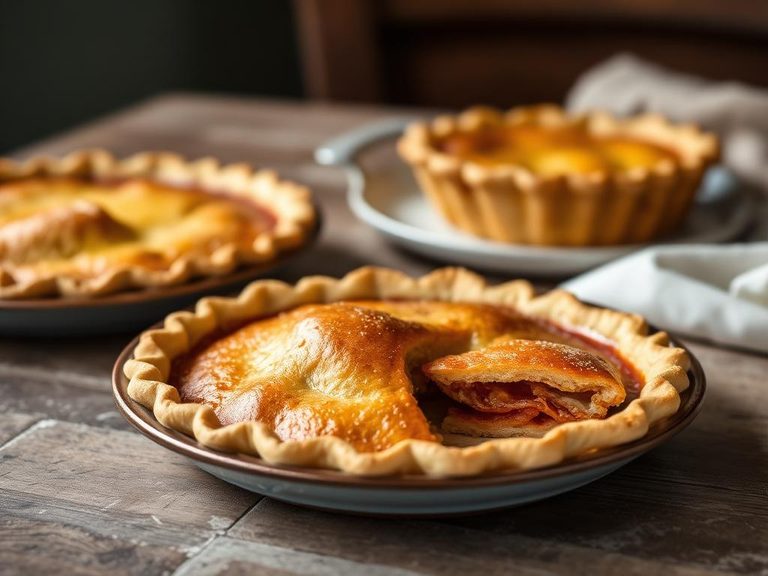
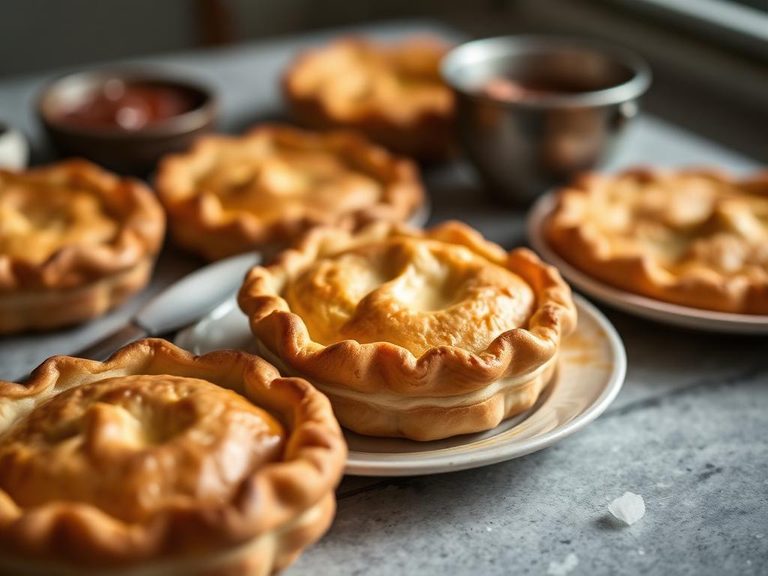
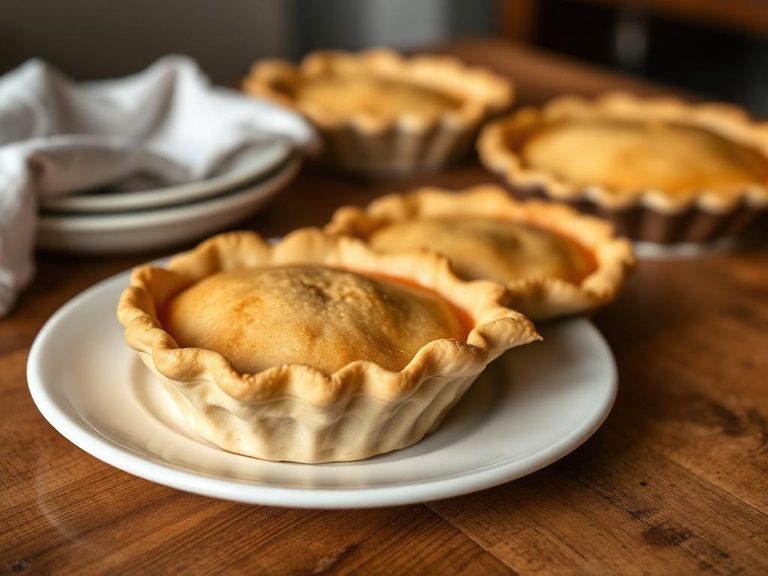
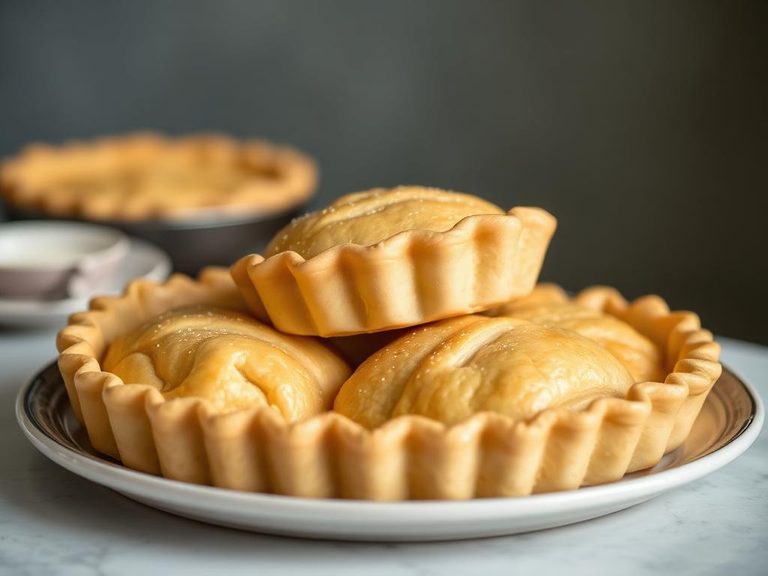
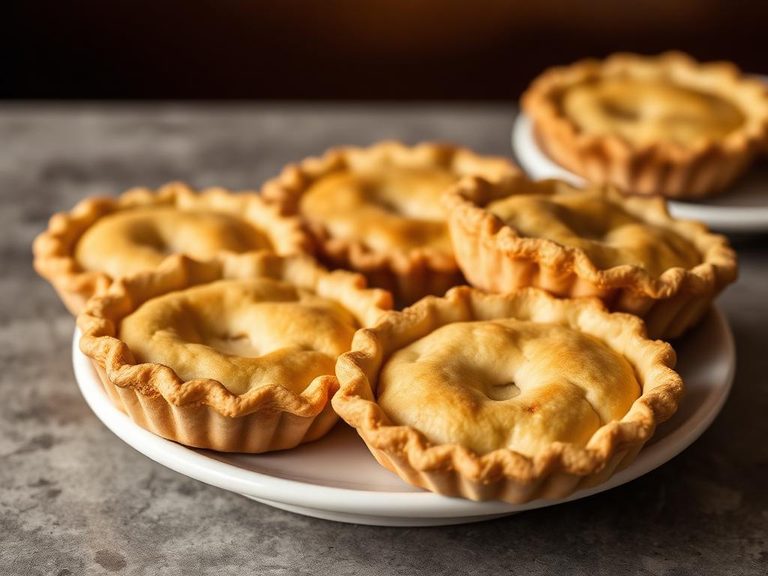
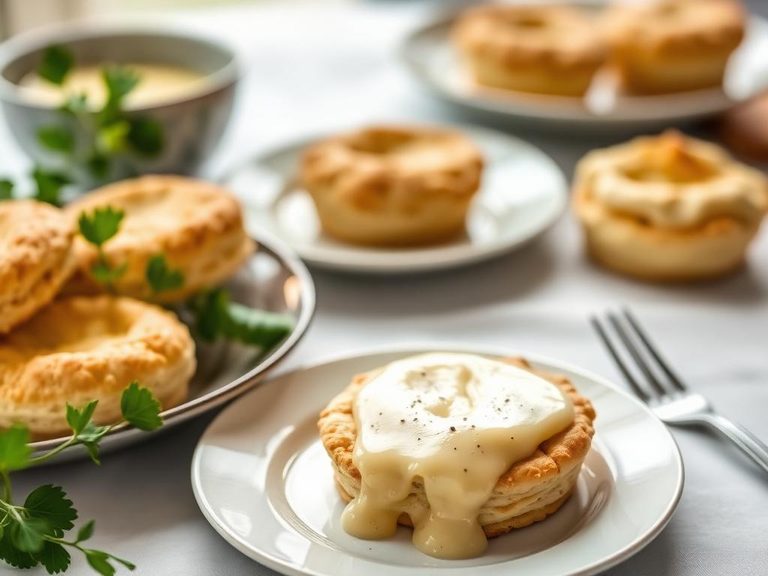
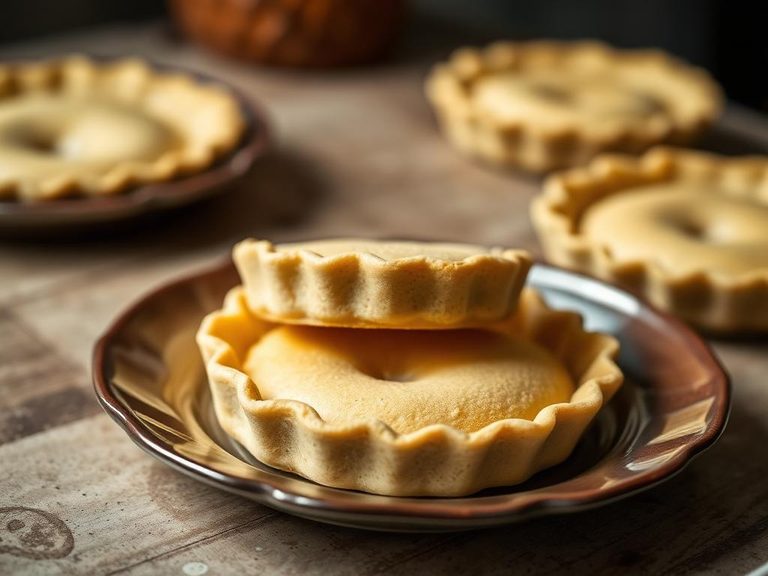
Rendered for pastry or pie crusts
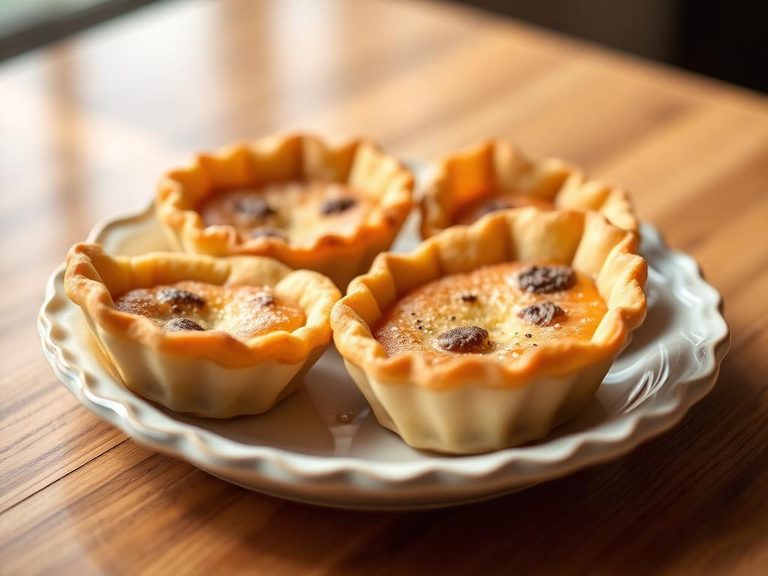
Rendered fat, such as lard, tallow, or schmaltz, is the clarified, pure fat obtained by melting down animal fat and removing impurities. It is a traditional cooking fat used globally, particularly in European, Latin American, and Asian cuisines, to create exceptionally flaky and tender pastry or pie crusts. The process of rendering transforms raw fat into a stable, versatile ingredient with a high smoke point.
🍽️ Nutrition at a glance
Rendered fat is 100% fat, containing no carbohydrates or protein. It provides a dense source of energy, with a typical serving containing roughly 120 calories and 14 grams of fat, primarily saturated and monounsaturated fatty acids.
Nutrition breakdown
| Calories | 122 kcal |
| Protein | 0 g |
| Carbs | 0 g |
| Fat | 13.6 g |
| Fiber | 0 g |
| Sugar | 0 g |
| Sodium | 0 mg |
| Vitamin K | 5 µg |
| Choline | 2 mg |
| Vitamin E | 0.3 mg |
Per 1 tablespoon (14 g) · estimated, varies by recipe
💡 What's interesting
Using rendered fat in pastry is a centuries-old technique prized for creating a superior, flaky texture that butter alone often cannot achieve, due to its unique melting properties and water content. Nutritionally, while high in saturated fat, it is a source of fat-soluble vitamins and was a historical staple for calorie-dense energy.