Traditional Pastry Crusts
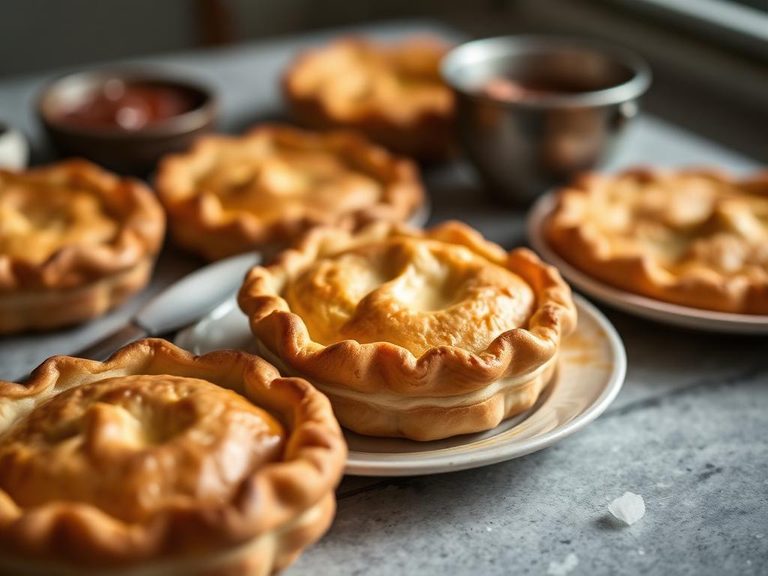
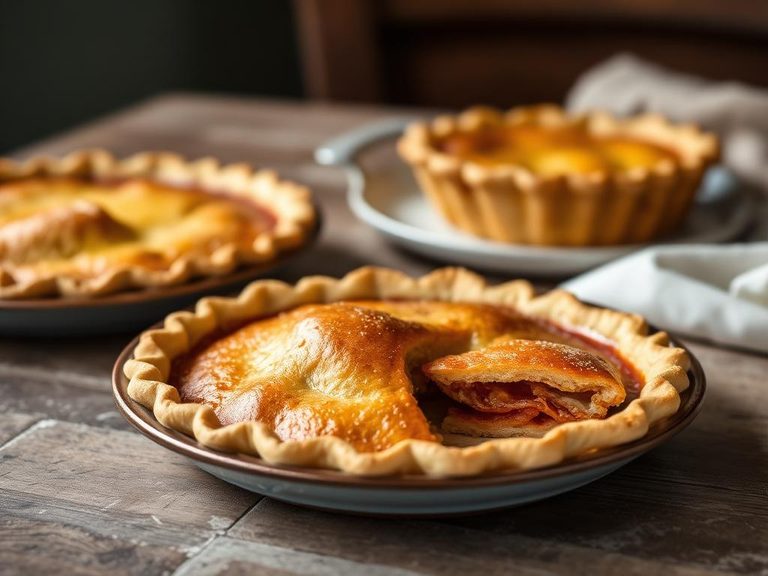
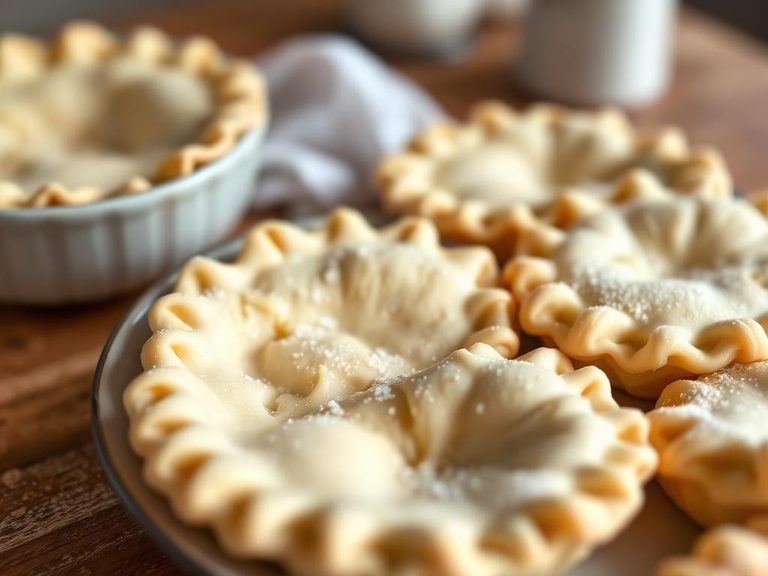
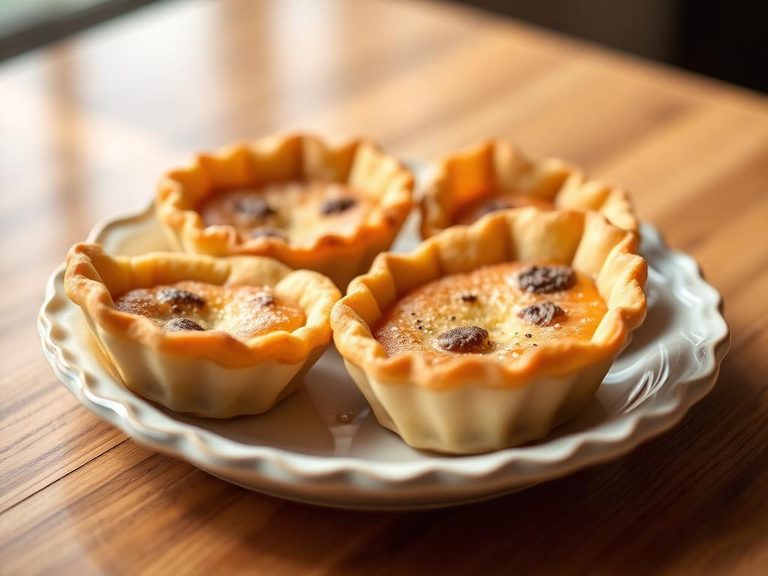
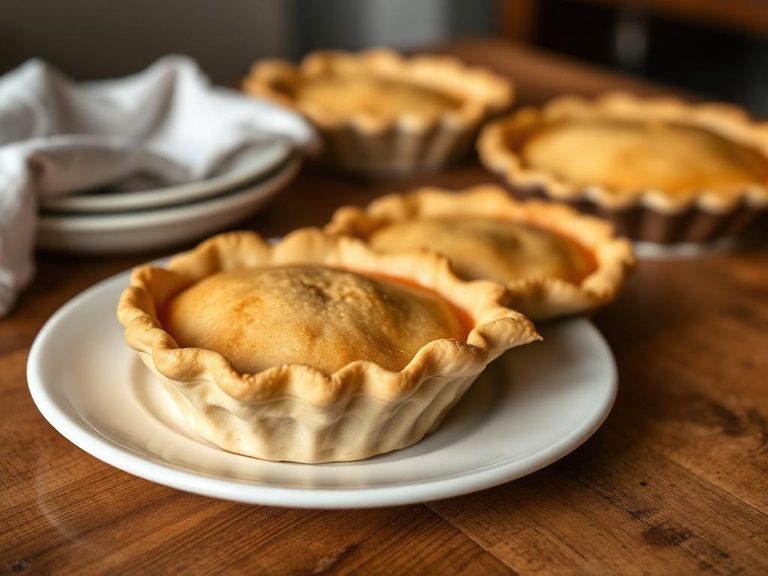
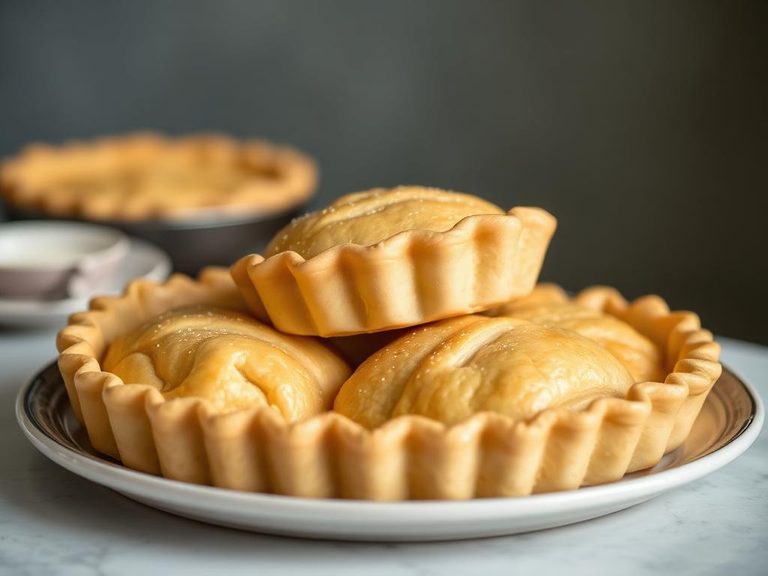
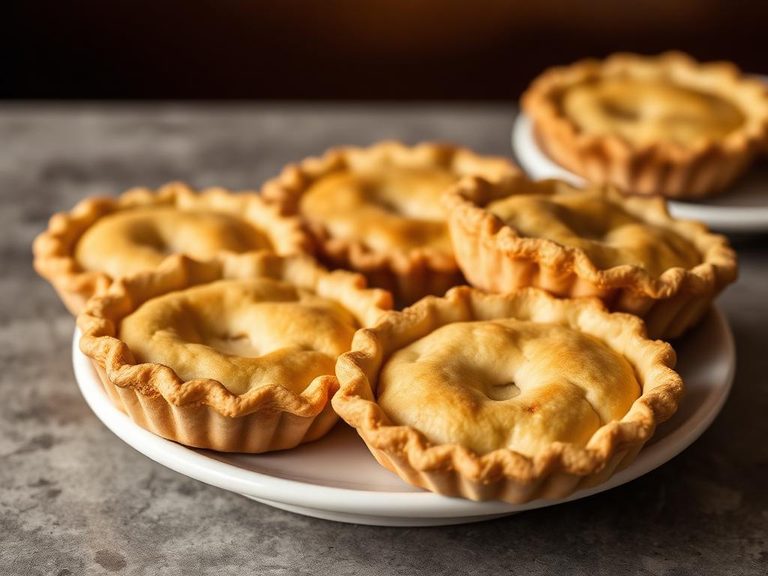
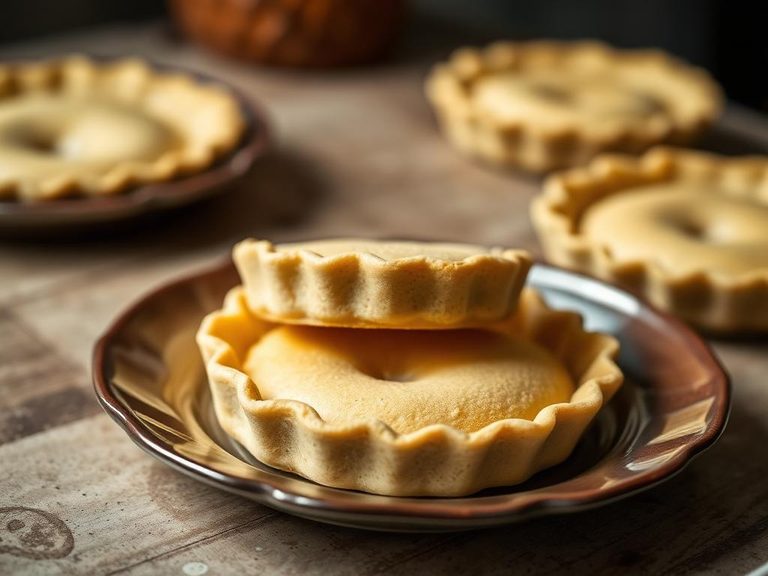
Traditional Pastry Crusts are the foundational, flaky or tender base for pies, tarts, and quiches, made from a simple blend of flour, fat (like butter or lard), and water. Originating from European culinary traditions, they are now a global staple in both sweet and savory baking.
🍽️ Nutrition at a glance
This dish is primarily a source of carbohydrates and fat, with minimal protein. A typical serving provides a significant amount of energy, roughly 200-300 kcal, along with key nutrients like iron and B vitamins from the flour.
Nutrition breakdown
| Calories | 250 kcal |
| Protein | 3 g |
| Carbs | 28 g |
| Fat | 14 g |
| Fiber | 1 g |
| Sugar | 0.5 g |
| Sodium | 200 mg |
| Iron | 2.5 mg |
| Thiamin (B1) | 0.3 mg |
| Niacin (B3) | 2.5 mg |
| Folate | 55 mcg |
| Selenium | 12 mcg |
| Manganese | 0.4 mg |
| Phosphorus | 45 mg |
| Magnesium | 10 mg |
Per 1 single-crust pie shell (approx. 100 g) · estimated, varies by recipe
💡 What's interesting
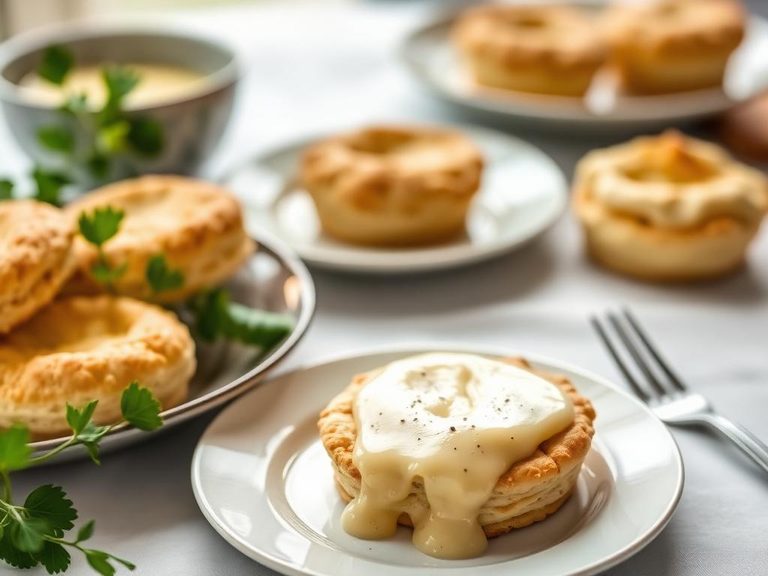
The cultural magic of pastry crust lies in its versatility—it can be the sweet, crumbly shell for an apple pie or the savory, flaky foundation for a chicken pot pie. Nutritionally, the type of fat used (butter vs. lard vs. shortening) significantly alters its flavor, texture, and saturated fat content.