

Milk, buttermilk, fluid, whole
Whole food · Dairy and Egg Products

Photo: Wikipedia
Buttermilk is the tangy, slightly viscous liquid remaining after churning butter from cultured cream. Its texture is thin yet slightly creamy, with a distinct sour, lactic flavor that brightens dishes. Nutritionally, it's a low-calorie source of protein and calcium, with its signature tang coming from natural lactic acid.
Calorie split: 21% protein · 31% carbs · 48% fat
↓ Full nutrition💚 Why it's loved
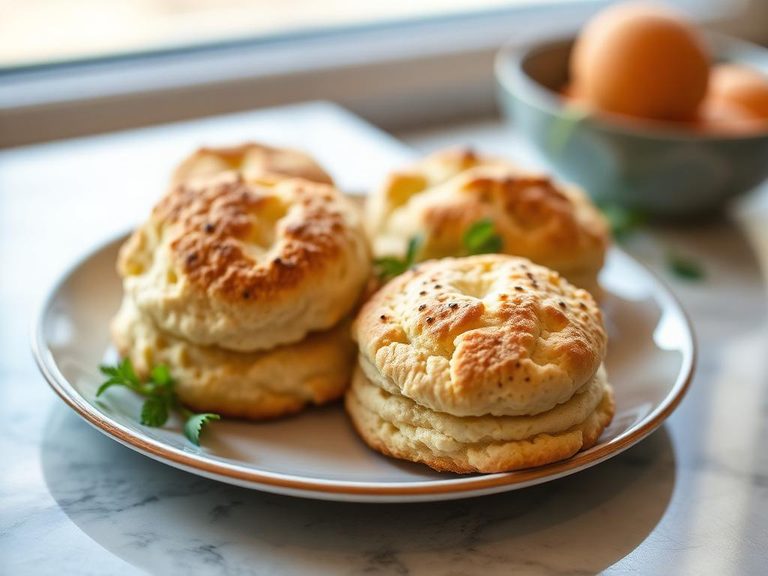
People love buttermilk for its unique, refreshing tang that cuts through richness and adds a subtle complexity to both sweet and savory recipes. It's a cultural staple in Southern U.S. cooking, Indian cuisine, and Scandinavian baking, valued for its ability to create tender pancakes, fluffy biscuits, and moist cakes.
⚠️ Watch-outs & how to enjoy it better
The strong sour taste can be off-putting to those unfamiliar with it, and its dairy content makes it unsuitable for vegans or those with a milk allergy. For individuals monitoring blood sugar, the natural sugars (lactose) can cause a mild spike. To counteract this, pair buttermilk with a source of fat or protein (like in a dressing or with nuts) to slow absorption, or use it in savory dishes where its flavor is balanced by other ingredients.
Key benefits
- Provides probiotics from live cultures, supporting gut health.
- Excellent source of calcium for bone and teeth health.
- Contains high-quality protein for muscle maintenance.
- The lactic acid can aid in tenderizing meat in marinades.
- May be easier to digest for some with lactose sensitivity due to fermentation.
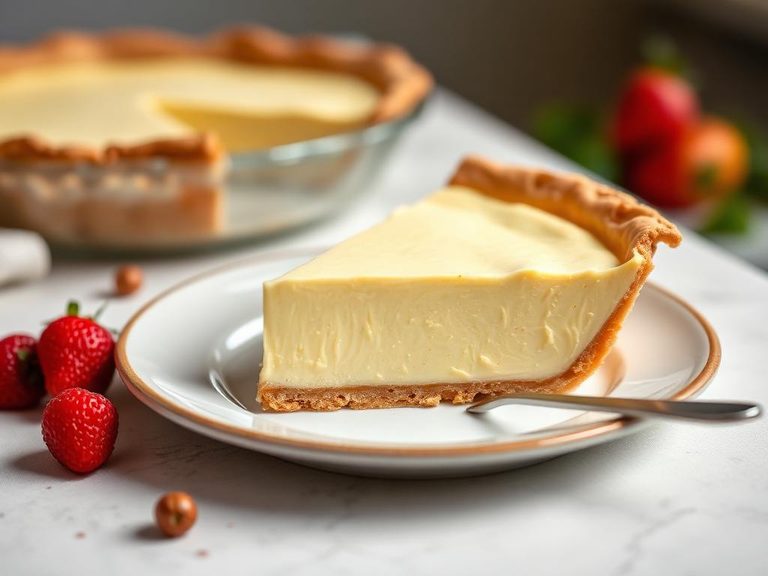
🍽️ Popular dishes
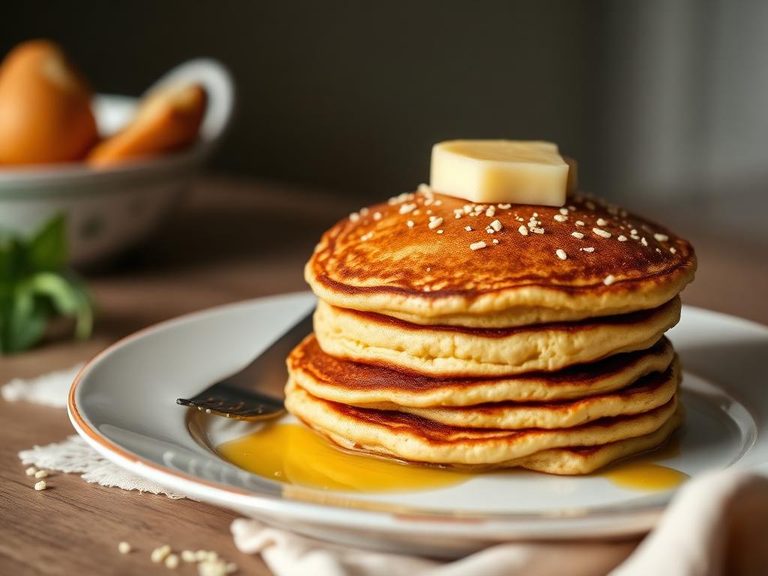
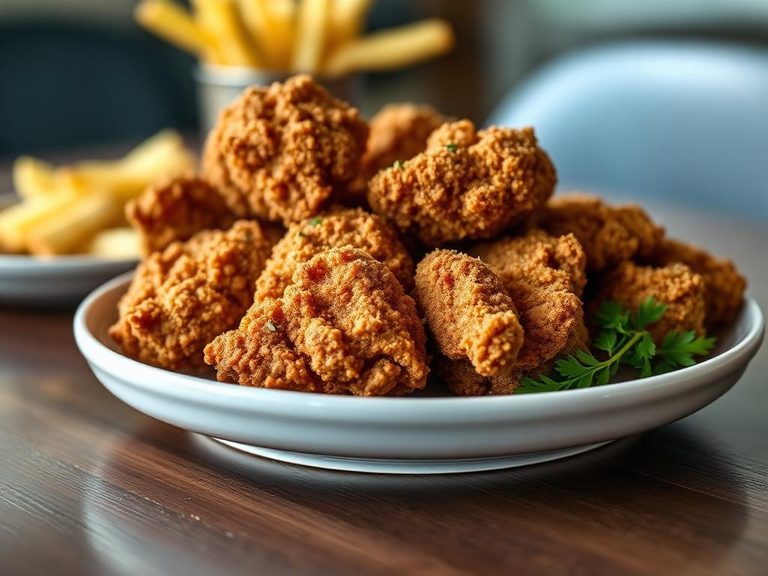
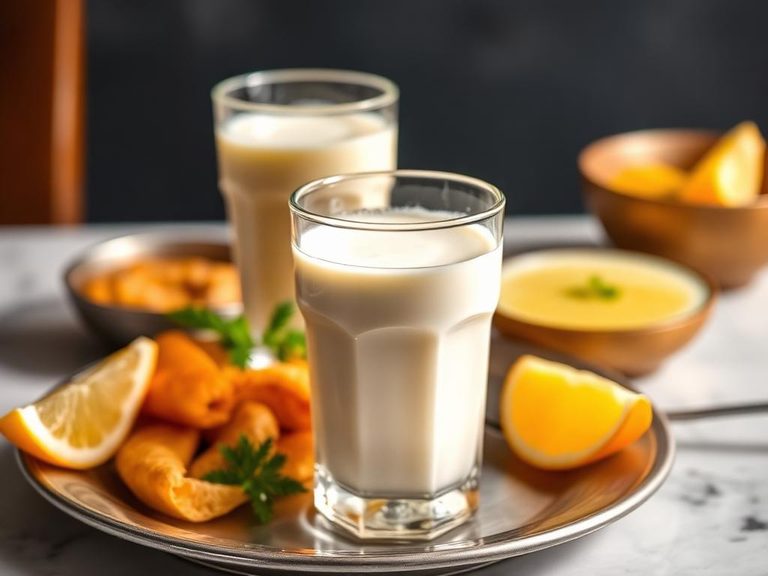
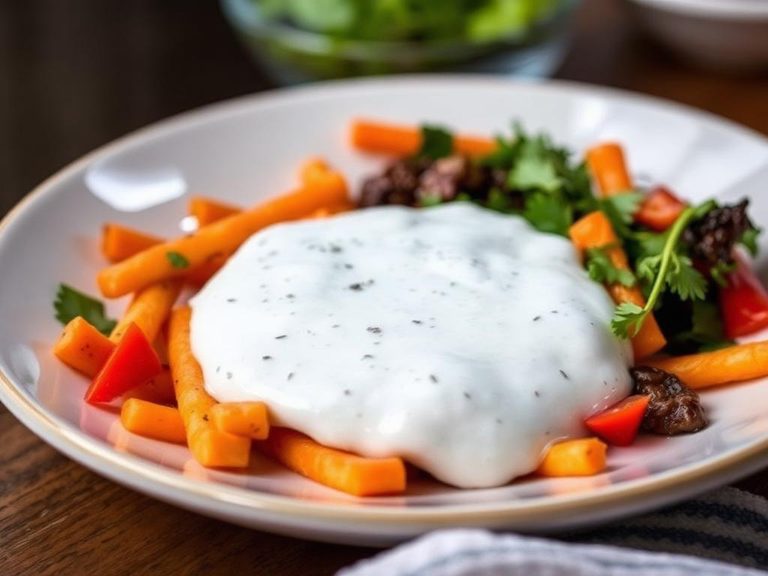
🌍 Where it's eaten
💡 Did you know?
The name 'buttermilk' is a historical misnomer; traditional buttermilk contained no butter at all, but was the liquid left over after butter was made.
Full nutrition (USDA data · scales with serving)
| Water | 87.9 g |
| Energy | 62.0 kcal |
| Energy | 260 kj |
| Protein | 3.2 g |
| Total lipid (fat) | 3.3 g |
| Ash | 0.68 g |
| Carbohydrate, by difference | 4.9 g |
| Fiber, total dietary | 0.00 g |
| Total Sugars | 4.9 g |
| Calcium, Ca | 115 mg |
| Iron, Fe | 0.03 mg |
| Magnesium, Mg | 10.0 mg |
| Phosphorus, P | 85.0 mg |
| Potassium, K | 135 mg |
| Sodium, Na | 105 mg |
| Zinc, Zn | 0.38 mg |
| Copper, Cu | 0.03 mg |
| Manganese, Mn | 0.00 mg |
| Selenium, Se | 3.7 ug |
| Vitamin C, total ascorbic acid | 0.00 mg |
| Thiamin | 0.05 mg |
| Riboflavin | 0.17 mg |
| Niacin | 0.09 mg |
| Pantothenic acid | 0.38 mg |
| Vitamin B-6 | 0.04 mg |
| Folate, total | 5.0 ug |
| Folic acid | 0.00 ug |
| Folate, food | 5.0 ug |
| Folate, DFE | 5.0 ug |
| Choline, total | 14.6 mg |
| Vitamin B-12 | 0.46 ug |
| Vitamin B-12, added | 0.00 ug |
| Vitamin A, RAE | 47.0 ug |
| Retinol | 46.0 ug |
| Carotene, beta | 7.0 ug |
| Carotene, alpha | 0.00 ug |
| Cryptoxanthin, beta | 0.00 ug |
| Vitamin A, IU | 165 iu |
| Lycopene | 0.00 ug |
| Lutein + zeaxanthin | 0.00 ug |
| Vitamin E (alpha-tocopherol) | 0.07 mg |
| Vitamin E, added | 0.00 mg |
| Vitamin D (D2 + D3), International Units | 52.0 iu |
| Vitamin D (D2 + D3) | 1.3 ug |
| Vitamin D3 (cholecalciferol) | 1.3 ug |
| Vitamin K (phylloquinone) | 0.30 ug |
| Alcohol, ethyl | 0.00 g |
| Caffeine | 0.00 mg |
| Theobromine | 0.00 mg |
Fat & fatty acid profile (per 100g)
| Fatty acids, total saturated | 1.9 g |
| SFA 4:0 | 0.08 g |
| SFA 6:0 | 0.08 g |
| SFA 8:0 | 0.08 g |
| SFA 10:0 | 0.08 g |
| SFA 12:0 | 0.08 g |
| SFA 13:0 | 0.00 g |
| SFA 14:0 | 0.30 g |
| SFA 15:0 | 0.00 g |
| SFA 16:0 | 0.84 g |
| SFA 17:0 | 0.00 g |
| SFA 18:0 | 0.37 g |
| SFA 20:0 | 0.00 g |
| SFA 22:0 | 0.00 g |
| SFA 24:0 | 0.00 g |
| Fatty acids, total monounsaturated | 0.83 g |
| MUFA 14:1 | 0.00 g |
| MUFA 16:1 | 0.00 g |
| MUFA 18:1 | 0.83 g |
| MUFA 20:1 | 0.00 g |
| MUFA 22:1 | 0.00 g |
| Fatty acids, total polyunsaturated | 0.20 g |
| PUFA 18:2 | 0.12 g |
| PUFA 18:3 | 0.08 g |
| PUFA 18:4 | 0.00 g |
| PUFA 20:4 | 0.00 g |
| PUFA 20:5 n-3 (EPA) | 0.00 g |
| PUFA 22:5 n-3 (DPA) | 0.00 g |
| PUFA 22:6 n-3 (DHA) | 0.00 g |
| Cholesterol | 11.0 mg |
Amino acid profile (per 100g)
| Tryptophan | 0.04 g |
| Threonine | 0.14 g |
| Isoleucine | 0.17 g |
| Leucine | 0.30 g |
| Lysine | 0.27 g |
| Methionine | 0.08 g |
| Cystine | 0.02 g |
| Phenylalanine | 0.17 g |
| Tyrosine | 0.16 g |
| Valine | 0.21 g |
| Arginine | 0.09 g |
| Histidine | 0.10 g |
| Alanine | 0.11 g |
| Aspartic acid | 0.28 g |
| Glutamic acid | 0.72 g |
| Glycine | 0.06 g |
| Proline | 0.32 g |
| Serine | 0.19 g |
FAQ
Is buttermilk the same as regular milk?
No. Traditional buttermilk is a fermented dairy product made by adding bacteria to milk, giving it a tangy flavor and thicker consistency. Modern commercial buttermilk is often made by adding lactic acid bacteria to low-fat or non-fat milk.
Can I use a buttermilk substitute?
Yes. A common substitute is to add 1 tablespoon of lemon juice or white vinegar to 1 cup of regular milk and let it sit for 5-10 minutes until it curdles slightly. This mimics the acidity but lacks the cultured flavor.
Why is my buttermilk recipe not rising?
Buttermilk's acidity reacts with baking soda to create lift. Ensure your baking soda is fresh, and mix the batter just until combined—overmixing can deflate the bubbles. Also, check that your oven is properly preheated.
Nutrient density (calculated · NRF9.3)
Nutrient Rich Foods index: beneficial nutrients (protein, fiber, vitamins, minerals) minus saturated fat, added sugar & sodium, per 100 kcal.
NRF9.3 index — Fulgoni, Keast & Drewnowski, 2009. Computed from USDA nutrients.
Weight-loss friendliness (composite index)
Energy density 0.62 kcal/g · 21% calories from protein · 0.0 g fiber · 4.9 g sugar per 100 g.
Composite of energy density (Rolls et al., 1999), protein & fiber satiety, minus sugar. A calculated heuristic — ranks satiety-per-calorie, not a clinical measure.
Dietary load (calculated from USDA values)
Potential renal acid load. Positive = acid-forming, negative = alkaline-forming.
Sodium-to-potassium ratio: 0.78 (lower is better — aim for ≤ 1)
Sodium:potassium per WHO potassium guidance. Computed from USDA nutrients.