

Kale, frozen, cooked, boiled, drained, without salt
Whole food · Vegetables and Vegetable Products

Photo: Wikipedia
Frozen kale, once boiled and drained, transforms into a tender, earthy green with a mild, slightly sweet flavor and a soft, melt-in-your-mouth texture. It's a nutritional powerhouse, offering a surprising 2.94g of protein per 100g for just 36 calories, making it an efficient source of plant-based protein and micronutrients.
Calorie split: 27% protein · 48% carbs · 25% fat
↓ Full nutrition💚 Why it's loved
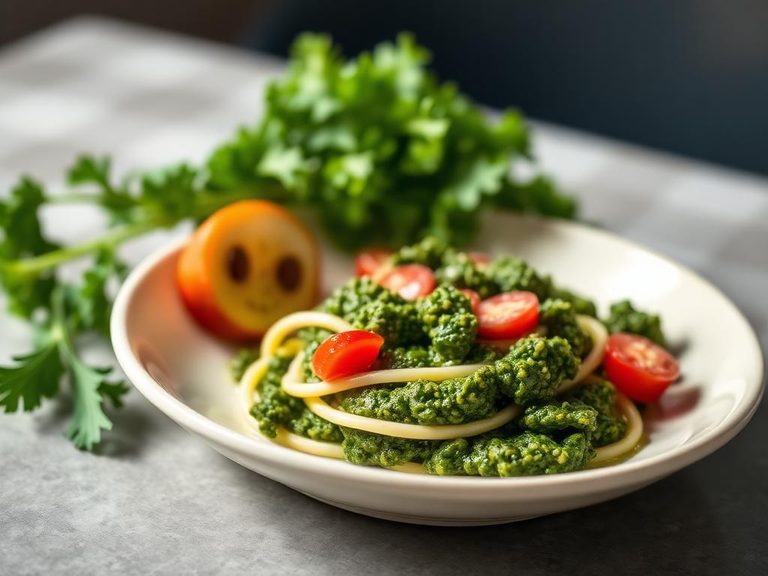
People love it for its incredible convenience and ability to deliver a deep, savory green flavor to soups, stews, and smoothies without the prep work. Its mild taste after cooking makes it a versatile canvas for garlic, lemon, or creamy sauces.
⚠️ Watch-outs & how to enjoy it better
The boiling process can leach water-soluble vitamins like C and some B vitamins, and its soft texture may not appeal to those who prefer a crisp bite. Individuals prone to kidney stones should be mindful of its oxalate content, which can be mitigated by not consuming it with high-calcium foods at the same meal and ensuring adequate hydration.
Key benefits
- Excellent source of vitamins A, C, and K
- Rich in antioxidants like lutein and beta-carotene
- Provides plant-based protein with very low calories
- Contains minerals like manganese and copper
- Convenient and reduces food waste
🍽️ Popular dishes
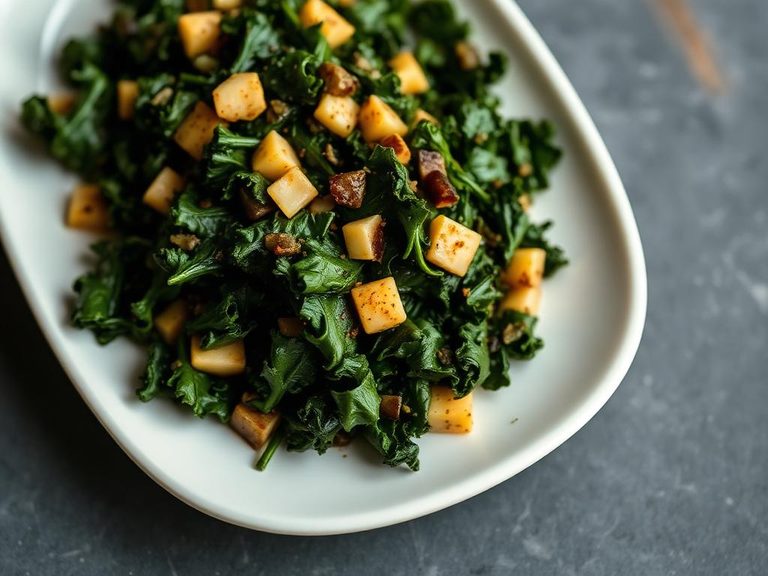
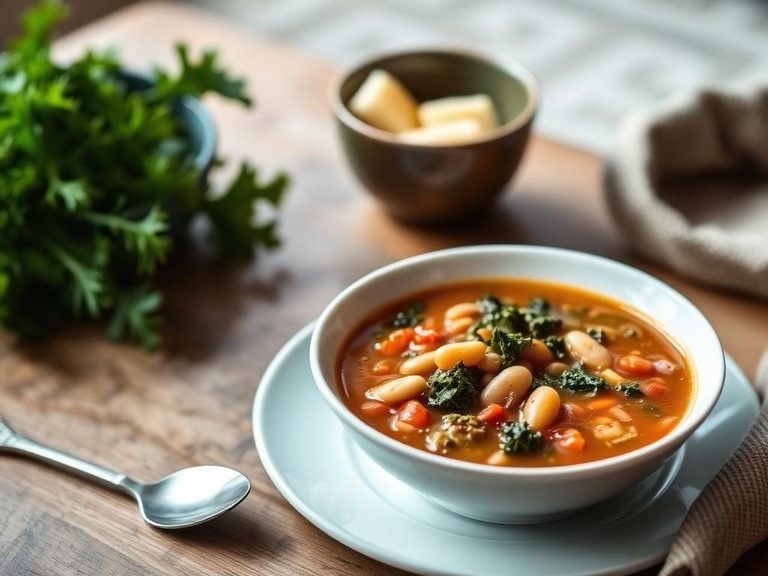
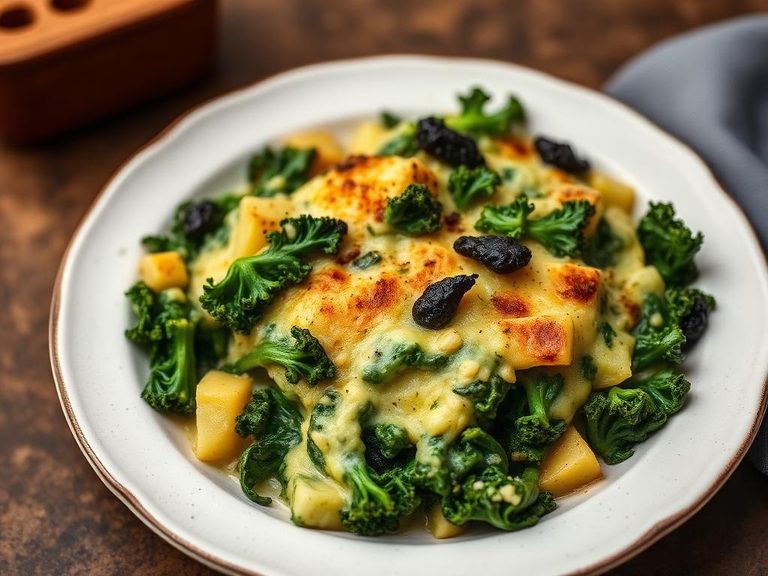
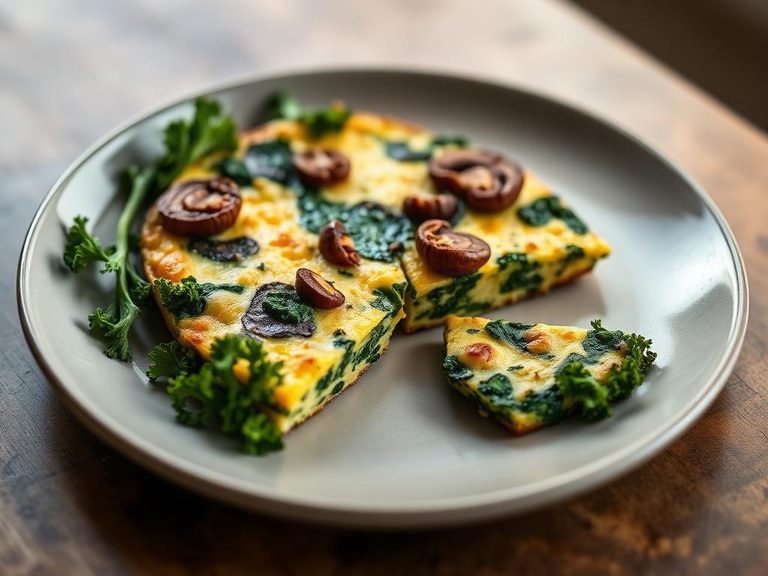
🌍 Where it's eaten
💡 Did you know?
Frozen kale often has a higher concentration of certain antioxidants, like beta-carotene, than fresh kale because the blanching process before freezing helps break down cell walls and make these compounds more bioavailable.
Full nutrition (USDA data · scales with serving)
| Water | 89.8 g |
| Energy (Atwater General Factors) | 44.0 kcal |
| Energy (Atwater Specific Factors) | 36.0 kcal |
| Energy | 36.0 kcal |
| Energy | 151 kj |
| Nitrogen | 0.47 g |
| Protein | 2.9 g |
| Total lipid (fat) | 1.2 g |
| Ash | 0.73 g |
| Carbohydrate, by difference | 5.3 g |
| Sugars, Total | 1.1 g |
| Sucrose | 0.16 g |
| Glucose | 0.54 g |
| Fructose | 0.42 g |
| Lactose | 0.00 g |
| Maltose | 0.00 g |
| Galactose | 0.00 g |
| Calcium, Ca | 150 mg |
| Iron, Fe | 0.84 mg |
| Magnesium, Mg | 25.0 mg |
| Phosphorus, P | 42.0 mg |
| Potassium, K | 144 mg |
| Sodium, Na | 16.0 mg |
| Zinc, Zn | 0.27 mg |
| Copper, Cu | 0.07 mg |
| Manganese, Mn | 0.54 mg |
| Vitamin C, total ascorbic acid | 17.8 mg |
| Thiamin | 0.06 mg |
| Riboflavin | 0.14 mg |
| Niacin | 0.46 mg |
| Pantothenic acid | 0.17 mg |
| Vitamin B-6 | 0.06 mg |
| Folate, total | 65.0 ug |
| Vitamin A, RAE | 146 ug |
| Carotene, beta | 1730 ug |
| Carotene, alpha | 10.0 ug |
| Cryptoxanthin, beta | 26.0 ug |
| Lycopene | 0.00 ug |
| Lutein + zeaxanthin | 4980 ug |
| Vitamin E (alpha-tocopherol) | 1.6 mg |
| Tocopherol, beta | 0.00 mg |
| Tocopherol, gamma | 0.12 mg |
| Tocopherol, delta | 0.00 mg |
| Tocotrienol, alpha | 0.00 mg |
| Tocotrienol, beta | 0.00 mg |
| Tocotrienol, gamma | 0.00 mg |
| Tocotrienol, delta | 0.00 mg |
| Vitamin K (phylloquinone) | 418 ug |
| Vitamin K (Dihydrophylloquinone) | 0.00 ug |
| Vitamin K (Menaquinone-4) | 0.00 ug |
Fat & fatty acid profile (per 100g)
Estimated from Kale, raw — USDA does not publish this profile for Kale.
| Fatty acids, total saturated | 0.18 g |
| SFA 4:0 | 0.00 g |
| SFA 6:0 | 0.00 g |
| SFA 8:0 | 0.00 g |
| SFA 10:0 | 0.00 g |
| SFA 12:0 | 0.01 g |
| SFA 14:0 | 0.01 g |
| SFA 16:0 | 0.16 g |
| SFA 18:0 | 0.01 g |
| Fatty acids, total monounsaturated | 0.10 g |
| MUFA 16:1 | 0.00 g |
| MUFA 18:1 | 0.10 g |
| MUFA 20:1 | 0.00 g |
| MUFA 22:1 | 0.00 g |
| Fatty acids, total polyunsaturated | 0.67 g |
| PUFA 18:2 | 0.29 g |
| PUFA 18:3 | 0.38 g |
| PUFA 18:4 | 0.00 g |
| PUFA 20:4 | 0.00 g |
| PUFA 20:5 n-3 (EPA) | 0.00 g |
| PUFA 22:5 n-3 (DPA) | 0.00 g |
| PUFA 22:6 n-3 (DHA) | 0.00 g |
| Fatty acids, total trans | 0.00 g |
| Cholesterol | 0.00 mg |
Amino acid profile (per 100g)
Estimated from Kale, raw — USDA does not publish this profile for Kale.
| Tryptophan | 0.04 g |
| Threonine | 0.13 g |
| Isoleucine | 0.17 g |
| Leucine | 0.20 g |
| Lysine | 0.17 g |
| Methionine | 0.03 g |
| Cystine | 0.04 g |
| Phenylalanine | 0.15 g |
| Tyrosine | 0.10 g |
| Valine | 0.16 g |
| Arginine | 0.16 g |
| Histidine | 0.17 g |
| Alanine | 0.15 g |
| Aspartic acid | 0.26 g |
| Glutamic acid | 0.33 g |
| Glycine | 0.14 g |
| Proline | 0.17 g |
| Serine | 0.12 g |
FAQ
Is frozen kale as nutritious as fresh?
Yes, often more so for certain antioxidants. The flash-freezing process locks in nutrients at their peak. While some water-soluble vitamins (like Vitamin C) may be slightly reduced, the concentration of fiber, minerals, and fat-soluble vitamins remains high.
How do I prevent it from getting mushy?
Avoid overcooking. Add it to dishes like soups or stews only in the last 5-10 minutes of cooking. For sautéing, thaw and squeeze out excess water first, then cook quickly over medium-high heat with aromatics.
Do I need to thaw it before cooking?
Not always. You can add it directly frozen to soups, stews, or sauces. For sautéing or making pesto, thawing in the refrigerator or a quick microwave defrost will give you better control over texture and moisture.
Nutrient density (calculated · NRF9.3)
Nutrient Rich Foods index: beneficial nutrients (protein, fiber, vitamins, minerals) minus saturated fat, added sugar & sodium, per 100 kcal.
NRF9.3 index — Fulgoni, Keast & Drewnowski, 2009. Computed from USDA nutrients.
Weight-loss friendliness (composite index)
Energy density 0.36 kcal/g · 33% calories from protein · 0.0 g fiber · 0.0 g sugar per 100 g.
Composite of energy density (Rolls et al., 1999), protein & fiber satiety, minus sugar. A calculated heuristic — ranks satiety-per-calorie, not a clinical measure.
Dietary load (calculated from USDA values)
Potential renal acid load. Positive = acid-forming, negative = alkaline-forming.
Sodium-to-potassium ratio: 0.11 (lower is better — aim for ≤ 1)
Sodium:potassium per WHO potassium guidance. Computed from USDA nutrients.