

Corn flour, masa harina, white or yellow, dry, raw
Whole food · Cereal Grains and Pasta
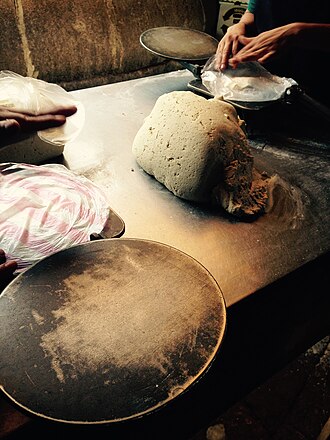
Photo: Wikipedia
Masa harina is a fine, nixtamalized corn flour with a distinctive earthy, slightly tangy aroma and a soft, powdery texture that transforms into a pliable dough when mixed with water. Nutritionally, it's a powerhouse of complex carbohydrates and dietary fiber, providing sustained energy without the quick crash of refined flours. Its unique alkaline processing unlocks a rich, nutty flavor that is the foundation of countless traditional dishes.
Calorie split: 8% protein · 82% carbs · 10% fat
↓ Full nutrition💚 Why it's loved
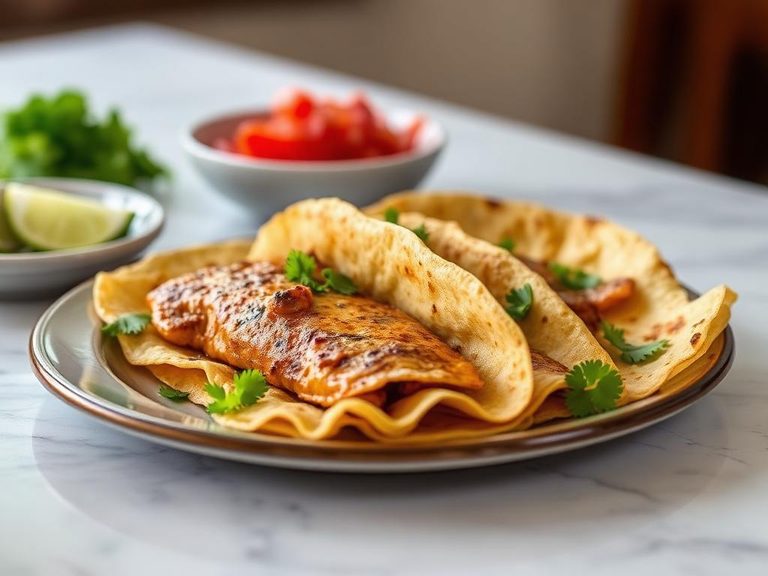
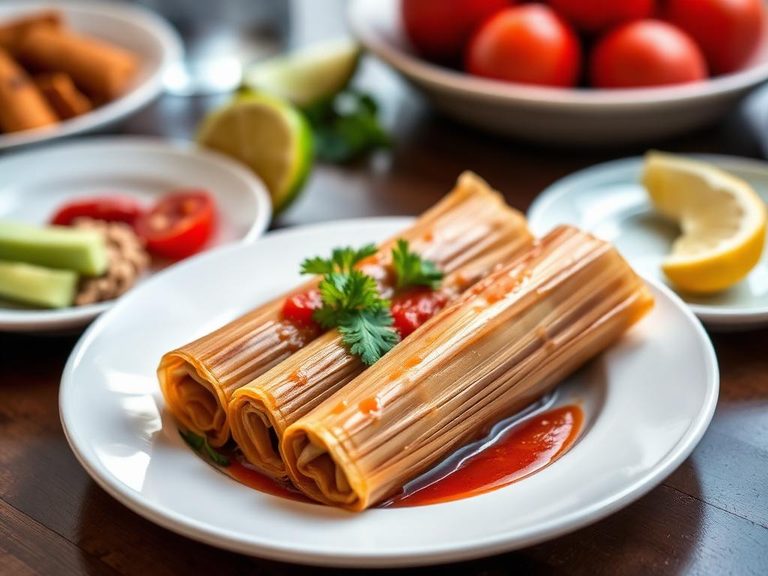
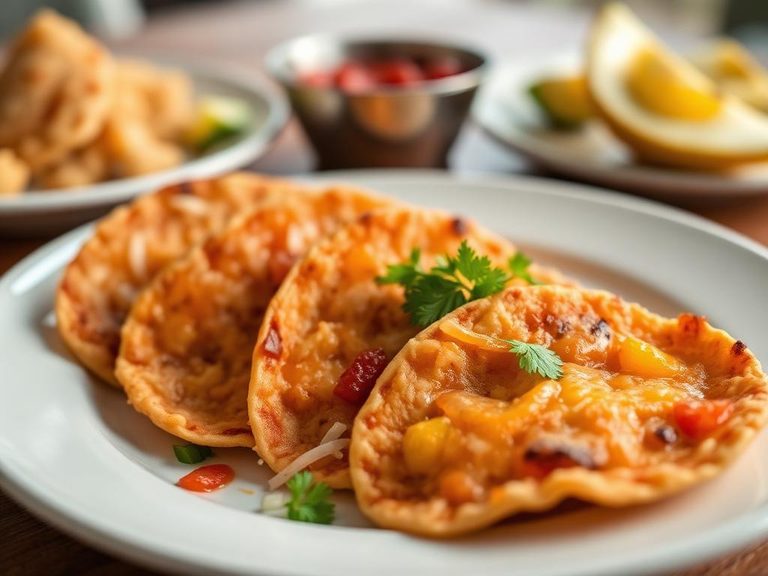
People adore masa harina for its authentic, earthy corn flavor and its magical ability to form a smooth, workable dough that puffs into perfect tortillas or crispy tamales. It's the heart of Mexican and Central American cuisine, carrying deep cultural significance and the comforting taste of home-cooked meals.
⚠️ Watch-outs & how to enjoy it better
Masa harina is high in carbohydrates and can cause blood sugar spikes if consumed in large quantities without balancing foods. To counteract this, pair it with protein (like beans or meat) and healthy fats (like avocado or cheese), and practice portion control by sticking to one or two tortillas per meal. Its dense, starchy nature can also feel heavy to some, so ensure it's well-cooked and hydrated to avoid digestive discomfort.
Key benefits
- Excellent source of dietary fiber for digestive health.
- Rich in complex carbohydrates for steady energy release.
- Nixtamalization process increases bioavailability of minerals like calcium and iron.
- Gluten-free alternative for baking and cooking.
- Provides essential B vitamins for metabolism.
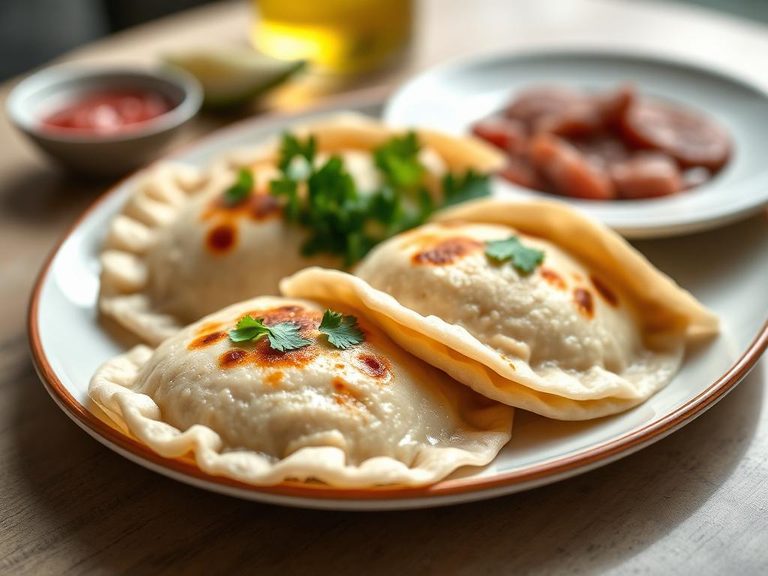
🍽️ Popular dishes
🌍 Where it's eaten
💡 Did you know?
The nixtamalization process, which involves soaking corn in an alkaline solution like lime water, was developed by ancient Mesoamerican civilizations over 3,500 years ago and is considered one of the most important food processing innovations in human history.
Full nutrition (USDA data · scales with serving)
| Water | 10.1 g |
| Energy (Atwater General Factors) | 376 kcal |
| Energy (Atwater Specific Factors) | 366 kcal |
| Nitrogen | 1.2 g |
| Protein | 7.6 g |
| Total lipid (fat) | 4.3 g |
| Ash | 1.3 g |
| Carbohydrate, by difference | 76.7 g |
| Fiber, total dietary | 7.0 g |
| Starch | 67.3 g |
| Calcium, Ca | 112 mg |
| Iron, Fe | 1.7 mg |
| Magnesium, Mg | 93.3 mg |
| Phosphorus, P | 241 mg |
| Potassium, K | 277 mg |
| Sodium, Na | 2.7 mg |
| Zinc, Zn | 1.6 mg |
| Copper, Cu | 0.13 mg |
| Manganese, Mn | 0.41 mg |
| Thiamin | 0.23 mg |
| Niacin | 1.7 mg |
| Vitamin B-6 | 0.23 mg |
| Biotin | 4.7 ug |
Fat & fatty acid profile (per 100g)
Estimated from Pasta, gluten-free, corn flour and quinoa flour, cooked, ANCIENT HARVEST — USDA does not publish this profile for Corn flour.
| Fatty acids, total saturated | 0.15 g |
| SFA 4:0 | 0.00 g |
| SFA 6:0 | 0.00 g |
| SFA 8:0 | 0.00 g |
| SFA 10:0 | 0.00 g |
| SFA 12:0 | 0.00 g |
| SFA 14:0 | 0.01 g |
| SFA 15:0 | 0.00 g |
| SFA 16:0 | 0.09 g |
| SFA 17:0 | 0.00 g |
| SFA 18:0 | 0.04 g |
| SFA 20:0 | 0.01 g |
| SFA 22:0 | 0.00 g |
| SFA 24:0 | 0.00 g |
| Fatty acids, total monounsaturated | 0.66 g |
| MUFA 14:1 | 0.00 g |
| MUFA 15:1 | 0.17 g |
| MUFA 16:1 | 0.00 g |
| MUFA 16:1 c | 0.00 g |
| MUFA 17:1 | 0.00 g |
| MUFA 18:1 | 0.48 g |
| MUFA 18:1 c | 0.47 g |
| MUFA 20:1 | 0.01 g |
| MUFA 22:1 | 0.00 g |
| MUFA 22:1 c | 0.00 g |
| MUFA 24:1 c | 0.00 g |
| Fatty acids, total polyunsaturated | 0.95 g |
| PUFA 18:2 | 0.91 g |
| PUFA 18:2 n-6 c,c | 0.91 g |
| PUFA 18:2 CLAs | 0.00 g |
| PUFA 18:3 | 0.03 g |
| PUFA 18:3 n-3 c,c,c (ALA) | 0.03 g |
| PUFA 18:3 n-6 c,c,c | 0.00 g |
| PUFA 18:3i | 0.00 g |
| PUFA 18:4 | 0.00 g |
| PUFA 20:2 n-6 c,c | 0.00 g |
| PUFA 20:3 | 0.00 g |
| PUFA 20:3 n-3 | 0.00 g |
| PUFA 20:3 n-6 | 0.00 g |
| PUFA 20:4 | 0.00 g |
| PUFA 20:5 n-3 (EPA) | 0.00 g |
| PUFA 22:4 | 0.00 g |
| PUFA 22:5 n-3 (DPA) | 0.00 g |
| PUFA 22:6 n-3 (DHA) | 0.00 g |
| Fatty acids, total trans | 0.01 g |
| Fatty acids, total trans-monoenoic | 0.00 g |
| TFA 16:1 t | 0.00 g |
| TFA 18:1 t | 0.00 g |
| TFA 22:1 t | 0.00 g |
| TFA 18:2 t not further defined | 0.00 g |
| Fatty acids, total trans-polyenoic | 0.00 g |
| Cholesterol | 0.00 mg |
Amino acid profile (per 100g)
Estimated from Pasta, gluten-free, corn flour and quinoa flour, cooked, ANCIENT HARVEST — USDA does not publish this profile for Corn flour.
| Tryptophan | 0.02 g |
| Threonine | 0.10 g |
| Isoleucine | 0.09 g |
| Leucine | 0.35 g |
| Lysine | 0.16 g |
| Methionine | 0.06 g |
| Cystine | 0.07 g |
| Phenylalanine | 0.15 g |
| Tyrosine | 0.12 g |
| Valine | 0.11 g |
| Arginine | 0.18 g |
| Histidine | 0.09 g |
| Alanine | 0.21 g |
| Aspartic acid | 0.19 g |
| Glutamic acid | 0.46 g |
| Glycine | 0.12 g |
| Proline | 0.29 g |
| Serine | 0.15 g |
| Hydroxyproline | 0.00 g |
FAQ
What is the difference between masa harina and regular corn flour?
Masa harina is made from nixtamalized corn (treated with lime), giving it a distinct flavor and the ability to form a dough, while regular corn flour is simply ground dried corn without this treatment.
Can masa harina be used as a thickener?
Yes, it can be used as a thickener for soups and stews, but it will add a corn flavor and may require more liquid than other thickeners like cornstarch.
Is masa harina gluten-free?
Yes, masa harina is naturally gluten-free, making it a suitable alternative for those with gluten sensitivities or celiac disease.
Nutrient density (calculated · NRF9.3)
Nutrient Rich Foods index: beneficial nutrients (protein, fiber, vitamins, minerals) minus saturated fat, added sugar & sodium, per 100 kcal.
NRF9.3 index — Fulgoni, Keast & Drewnowski, 2009. Computed from USDA nutrients.
Weight-loss friendliness (composite index)
Energy density 3.76 kcal/g · 8% calories from protein · 7.0 g fiber · 0.0 g sugar per 100 g.
Composite of energy density (Rolls et al., 1999), protein & fiber satiety, minus sugar. A calculated heuristic — ranks satiety-per-calorie, not a clinical measure.
Dietary load (calculated from USDA values)
Potential renal acid load. Positive = acid-forming, negative = alkaline-forming.
Sodium-to-potassium ratio: 0.01 (lower is better — aim for ≤ 1)
Sodium:potassium per WHO potassium guidance. Computed from USDA nutrients.