

Beverages, lemonade-flavor drink, powder
Whole food · Beverages

Photo: Wikipedia
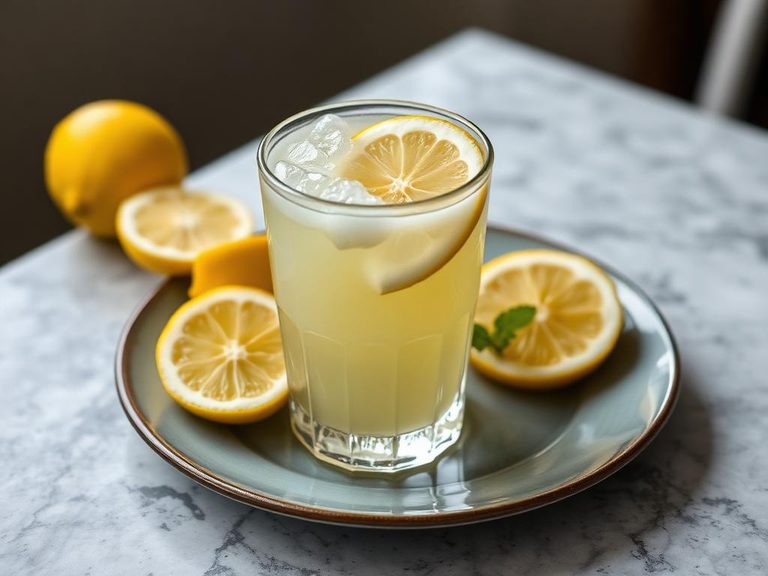
This is a vibrant, granular powder that transforms water into a tangy, sweet, and intensely refreshing lemonade with a neon-yellow hue. Its texture is fine and dissolves instantly, leaving a smooth, slightly syrupy mouthfeel. Nutritionally, it is a concentrated source of simple carbohydrates, delivering nearly 100 grams of sugar per 100 grams of powder with no protein, fat, or fiber.
Calorie split: 0% protein · 98% carbs · 2% fat
↓ Full nutrition💚 Why it's loved
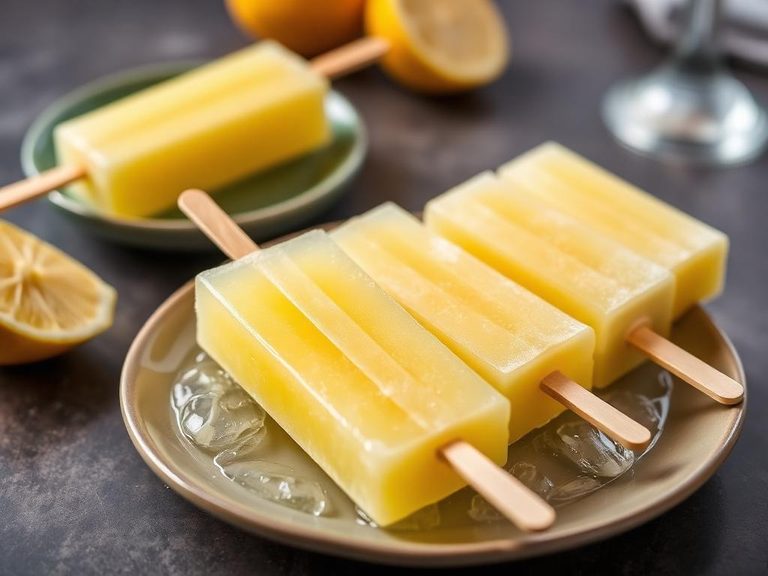
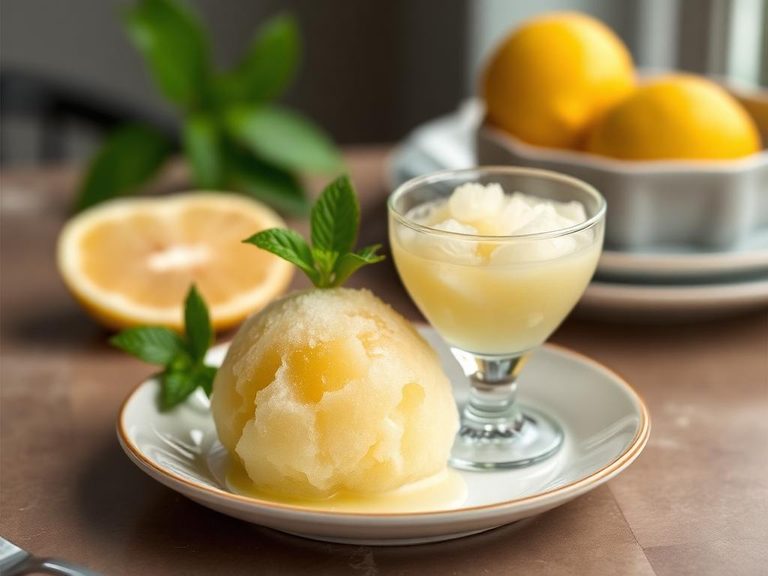
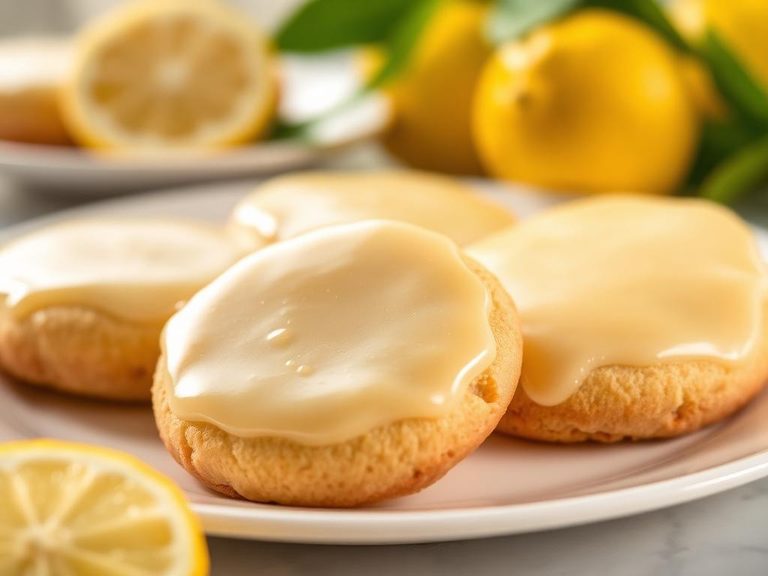
People love it for its nostalgic, uncomplicated sweet-tart punch that instantly evokes summer days and childhood picnics. Its extreme versatility allows it to be used in countless ways, from a simple drink to a flavoring for desserts and frozen treats.
⚠️ Watch-outs & how to enjoy it better
The primary downside is its very high sugar content, which can cause rapid blood-sugar spikes and offers little nutritional value beyond calories. To counteract this, use strict portion control (e.g., half a scoop per glass), dilute it further, or pair the drink with a source of protein or fat (like nuts or cheese) to slow sugar absorption.
Key benefits
- Instant hydration and electrolyte replenishment in a convenient powder form.
- Provides a quick and significant energy boost from simple sugars.
- Offers a consistent, predictable sweet-tart flavor profile.
- Highly portable and shelf-stable for long periods.
- Cost-effective way to flavor large quantities of water.
🍽️ Popular dishes

🌍 Where it's eaten
💡 Did you know?
The bright yellow color in most commercial lemonade powders often comes from artificial dyes like Yellow 5 (Tartrazine), not from actual lemon juice or extract.
Full nutrition (USDA data · scales with serving)
| Water | 0.52 g |
| Energy | 380 kcal |
| Energy | 1592 kj |
| Protein | 0.00 g |
| Total lipid (fat) | 1.0 g |
| Ash | 0.57 g |
| Carbohydrate, by difference | 97.9 g |
| Fiber, total dietary | 0.00 g |
| Total Sugars | 97.2 g |
| Sucrose | 72.2 g |
| Glucose | 2.3 g |
| Fructose | 22.7 g |
| Lactose | 0.00 g |
| Maltose | 0.00 g |
| Galactose | 0.00 g |
| Starch | 0.04 g |
| Calcium, Ca | 11.0 mg |
| Iron, Fe | 0.17 mg |
| Magnesium, Mg | 165 mg |
| Phosphorus, P | 99.0 mg |
| Potassium, K | 39.0 mg |
| Sodium, Na | 130 mg |
| Zinc, Zn | 0.03 mg |
| Copper, Cu | 0.03 mg |
| Manganese, Mn | 0.01 mg |
| Selenium, Se | 0.30 ug |
| Vitamin C, total ascorbic acid | 40.6 mg |
| Thiamin | 0.00 mg |
| Riboflavin | 0.01 mg |
| Niacin | 0.00 mg |
| Pantothenic acid | 0.00 mg |
| Vitamin B-6 | 0.00 mg |
| Folate, total | 0.00 ug |
| Folic acid | 0.00 ug |
| Folate, food | 0.00 ug |
| Folate, DFE | 0.00 ug |
| Choline, total | 0.10 mg |
| Betaine | 0.70 mg |
| Vitamin B-12 | 0.00 ug |
| Vitamin B-12, added | 0.00 ug |
| Vitamin A, RAE | 0.00 ug |
| Retinol | 0.00 ug |
| Carotene, beta | 0.00 ug |
| Carotene, alpha | 0.00 ug |
| Cryptoxanthin, beta | 0.00 ug |
| Vitamin A, IU | 0.00 iu |
| Lycopene | 0.00 ug |
| Lutein + zeaxanthin | 0.00 ug |
| Vitamin E (alpha-tocopherol) | 0.08 mg |
| Vitamin E, added | 0.00 mg |
| Vitamin D (D2 + D3), International Units | 0.00 iu |
| Vitamin D (D2 + D3) | 0.00 ug |
| Vitamin K (phylloquinone) | 1.9 ug |
| Alcohol, ethyl | 0.00 g |
| Caffeine | 0.00 mg |
| Theobromine | 0.00 mg |
Fat & fatty acid profile (per 100g)
| Fatty acids, total saturated | 0.18 g |
| SFA 4:0 | 0.00 g |
| SFA 6:0 | 0.00 g |
| SFA 8:0 | 0.01 g |
| SFA 10:0 | 0.01 g |
| SFA 12:0 | 0.04 g |
| SFA 14:0 | 0.01 g |
| SFA 16:0 | 0.06 g |
| SFA 18:0 | 0.01 g |
| Fatty acids, total monounsaturated | 0.13 g |
| MUFA 16:1 | 0.00 g |
| MUFA 18:1 | 0.09 g |
| MUFA 20:1 | 0.00 g |
| MUFA 22:1 | 0.00 g |
| Fatty acids, total polyunsaturated | 0.53 g |
| PUFA 18:2 | 0.35 g |
| PUFA 18:3 | 0.04 g |
| PUFA 18:4 | 0.00 g |
| PUFA 20:4 | 0.00 g |
| PUFA 20:5 n-3 (EPA) | 0.00 g |
| PUFA 22:5 n-3 (DPA) | 0.00 g |
| PUFA 22:6 n-3 (DHA) | 0.00 g |
| Fatty acids, total trans | 0.00 g |
| Cholesterol | 0.00 mg |
Amino acid profile (per 100g)
Estimated from Beverages, carbonated, tonic water — USDA does not publish this profile for Beverages.
| Tryptophan | 0.00 g |
| Threonine | 0.00 g |
| Isoleucine | 0.00 g |
| Leucine | 0.00 g |
| Lysine | 0.00 g |
| Methionine | 0.00 g |
| Cystine | 0.00 g |
| Phenylalanine | 0.00 g |
| Tyrosine | 0.00 g |
| Valine | 0.00 g |
| Arginine | 0.00 g |
| Histidine | 0.00 g |
| Alanine | 0.00 g |
| Aspartic acid | 0.00 g |
| Glutamic acid | 0.00 g |
| Glycine | 0.00 g |
| Proline | 0.00 g |
| Serine | 0.00 g |
FAQ
Is this the same as making lemonade from fresh lemons?
No. This powder is a concentrated mix of sugar, citric acid, and artificial flavors/colors. Fresh lemonade uses real lemon juice, water, and sugar, offering some vitamin C and a more complex flavor.
Can I use this powder for baking?
Yes, it can be used to add lemon flavor to cakes, cookies, or frostings, but you must account for its high sugar content and adjust the recipe's sugar and liquid ratios accordingly.
How should I store the opened powder?
Keep it in a tightly sealed container in a cool, dry place to prevent clumping from moisture. It will last for many months if stored properly.
Nutrient density (calculated · NRF9.3)
Nutrient Rich Foods index: beneficial nutrients (protein, fiber, vitamins, minerals) minus saturated fat, added sugar & sodium, per 100 kcal.
NRF9.3 index — Fulgoni, Keast & Drewnowski, 2009. Computed from USDA nutrients.
Weight-loss friendliness (composite index)
Energy density 3.80 kcal/g · 0% calories from protein · 0.0 g fiber · 97.2 g sugar per 100 g.
Composite of energy density (Rolls et al., 1999), protein & fiber satiety, minus sugar. A calculated heuristic — ranks satiety-per-calorie, not a clinical measure.
Dietary load (calculated from USDA values)
Potential renal acid load. Positive = acid-forming, negative = alkaline-forming.
Sodium-to-potassium ratio: 3.33 (lower is better — aim for ≤ 1)
Sodium:potassium per WHO potassium guidance. Computed from USDA nutrients.