

Veal, rib, separable lean and fat, cooked, braised
Whole food · Lamb, Veal, and Game Products

Photo: Wikipedia
This is a cut of young beef, prized for its exceptionally tender, fine-grained texture and mild, delicate flavor. The braising process renders the fat and connective tissue, resulting in a succulent, melt-in-the-mouth richness. Nutritionally, it's a powerhouse of complete protein with virtually no carbohydrates.
Calorie split: 53% protein · 0% carbs · 47% fat
↓ Full nutrition💚 Why it's loved
People cherish it for its unparalleled tenderness and subtle, savory flavor that acts as a perfect canvas for rich sauces and aromatics. It's a centerpiece of celebratory meals and comfort food, offering a luxurious yet hearty eating experience.
⚠️ Watch-outs & how to enjoy it better
The primary downside is its high saturated fat content, which should be considered in moderation for heart-health. To counteract this, pair it with fiber-rich vegetables like roasted Brussels sprouts or a hearty lentil salad to balance the meal. Those watching sodium should be mindful of the often-salty braising liquids or gravies served with it.
Key benefits
- Excellent source of high-quality, complete protein
- Rich in essential minerals like zinc, phosphorus, and selenium
- Provides B vitamins, notably B12 and niacin
- Naturally very low in carbohydrates and sugars
- Contains conjugated linoleic acid (CLA), a type of healthy fat
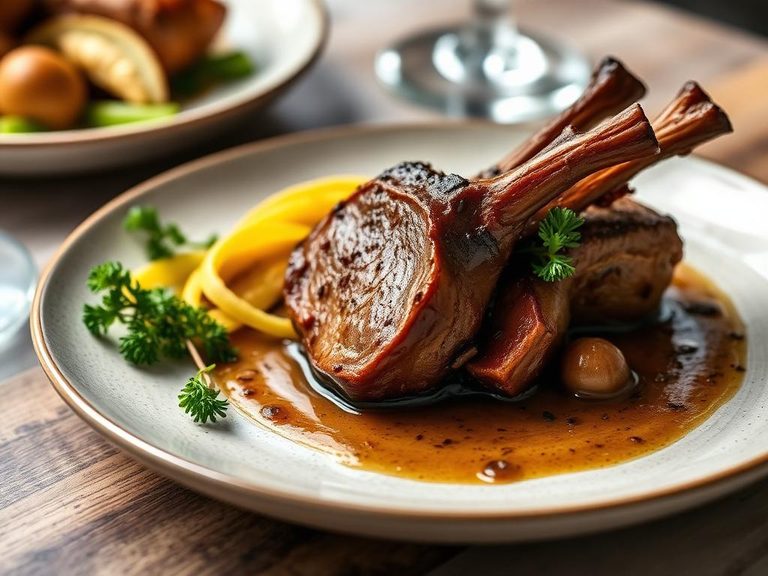
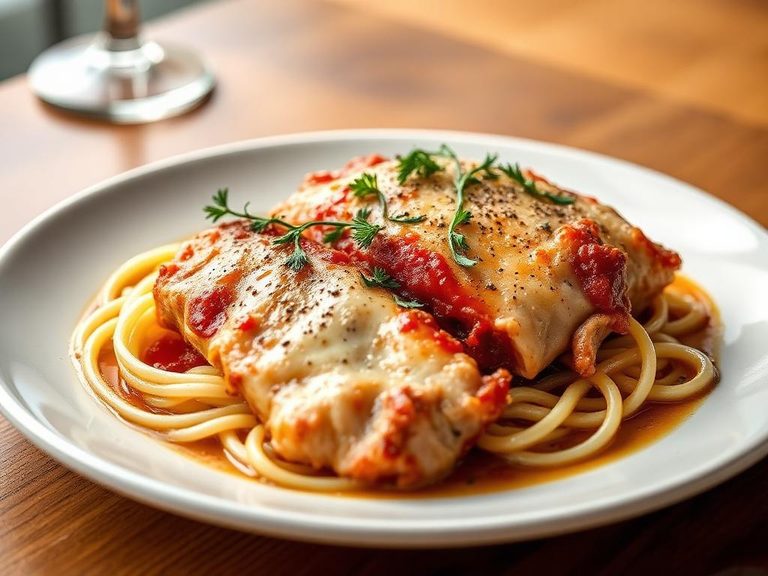
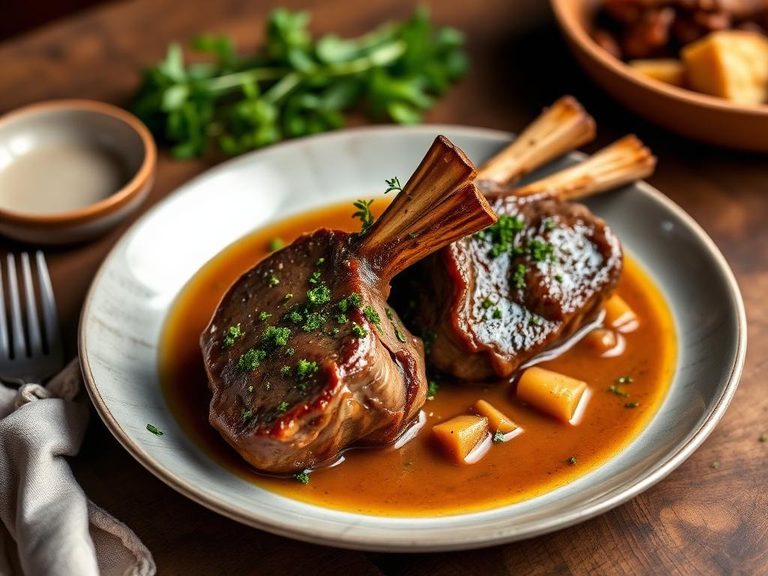
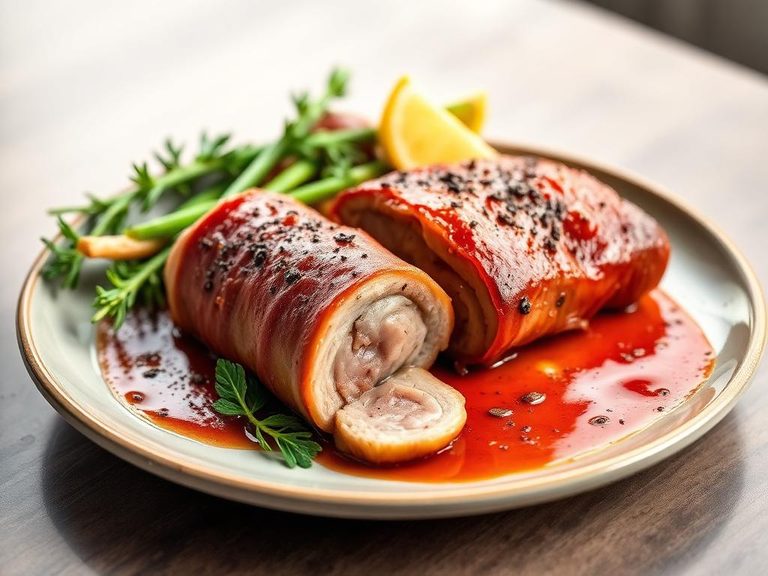
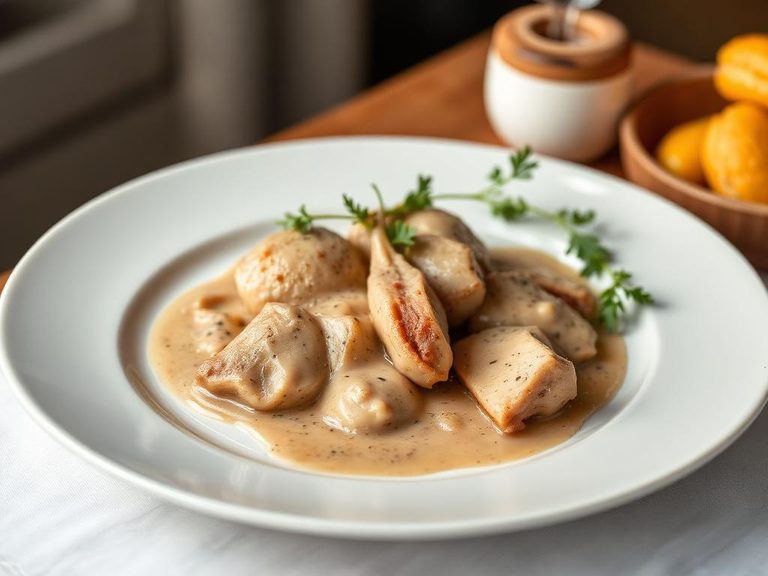
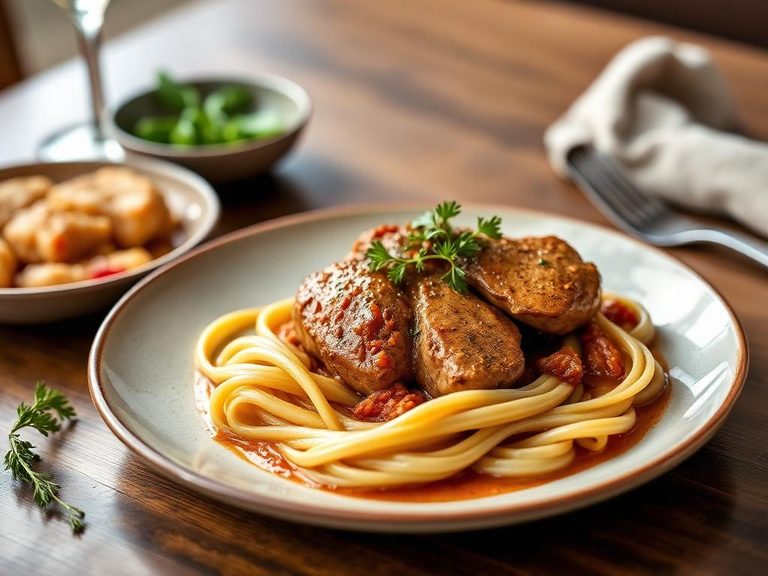
🍽️ Popular dishes
🌍 Where it's eaten
💡 Did you know?
The term 'veal' comes from the Latin word 'vitellus,' meaning 'calf,' and the meat's pale pink color is a direct result of the calf's milk-based diet.
Full nutrition (USDA data · scales with serving)
| Water | 53.3 g |
| Energy | 251 kcal |
| Energy | 1050 kj |
| Protein | 32.4 g |
| Total lipid (fat) | 12.5 g |
| Ash | 1.7 g |
| Carbohydrate, by difference | 0.00 g |
| Fiber, total dietary | 0.00 g |
| Total Sugars | 0.00 g |
| Calcium, Ca | 22.0 mg |
| Iron, Fe | 1.4 mg |
| Magnesium, Mg | 25.0 mg |
| Phosphorus, P | 210 mg |
| Potassium, K | 306 mg |
| Sodium, Na | 95.0 mg |
| Zinc, Zn | 5.6 mg |
| Copper, Cu | 0.13 mg |
| Manganese, Mn | 0.04 mg |
| Selenium, Se | 13.9 ug |
| Vitamin C, total ascorbic acid | 0.00 mg |
| Thiamin | 0.05 mg |
| Riboflavin | 0.29 mg |
| Niacin | 7.5 mg |
| Pantothenic acid | 1.1 mg |
| Vitamin B-6 | 0.32 mg |
| Folate, total | 16.0 ug |
| Folic acid | 0.00 ug |
| Folate, food | 16.0 ug |
| Folate, DFE | 16.0 ug |
| Choline, total | 126 mg |
| Betaine | 16.6 mg |
| Vitamin B-12 | 1.4 ug |
| Vitamin B-12, added | 0.00 ug |
| Vitamin A, RAE | 0.00 ug |
| Retinol | 0.00 ug |
| Carotene, beta | 0.00 ug |
| Carotene, alpha | 0.00 ug |
| Cryptoxanthin, beta | 0.00 ug |
| Vitamin A, IU | 0.00 iu |
| Lycopene | 0.00 ug |
| Lutein + zeaxanthin | 0.00 ug |
| Vitamin E (alpha-tocopherol) | 0.34 mg |
| Vitamin E, added | 0.00 mg |
| Vitamin D (D2 + D3), International Units | 0.00 iu |
| Vitamin D (D2 + D3) | 0.00 ug |
| Vitamin D3 (cholecalciferol) | 0.00 ug |
| Vitamin K (phylloquinone) | 7.0 ug |
| Vitamin K (Dihydrophylloquinone) | 0.00 ug |
| Alcohol, ethyl | 0.00 g |
| Caffeine | 0.00 mg |
| Theobromine | 0.00 mg |
Fat & fatty acid profile (per 100g)
| Fatty acids, total saturated | 5.0 g |
| SFA 4:0 | 0.00 g |
| SFA 6:0 | 0.00 g |
| SFA 8:0 | 0.00 g |
| SFA 10:0 | 0.01 g |
| SFA 12:0 | 0.03 g |
| SFA 14:0 | 0.44 g |
| SFA 16:0 | 2.6 g |
| SFA 18:0 | 1.6 g |
| Fatty acids, total monounsaturated | 4.7 g |
| MUFA 16:1 | 0.52 g |
| MUFA 18:1 | 4.0 g |
| MUFA 20:1 | 0.00 g |
| MUFA 22:1 | 0.00 g |
| Fatty acids, total polyunsaturated | 0.94 g |
| PUFA 18:2 | 0.71 g |
| PUFA 18:3 | 0.08 g |
| PUFA 18:4 | 0.00 g |
| PUFA 20:4 | 0.16 g |
| PUFA 20:5 n-3 (EPA) | 0.00 g |
| PUFA 22:5 n-3 (DPA) | 0.00 g |
| PUFA 22:6 n-3 (DHA) | 0.00 g |
| Cholesterol | 139 mg |
Amino acid profile (per 100g)
| Tryptophan | 0.33 g |
| Threonine | 1.4 g |
| Isoleucine | 1.6 g |
| Leucine | 2.6 g |
| Lysine | 2.7 g |
| Methionine | 0.76 g |
| Cystine | 0.37 g |
| Phenylalanine | 1.3 g |
| Tyrosine | 1.0 g |
| Valine | 1.8 g |
| Arginine | 1.9 g |
| Histidine | 1.2 g |
| Alanine | 1.9 g |
| Aspartic acid | 2.8 g |
| Glutamic acid | 5.1 g |
| Glycine | 1.7 g |
| Proline | 1.4 g |
| Serine | 1.2 g |
FAQ
Why is veal more expensive than beef?
Veal comes from young calves (typically 6-8 months old) and has a lower meat yield per animal compared to mature cattle. The specialized milk-based diet and shorter, more controlled raising process also contribute to higher production costs.
What's the difference between braised and roasted veal rib?
Braising is a slow, moist-heat method that breaks down collagen in the rib cut, making it exceptionally tender and ideal for stews. Roasting is a dry-heat method that creates a flavorful crust on the exterior while cooking the interior to a set doneness, resulting in a different, firmer texture.
Is the fat on braised veal rib meant to be eaten?
Yes, especially after braising. The slow cooking renders much of the fat, infusing the meat with flavor and moisture. The remaining soft, gelatinous fat is considered a delicacy by many, though it can be trimmed to taste if preferred.
Nutrient density (calculated · NRF9.3)
Nutrient Rich Foods index: beneficial nutrients (protein, fiber, vitamins, minerals) minus saturated fat, added sugar & sodium, per 100 kcal.
NRF9.3 index — Fulgoni, Keast & Drewnowski, 2009. Computed from USDA nutrients.
Weight-loss friendliness (composite index)
Energy density 2.51 kcal/g · 52% calories from protein · 0.0 g fiber · 0.0 g sugar per 100 g.
Composite of energy density (Rolls et al., 1999), protein & fiber satiety, minus sugar. A calculated heuristic — ranks satiety-per-calorie, not a clinical measure.
Dietary load (calculated from USDA values)
Potential renal acid load. Positive = acid-forming, negative = alkaline-forming.
Sodium-to-potassium ratio: 0.31 (lower is better — aim for ≤ 1)
Sodium:potassium per WHO potassium guidance. Computed from USDA nutrients.