

Lamb, shoulder, whole (arm and blade), separable lean only, trimmed to 1/4" fat, choice, raw
Whole food · Lamb, Veal, and Game Products

Photo: Wikipedia
This is a lean, whole cut from the lamb shoulder, offering a deep, robust flavor with a firm yet tender texture when cooked properly. Its impressive protein density makes it a powerhouse for muscle maintenance, while its minimal fat content keeps it relatively light for red meat. The rich, savory taste is a hallmark of quality lamb, providing a satisfying, meaty foundation for countless dishes.
Calorie split: 56% protein · 0% carbs · 44% fat
↓ Full nutrition💚 Why it's loved
People cherish this cut for its intense, authentic lamb flavor that stands up beautifully to bold herbs and spices. Its versatility makes it a beloved centerpiece for everything from slow-roasted family meals to quick, grilled kebabs, deeply embedded in culinary traditions worldwide.
⚠️ Watch-outs & how to enjoy it better
The shoulder is a working muscle, so if not cooked with sufficient time or moisture, it can become tough and chewy. For those monitoring saturated fat intake, while leaner than other cuts, it is still red meat and should be consumed in moderation. To counteract toughness, always use moist-heat methods like braising or stewing, or marinate it to break down fibers before grilling.
Key benefits
- Excellent source of complete protein (19.55g per 100g)
- Very low in carbohydrates and sugars
- Provides essential nutrients like iron, zinc, and B vitamins
- Leaner cut compared to many other lamb options
- Versatile for slow-cooking or quick searing
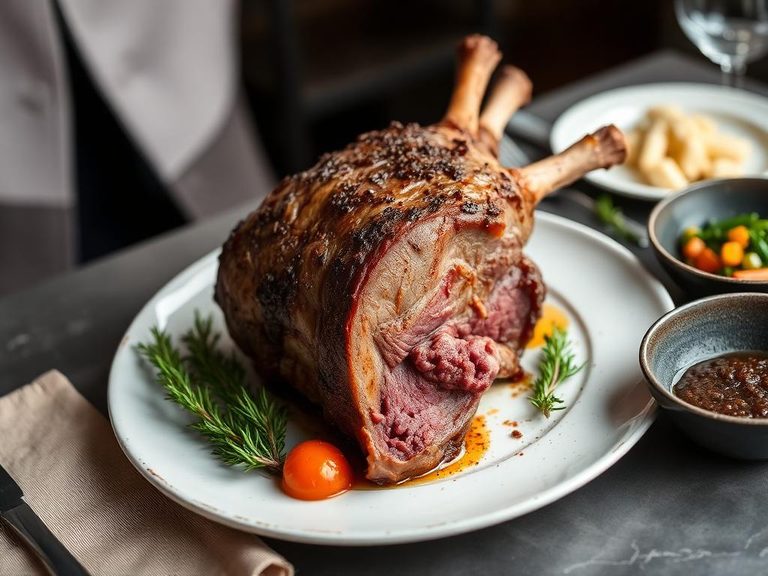
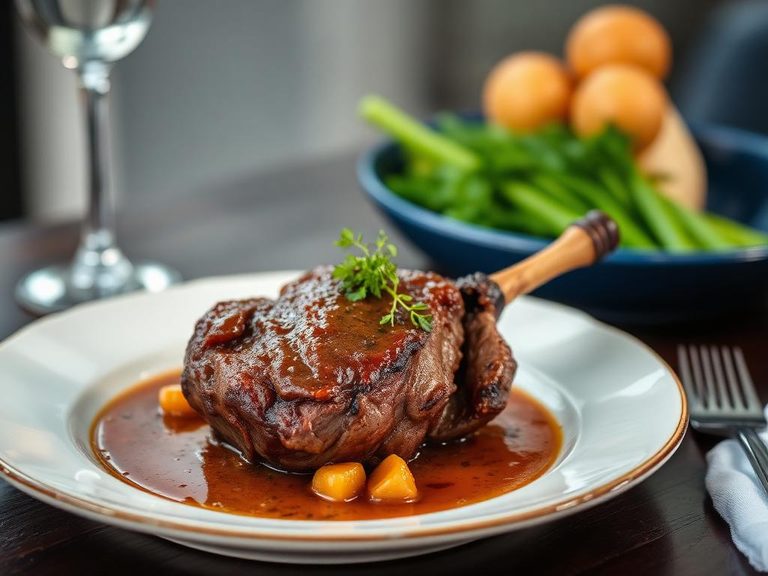
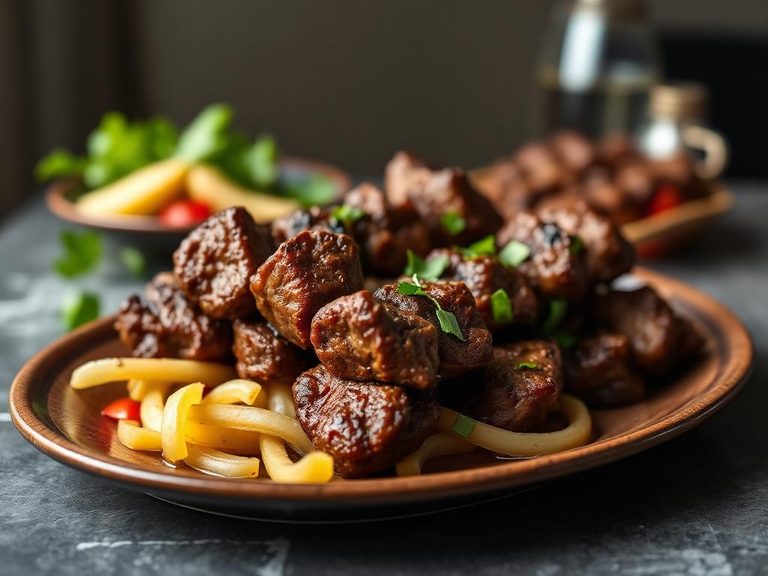
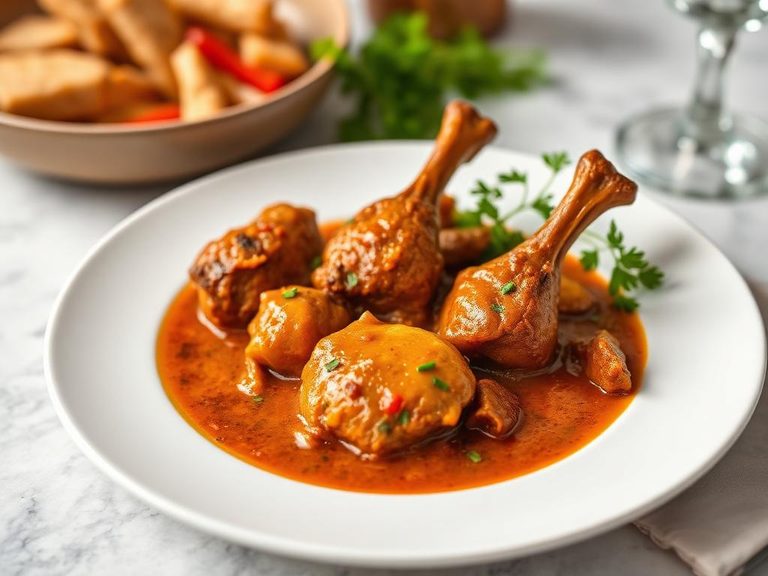
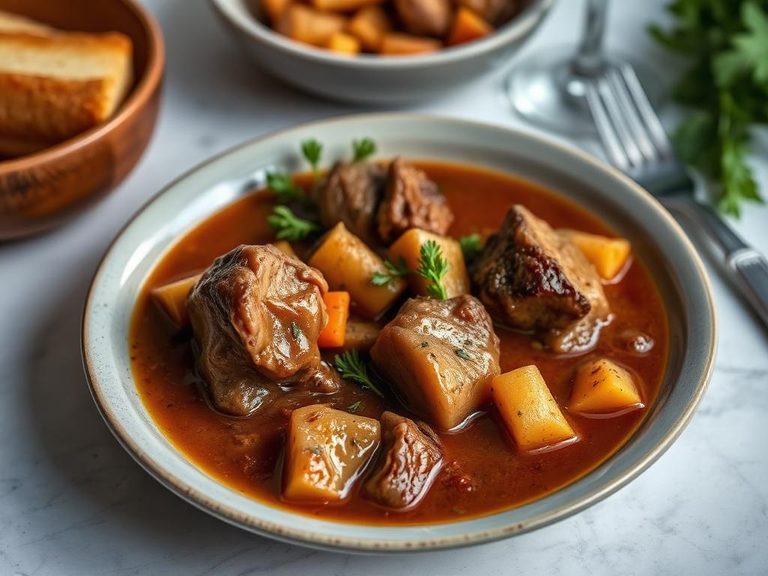
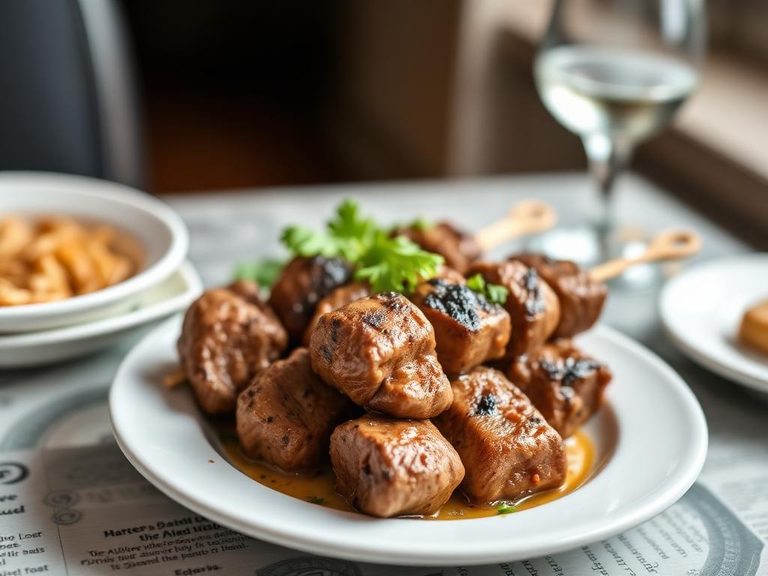
🍽️ Popular dishes
🌍 Where it's eaten
💡 Did you know?
Lamb shoulder is often considered the most flavorful cut on the animal because it contains a complex mix of muscles and connective tissue that melts into rich gelatin during slow cooking, creating unparalleled succulence.
Full nutrition (USDA data · scales with serving)
| Water | 73.0 g |
| Energy | 144 kcal |
| Energy | 602 kj |
| Protein | 19.6 g |
| Total lipid (fat) | 6.8 g |
| Ash | 1.0 g |
| Carbohydrate, by difference | 0.00 g |
| Fiber, total dietary | 0.00 g |
| Total Sugars | 0.00 g |
| Calcium, Ca | 15.0 mg |
| Iron, Fe | 1.7 mg |
| Magnesium, Mg | 24.0 mg |
| Phosphorus, P | 184 mg |
| Potassium, K | 274 mg |
| Sodium, Na | 70.0 mg |
| Zinc, Zn | 4.8 mg |
| Copper, Cu | 0.11 mg |
| Manganese, Mn | 0.02 mg |
| Selenium, Se | 22.2 ug |
| Vitamin C, total ascorbic acid | 0.00 mg |
| Thiamin | 0.12 mg |
| Riboflavin | 0.22 mg |
| Niacin | 5.5 mg |
| Pantothenic acid | 0.71 mg |
| Vitamin B-6 | 0.16 mg |
| Folate, total | 23.0 ug |
| Folic acid | 0.00 ug |
| Folate, food | 23.0 ug |
| Folate, DFE | 23.0 ug |
| Choline, total | 82.0 mg |
| Betaine | 12.1 mg |
| Vitamin B-12 | 2.8 ug |
| Vitamin B-12, added | 0.00 ug |
| Vitamin A, RAE | 0.00 ug |
| Retinol | 0.00 ug |
| Carotene, beta | 0.00 ug |
| Carotene, alpha | 0.00 ug |
| Cryptoxanthin, beta | 0.00 ug |
| Vitamin A, IU | 0.00 iu |
| Lycopene | 0.00 ug |
| Lutein + zeaxanthin | 0.00 ug |
| Vitamin E (alpha-tocopherol) | 0.22 mg |
| Vitamin E, added | 0.00 mg |
| Vitamin D (D2 + D3), International Units | 2.0 iu |
| Vitamin D (D2 + D3) | 0.10 ug |
| Vitamin D3 (cholecalciferol) | 0.10 ug |
| Vitamin K (phylloquinone) | 3.4 ug |
| Vitamin K (Dihydrophylloquinone) | 0.00 ug |
| Alcohol, ethyl | 0.00 g |
| Caffeine | 0.00 mg |
| Theobromine | 0.00 mg |
Fat & fatty acid profile (per 100g)
| Fatty acids, total saturated | 2.4 g |
| SFA 4:0 | 0.00 g |
| SFA 6:0 | 0.00 g |
| SFA 8:0 | 0.00 g |
| SFA 10:0 | 0.01 g |
| SFA 12:0 | 0.02 g |
| SFA 14:0 | 0.18 g |
| SFA 16:0 | 1.3 g |
| SFA 18:0 | 0.80 g |
| Fatty acids, total monounsaturated | 2.7 g |
| MUFA 16:1 | 0.21 g |
| MUFA 18:1 | 2.5 g |
| MUFA 20:1 | 0.00 g |
| MUFA 22:1 | 0.00 g |
| Fatty acids, total polyunsaturated | 0.62 g |
| PUFA 18:2 | 0.46 g |
| PUFA 18:3 | 0.09 g |
| PUFA 18:4 | 0.00 g |
| PUFA 20:4 | 0.06 g |
| PUFA 20:5 n-3 (EPA) | 0.00 g |
| PUFA 22:5 n-3 (DPA) | 0.00 g |
| PUFA 22:6 n-3 (DHA) | 0.00 g |
| Cholesterol | 66.0 mg |
Amino acid profile (per 100g)
| Tryptophan | 0.23 g |
| Threonine | 0.84 g |
| Isoleucine | 0.94 g |
| Leucine | 1.5 g |
| Lysine | 1.7 g |
| Methionine | 0.50 g |
| Cystine | 0.23 g |
| Phenylalanine | 0.80 g |
| Tyrosine | 0.66 g |
| Valine | 1.1 g |
| Arginine | 1.2 g |
| Histidine | 0.62 g |
| Alanine | 1.2 g |
| Aspartic acid | 1.7 g |
| Glutamic acid | 2.8 g |
| Glycine | 0.95 g |
| Proline | 0.82 g |
| Serine | 0.73 g |
FAQ
What's the best way to cook lamb shoulder to ensure tenderness?
Slow, moist cooking is key. Braising, stewing, or slow-roasting at low temperatures (around 300°F/150°C) for several hours allows the connective tissue to break down into gelatin, resulting in fall-apart tenderness.
Is this a good cut for grilling?
It can be, but it's not ideal for quick grilling. If grilling, it's best to cut it into smaller pieces for kebabs or use a marinade with acidic ingredients (like yogurt or lemon juice) to help tenderize the meat beforehand.
How does the nutrition compare to lamb leg?
Lamb shoulder (lean) is generally slightly higher in fat than a trimmed lamb leg, but the difference is minimal. Both are excellent protein sources; the choice often comes down to flavor preference (shoulder is richer) and cooking method.
Nutrient density (calculated · NRF9.3)
Nutrient Rich Foods index: beneficial nutrients (protein, fiber, vitamins, minerals) minus saturated fat, added sugar & sodium, per 100 kcal.
NRF9.3 index — Fulgoni, Keast & Drewnowski, 2009. Computed from USDA nutrients.
Weight-loss friendliness (composite index)
Energy density 1.44 kcal/g · 54% calories from protein · 0.0 g fiber · 0.0 g sugar per 100 g.
Composite of energy density (Rolls et al., 1999), protein & fiber satiety, minus sugar. A calculated heuristic — ranks satiety-per-calorie, not a clinical measure.
Dietary load (calculated from USDA values)
Potential renal acid load. Positive = acid-forming, negative = alkaline-forming.
Sodium-to-potassium ratio: 0.26 (lower is better — aim for ≤ 1)
Sodium:potassium per WHO potassium guidance. Computed from USDA nutrients.