

Cornmeal, whole-grain, yellow
Whole food · Cereal Grains and Pasta

Photo: Wikipedia
Yellow whole-grain cornmeal is a coarse, golden flour ground from dried corn kernels, retaining the germ and bran for a nutty, earthy flavor and a pleasantly gritty texture when cooked. It's a nutritional powerhouse, offering a substantial 7.3g of fiber per 100g alongside a solid 8.12g of protein, making it a hearty, sustaining base for many dishes.
Calorie split: 9% protein · 83% carbs · 9% fat
↓ Full nutrition💚 Why it's loved
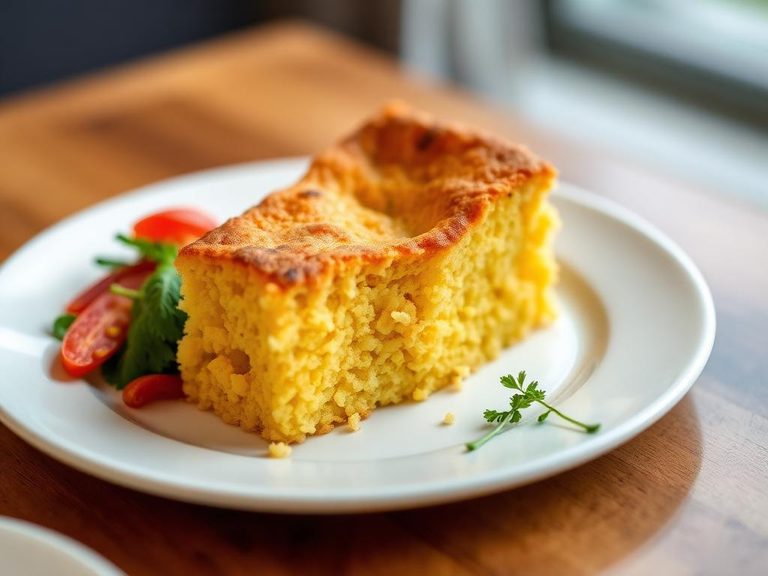
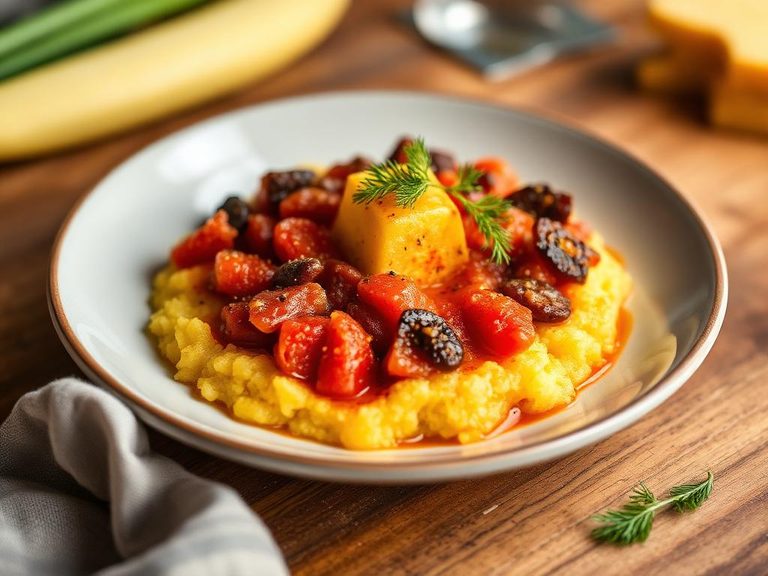
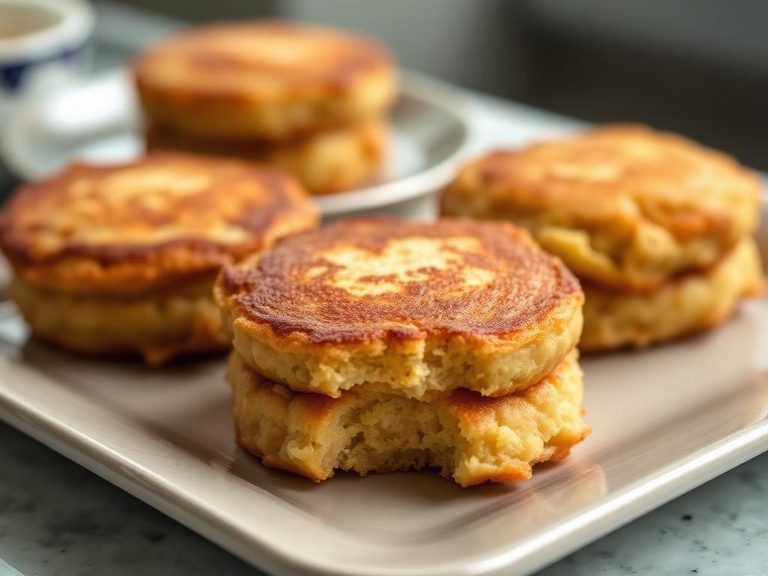
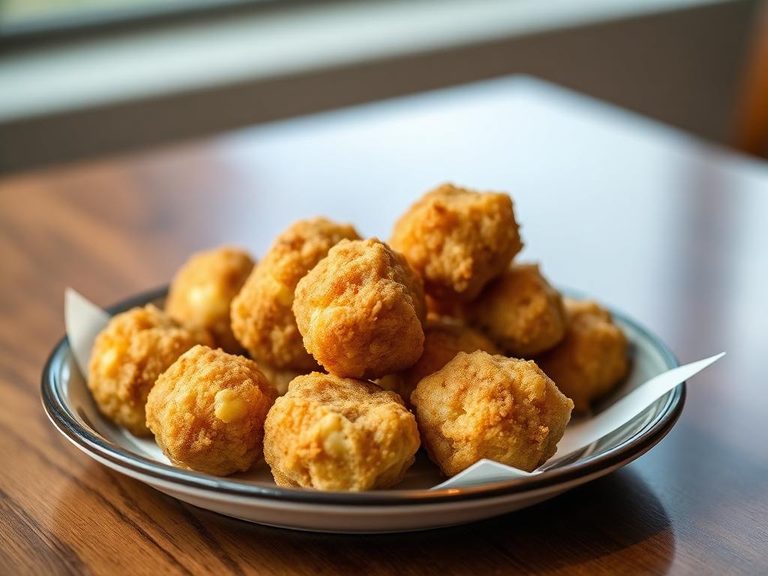
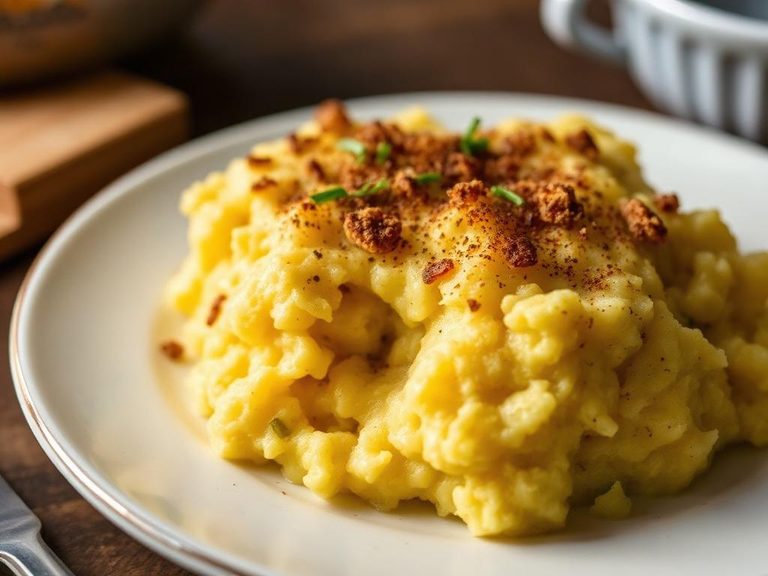
People love it for its rustic, comforting flavor that forms the backbone of iconic dishes from Southern US cornbread to Italian polenta. Its versatility allows it to be baked into breads, cooked into creamy porridges, or fried into crispy cakes, making it a beloved staple across many cultures.
⚠️ Watch-outs & how to enjoy it better
Its high carbohydrate content can lead to blood-sugar spikes if consumed in large portions without balancing nutrients. To counteract this, pair it with protein (like beans or cheese) and healthy fats (like olive oil or avocado), and practice portion control by using it as a side rather than the main dish.
Key benefits
- High in dietary fiber for digestive health
- Good source of plant-based protein
- Rich in complex carbohydrates for sustained energy
- Contains essential minerals like iron and magnesium
- Naturally gluten-free
🍽️ Popular dishes
🌍 Where it's eaten
💡 Did you know?
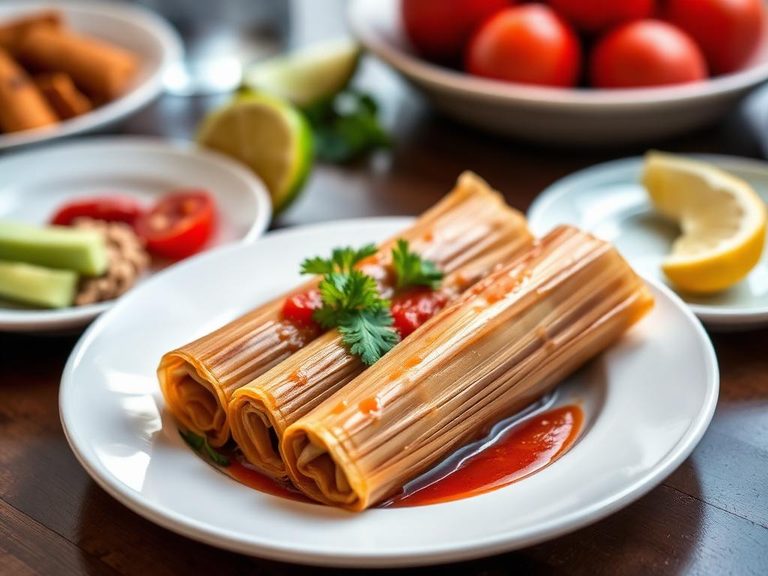
The process of nixtamalization, where corn is soaked in an alkaline solution (like lime water), unlocks the niacin (vitamin B3) in cornmeal and is a key step in making traditional tortillas and tamales.
Full nutrition (USDA data · scales with serving)
| Water | 10.3 g |
| Energy | 362 kcal |
| Energy | 1515 kj |
| Protein | 8.1 g |
| Total lipid (fat) | 3.6 g |
| Ash | 1.1 g |
| Carbohydrate, by difference | 76.9 g |
| Fiber, total dietary | 7.3 g |
| Total Sugars | 0.64 g |
| Calcium, Ca | 6.0 mg |
| Iron, Fe | 3.5 mg |
| Magnesium, Mg | 127 mg |
| Phosphorus, P | 241 mg |
| Potassium, K | 287 mg |
| Sodium, Na | 35.0 mg |
| Zinc, Zn | 1.8 mg |
| Copper, Cu | 0.19 mg |
| Manganese, Mn | 0.50 mg |
| Selenium, Se | 15.5 ug |
| Vitamin C, total ascorbic acid | 0.00 mg |
| Thiamin | 0.39 mg |
| Riboflavin | 0.20 mg |
| Niacin | 3.6 mg |
| Pantothenic acid | 0.42 mg |
| Vitamin B-6 | 0.30 mg |
| Folate, total | 25.0 ug |
| Folic acid | 0.00 ug |
| Folate, food | 25.0 ug |
| Folate, DFE | 25.0 ug |
| Choline, total | 21.6 mg |
| Betaine | 11.6 mg |
| Vitamin B-12 | 0.00 ug |
| Vitamin B-12, added | 0.00 ug |
| Vitamin A, RAE | 11.0 ug |
| Retinol | 0.00 ug |
| Carotene, beta | 97.0 ug |
| Carotene, alpha | 63.0 ug |
| Cryptoxanthin, beta | 0.00 ug |
| Vitamin A, IU | 214 iu |
| Lycopene | 0.00 ug |
| Lutein + zeaxanthin | 1355 ug |
| Vitamin E (alpha-tocopherol) | 0.42 mg |
| Vitamin E, added | 0.00 mg |
| Tocopherol, beta | 0.00 mg |
| Tocopherol, gamma | 1.9 mg |
| Tocopherol, delta | 0.00 mg |
| Tocotrienol, alpha | 0.21 mg |
| Tocotrienol, beta | 0.00 mg |
| Tocotrienol, gamma | 0.13 mg |
| Tocotrienol, delta | 0.00 mg |
| Vitamin D (D2 + D3), International Units | 0.00 iu |
| Vitamin D (D2 + D3) | 0.00 ug |
| Vitamin K (phylloquinone) | 0.30 ug |
| Alcohol, ethyl | 0.00 g |
| Caffeine | 0.00 mg |
| Theobromine | 0.00 mg |
Fat & fatty acid profile (per 100g)
| Fatty acids, total saturated | 0.51 g |
| SFA 4:0 | 0.00 g |
| SFA 6:0 | 0.00 g |
| SFA 8:0 | 0.00 g |
| SFA 10:0 | 0.00 g |
| SFA 12:0 | 0.00 g |
| SFA 14:0 | 0.00 g |
| SFA 16:0 | 0.43 g |
| SFA 18:0 | 0.06 g |
| Fatty acids, total monounsaturated | 0.95 g |
| MUFA 16:1 | 0.00 g |
| MUFA 18:1 | 0.94 g |
| MUFA 20:1 | 0.00 g |
| MUFA 22:1 | 0.00 g |
| Fatty acids, total polyunsaturated | 1.6 g |
| PUFA 18:2 | 1.6 g |
| PUFA 18:3 | 0.05 g |
| PUFA 18:4 | 0.00 g |
| PUFA 20:4 | 0.00 g |
| PUFA 20:5 n-3 (EPA) | 0.00 g |
| PUFA 22:5 n-3 (DPA) | 0.00 g |
| PUFA 22:6 n-3 (DHA) | 0.00 g |
| Cholesterol | 0.00 mg |
Amino acid profile (per 100g)
| Tryptophan | 0.06 g |
| Threonine | 0.30 g |
| Isoleucine | 0.29 g |
| Leucine | 1.00 g |
| Lysine | 0.23 g |
| Methionine | 0.17 g |
| Cystine | 0.15 g |
| Phenylalanine | 0.40 g |
| Tyrosine | 0.33 g |
| Valine | 0.41 g |
| Arginine | 0.41 g |
| Histidine | 0.25 g |
| Alanine | 0.61 g |
| Aspartic acid | 0.56 g |
| Glutamic acid | 1.5 g |
| Glycine | 0.33 g |
| Proline | 0.71 g |
| Serine | 0.39 g |
FAQ
What is the difference between cornmeal and corn flour?
Cornmeal is coarsely ground, while corn flour is finely ground. Cornmeal gives a gritty texture, while corn flour creates a smoother, more uniform crumb.
Is yellow cornmeal more nutritious than white?
They are nutritionally very similar. Yellow cornmeal contains more carotenoids like beta-carotene (a precursor to vitamin A), giving it its color.
How should I store cornmeal?
Store it in an airtight container in a cool, dark place. For long-term storage, keep it in the refrigerator or freezer to prevent the oils from going rancid.
Nutrient density (calculated · NRF9.3)
Nutrient Rich Foods index: beneficial nutrients (protein, fiber, vitamins, minerals) minus saturated fat, added sugar & sodium, per 100 kcal.
NRF9.3 index — Fulgoni, Keast & Drewnowski, 2009. Computed from USDA nutrients.
Weight-loss friendliness (composite index)
Energy density 3.62 kcal/g · 9% calories from protein · 7.3 g fiber · 0.6 g sugar per 100 g.
Composite of energy density (Rolls et al., 1999), protein & fiber satiety, minus sugar. A calculated heuristic — ranks satiety-per-calorie, not a clinical measure.
Dietary load (calculated from USDA values)
Potential renal acid load. Positive = acid-forming, negative = alkaline-forming.
Sodium-to-potassium ratio: 0.12 (lower is better — aim for ≤ 1)
Sodium:potassium per WHO potassium guidance. Computed from USDA nutrients.