

Polenta
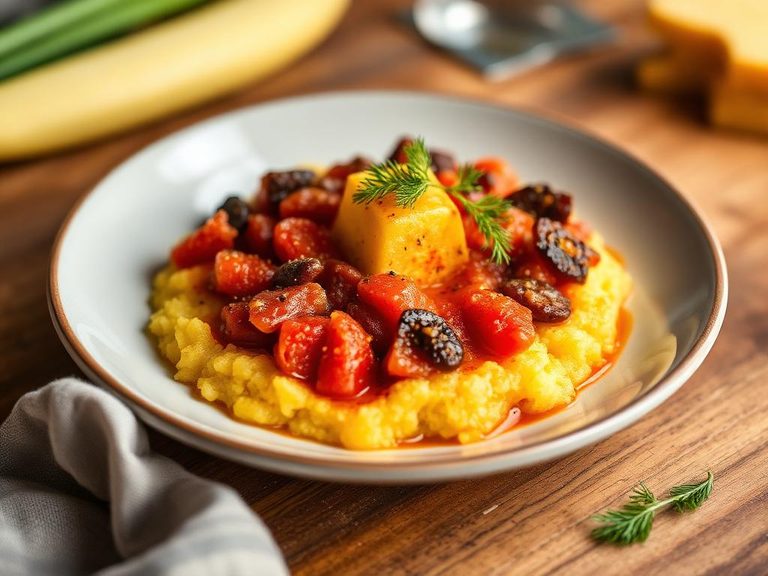
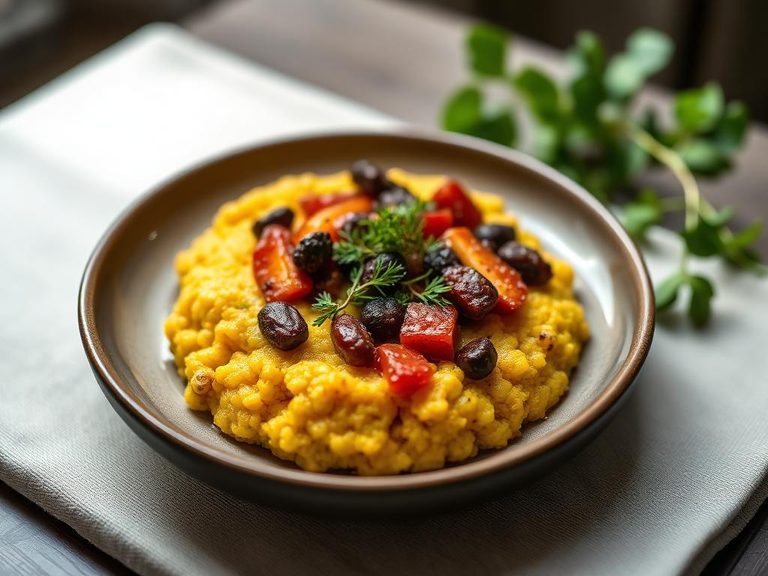
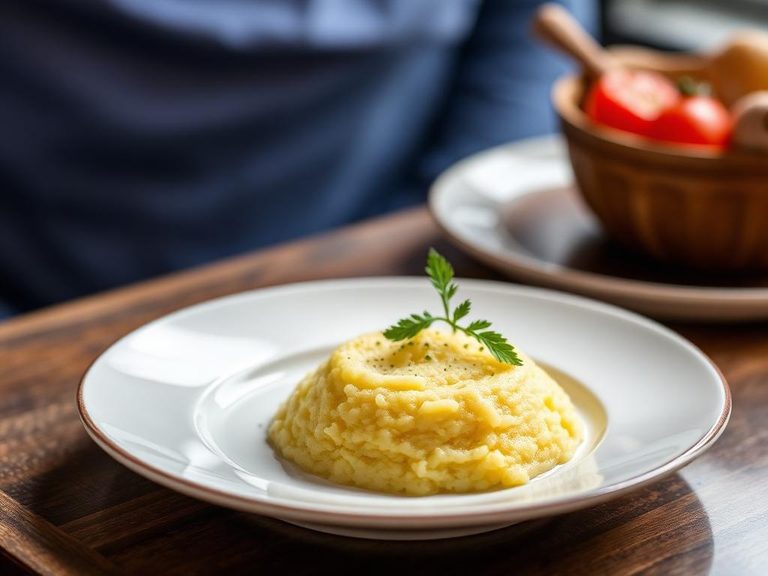
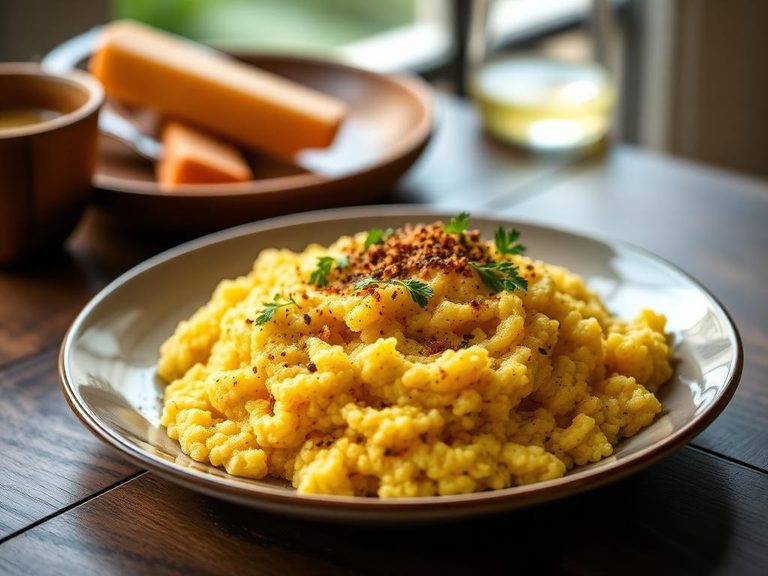
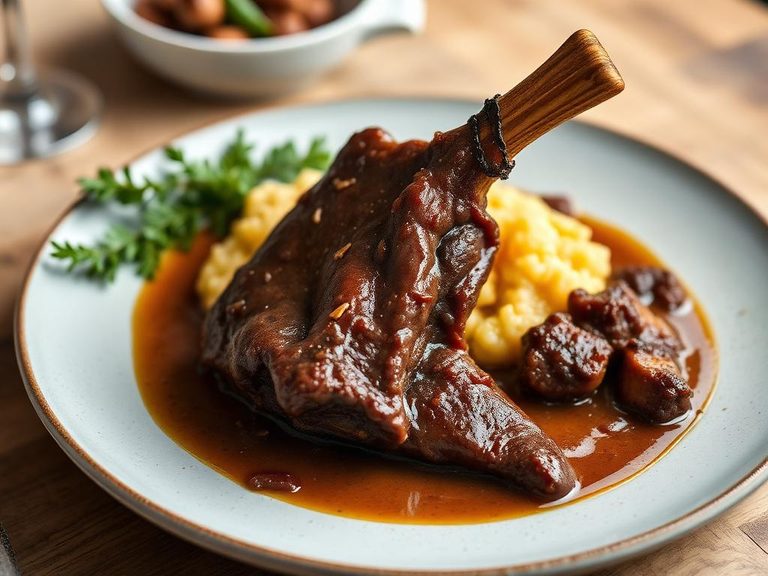
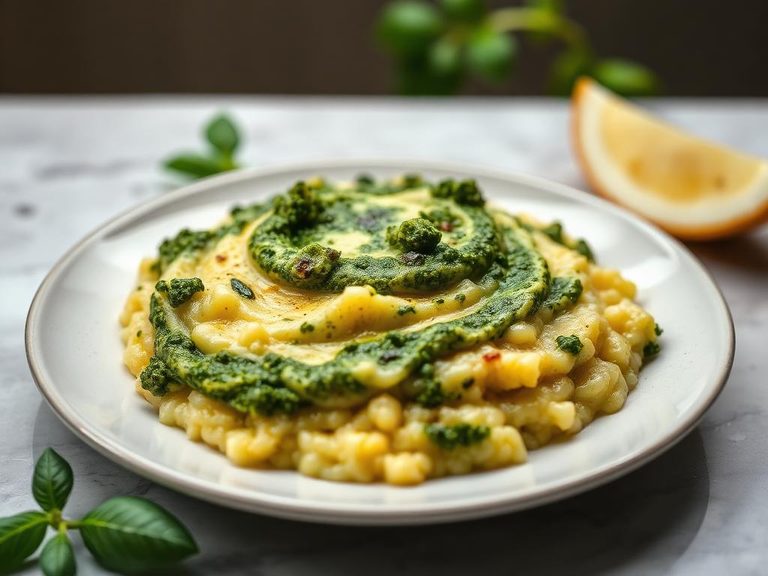
Polenta is a traditional Italian dish made from boiled cornmeal, which can be served creamy and soft or allowed to set and then grilled or fried. It is a staple of Northern Italian cuisine, particularly in regions like Lombardy and Veneto, and is often paired with rich stews, cheeses, or meats. The dish has ancient origins and was originally a peasant food made from various grains before corn became the primary ingredient.
🍳 View the full Polenta recipe →
🍽️ Nutrition at a glance
Polenta is primarily a carbohydrate-rich food, providing a good source of energy, and it is relatively low in fat and protein unless prepared with added ingredients like butter or cheese. A typical serving of plain polenta (about 1 cup) contains roughly 100-150 calories, along with essential nutrients like fiber, vitamin C, and minerals such as magnesium and phosphorus.
Nutrition breakdown
| Calories | 180 kcal |
| Protein | 3.5 g |
| Carbs | 39 g |
| Fat | 1 g |
| Fiber | 2 g |
| Sugar | 1 g |
| Sodium | 10 mg |
| Potassium | 150 mg |
| Iron | 1.5 mg |
| Magnesium | 40 mg |
| Phosphorus | 120 mg |
| Folate | 50 mcg |
| Thiamin (B1) | 0.2 mg |
| Niacin (B3) | 1.8 mg |
| Zinc | 0.5 mg |
Per 1 cup (240 g) · estimated, varies by recipe
💡 What's interesting
Polenta is culturally significant as a versatile comfort food that can be adapted to both rustic and gourmet preparations, and it is often associated with communal meals and family gatherings in Italian culture. Nutritionally, it is unique because it is naturally gluten-free, making it a suitable option for those with gluten sensitivities, and its high fiber content can aid in digestion and sustained energy release.
🍽️ Related dishes
AI estimate may be inaccurate · Terms