

Chicken, roasting, light meat, meat only, cooked, roasted
Whole food · Poultry Products

Photo: Wikipedia
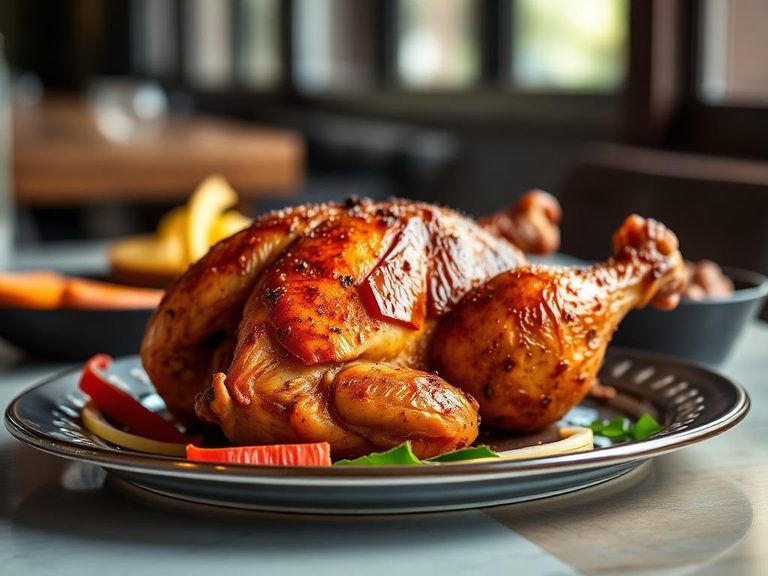
This is the lean, white breast meat of a chicken, roasted to a golden-brown exterior while remaining tender and juicy inside. Its flavor is mild, clean, and subtly savory, with a firm yet succulent texture that shreds beautifully. Nutritionally, it's a powerhouse of complete protein with virtually no fat or carbohydrates.
Calorie split: 75% protein · 0% carbs · 25% fat
↓ Full nutrition💚 Why it's loved
People adore it for its reliable, crowd-pleasing mildness that acts as a blank canvas for countless seasonings and sauces. Its satisfying, protein-rich bite makes it a staple for everything from quick weeknight dinners to celebratory feasts across global cuisines.
⚠️ Watch-outs & how to enjoy it better
It can become dry and chalky if overcooked, a common pitfall that disappoints many home cooks. To counteract this, brine the meat before cooking or roast it just until the internal temperature reaches 165°F (74°C), then let it rest. Those monitoring sodium intake should be mindful of pre-brined or seasoned rotisserie versions.
Key benefits
- Excellent source of lean, complete protein for muscle maintenance
- Very low in fat and carbohydrates, ideal for calorie-conscious diets
- Rich in niacin (vitamin B3) and selenium, supporting energy metabolism
- Versatile base ingredient that absorbs surrounding flavors well
🍽️ Popular dishes
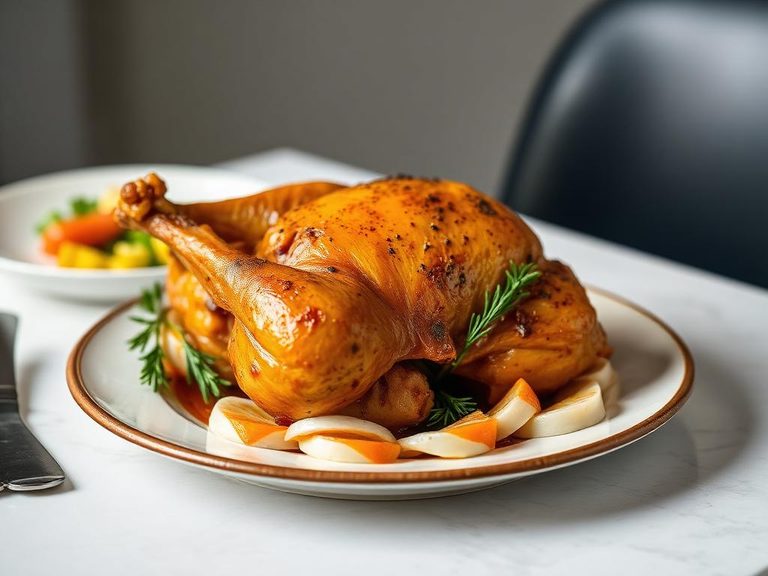
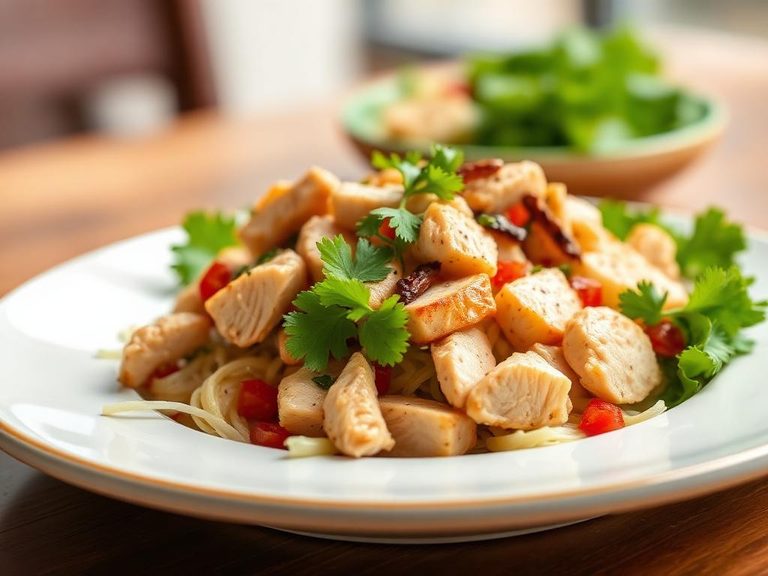
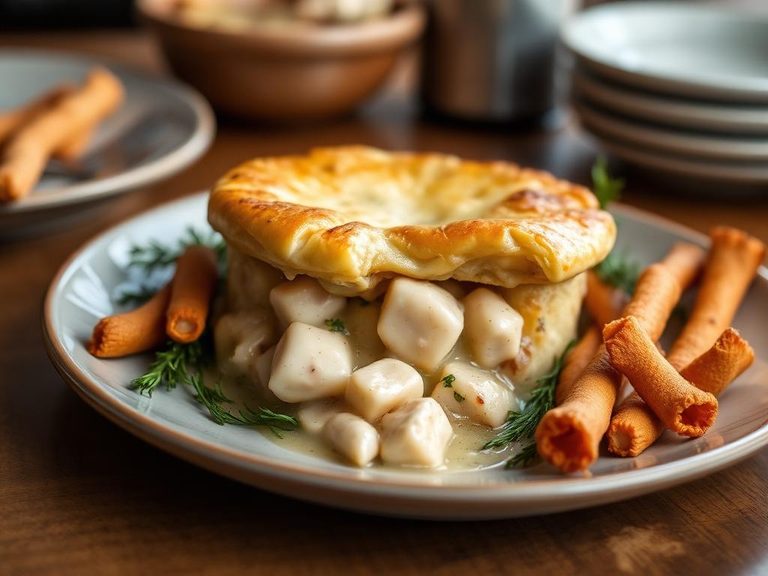
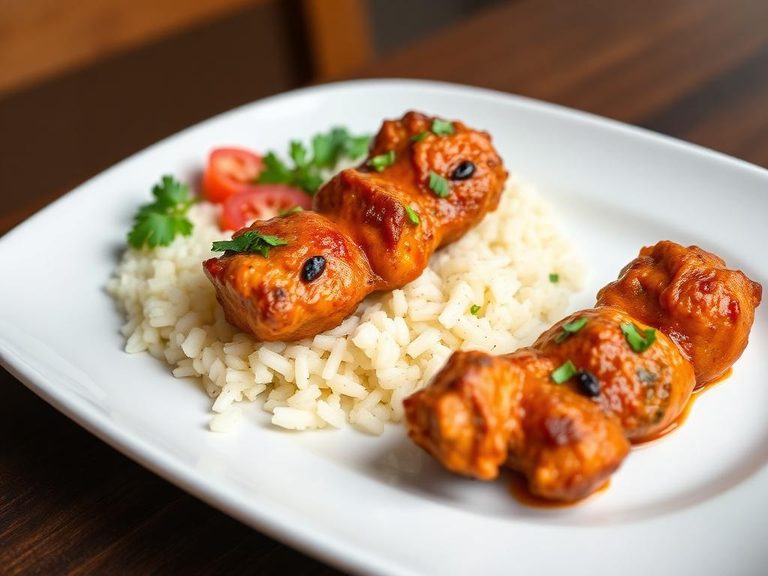
🌍 Where it's eaten
💡 Did you know?
The reason white meat cooks faster than dark meat isn't just fat content; it's because breast muscle fibers are designed for short bursts of flight and have less myoglobin, the protein that stores oxygen in endurance muscles.
Full nutrition (USDA data · scales with serving)
| Water | 67.8 g |
| Energy | 153 kcal |
| Energy | 640 kj |
| Protein | 27.1 g |
| Total lipid (fat) | 4.1 g |
| Ash | 0.95 g |
| Carbohydrate, by difference | 0.00 g |
| Fiber, total dietary | 0.00 g |
| Total Sugars | 0.00 g |
| Calcium, Ca | 13.0 mg |
| Iron, Fe | 1.1 mg |
| Magnesium, Mg | 23.0 mg |
| Phosphorus, P | 217 mg |
| Potassium, K | 236 mg |
| Sodium, Na | 51.0 mg |
| Zinc, Zn | 0.78 mg |
| Copper, Cu | 0.04 mg |
| Manganese, Mn | 0.01 mg |
| Selenium, Se | 25.8 ug |
| Vitamin C, total ascorbic acid | 0.00 mg |
| Thiamin | 0.06 mg |
| Riboflavin | 0.09 mg |
| Niacin | 10.5 mg |
| Pantothenic acid | 0.91 mg |
| Vitamin B-6 | 0.54 mg |
| Folate, total | 3.0 ug |
| Folic acid | 0.00 ug |
| Folate, food | 3.0 ug |
| Folate, DFE | 3.0 ug |
| Choline, total | 76.8 mg |
| Betaine | 5.6 mg |
| Vitamin B-12 | 0.31 ug |
| Vitamin B-12, added | 0.00 ug |
| Vitamin A, RAE | 8.0 ug |
| Retinol | 8.0 ug |
| Carotene, beta | 0.00 ug |
| Carotene, alpha | 0.00 ug |
| Cryptoxanthin, beta | 0.00 ug |
| Vitamin A, IU | 25.0 iu |
| Lycopene | 0.00 ug |
| Lutein + zeaxanthin | 0.00 ug |
| Vitamin E (alpha-tocopherol) | 0.27 mg |
| Vitamin E, added | 0.00 mg |
| Vitamin D (D2 + D3), International Units | 5.0 iu |
| Vitamin D (D2 + D3) | 0.10 ug |
| Vitamin D3 (cholecalciferol) | 0.10 ug |
| Vitamin K (phylloquinone) | 0.30 ug |
| Vitamin K (Dihydrophylloquinone) | 0.00 ug |
| Alcohol, ethyl | 0.00 g |
| Caffeine | 0.00 mg |
| Theobromine | 0.00 mg |
Fat & fatty acid profile (per 100g)
| Fatty acids, total saturated | 1.1 g |
| SFA 4:0 | 0.00 g |
| SFA 6:0 | 0.00 g |
| SFA 8:0 | 0.00 g |
| SFA 10:0 | 0.00 g |
| SFA 12:0 | 0.00 g |
| SFA 14:0 | 0.03 g |
| SFA 16:0 | 0.76 g |
| SFA 18:0 | 0.25 g |
| Fatty acids, total monounsaturated | 1.5 g |
| MUFA 16:1 | 0.20 g |
| MUFA 18:1 | 1.3 g |
| MUFA 20:1 | 0.03 g |
| MUFA 22:1 | 0.00 g |
| Fatty acids, total polyunsaturated | 0.93 g |
| PUFA 18:2 | 0.69 g |
| PUFA 18:3 | 0.03 g |
| PUFA 18:4 | 0.00 g |
| PUFA 20:4 | 0.10 g |
| PUFA 20:5 n-3 (EPA) | 0.00 g |
| PUFA 22:5 n-3 (DPA) | 0.01 g |
| PUFA 22:6 n-3 (DHA) | 0.03 g |
| Cholesterol | 75.0 mg |
Amino acid profile (per 100g)
| Tryptophan | 0.32 g |
| Threonine | 1.1 g |
| Isoleucine | 1.4 g |
| Leucine | 2.0 g |
| Lysine | 2.3 g |
| Methionine | 0.75 g |
| Cystine | 0.35 g |
| Phenylalanine | 1.1 g |
| Tyrosine | 0.92 g |
| Valine | 1.3 g |
| Arginine | 1.6 g |
| Histidine | 0.84 g |
| Alanine | 1.5 g |
| Aspartic acid | 2.4 g |
| Glutamic acid | 4.1 g |
| Glycine | 1.3 g |
| Proline | 1.1 g |
| Serine | 0.93 g |
FAQ
Why does my roasted chicken breast always turn out dry?
The primary cause is overcooking. Use a meat thermometer and pull it from the oven at 165°F (74°C). Letting it rest for 5-10 minutes before slicing allows juices to redistribute. Brining in a saltwater solution beforehand also helps the meat retain moisture.
Is roasted chicken breast a complete protein?
Yes, it is. It contains all nine essential amino acids that the human body cannot produce on its own, making it a high-quality protein source for muscle repair and overall health.
How does it compare nutritionally to chicken thigh?
Breast meat is significantly leaner, with less total fat and fewer calories per gram. Thigh meat has more fat and iron, giving it a richer flavor and more forgiving texture when cooked, but it is also higher in calories.
Nutrient density (calculated · NRF9.3)
Nutrient Rich Foods index: beneficial nutrients (protein, fiber, vitamins, minerals) minus saturated fat, added sugar & sodium, per 100 kcal.
NRF9.3 index — Fulgoni, Keast & Drewnowski, 2009. Computed from USDA nutrients.
Weight-loss friendliness (composite index)
Energy density 1.53 kcal/g · 71% calories from protein · 0.0 g fiber · 0.0 g sugar per 100 g.
Composite of energy density (Rolls et al., 1999), protein & fiber satiety, minus sugar. A calculated heuristic — ranks satiety-per-calorie, not a clinical measure.
Dietary load (calculated from USDA values)
Potential renal acid load. Positive = acid-forming, negative = alkaline-forming.
Sodium-to-potassium ratio: 0.22 (lower is better — aim for ≤ 1)
Sodium:potassium per WHO potassium guidance. Computed from USDA nutrients.