

Bread, naan, whole wheat, commercially prepared, refrigerated
Whole food · Baked Products

Photo: Wikipedia
This is a soft, chewy, whole-wheat naan, a leavened flatbread that's been commercially prepared and refrigerated for convenience. It offers a slightly nutty, earthy flavor from the whole wheat flour, with a tender, pliable texture that's perfect for tearing and dipping. Nutritionally, it provides a solid source of protein and dietary fiber, making it a more substantial choice than many refined-flour flatbreads.
Calorie split: 14% protein · 65% carbs · 21% fat
↓ Full nutrition💚 Why it's loved
People love its signature soft, pillowy texture and the subtle, toasty flavor of whole wheat that complements a wide range of dishes. It's a beloved staple for its ability to scoop up curries, wrap fillings, or simply be enjoyed warm with butter.
⚠️ Watch-outs & how to enjoy it better
As a commercially prepared bread, it can be higher in sodium than homemade versions, which may concern those monitoring salt intake. The carbohydrate content, while from whole grains, can still impact blood sugar if eaten in large portions alone. To counteract this, pair it with protein-rich foods like lentils, chickpeas, or yogurt-based raita, and practice portion control by enjoying one piece as part of a balanced meal.
Key benefits
- Good source of plant-based protein (10.2g per 100g).
- High in dietary fiber (4.8g per 100g) for digestive health.
- Whole wheat provides more nutrients and sustained energy than white flour.
- Convenient refrigerated format for quick meals.
- Versatile base for both savory and mild sweet toppings.
🍽️ Popular dishes

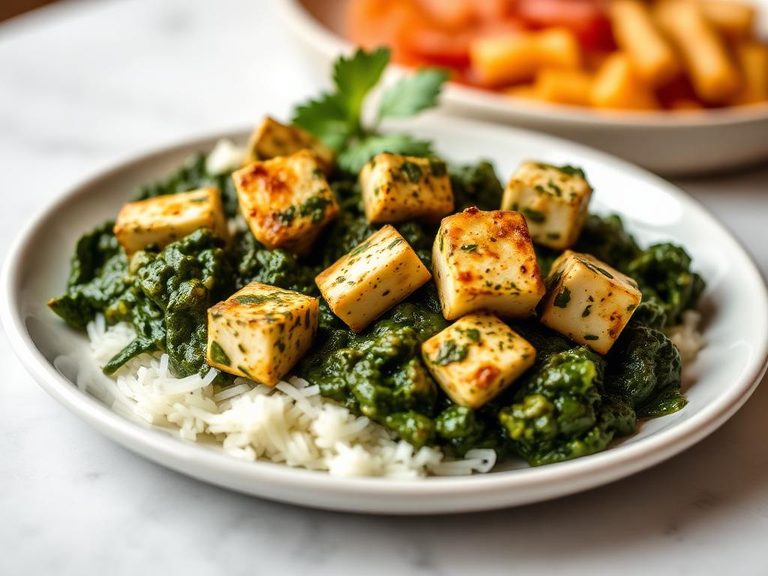
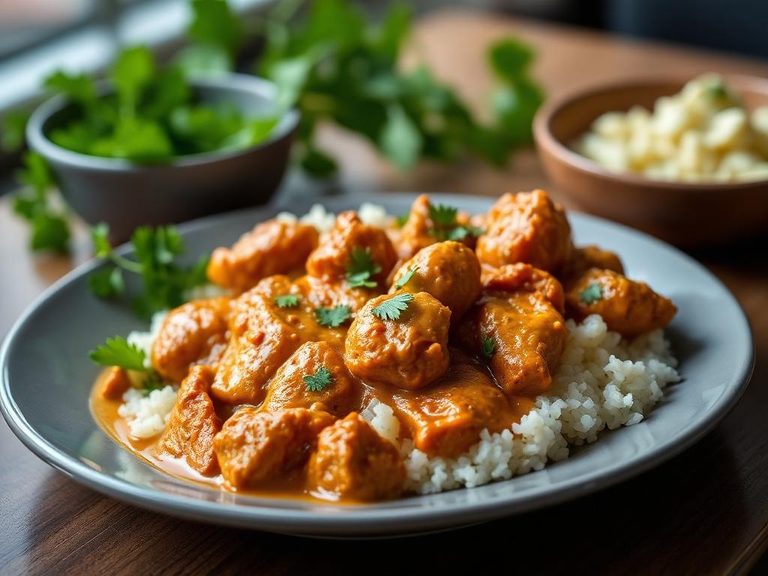
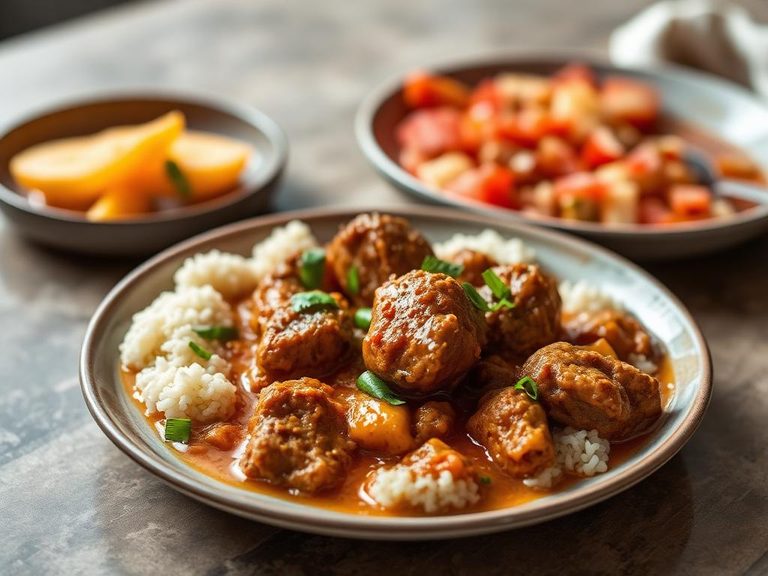


🌍 Where it's eaten
💡 Did you know?
The word 'naan' comes from the Persian word for 'bread,' and it's one of the oldest known flatbreads, with records of a similar bread baked in a tandoor oven dating back to the 1300s.
Full nutrition (USDA data · scales with serving)
| Water | 34.9 g |
| Energy | 286 kcal |
| Energy | 1196 kj |
| Protein | 10.2 g |
| Total lipid (fat) | 6.7 g |
| Ash | 2.0 g |
| Carbohydrate, by difference | 46.2 g |
| Fiber, total dietary | 4.8 g |
| Total Sugars | 3.4 g |
| Sucrose | 0.00 g |
| Glucose | 0.60 g |
| Fructose | 0.80 g |
| Lactose | 0.50 g |
| Maltose | 1.5 g |
| Galactose | 0.00 g |
| Starch | 36.0 g |
| Calcium, Ca | 59.0 mg |
| Iron, Fe | 1.7 mg |
| Magnesium, Mg | 68.0 mg |
| Phosphorus, P | 188 mg |
| Potassium, K | 185 mg |
| Sodium, Na | 467 mg |
| Zinc, Zn | 1.2 mg |
| Copper, Cu | 0.16 mg |
| Manganese, Mn | 1.4 mg |
| Selenium, Se | 11.4 ug |
| Vitamin C, total ascorbic acid | 0.00 mg |
| Thiamin | 0.18 mg |
| Riboflavin | 0.18 mg |
| Niacin | 3.6 mg |
| Vitamin B-6 | 0.13 mg |
| Folate, total | 16.0 ug |
| Folic acid | 0.00 ug |
| Folate, food | 16.0 ug |
| Folate, DFE | 16.0 ug |
| Choline, total | 10.1 mg |
| Vitamin B-12 | 0.00 ug |
| Vitamin B-12, added | 0.00 ug |
| Vitamin A, RAE | 2.0 ug |
| Retinol | 2.0 ug |
| Carotene, beta | 0.00 ug |
| Carotene, alpha | 0.00 ug |
| Cryptoxanthin, beta | 0.00 ug |
| Vitamin A, IU | 6.0 iu |
| Lycopene | 0.00 ug |
| Lutein + zeaxanthin | 11.0 ug |
| Vitamin E (alpha-tocopherol) | 1.3 mg |
| Vitamin E, added | 0.00 mg |
| Vitamin D (D2 + D3), International Units | 0.00 iu |
| Vitamin D (D2 + D3) | 0.00 ug |
| Vitamin K (phylloquinone) | 3.3 ug |
| Alcohol, ethyl | 0.00 g |
| Caffeine | 0.00 mg |
| Theobromine | 0.00 mg |
Fat & fatty acid profile (per 100g)
| Fatty acids, total saturated | 2.9 g |
| SFA 4:0 | 0.00 g |
| SFA 6:0 | 0.00 g |
| SFA 8:0 | 0.00 g |
| SFA 10:0 | 0.01 g |
| SFA 12:0 | 0.03 g |
| SFA 14:0 | 0.06 g |
| SFA 16:0 | 2.5 g |
| SFA 18:0 | 0.33 g |
| Fatty acids, total monounsaturated | 1.9 g |
| MUFA 16:1 | 0.01 g |
| MUFA 18:1 | 1.9 g |
| MUFA 20:1 | 0.01 g |
| MUFA 22:1 | 0.00 g |
| Fatty acids, total polyunsaturated | 1.3 g |
| PUFA 18:2 | 1.2 g |
| PUFA 18:3 | 0.04 g |
| PUFA 18:4 | 0.00 g |
| PUFA 20:4 | 0.00 g |
| PUFA 20:5 n-3 (EPA) | 0.00 g |
| PUFA 22:5 n-3 (DPA) | 0.00 g |
| PUFA 22:6 n-3 (DHA) | 0.00 g |
| Cholesterol | 1.0 mg |
Amino acid profile (per 100g)
Estimated from Bread, salvadoran sweet cheese (quesadilla salvadorena) — USDA does not publish this profile for Bread.
| Tryptophan | 0.07 g |
| Threonine | 0.21 g |
| Isoleucine | 0.30 g |
| Leucine | 0.65 g |
| Lysine | 0.50 g |
| Methionine | 0.28 g |
| Cystine | 0.06 g |
| Phenylalanine | 0.37 g |
| Tyrosine | 0.23 g |
| Valine | 0.43 g |
| Arginine | 0.25 g |
| Histidine | 0.15 g |
| Alanine | 0.36 g |
| Aspartic acid | 0.59 g |
| Glutamic acid | 1.3 g |
| Glycine | 0.20 g |
| Proline | 0.83 g |
| Serine | 0.45 g |
| Hydroxyproline | 0.00 g |
FAQ
How is refrigerated naan different from frozen naan?
Refrigerated naan is typically softer and fresher-tasting straight from the package, requiring only a quick warm-up. Frozen naan has a longer shelf life but may require a longer heating time and can sometimes be slightly drier if not heated properly.
Can I reheat this naan to make it taste fresh?
Yes! For the best results, lightly toast it in a dry skillet for 30-60 seconds per side, or wrap it in a damp paper towel and microwave for 20-30 seconds. This restores its soft, pliable texture.
Is whole wheat naan gluten-free?
No. Naan is traditionally made with wheat flour and contains gluten. Those with celiac disease or gluten sensitivity should avoid it unless a certified gluten-free version is specified.
Nutrient density (calculated · NRF9.3)
Nutrient Rich Foods index: beneficial nutrients (protein, fiber, vitamins, minerals) minus saturated fat, added sugar & sodium, per 100 kcal.
NRF9.3 index — Fulgoni, Keast & Drewnowski, 2009. Computed from USDA nutrients.
Weight-loss friendliness (composite index)
Energy density 2.86 kcal/g · 14% calories from protein · 4.8 g fiber · 3.4 g sugar per 100 g.
Composite of energy density (Rolls et al., 1999), protein & fiber satiety, minus sugar. A calculated heuristic — ranks satiety-per-calorie, not a clinical measure.
Dietary load (calculated from USDA values)
Potential renal acid load. Positive = acid-forming, negative = alkaline-forming.
Sodium-to-potassium ratio: 2.52 (lower is better — aim for ≤ 1)
Sodium:potassium per WHO potassium guidance. Computed from USDA nutrients.