

Bread, gluten-free, white, made with potato extract, rice starch, and rice flour
Whole food · Baked Products
This is a soft, white gluten-free bread crafted from a blend of rice flour, rice starch, and potato extract, yielding a tender crumb with a mild, slightly sweet flavor. Its texture is lighter and less chewy than traditional wheat bread, often with a fine, uniform structure. Nutritionally, it provides a significant carbohydrate source with moderate fat and minimal protein per 100g.
Calorie split: 4% protein · 66% carbs · 30% fat
↓ Full nutrition💚 Why it's loved
People love it as a comforting, accessible staple that allows them to enjoy classic bread-based meals without gluten. Its mild flavor makes it a versatile canvas for both savory and sweet toppings.
⚠️ Watch-outs & how to enjoy it better
Its high glycemic index can lead to rapid blood sugar spikes, making portion control important for those managing diabetes. It is also low in protein and fiber compared to whole-grain options, which can affect satiety. To counteract this, pair a slice with protein-rich foods like eggs, cheese, or nut butter, or add fiber with avocado or leafy greens.
Key benefits
- Naturally gluten-free, suitable for celiac disease or gluten sensitivity.
- Made with simple, recognizable plant-based ingredients.
- Provides a quick energy source from its carbohydrate content.
- Offers a familiar bread format for those on restricted diets.
🍽️ Popular dishes
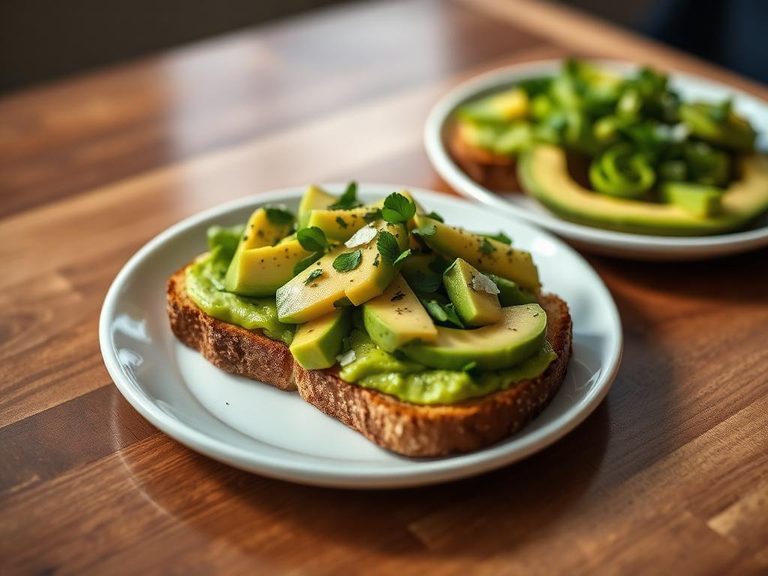

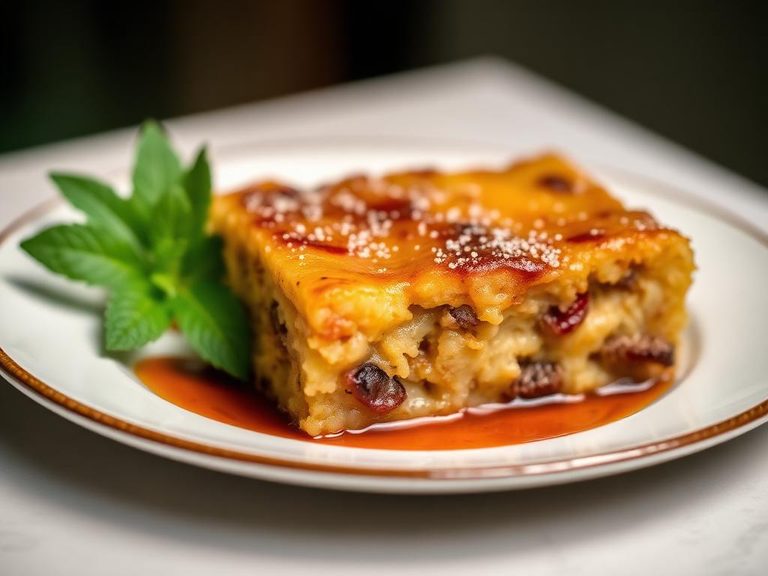
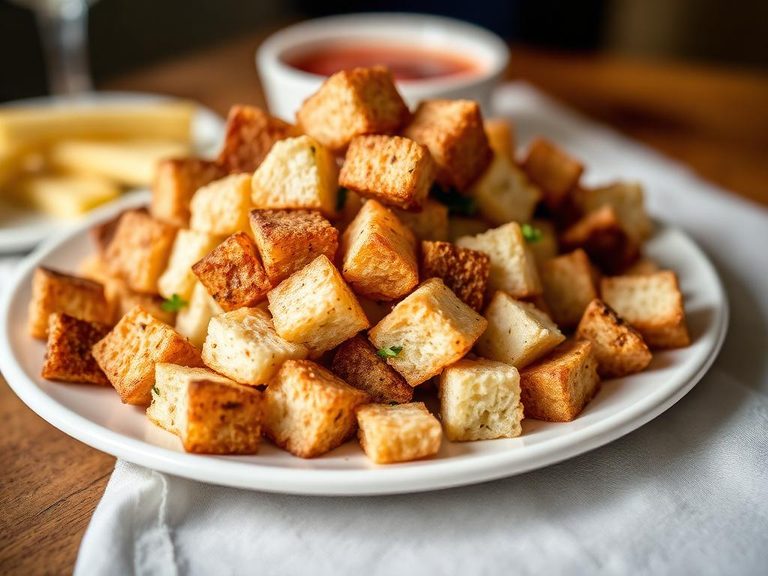
🌍 Where it's eaten
💡 Did you know?
Potato extract is often used in gluten-free baking not for flavor, but as a functional ingredient to help bind the dough and improve moisture retention, mimicking some properties of gluten.
Full nutrition (USDA data · scales with serving)
| Water | 31.7 g |
| Energy | 320 kcal |
| Energy | 1339 kj |
| Protein | 3.1 g |
| Total lipid (fat) | 10.7 g |
| Ash | 1.7 g |
| Carbohydrate, by difference | 52.8 g |
| Fiber, total dietary | 3.5 g |
| Total Sugars | 8.4 g |
| Sucrose | 0.00 g |
| Glucose | 3.5 g |
| Fructose | 4.9 g |
| Lactose | 0.00 g |
| Maltose | 0.00 g |
| Galactose | 0.00 g |
| Starch | 33.0 g |
| Calcium, Ca | 24.0 mg |
| Iron, Fe | 0.76 mg |
| Magnesium, Mg | 11.0 mg |
| Phosphorus, P | 37.0 mg |
| Potassium, K | 92.0 mg |
| Sodium, Na | 528 mg |
| Zinc, Zn | 0.26 mg |
| Copper, Cu | 0.04 mg |
| Manganese, Mn | 0.17 mg |
Fat & fatty acid profile (per 100g)
| Fatty acids, total saturated | 0.34 g |
| SFA 4:0 | 0.00 g |
| SFA 6:0 | 0.00 g |
| SFA 8:0 | 0.00 g |
| SFA 10:0 | 0.01 g |
| SFA 12:0 | 0.01 g |
| SFA 14:0 | 0.01 g |
| SFA 15:0 | 0.00 g |
| SFA 16:0 | 0.00 g |
| SFA 17:0 | 0.01 g |
| SFA 18:0 | 0.20 g |
| SFA 20:0 | 0.06 g |
| SFA 22:0 | 0.03 g |
| SFA 24:0 | 0.02 g |
| Fatty acids, total monounsaturated | 7.4 g |
| MUFA 14:1 | 0.00 g |
| MUFA 15:1 | 0.45 g |
| MUFA 16:1 | 0.03 g |
| MUFA 16:1 c | 0.03 g |
| MUFA 17:1 | 0.01 g |
| MUFA 18:1 | 6.7 g |
| MUFA 18:1 c | 6.7 g |
| MUFA 20:1 | 0.13 g |
| MUFA 22:1 | 0.00 g |
| MUFA 22:1 c | 0.00 g |
| MUFA 24:1 c | 0.01 g |
| Fatty acids, total polyunsaturated | 2.2 g |
| PUFA 18:2 | 1.6 g |
| PUFA 18:2 n-6 c,c | 1.6 g |
| PUFA 18:2 CLAs | 0.01 g |
| PUFA 18:3 | 0.58 g |
| PUFA 18:3 n-3 c,c,c (ALA) | 0.57 g |
| PUFA 18:3 n-6 c,c,c | 0.01 g |
| PUFA 18:3i | 0.00 g |
| PUFA 18:4 | 0.00 g |
| PUFA 20:2 n-6 c,c | 0.01 g |
| PUFA 20:3 | 0.00 g |
| PUFA 20:3 n-3 | 0.00 g |
| PUFA 20:3 n-6 | 0.00 g |
| PUFA 20:4 | 0.00 g |
| PUFA 20:5 n-3 (EPA) | 0.00 g |
| PUFA 22:4 | 0.00 g |
| PUFA 22:5 n-3 (DPA) | 0.00 g |
| PUFA 22:6 n-3 (DHA) | 0.00 g |
| Fatty acids, total trans | 0.02 g |
| Fatty acids, total trans-monoenoic | 0.01 g |
| TFA 16:1 t | 0.00 g |
| TFA 18:1 t | 0.01 g |
| TFA 22:1 t | 0.00 g |
| TFA 18:2 t not further defined | 0.01 g |
| Fatty acids, total trans-polyenoic | 0.01 g |
Amino acid profile (per 100g)
Estimated from Bread, salvadoran sweet cheese (quesadilla salvadorena) — USDA does not publish this profile for Bread.
| Tryptophan | 0.07 g |
| Threonine | 0.21 g |
| Isoleucine | 0.30 g |
| Leucine | 0.65 g |
| Lysine | 0.50 g |
| Methionine | 0.28 g |
| Cystine | 0.06 g |
| Phenylalanine | 0.37 g |
| Tyrosine | 0.23 g |
| Valine | 0.43 g |
| Arginine | 0.25 g |
| Histidine | 0.15 g |
| Alanine | 0.36 g |
| Aspartic acid | 0.59 g |
| Glutamic acid | 1.3 g |
| Glycine | 0.20 g |
| Proline | 0.83 g |
| Serine | 0.45 g |
| Hydroxyproline | 0.00 g |
FAQ
Why is potato extract used in this bread?
Potato extract acts as a binder and moisture retainer, helping to improve the texture and shelf life of gluten-free bread, which can otherwise be crumbly or dry.
Is this bread suitable for a low-carb diet?
No, with over 50g of carbohydrates per 100g, it is a high-carb food. Those on low-carb or ketogenic diets should limit portions or seek alternatives.
How does its nutrition compare to whole-wheat bread?
It is significantly lower in protein and dietary fiber and higher in simple carbohydrates. Whole-wheat bread typically offers more sustained energy and nutrients.
Nutrient density (calculated · NRF9.3)
Nutrient Rich Foods index: beneficial nutrients (protein, fiber, vitamins, minerals) minus saturated fat, added sugar & sodium, per 100 kcal.
NRF9.3 index — Fulgoni, Keast & Drewnowski, 2009. Computed from USDA nutrients.
Weight-loss friendliness (composite index)
Energy density 3.20 kcal/g · 4% calories from protein · 3.5 g fiber · 8.4 g sugar per 100 g.
Composite of energy density (Rolls et al., 1999), protein & fiber satiety, minus sugar. A calculated heuristic — ranks satiety-per-calorie, not a clinical measure.
Dietary load (calculated from USDA values)
Potential renal acid load. Positive = acid-forming, negative = alkaline-forming.
Sodium-to-potassium ratio: 5.74 (lower is better — aim for ≤ 1)
Sodium:potassium per WHO potassium guidance. Computed from USDA nutrients.