

Beverages, Lemonade, powder
Whole food · Beverages

Photo: Wikipedia
A vibrant, tangy powder that transforms water into a refreshing, sweet-and-sour lemonade. Its bright yellow hue and zesty aroma promise a classic thirst-quenching experience. Nutritionally, it's a concentrated source of carbohydrates, primarily from sugar.
Calorie split: 0% protein · 98% carbs · 2% fat
↓ Full nutrition💚 Why it's loved
People love it for its instant, nostalgic burst of sweet-tart flavor and the ease of making a cool drink with just a scoop and water. It's a staple at picnics, barbecues, and summer gatherings for its crowd-pleasing taste.
⚠️ Watch-outs & how to enjoy it better
The high sugar content (nearly 95g per 100g of powder) can lead to rapid blood-sugar spikes and contributes empty calories. To counteract this, mix it more dilute than the package suggests, or pair your glass with a source of protein or healthy fat (like nuts or cheese) to slow sugar absorption.
Key benefits
- Provides quick energy from simple carbohydrates
- Offers a convenient, shelf-stable way to make a flavored drink
- Can encourage increased fluid intake for hydration
- Often fortified with vitamin C in some formulations
🍽️ Popular dishes
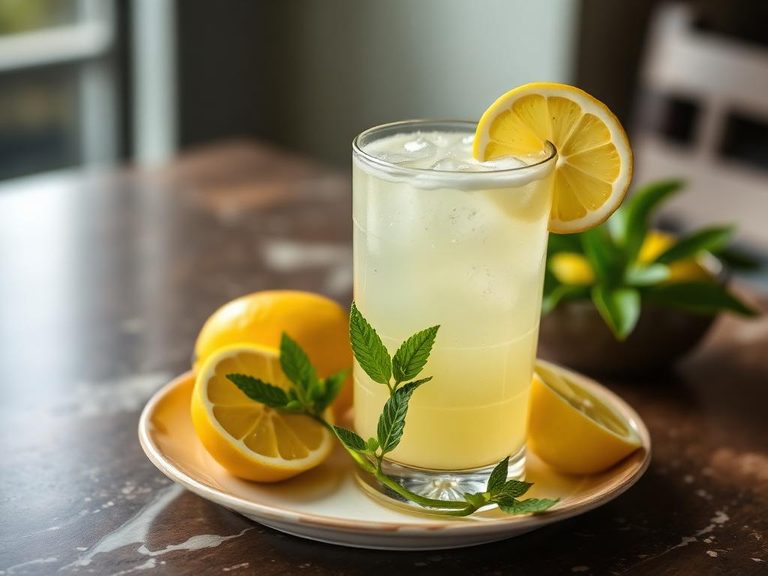
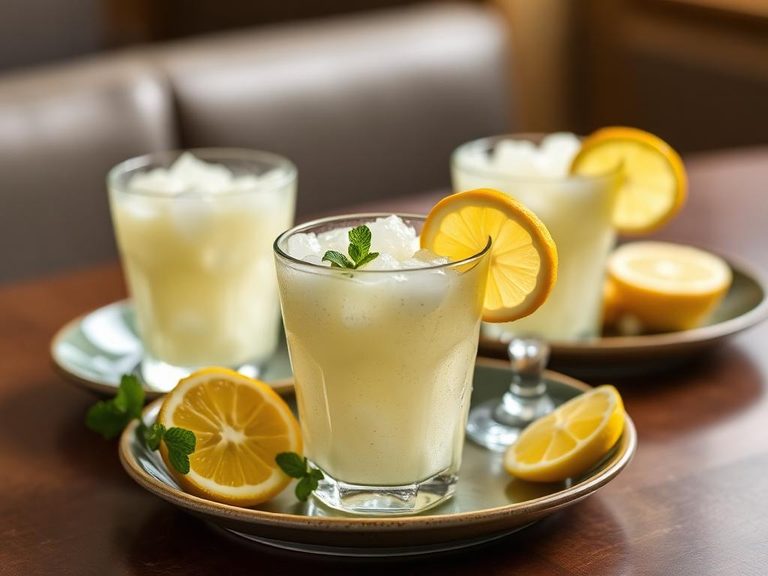
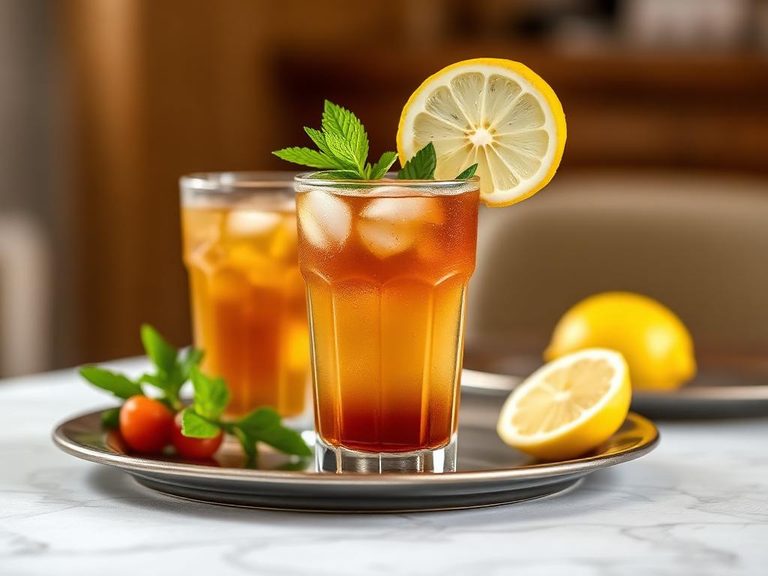
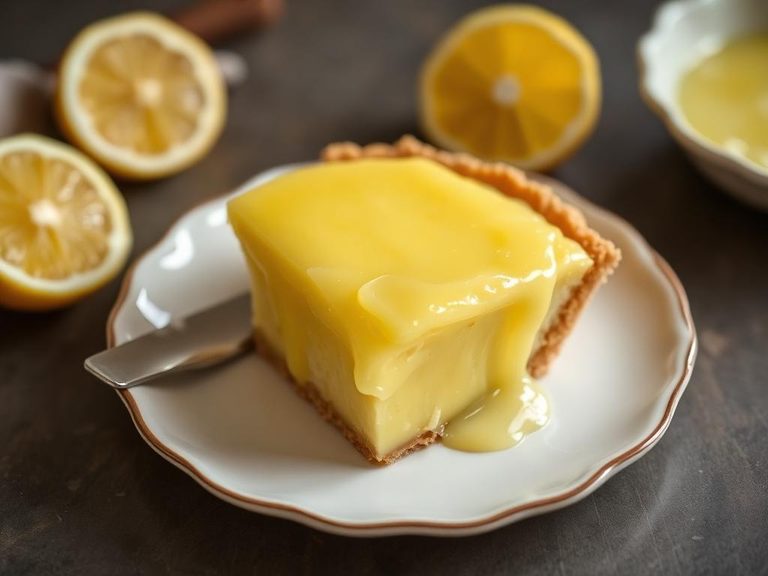
🌍 Where it's eaten
💡 Did you know?
The powdered form was a major innovation for the U.S. military in WWII, providing a stable, morale-boosting vitamin C source to troops in tropical theaters.
Full nutrition (USDA data · scales with serving)
| Water | 1.4 g |
| Energy | 376 kcal |
| Energy | 1573 kj |
| Protein | 0.00 g |
| Total lipid (fat) | 1.1 g |
| Ash | 0.47 g |
| Carbohydrate, by difference | 97.6 g |
| Fiber, total dietary | 0.40 g |
| Total Sugars | 94.7 g |
| Sucrose | 74.5 g |
| Glucose | 2.8 g |
| Fructose | 17.5 g |
| Lactose | 0.00 g |
| Maltose | 0.00 g |
| Galactose | 0.00 g |
| Starch | 0.07 g |
| Calcium, Ca | 20.0 mg |
| Iron, Fe | 0.19 mg |
| Magnesium, Mg | 247 mg |
| Phosphorus, P | 4.0 mg |
| Potassium, K | 147 mg |
| Sodium, Na | 51.0 mg |
| Zinc, Zn | 0.10 mg |
| Copper, Cu | 0.04 mg |
| Manganese, Mn | 0.02 mg |
| Selenium, Se | 0.60 ug |
| Vitamin C, total ascorbic acid | 39.9 mg |
| Thiamin | 0.01 mg |
| Riboflavin | 0.00 mg |
| Niacin | 0.13 mg |
| Pantothenic acid | 0.06 mg |
| Vitamin B-6 | 0.03 mg |
| Folate, total | 6.0 ug |
| Folic acid | 0.00 ug |
| Folate, food | 6.0 ug |
| Folate, DFE | 6.0 ug |
| Choline, total | 0.10 mg |
| Betaine | 0.70 mg |
| Vitamin B-12 | 0.00 ug |
| Vitamin B-12, added | 0.00 ug |
| Vitamin A, RAE | 0.00 ug |
| Retinol | 0.00 ug |
| Carotene, beta | 0.00 ug |
| Carotene, alpha | 0.00 ug |
| Cryptoxanthin, beta | 0.00 ug |
| Vitamin A, IU | 0.00 iu |
| Lycopene | 0.00 ug |
| Lutein + zeaxanthin | 0.00 ug |
| Vitamin E (alpha-tocopherol) | 0.14 mg |
| Vitamin E, added | 0.00 mg |
| Vitamin D (D2 + D3), International Units | 0.00 iu |
| Vitamin D (D2 + D3) | 0.00 ug |
| Vitamin K (phylloquinone) | 0.00 ug |
| Alcohol, ethyl | 0.00 g |
| Caffeine | 0.00 mg |
| Theobromine | 0.00 mg |
Fat & fatty acid profile (per 100g)
| Fatty acids, total saturated | 0.15 g |
| SFA 4:0 | 0.00 g |
| SFA 6:0 | 0.00 g |
| SFA 8:0 | 0.00 g |
| SFA 10:0 | 0.00 g |
| SFA 12:0 | 0.00 g |
| SFA 14:0 | 0.00 g |
| SFA 16:0 | 0.12 g |
| SFA 18:0 | 0.03 g |
| Fatty acids, total monounsaturated | 0.11 g |
| MUFA 16:1 | 0.00 g |
| MUFA 18:1 | 0.11 g |
| MUFA 20:1 | 0.00 g |
| MUFA 22:1 | 0.00 g |
| Fatty acids, total polyunsaturated | 0.46 g |
| PUFA 18:2 | 0.41 g |
| PUFA 18:3 | 0.05 g |
| PUFA 18:4 | 0.00 g |
| PUFA 20:4 | 0.00 g |
| PUFA 20:5 n-3 (EPA) | 0.00 g |
| PUFA 22:5 n-3 (DPA) | 0.00 g |
| PUFA 22:6 n-3 (DHA) | 0.00 g |
| Fatty acids, total trans | 0.00 g |
| Cholesterol | 0.00 mg |
Amino acid profile (per 100g)
Estimated from Beverages, carbonated, tonic water — USDA does not publish this profile for Beverages.
| Tryptophan | 0.00 g |
| Threonine | 0.00 g |
| Isoleucine | 0.00 g |
| Leucine | 0.00 g |
| Lysine | 0.00 g |
| Methionine | 0.00 g |
| Cystine | 0.00 g |
| Phenylalanine | 0.00 g |
| Tyrosine | 0.00 g |
| Valine | 0.00 g |
| Arginine | 0.00 g |
| Histidine | 0.00 g |
| Alanine | 0.00 g |
| Aspartic acid | 0.00 g |
| Glutamic acid | 0.00 g |
| Glycine | 0.00 g |
| Proline | 0.00 g |
| Serine | 0.00 g |
FAQ
Is this the same as fresh lemon juice?
No. It's a processed mix containing sugar, citric acid, lemon flavoring, and often colorants. Fresh lemon juice provides vitamins and minerals without added sugars.
Can I use it in baking?
Yes, it's often used to add lemon flavor to cakes, cookies, or glazes. Be mindful that it adds both sweetness and acidity to your recipe.
Why does it sometimes have a slightly salty taste?
Some formulations include small amounts of salt or sodium citrate as a flavor enhancer or preservative.
Nutrient density (calculated · NRF9.3)
Nutrient Rich Foods index: beneficial nutrients (protein, fiber, vitamins, minerals) minus saturated fat, added sugar & sodium, per 100 kcal.
NRF9.3 index — Fulgoni, Keast & Drewnowski, 2009. Computed from USDA nutrients.
Weight-loss friendliness (composite index)
Energy density 3.76 kcal/g · 0% calories from protein · 0.4 g fiber · 94.7 g sugar per 100 g.
Composite of energy density (Rolls et al., 1999), protein & fiber satiety, minus sugar. A calculated heuristic — ranks satiety-per-calorie, not a clinical measure.
Dietary load (calculated from USDA values)
Potential renal acid load. Positive = acid-forming, negative = alkaline-forming.
Sodium-to-potassium ratio: 0.35 (lower is better — aim for ≤ 1)
Sodium:potassium per WHO potassium guidance. Computed from USDA nutrients.