

Beef, retail cuts, separable fat, raw
Whole food · Beef Products

Photo: Wikipedia
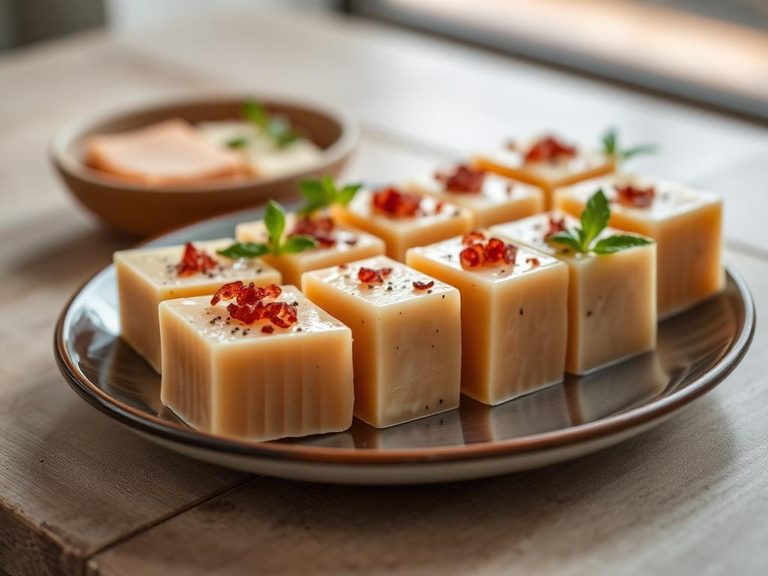
This is the raw, separable fat trimmings from retail beef cuts, appearing as waxy, off-white chunks or strips with a dense, chewy texture before cooking. Nutritionally, it is almost pure animal fat, providing a massive 70.89g of fat per 100g with negligible protein and zero carbohydrates. It is a concentrated source of dietary energy, primarily used as a cooking medium or flavor base.
Calorie split: 5% protein · 0% carbs · 95% fat
↓ Full nutrition💚 Why it's loved
It is prized for its ability to impart an unmatched, deep savory richness to dishes, forming the flavorful foundation for many traditional stews and roasts. Its high smoke point when rendered makes it ideal for high-heat cooking like searing and frying.
⚠️ Watch-outs & how to enjoy it better
Due to its extremely high saturated fat content, it should be consumed sparingly by individuals managing heart health or calorie intake. To counteract this, use it sparingly as a flavoring agent rather than a primary ingredient, and balance meals with high-fiber vegetables and lean proteins.
Key benefits
- Extremely high in dietary energy (70.89g fat per 100g)
- Source of fat-soluble vitamins like Vitamin E and Vitamin K2
- Contains conjugated linoleic acid (CLA), a naturally occurring fatty acid
- Provides a rich, savory flavor base for cooking
- Can be rendered into tallow for long-term storage and frying
🍽️ Popular dishes
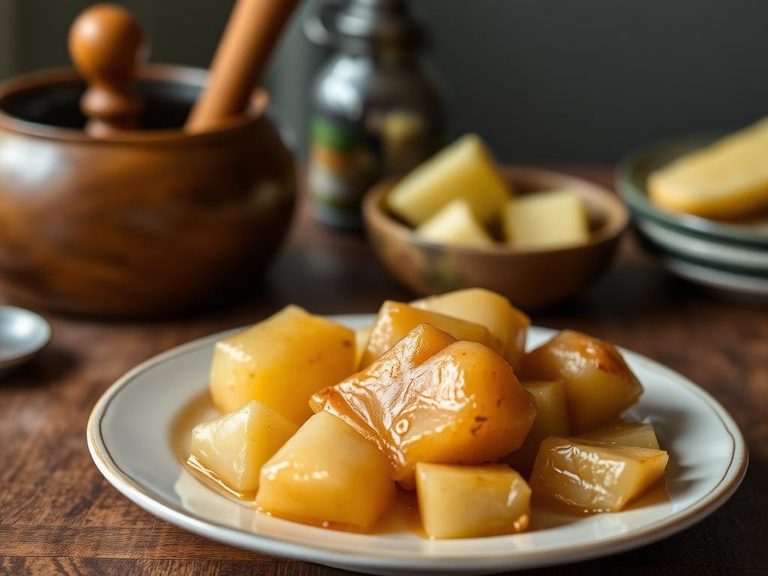
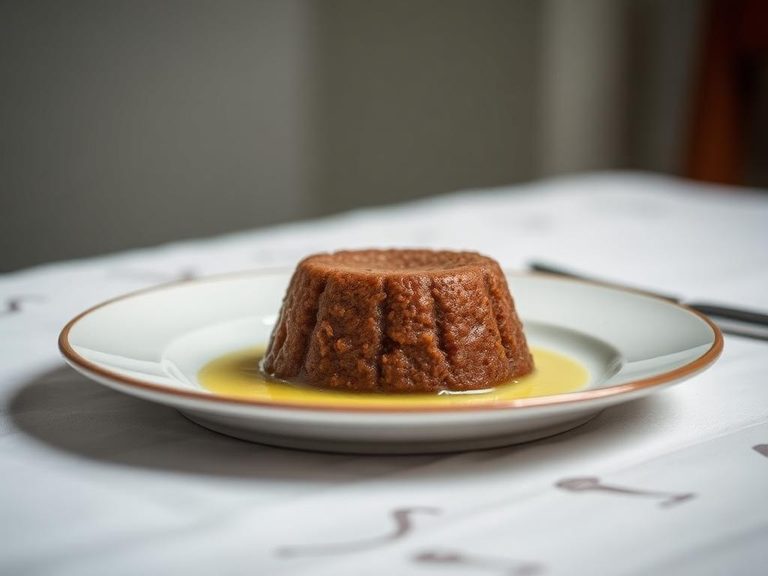

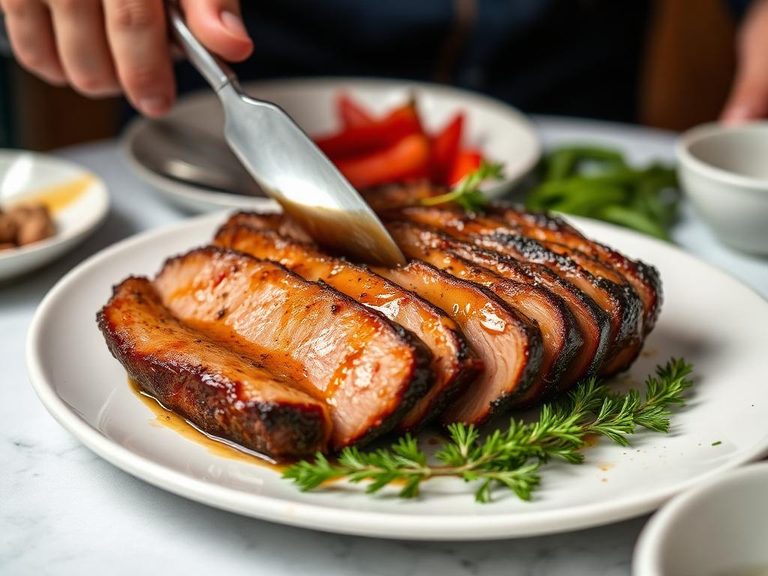
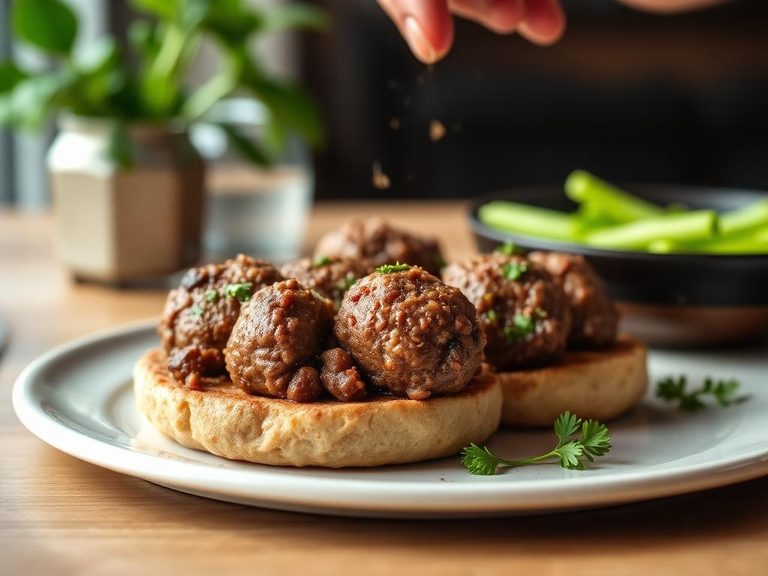
🌍 Where it's eaten
💡 Did you know?
Before the widespread use of vegetable oils, beef tallow was the primary frying fat for famous fast-food chains, including the original McDonald's fries.
Full nutrition (USDA data · scales with serving)
| Water | 20.2 g |
| Energy | 674 kcal |
| Energy | 2820 kj |
| Protein | 8.2 g |
| Total lipid (fat) | 70.9 g |
| Ash | 0.28 g |
| Carbohydrate, by difference | 0.00 g |
| Fiber, total dietary | 0.00 g |
| Total Sugars | 0.00 g |
| Calcium, Ca | 26.0 mg |
| Iron, Fe | 0.72 mg |
| Magnesium, Mg | 5.0 mg |
| Phosphorus, P | 61.0 mg |
| Potassium, K | 96.0 mg |
| Sodium, Na | 26.0 mg |
| Zinc, Zn | 0.82 mg |
| Copper, Cu | 0.03 mg |
| Manganese, Mn | 0.00 mg |
| Selenium, Se | 6.6 ug |
| Vitamin C, total ascorbic acid | 0.00 mg |
| Thiamin | 0.03 mg |
| Riboflavin | 0.04 mg |
| Niacin | 1.4 mg |
| Pantothenic acid | 0.16 mg |
| Vitamin B-6 | 0.11 mg |
| Folate, total | 0.00 ug |
| Folic acid | 0.00 ug |
| Folate, food | 0.00 ug |
| Folate, DFE | 0.00 ug |
| Vitamin B-12 | 0.73 ug |
| Vitamin B-12, added | 0.00 ug |
| Vitamin A, RAE | 0.00 ug |
| Retinol | 0.00 ug |
| Carotene, beta | 0.00 ug |
| Carotene, alpha | 0.00 ug |
| Cryptoxanthin, beta | 0.00 ug |
| Vitamin A, IU | 0.00 iu |
| Lycopene | 0.00 ug |
| Lutein + zeaxanthin | 0.00 ug |
| Vitamin E (alpha-tocopherol) | 0.00 mg |
| Vitamin E, added | 0.00 mg |
| Tocopherol, beta | 0.00 mg |
| Tocopherol, gamma | 0.00 mg |
| Tocopherol, delta | 0.00 mg |
| Vitamin D (D2 + D3), International Units | 11.0 iu |
| Vitamin D (D2 + D3) | 0.30 ug |
| Vitamin D3 (cholecalciferol) | 0.30 ug |
| Vitamin K (phylloquinone) | 3.4 ug |
| Vitamin K (Dihydrophylloquinone) | 0.00 ug |
| Alcohol, ethyl | 0.00 g |
| Caffeine | 0.00 mg |
| Theobromine | 0.00 mg |
Fat & fatty acid profile (per 100g)
| Fatty acids, total saturated | 29.4 g |
| SFA 4:0 | 0.00 g |
| SFA 6:0 | 0.00 g |
| SFA 8:0 | 0.00 g |
| SFA 10:0 | 0.31 g |
| SFA 12:0 | 0.21 g |
| SFA 14:0 | 2.4 g |
| SFA 16:0 | 17.7 g |
| SFA 18:0 | 8.8 g |
| Fatty acids, total monounsaturated | 30.9 g |
| MUFA 16:1 | 3.9 g |
| MUFA 18:1 | 26.9 g |
| MUFA 20:1 | 0.11 g |
| MUFA 22:1 | 0.00 g |
| Fatty acids, total polyunsaturated | 2.6 g |
| PUFA 18:2 | 1.5 g |
| PUFA 18:3 | 1.1 g |
| PUFA 18:4 | 0.00 g |
| PUFA 20:4 | 0.00 g |
| PUFA 20:5 n-3 (EPA) | 0.00 g |
| PUFA 22:5 n-3 (DPA) | 0.00 g |
| PUFA 22:6 n-3 (DHA) | 0.00 g |
| Cholesterol | 99.0 mg |
Amino acid profile (per 100g)
| Tryptophan | 0.05 g |
| Threonine | 0.33 g |
| Isoleucine | 0.37 g |
| Leucine | 0.65 g |
| Lysine | 0.69 g |
| Methionine | 0.21 g |
| Cystine | 0.11 g |
| Phenylalanine | 0.32 g |
| Tyrosine | 0.26 g |
| Valine | 0.41 g |
| Arginine | 0.53 g |
| Histidine | 0.26 g |
| Alanine | 0.50 g |
| Aspartic acid | 0.75 g |
| Glutamic acid | 1.2 g |
| Glycine | 0.50 g |
| Proline | 0.39 g |
| Serine | 0.32 g |
| Hydroxyproline | 0.09 g |
FAQ
What is the difference between beef fat and beef tallow?
Beef fat is the raw, solid fat as shown. Tallow is the rendered (melted, strained, and cooled) product, which is a hard, white fat with a higher smoke point and longer shelf life.
Is it the same as lard?
No. Lard is rendered fat from pork. Beef fat renders into tallow. They have different flavors and slightly different fatty acid profiles.
Can I eat it raw?
It is not typically eaten raw due to its tough texture and waxy mouthfeel. It is almost always rendered or cooked with other ingredients to improve texture and flavor.
Nutrient density (calculated · NRF9.3)
Nutrient Rich Foods index: beneficial nutrients (protein, fiber, vitamins, minerals) minus saturated fat, added sugar & sodium, per 100 kcal.
NRF9.3 index — Fulgoni, Keast & Drewnowski, 2009. Computed from USDA nutrients.
Weight-loss friendliness (composite index)
Energy density 6.74 kcal/g · 5% calories from protein · 0.0 g fiber · 0.0 g sugar per 100 g.
Composite of energy density (Rolls et al., 1999), protein & fiber satiety, minus sugar. A calculated heuristic — ranks satiety-per-calorie, not a clinical measure.
Dietary load (calculated from USDA values)
Potential renal acid load. Positive = acid-forming, negative = alkaline-forming.
Sodium-to-potassium ratio: 0.27 (lower is better — aim for ≤ 1)
Sodium:potassium per WHO potassium guidance. Computed from USDA nutrients.