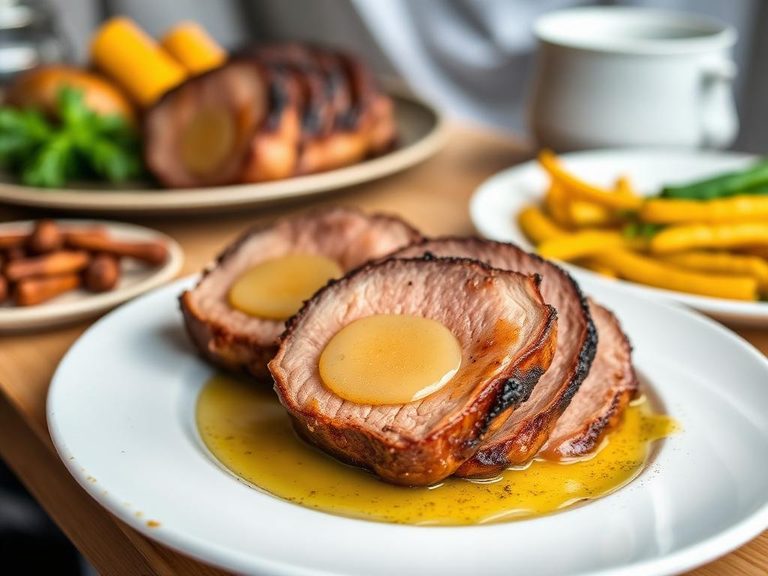
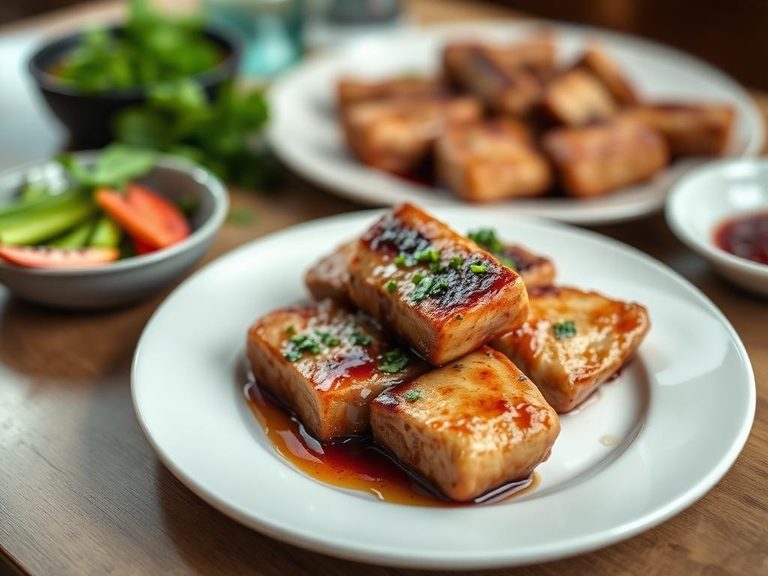
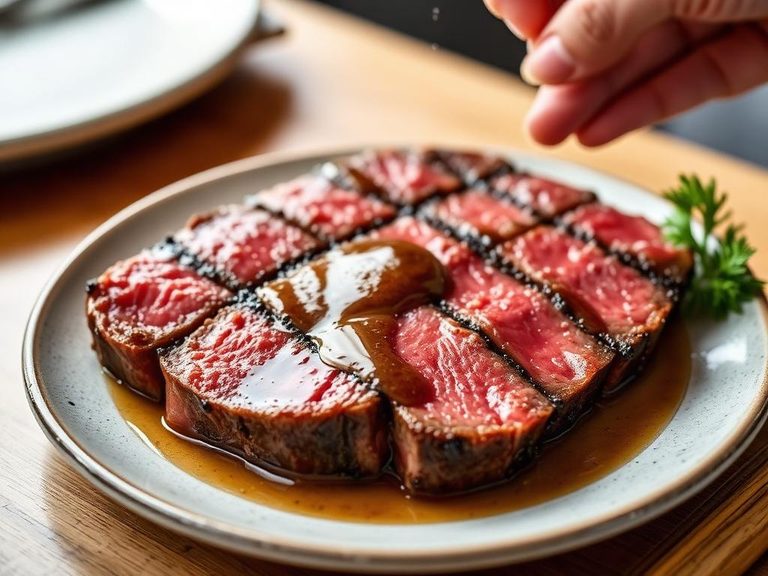
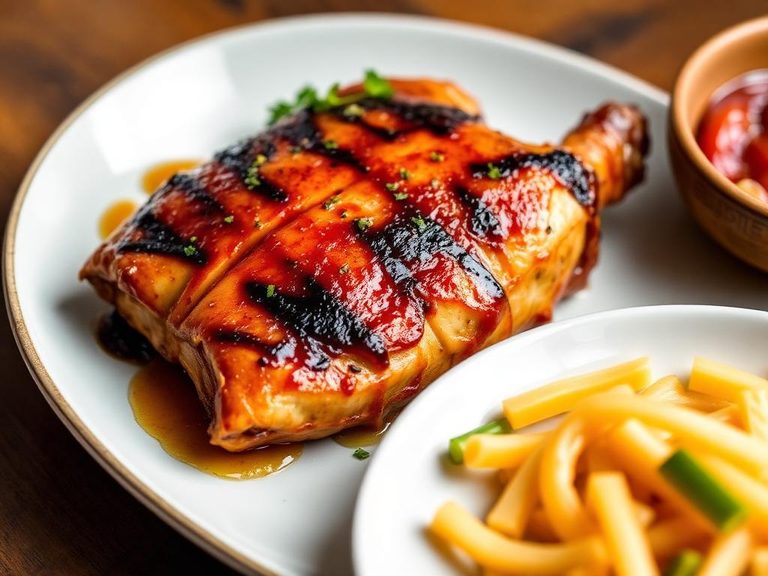
As a basting fat for roasting lean meats
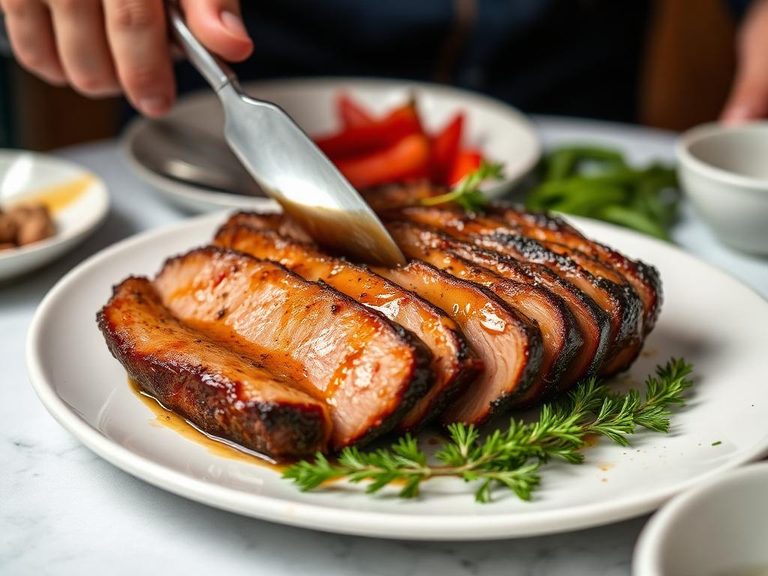
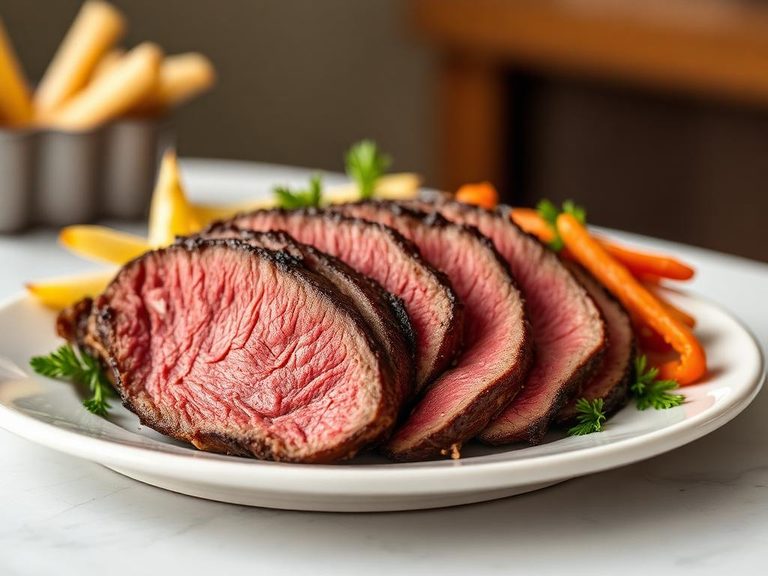
This isn't a standalone dish, but a culinary technique where flavorful fats like butter, duck fat, or olive oil are spooned over lean meats (like chicken breast, turkey, or pork tenderloin) during roasting. The process, known as basting, helps to keep the meat moist, adds richness, and promotes a golden, crispy skin. It's a fundamental method used in kitchens worldwide, from American holiday roasts to French rotisserie.
🍽️ Nutrition at a glance
As a basting fat, it is extremely high in fat, which is its primary function. It adds significant calories and fat-soluble vitamins (like A, D, E, K) to the lean meat it's applied to, but the exact nutritional profile depends entirely on the fat source used (e.g., butter vs. olive oil).
Nutrition breakdown
| Calories | 204 kcal |
| Protein | 0.2 g |
| Carbs | 0 g |
| Fat | 23 g |
| Fiber | 0 g |
| Sugar | 0 g |
| Sodium | 162 mg |
| Vitamin A | 249 mcg RAE |
| Vitamin D | 0.2 mcg |
| Vitamin E | 0.6 mg |
| Vitamin K | 1.7 mcg |
| Saturated Fat | 14.5 g |
| Cholesterol | 62 mg |
| Butyric Acid | Not quantified |
| Caproic Acid | Not quantified |
Per 2 tablespoons (28 g) of melted butter (a common basting fat) · estimated, varies by recipe
💡 What's interesting
The practice of basting is a simple yet transformative cooking technique that bridges basic moisture retention with advanced flavor development. Nutritionally, it's a key way to add dietary fat and fat-soluble nutrients to otherwise very lean protein sources.