Marinade for lean meats
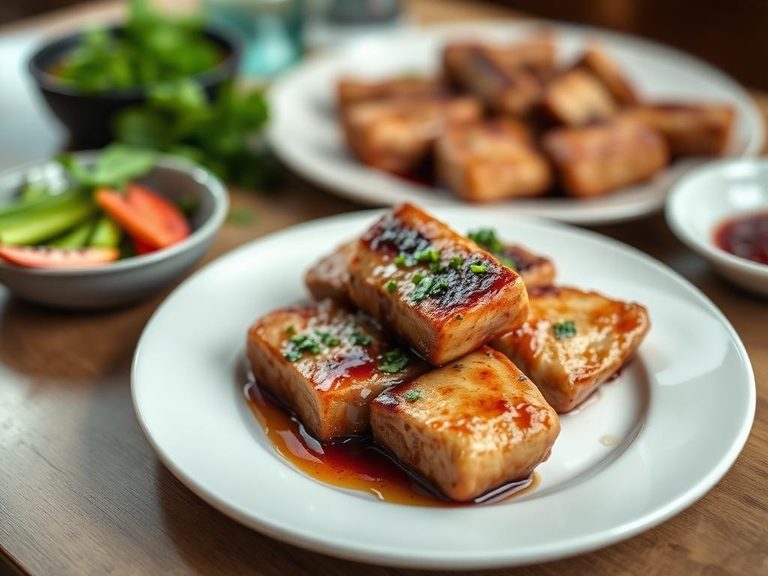
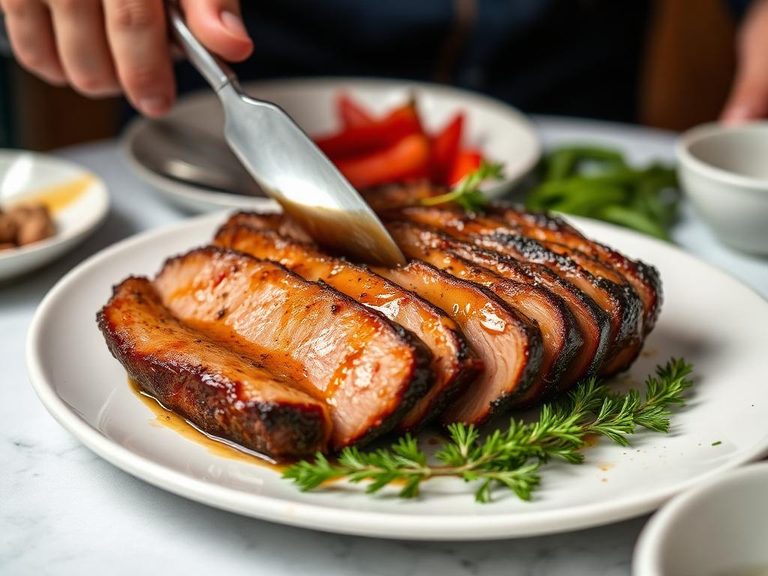
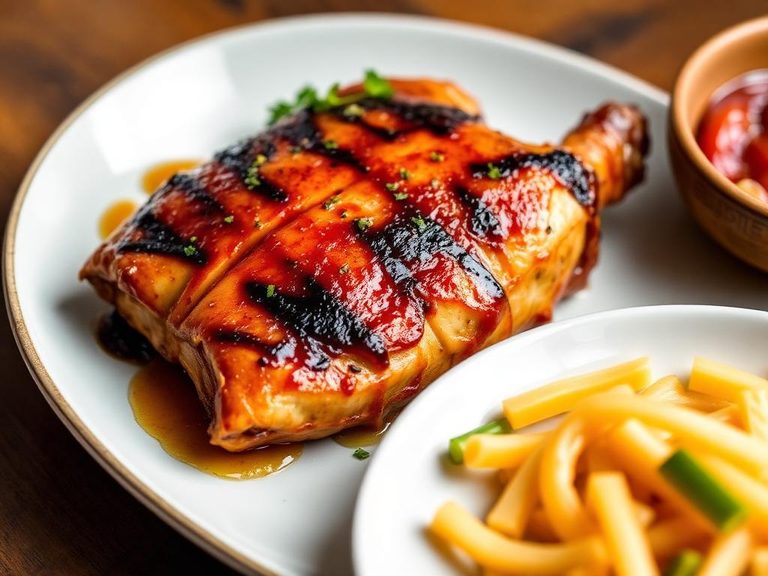
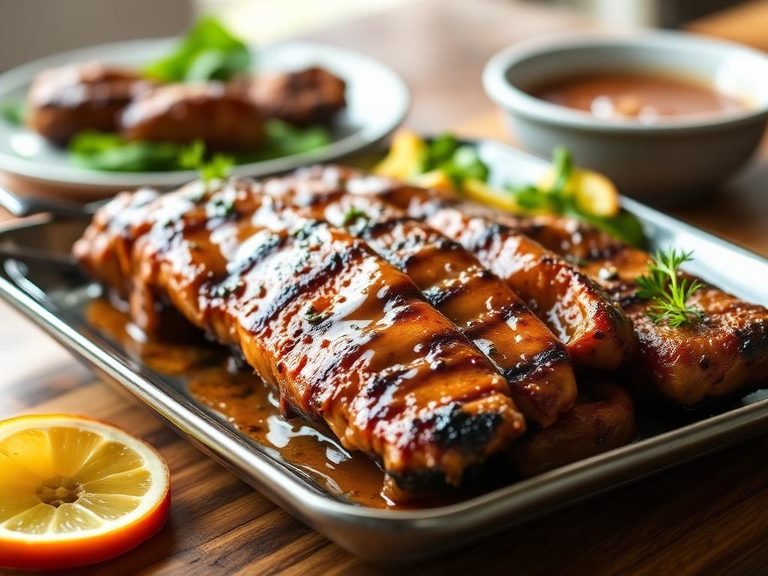
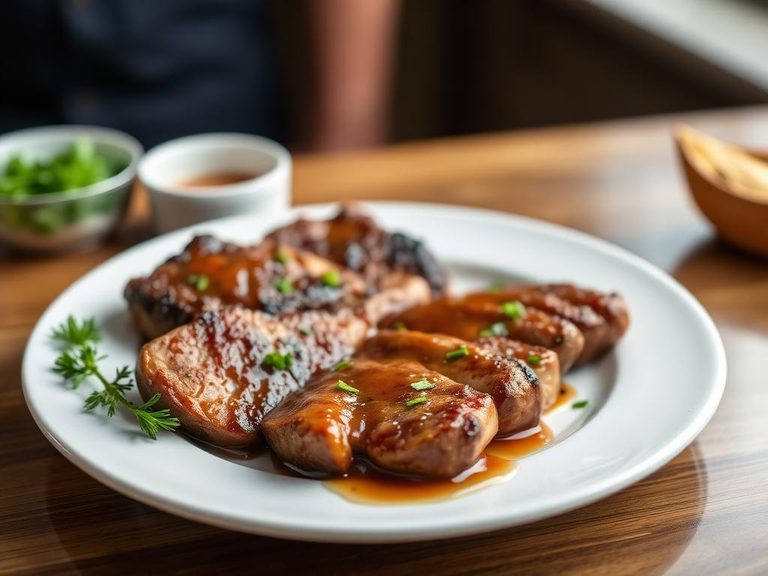
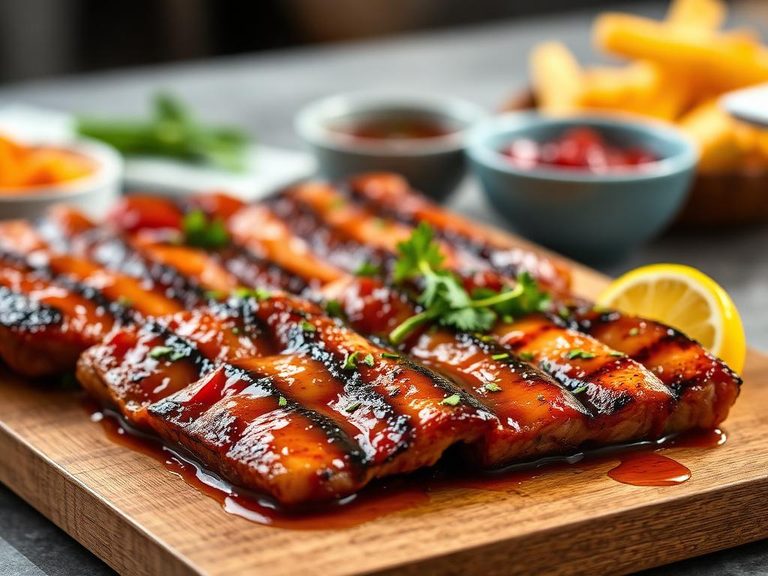
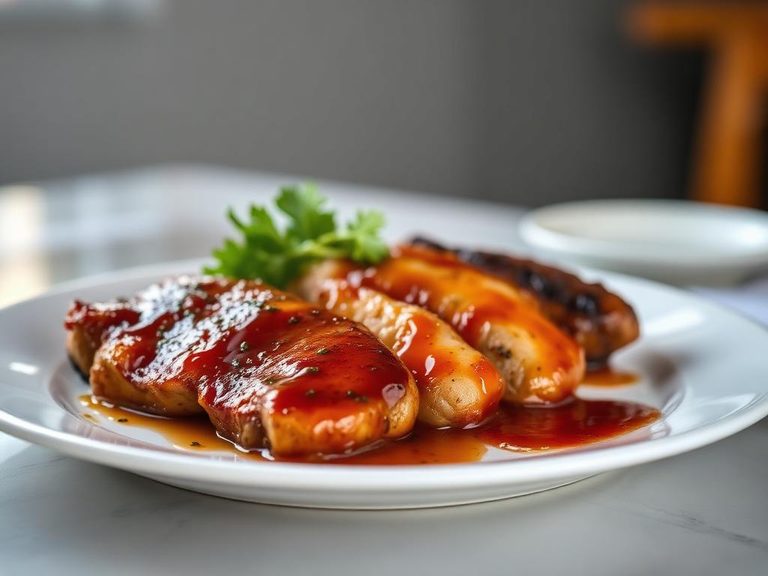
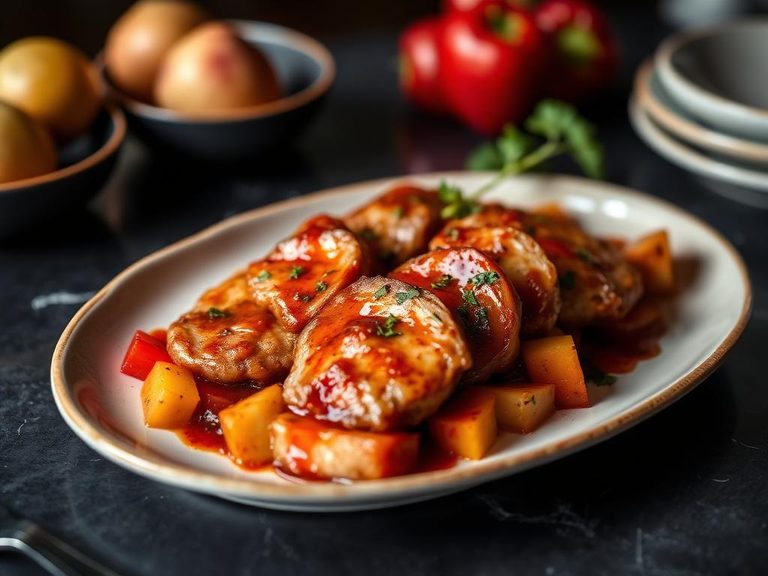
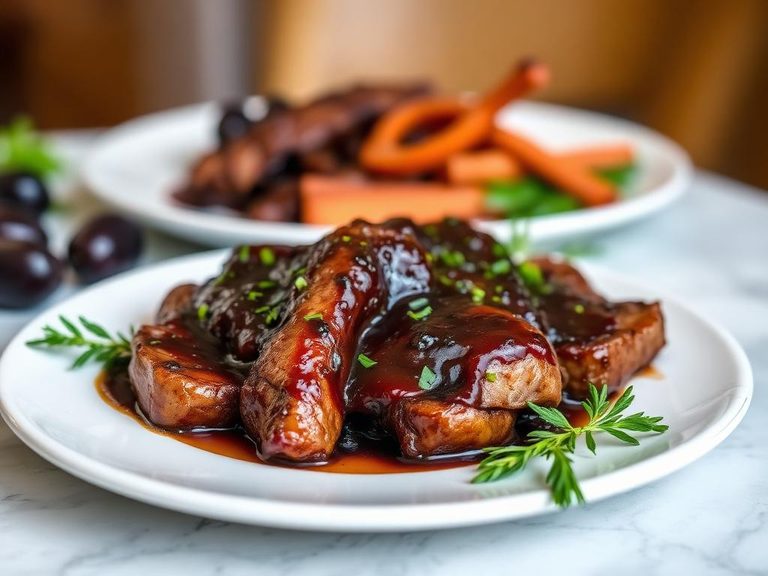
A marinade for lean meats is a flavorful liquid mixture used to tenderize and infuse taste into cuts like chicken breast, turkey, or lean pork before cooking. It typically combines an acidic component (like citrus juice or vinegar), oil, herbs, spices, and aromatics such as garlic or ginger. While used globally, its roots are deeply embedded in Mediterranean and Asian culinary traditions.
🍽️ Nutrition at a glance
This marinade is generally low in carbohydrates and fat, with its primary nutritional contribution coming from the lean protein of the meat it's used on. The key nutrients it adds are flavor compounds and antioxidants from herbs and spices, with a negligible calorie addition per serving (typically 10-30 calories from the oil and acid mixture).
Nutrition breakdown
| Calories | 35 kcal |
| Protein | 1.5 g |
| Carbs | 5 g |
| Fat | 1 g |
| Fiber | 0.5 g |
| Sugar | 3 g |
| Sodium | 800 mg |
| Sodium | 800 mg |
| Potassium | 120 mg |
| Iron | 0.5 mg |
| Vitamin C | 2 mg |
| Magnesium | 15 mg |
| Calcium | 20 mg |
| Vitamin B6 | 0.1 mg |
| Folate | 10 mcg |
Per 1/4 cup (60 g) · estimated, varies by recipe
💡 What's interesting
Culturally, marinades represent a universal culinary technique for transforming economical, tougher cuts into tender, flavorful dishes, showcasing resourcefulness. Nutritionally, the acidic and enzymatic components can help break down muscle fibers, potentially aiding in the digestibility of the protein.