

Beans, kidney, all types, mature seeds, cooked, boiled, without salt
Whole food · Legumes and Legume Products
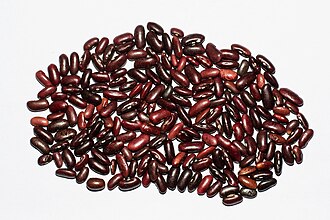
Photo: Wikipedia
Kidney beans are large, kidney-shaped legumes with a deep red-brown skin and a creamy, starchy interior. When boiled, they develop a satisfyingly firm yet tender bite and a mild, earthy flavor that readily absorbs surrounding spices. Nutritionally, they are a powerhouse of plant-based protein and complex carbohydrates, with a remarkably low fat content.
Calorie split: 27% protein · 70% carbs · 3% fat
↓ Full nutrition💚 Why it's loved
People love kidney beans for their hearty, satisfying texture and their incredible versatility as a flavor sponge in everything from spicy chilis to creamy salads. They are a beloved staple in countless cuisines, forming the protein-rich backbone of comforting, economical meals.
⚠️ Watch-outs & how to enjoy it better
Kidney beans contain lectins (especially phytohaemagglutinin) which can cause digestive upset if not properly cooked; always boil them thoroughly for at least 10 minutes. Their high fiber content may cause gas or bloating for some; soaking dried beans and discarding the water can help. As a legume, they are a common allergen for some individuals.
Key benefits
- Excellent source of plant-based protein for muscle maintenance
- High in dietary fiber, promoting digestive health and satiety
- Rich in complex carbohydrates for sustained energy release
- Contains essential minerals like iron, folate, and magnesium
- Naturally low in fat and sodium when prepared without salt
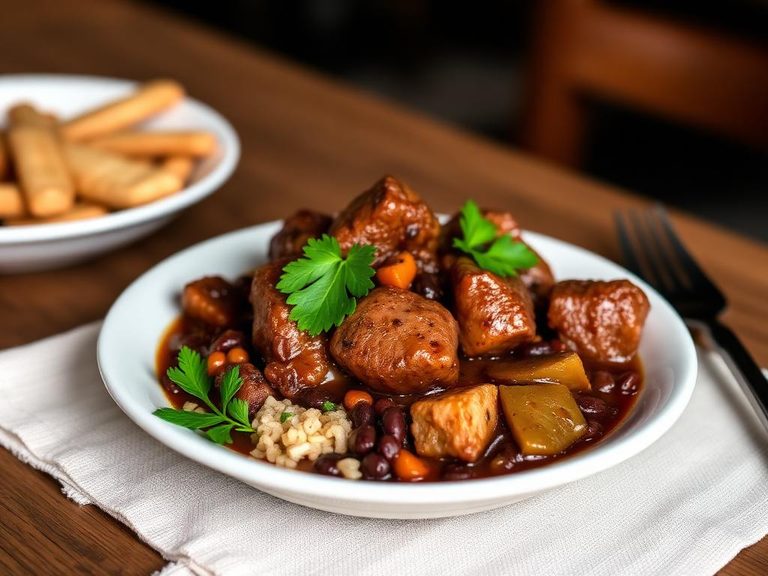
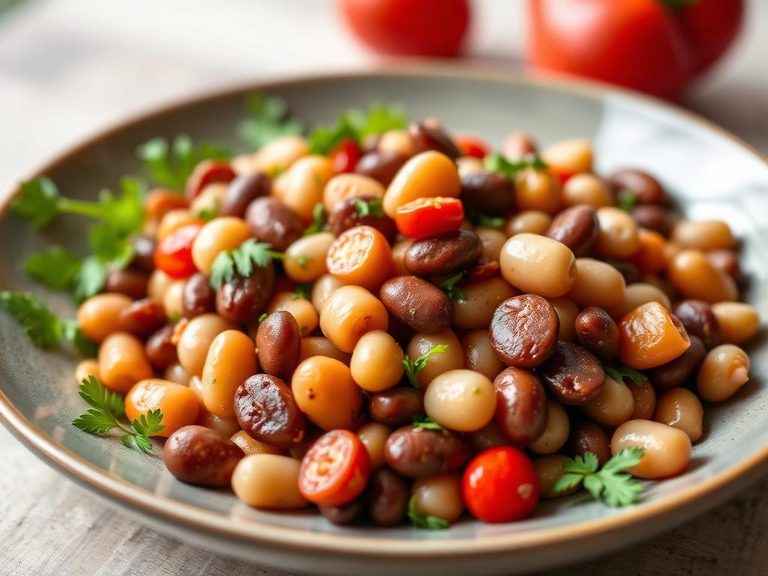
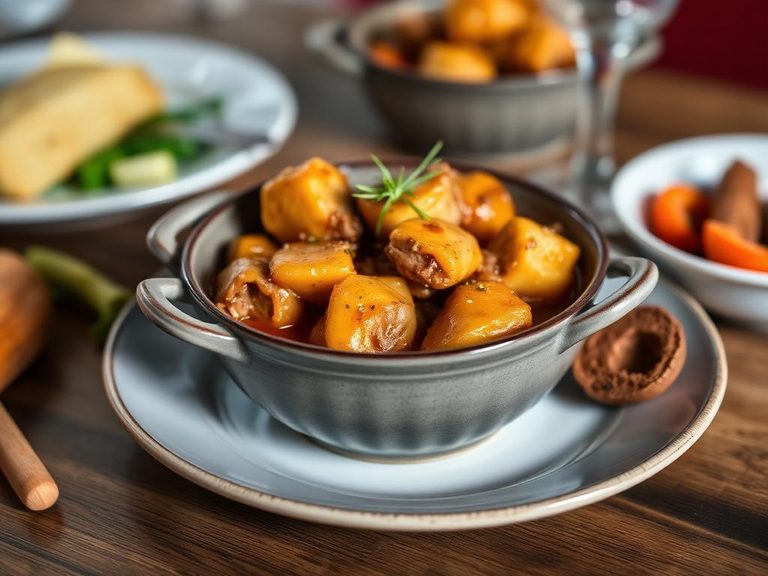
🍽️ Popular dishes
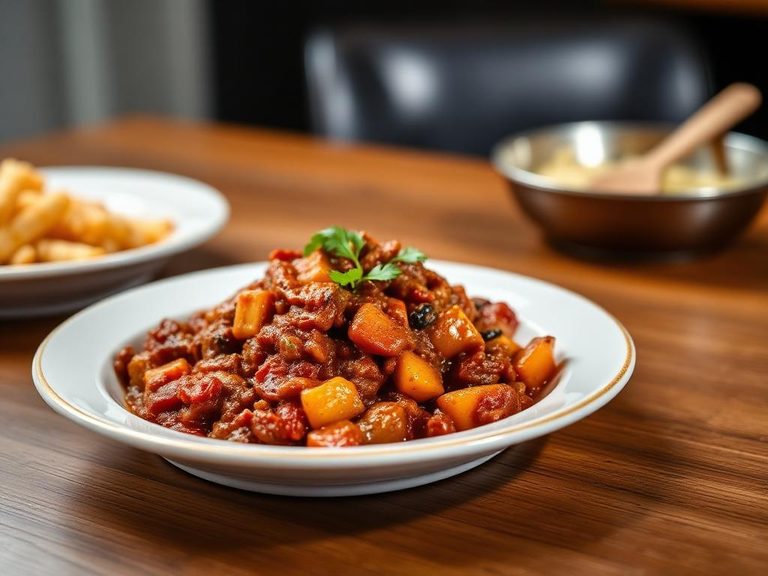
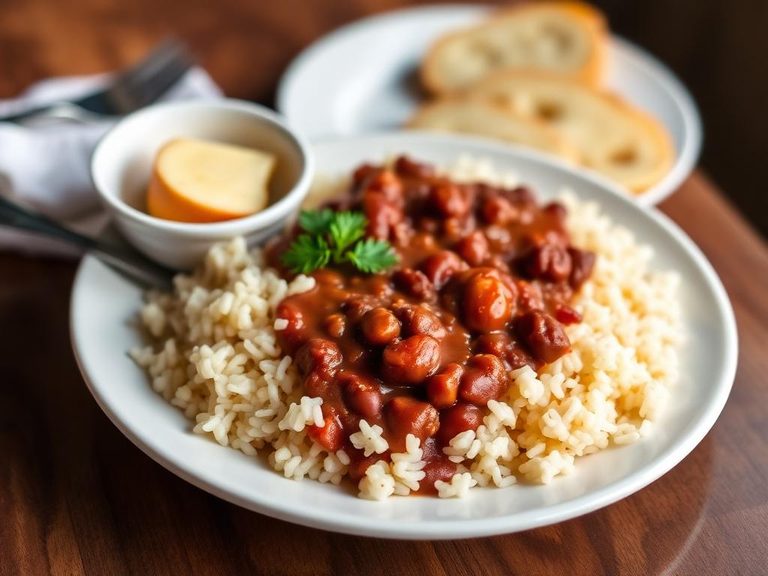
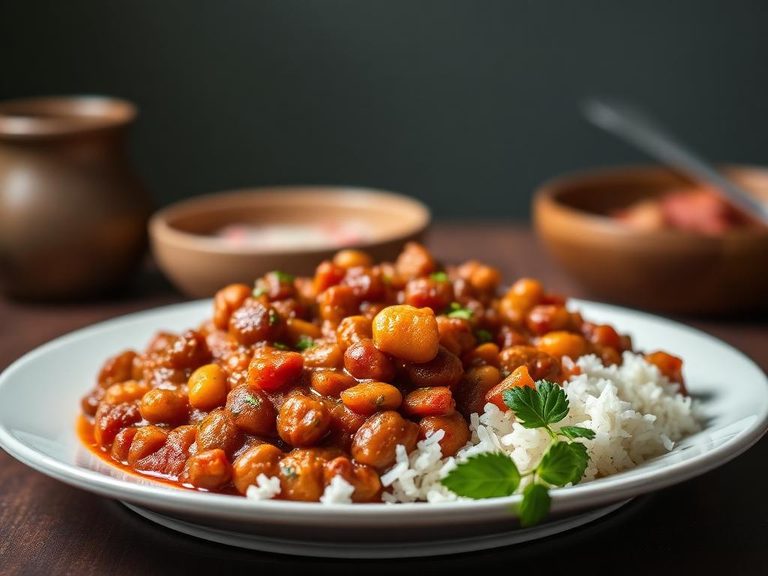
🌍 Where it's eaten
💡 Did you know?
The name 'kidney bean' is a direct reference to their shape and color, which closely resembles a human kidney.
Full nutrition (USDA data · scales with serving)
| Water | 66.9 g |
| Energy | 127 kcal |
| Energy | 532 kj |
| Protein | 8.7 g |
| Total lipid (fat) | 0.50 g |
| Ash | 1.1 g |
| Carbohydrate, by difference | 22.8 g |
| Fiber, total dietary | 6.4 g |
| Total Sugars | 0.32 g |
| Calcium, Ca | 35.0 mg |
| Iron, Fe | 2.2 mg |
| Magnesium, Mg | 42.0 mg |
| Phosphorus, P | 138 mg |
| Potassium, K | 405 mg |
| Sodium, Na | 1.0 mg |
| Zinc, Zn | 1.0 mg |
| Copper, Cu | 0.22 mg |
| Manganese, Mn | 0.43 mg |
| Selenium, Se | 1.1 ug |
| Vitamin C, total ascorbic acid | 1.2 mg |
| Thiamin | 0.16 mg |
| Riboflavin | 0.06 mg |
| Niacin | 0.58 mg |
| Pantothenic acid | 0.22 mg |
| Vitamin B-6 | 0.12 mg |
| Folate, total | 130 ug |
| Folic acid | 0.00 ug |
| Folate, food | 130 ug |
| Folate, DFE | 130 ug |
| Choline, total | 30.5 mg |
| Betaine | 0.10 mg |
| Vitamin B-12 | 0.00 ug |
| Vitamin B-12, added | 0.00 ug |
| Vitamin A, RAE | 0.00 ug |
| Retinol | 0.00 ug |
| Carotene, beta | 0.00 ug |
| Carotene, alpha | 0.00 ug |
| Cryptoxanthin, beta | 0.00 ug |
| Vitamin A, IU | 0.00 iu |
| Lycopene | 0.00 ug |
| Lutein + zeaxanthin | 0.00 ug |
| Vitamin E (alpha-tocopherol) | 0.03 mg |
| Vitamin E, added | 0.00 mg |
| Tocopherol, beta | 0.00 mg |
| Tocopherol, gamma | 0.92 mg |
| Tocopherol, delta | 0.01 mg |
| Tocotrienol, alpha | 0.00 mg |
| Tocotrienol, beta | 0.00 mg |
| Tocotrienol, gamma | 0.00 mg |
| Tocotrienol, delta | 0.00 mg |
| Vitamin D (D2 + D3), International Units | 0.00 iu |
| Vitamin D (D2 + D3) | 0.00 ug |
| Vitamin K (phylloquinone) | 8.4 ug |
| Alcohol, ethyl | 0.00 g |
| Caffeine | 0.00 mg |
| Theobromine | 0.00 mg |
Fat & fatty acid profile (per 100g)
| Fatty acids, total saturated | 0.07 g |
| SFA 4:0 | 0.00 g |
| SFA 6:0 | 0.00 g |
| SFA 8:0 | 0.00 g |
| SFA 10:0 | 0.00 g |
| SFA 12:0 | 0.00 g |
| SFA 14:0 | 0.00 g |
| SFA 16:0 | 0.07 g |
| SFA 18:0 | 0.01 g |
| Fatty acids, total monounsaturated | 0.04 g |
| MUFA 16:1 | 0.00 g |
| MUFA 18:1 | 0.04 g |
| MUFA 20:1 | 0.00 g |
| MUFA 22:1 | 0.00 g |
| Fatty acids, total polyunsaturated | 0.28 g |
| PUFA 18:2 | 0.11 g |
| PUFA 18:3 | 0.17 g |
| PUFA 18:4 | 0.00 g |
| PUFA 20:4 | 0.00 g |
| PUFA 20:5 n-3 (EPA) | 0.00 g |
| PUFA 22:5 n-3 (DPA) | 0.00 g |
| PUFA 22:6 n-3 (DHA) | 0.00 g |
| Fatty acids, total trans | 0.00 g |
| Cholesterol | 0.00 mg |
Amino acid profile (per 100g)
| Tryptophan | 0.10 g |
| Threonine | 0.32 g |
| Isoleucine | 0.41 g |
| Leucine | 0.74 g |
| Lysine | 0.61 g |
| Methionine | 0.11 g |
| Cystine | 0.08 g |
| Phenylalanine | 0.51 g |
| Tyrosine | 0.20 g |
| Valine | 0.50 g |
| Arginine | 0.47 g |
| Histidine | 0.24 g |
| Alanine | 0.39 g |
| Aspartic acid | 1.1 g |
| Glutamic acid | 1.4 g |
| Glycine | 0.35 g |
| Proline | 0.50 g |
| Serine | 0.54 g |
FAQ
Why must kidney beans be cooked properly?
Raw or undercooked kidney beans contain high levels of the toxin phytohaemagglutinin, which can cause severe nausea, vomiting, and stomach pain. Boiling them vigorously for at least 10 minutes (and typically much longer for dried beans) destroys this toxin completely.
Are canned kidney beans already cooked?
Yes, canned kidney beans are pre-cooked during the canning process and are safe to eat after rinsing. However, for dried beans, proper boiling is essential for safety.
How can I reduce the gas caused by beans?
Soaking dried beans for several hours (or overnight) and discarding the soaking water can help break down some of the complex sugars (oligosaccharides) that cause gas. Starting with small portions and gradually increasing intake also helps your digestive system adapt.
Nutrient density (calculated · NRF9.3)
Nutrient Rich Foods index: beneficial nutrients (protein, fiber, vitamins, minerals) minus saturated fat, added sugar & sodium, per 100 kcal.
NRF9.3 index — Fulgoni, Keast & Drewnowski, 2009. Computed from USDA nutrients.
Weight-loss friendliness (composite index)
Energy density 1.27 kcal/g · 27% calories from protein · 6.4 g fiber · 0.3 g sugar per 100 g.
Composite of energy density (Rolls et al., 1999), protein & fiber satiety, minus sugar. A calculated heuristic — ranks satiety-per-calorie, not a clinical measure.
Dietary load (calculated from USDA values)
Potential renal acid load. Positive = acid-forming, negative = alkaline-forming.
Sodium-to-potassium ratio: 0.00 (lower is better — aim for ≤ 1)
Sodium:potassium per WHO potassium guidance. Computed from USDA nutrients.