Cookies, chocolate chip, commercially prepared, regular, lower fat
Whole food · Baked Products

Photo: Wikipedia
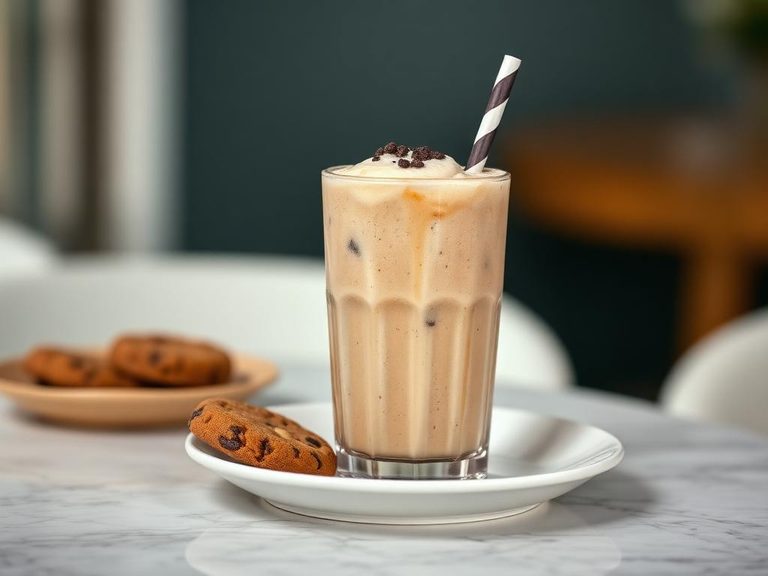
A classic, crispy-chewy cookie made with semi-sweet chocolate chips, engineered for a lighter profile without sacrificing the iconic buttery, vanilla-kissed flavor. Its texture is a satisfying balance of a slightly crisp edge and a soft, dense center. Nutritionally, it delivers a significant carbohydrate and sugar load from refined flour and added sugars, with a modest protein content.
💚 Why it's loved
People adore it for the universal, nostalgic flavor of sweet dough and melted chocolate, a taste deeply embedded in American snack culture. Its portability and satisfying texture make it a go-to comfort food for all ages.
⚠️ Watch-outs & how to enjoy it better
The high sugar and refined carbohydrate content can lead to rapid blood-sugar spikes and subsequent energy crashes. It is also a common carrier of allergens like wheat, eggs, and soy. To mitigate this, pair a single cookie with a source of protein (like Greek yogurt) or healthy fat (like a handful of nuts) to slow sugar absorption and increase satiety.
Key benefits
- Provides quick energy from carbohydrates.
- Contains small amounts of iron and magnesium from the chocolate.
- The lower-fat formulation reduces total calorie density compared to traditional versions.
- Offers a familiar, comforting treat for psychological well-being.
🍽️ Popular dishes
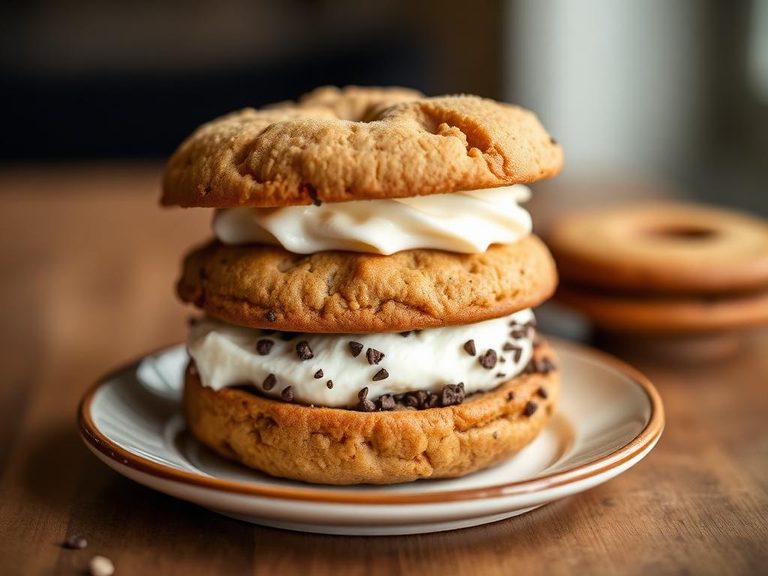
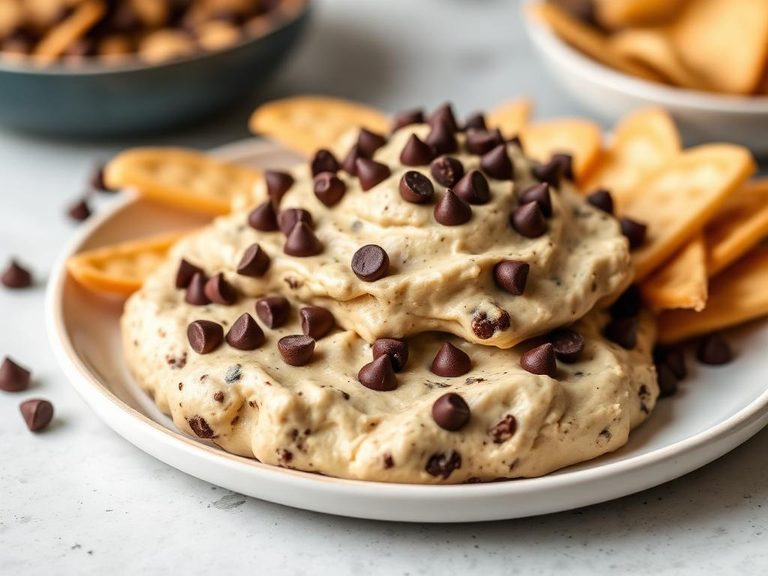
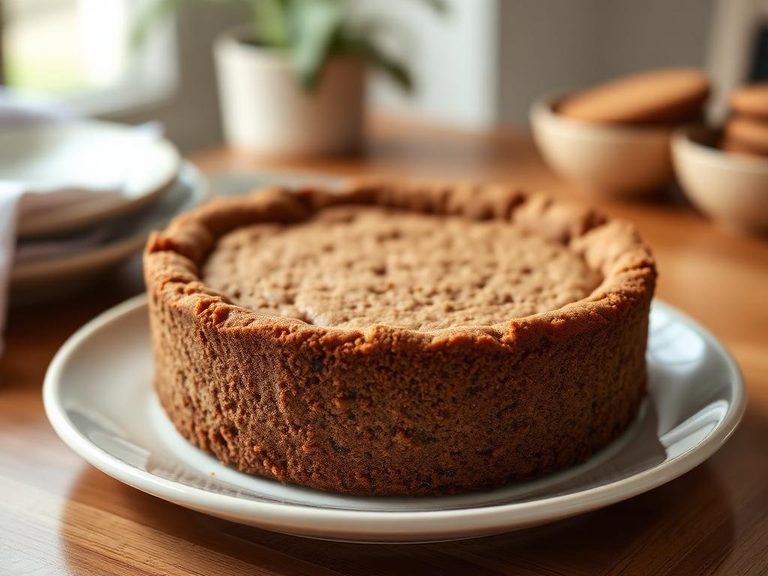
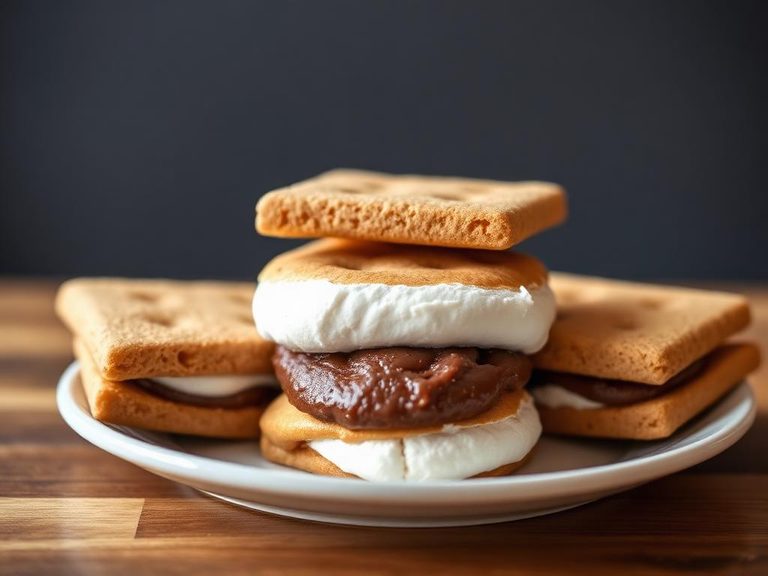
🌍 Where it's eaten
💡 Did you know?
The chocolate chip cookie was invented by accident in 1938 when Ruth Graves Wakefield, owner of the Toll House Inn, chopped up a Nestlé chocolate bar expecting it to melt into the dough, but it held its shape, creating the first 'Toll House Cookie.'
Full nutrition (scales with serving)
| Water | 7.4 g |
| Energy | 451 kcal |
| Energy | 1889 kj |
| Protein | 6.0 g |
| Total lipid (fat) | 17.9 g |
| Ash | 1.3 g |
| Carbohydrate, by difference | 67.5 g |
| Fiber, total dietary | 3.0 g |
| Total Sugars | 32.8 g |
| Calcium, Ca | 0.00 mg |
| Iron, Fe | 3.2 mg |
| Magnesium, Mg | 32.0 mg |
| Phosphorus, P | 63.0 mg |
| Potassium, K | 134 mg |
| Sodium, Na | 418 mg |
| Zinc, Zn | 0.59 mg |
| Copper, Cu | 0.20 mg |
| Manganese, Mn | 0.39 mg |
| Selenium, Se | 6.0 ug |
| Vitamin C, total ascorbic acid | 0.00 mg |
| Thiamin | 0.26 mg |
| Riboflavin | 0.18 mg |
| Niacin | 2.0 mg |
| Pantothenic acid | 0.17 mg |
| Vitamin B-6 | 0.02 mg |
| Folate, total | 62.0 ug |
| Folic acid | 49.0 ug |
| Folate, food | 12.0 ug |
| Folate, DFE | 96.0 ug |
| Choline, total | 4.9 mg |
| Vitamin B-12 | 0.00 ug |
| Vitamin B-12, added | 0.00 ug |
| Vitamin A, RAE | 0.00 ug |
| Retinol | 0.00 ug |
| Carotene, beta | 0.00 ug |
| Carotene, alpha | 0.00 ug |
| Cryptoxanthin, beta | 0.00 ug |
| Vitamin A, IU | 1.0 iu |
| Lycopene | 0.00 ug |
| Lutein + zeaxanthin | 29.0 ug |
| Vitamin E (alpha-tocopherol) | 1.5 mg |
| Vitamin E, added | 0.00 mg |
| Vitamin D (D2 + D3), International Units | 0.00 iu |
| Vitamin D (D2 + D3) | 0.00 ug |
| Vitamin K (phylloquinone) | 4.1 ug |
| Alcohol, ethyl | 0.00 g |
| Caffeine | 13.0 mg |
| Theobromine | 105 mg |
Fat & fatty acid profile (per 100g)
| Fatty acids, total saturated | 6.0 g |
| SFA 4:0 | 0.00 g |
| SFA 6:0 | 0.00 g |
| SFA 8:0 | 0.00 g |
| SFA 10:0 | 0.00 g |
| SFA 12:0 | 0.00 g |
| SFA 13:0 | 0.00 g |
| SFA 14:0 | 0.04 g |
| SFA 15:0 | 0.00 g |
| SFA 16:0 | 3.2 g |
| SFA 17:0 | 0.01 g |
| SFA 18:0 | 2.6 g |
| SFA 20:0 | 0.06 g |
| SFA 22:0 | 0.01 g |
| SFA 24:0 | 0.00 g |
| Fatty acids, total monounsaturated | 5.4 g |
| MUFA 14:1 | 0.00 g |
| MUFA 15:1 | 0.00 g |
| MUFA 16:1 | 0.04 g |
| MUFA 17:1 | 0.00 g |
| MUFA 18:1 | 5.4 g |
| MUFA 20:1 | 0.00 g |
| MUFA 22:1 | 0.00 g |
| MUFA 24:1 c | 0.00 g |
| Fatty acids, total polyunsaturated | 5.6 g |
| PUFA 18:2 | 5.3 g |
| PUFA 18:3 | 0.33 g |
| PUFA 18:4 | 0.00 g |
| PUFA 20:2 n-6 c,c | 0.00 g |
| PUFA 20:3 | 0.00 g |
| PUFA 20:4 | 0.00 g |
| PUFA 20:5 n-3 (EPA) | 0.00 g |
| PUFA 22:5 n-3 (DPA) | 0.00 g |
| PUFA 22:6 n-3 (DHA) | 0.00 g |
| Fatty acids, total trans | 0.00 g |
| Cholesterol | 0.00 mg |
Amino acid profile (per 100g)
| Tryptophan | 0.08 g |
| Threonine | 0.17 g |
| Isoleucine | 0.23 g |
| Leucine | 0.42 g |
| Lysine | 0.22 g |
| Methionine | 0.10 g |
| Cystine | 0.11 g |
| Phenylalanine | 0.28 g |
| Tyrosine | 0.18 g |
| Valine | 0.27 g |
| Arginine | 0.22 g |
| Histidine | 0.12 g |
| Alanine | 0.18 g |
| Aspartic acid | 0.28 g |
| Glutamic acid | 1.8 g |
| Glycine | 0.19 g |
| Proline | 0.63 g |
| Serine | 0.30 g |
FAQ
How does the 'lower fat' version differ from a regular chocolate chip cookie?
It typically uses less butter or oil and may incorporate ingredients like applesauce, pureed fruit, or reduced-fat dairy to maintain moisture, resulting in a slightly different texture and a lower total fat and calorie count per gram.
Is this a good post-workout snack?
While it contains carbohydrates for glycogen replenishment, its high sugar and low protein content make it suboptimal. A balanced snack with a 3:1 or 4:1 carb-to-protein ratio (like chocolate milk or a banana with peanut butter) is more effective for recovery.
Why does it have so much sugar?
Sugar is crucial for the classic sweet flavor, tender texture (by interfering with gluten development), and golden-brown color through caramelization. The 'lower fat' formulation often relies on sugar to compensate for reduced flavor from fat.