

Tomatoes, red, ripe, cooked, with salt
Whole food · Vegetables and Vegetable Products
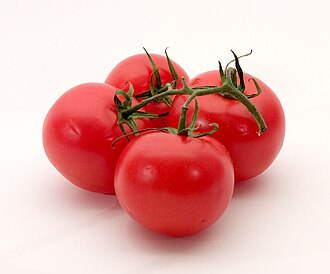
Photo: Wikipedia
This is the essence of a tomato's flavor, concentrated and sweetened by cooking. The texture is soft and yielding, with the salt enhancing the natural umami and bright acidity. Nutritionally, it's a low-calorie source of lycopene and provides a small amount of fiber and natural sugars.
Calorie split: 18% protein · 77% carbs · 5% fat
↓ Full nutrition💚 Why it's loved
People love it for its deep, savory-sweet flavor that forms the backbone of countless sauces, soups, and stews. Its versatility allows it to be a simple side dish or a complex ingredient, and it carries the comforting essence of home cooking across many cultures.
⚠️ Watch-outs & how to enjoy it better
The added salt makes it unsuitable for those on strict low-sodium diets without modification. The natural sugars, while not excessive, can contribute to blood sugar spikes if consumed in very large quantities alone. To counteract this, pair it with a protein like beans or chicken, or a healthy fat like olive oil to slow sugar absorption. For sodium concerns, use no-salt-added canned tomatoes and season at the table.
Key benefits
- Excellent source of the antioxidant lycopene, which is more bioavailable after cooking.
- Very low in calories and fat, making it a light, nutrient-dense addition to meals.
- Provides a modest amount of dietary fiber to support digestion.
- Rich in potassium, which helps regulate fluid balance and blood pressure.
- The added salt can enhance electrolyte intake, useful for rehydration.
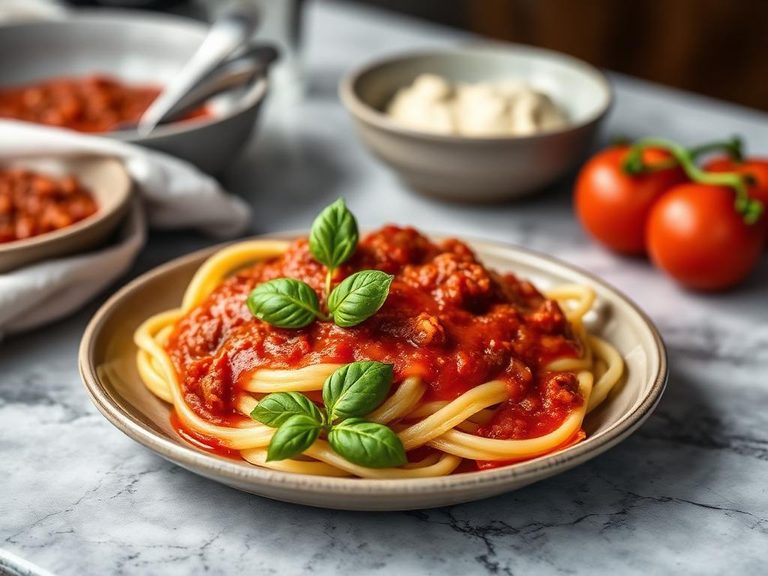
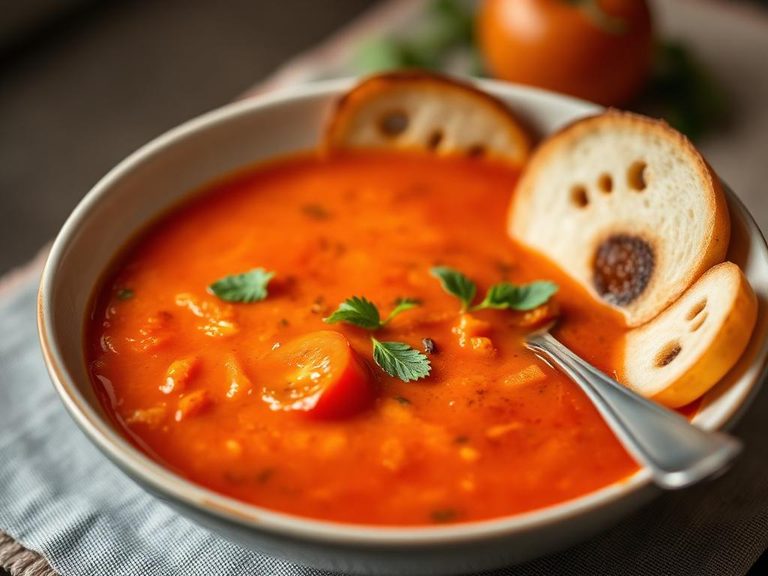
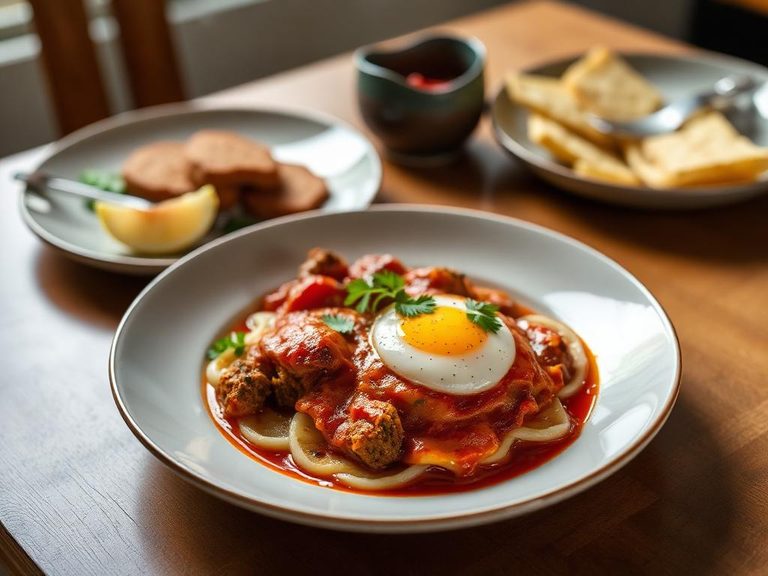
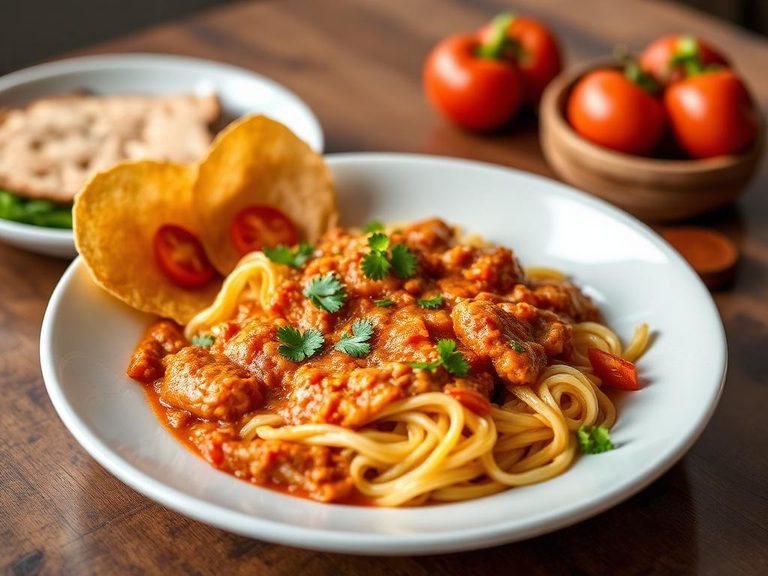
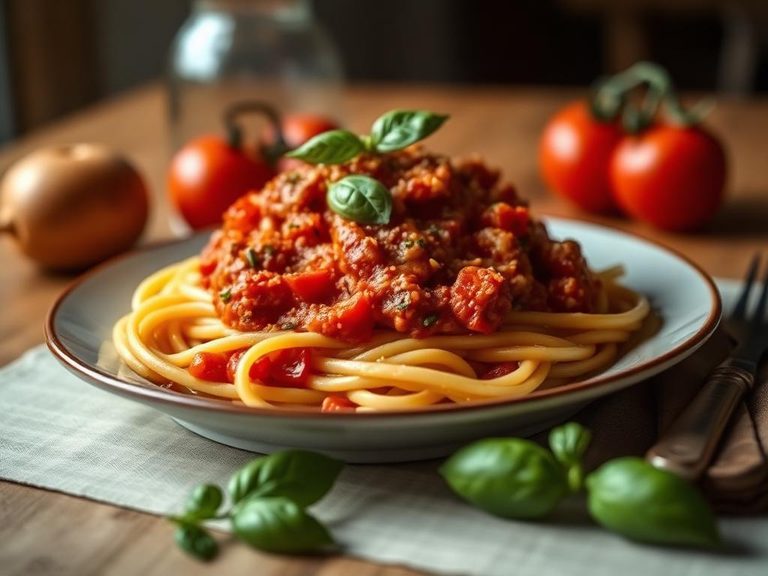
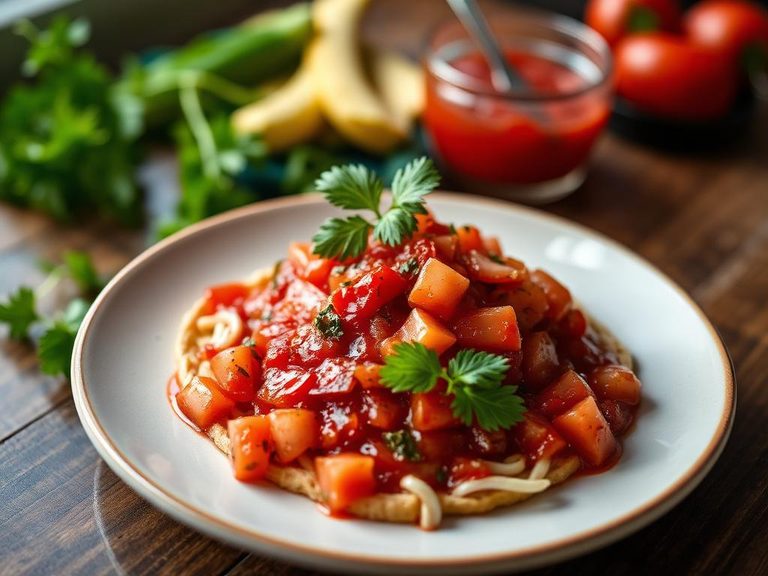
🍽️ Popular dishes
🌍 Where it's eaten
💡 Did you know?
Cooking tomatoes with salt can increase the bioavailability of lycopene by breaking down cell walls, but adding a small amount of oil is even more effective for absorption.
Full nutrition (USDA data · scales with serving)
| Water | 94.3 g |
| Energy | 18.0 kcal |
| Energy | 73.0 kj |
| Protein | 0.95 g |
| Total lipid (fat) | 0.11 g |
| Ash | 0.60 g |
| Carbohydrate, by difference | 4.0 g |
| Fiber, total dietary | 0.70 g |
| Total Sugars | 2.5 g |
| Sucrose | 0.00 g |
| Glucose | 1.2 g |
| Fructose | 1.3 g |
| Lactose | 0.00 g |
| Maltose | 0.00 g |
| Galactose | 0.00 g |
| Calcium, Ca | 11.0 mg |
| Iron, Fe | 0.68 mg |
| Magnesium, Mg | 9.0 mg |
| Phosphorus, P | 28.0 mg |
| Potassium, K | 218 mg |
| Sodium, Na | 247 mg |
| Zinc, Zn | 0.14 mg |
| Copper, Cu | 0.07 mg |
| Manganese, Mn | 0.10 mg |
| Vitamin C, total ascorbic acid | 22.8 mg |
| Thiamin | 0.04 mg |
| Riboflavin | 0.02 mg |
| Niacin | 0.53 mg |
| Pantothenic acid | 0.13 mg |
| Vitamin B-6 | 0.08 mg |
| Folate, total | 13.0 ug |
| Folic acid | 0.00 ug |
| Folate, food | 13.0 ug |
| Folate, DFE | 13.0 ug |
| Vitamin B-12 | 0.00 ug |
| Vitamin B-12, added | 0.00 ug |
| Vitamin A, RAE | 24.0 ug |
| Retinol | 0.00 ug |
| Carotene, beta | 293 ug |
| Carotene, alpha | 0.00 ug |
| Cryptoxanthin, beta | 0.00 ug |
| Vitamin A, IU | 489 iu |
| Lycopene | 3041 ug |
| Lutein + zeaxanthin | 94.0 ug |
| Vitamin E (alpha-tocopherol) | 0.56 mg |
| Vitamin E, added | 0.00 mg |
| Tocopherol, beta | 0.01 mg |
| Tocopherol, gamma | 0.21 mg |
| Tocopherol, delta | 0.01 mg |
| Tocotrienol, alpha | 0.00 mg |
| Tocotrienol, beta | 0.00 mg |
| Tocotrienol, gamma | 0.00 mg |
| Tocotrienol, delta | 0.00 mg |
| Vitamin D (D2 + D3), International Units | 0.00 iu |
| Vitamin D (D2 + D3) | 0.00 ug |
| Vitamin K (phylloquinone) | 2.8 ug |
| Vitamin K (Dihydrophylloquinone) | 0.00 ug |
| Caffeine | 0.00 mg |
| Theobromine | 0.00 mg |
Fat & fatty acid profile (per 100g)
| Fatty acids, total saturated | 0.01 g |
| SFA 14:0 | 0.00 g |
| SFA 16:0 | 0.01 g |
| SFA 18:0 | 0.00 g |
| Fatty acids, total monounsaturated | 0.02 g |
| MUFA 16:1 | 0.00 g |
| MUFA 18:1 | 0.02 g |
| MUFA 20:1 | 0.00 g |
| Fatty acids, total polyunsaturated | 0.04 g |
| PUFA 18:2 | 0.04 g |
| PUFA 18:3 | 0.00 g |
| Fatty acids, total trans | 0.00 g |
| Cholesterol | 0.00 mg |
| Phytosterols | 9.0 mg |
Amino acid profile (per 100g)
| Tryptophan | 0.01 g |
| Threonine | 0.03 g |
| Isoleucine | 0.03 g |
| Leucine | 0.04 g |
| Lysine | 0.04 g |
| Methionine | 0.01 g |
| Cystine | 0.01 g |
| Phenylalanine | 0.03 g |
| Tyrosine | 0.02 g |
| Valine | 0.03 g |
| Arginine | 0.03 g |
| Histidine | 0.02 g |
| Alanine | 0.03 g |
| Aspartic acid | 0.15 g |
| Glutamic acid | 0.39 g |
| Glycine | 0.03 g |
| Proline | 0.02 g |
| Serine | 0.03 g |
FAQ
Is this the same as tomato paste or sauce?
No. This is typically crushed or diced tomatoes that have been cooked down with salt. Tomato paste is a much thicker, more concentrated purée, while tomato sauce is a smoother, often seasoned liquid.
Can I use this to make a quick pasta sauce?
Absolutely. Sauté some garlic and onion in olive oil, add this cooked tomato, simmer for 10-15 minutes, and finish with fresh basil for a fast, flavorful sauce.
Why is the sugar content listed if it's savory?
Tomatoes naturally contain sugars like fructose and glucose. Cooking concentrates these flavors, and the added salt creates a savory-sweet balance that is characteristic of many tomato-based dishes.
Nutrient density (calculated · NRF9.3)
Nutrient Rich Foods index: beneficial nutrients (protein, fiber, vitamins, minerals) minus saturated fat, added sugar & sodium, per 100 kcal.
NRF9.3 index — Fulgoni, Keast & Drewnowski, 2009. Computed from USDA nutrients.
Weight-loss friendliness (composite index)
Energy density 0.18 kcal/g · 21% calories from protein · 0.7 g fiber · 2.5 g sugar per 100 g.
Composite of energy density (Rolls et al., 1999), protein & fiber satiety, minus sugar. A calculated heuristic — ranks satiety-per-calorie, not a clinical measure.
Dietary load (calculated from USDA values)
Potential renal acid load. Positive = acid-forming, negative = alkaline-forming.
Sodium-to-potassium ratio: 1.13 (lower is better — aim for ≤ 1)
Sodium:potassium per WHO potassium guidance. Computed from USDA nutrients.