Seeds, sunflower seed kernels, dry roasted, with salt added
Whole food · Nut and Seed Products
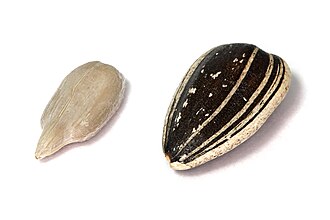
Photo: Wikipedia
Dry-roasted sunflower seed kernels are the shelled, golden-brown hearts of the sunflower seed, offering a satisfying, nutty crunch with a savory, salty finish. They are a calorie-dense, energy-packed snack, notably rich in healthy fats, plant-based protein, and dietary fiber.
💚 Why it's loved
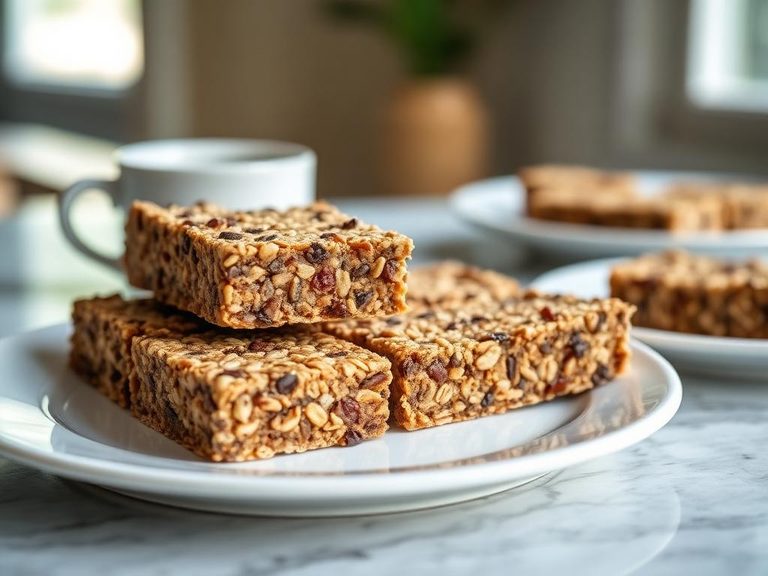
People adore them for their deeply savory, toasty flavor and addictive crunch, making them a perfect on-the-go snack or salad topper. Their versatility shines in everything from trail mixes to baked goods, and they are a staple in many global cuisines.
⚠️ Watch-outs & how to enjoy it better
The added salt can be a concern for those monitoring sodium intake, and the high calorie density requires mindful portioning. As a common allergen, they must be avoided by individuals with seed allergies. To counteract sodium, look for low-salt versions or rinse them lightly; pair with fresh fruit or vegetables to balance the snack.
Key benefits
- Excellent source of vitamin E, a potent antioxidant.
- High in magnesium, supporting nerve and muscle function.
- Provides a substantial amount of plant-based protein.
- Rich in selenium, which supports thyroid health.
- Contains phytosterols, which may help manage cholesterol levels.
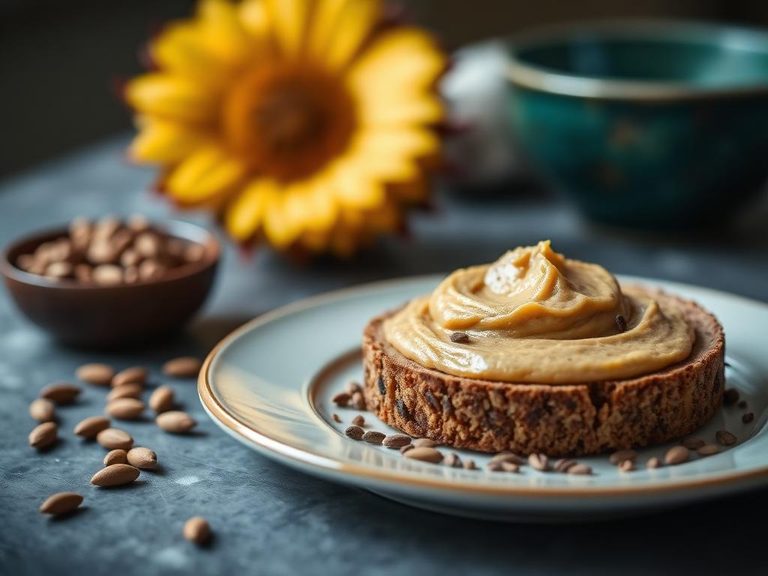
🍽️ Popular dishes

🌍 Where it's eaten
💡 Did you know?
The sunflower is one of the only crops native to North America, domesticated by Indigenous peoples over 5,000 years ago, long before it became a global snack staple.
Full nutrition (scales with serving)
| Water | 1.2 g |
| Energy | 582 kcal |
| Energy | 2435 kj |
| Protein | 19.3 g |
| Total lipid (fat) | 49.8 g |
| Ash | 5.6 g |
| Carbohydrate, by difference | 24.1 g |
| Fiber, total dietary | 9.0 g |
| Total Sugars | 2.7 g |
| Sucrose | 2.7 g |
| Glucose | 0.03 g |
| Fructose | 0.00 g |
| Lactose | 0.00 g |
| Maltose | 0.00 g |
| Galactose | 0.00 g |
| Calcium, Ca | 70.0 mg |
| Iron, Fe | 3.8 mg |
| Magnesium, Mg | 129 mg |
| Phosphorus, P | 1155 mg |
| Potassium, K | 850 mg |
| Sodium, Na | 655 mg |
| Zinc, Zn | 5.3 mg |
| Copper, Cu | 1.8 mg |
| Manganese, Mn | 2.1 mg |
| Selenium, Se | 79.3 ug |
| Vitamin C, total ascorbic acid | 1.4 mg |
| Thiamin | 0.11 mg |
| Riboflavin | 0.25 mg |
| Niacin | 7.0 mg |
| Pantothenic acid | 7.0 mg |
| Vitamin B-6 | 0.80 mg |
| Folate, total | 237 ug |
| Folic acid | 0.00 ug |
| Folate, food | 237 ug |
| Folate, DFE | 237 ug |
| Choline, total | 55.1 mg |
| Vitamin B-12 | 0.00 ug |
| Vitamin B-12, added | 0.00 ug |
| Vitamin A, RAE | 0.00 ug |
| Retinol | 0.00 ug |
| Carotene, beta | 5.0 ug |
| Carotene, alpha | 0.00 ug |
| Cryptoxanthin, beta | 0.00 ug |
| Vitamin A, IU | 9.0 iu |
| Lycopene | 0.00 ug |
| Lutein + zeaxanthin | 0.00 ug |
| Vitamin E (alpha-tocopherol) | 26.1 mg |
| Vitamin E, added | 0.00 mg |
| Tocopherol, beta | 1.2 mg |
| Tocopherol, gamma | 0.00 mg |
| Tocopherol, delta | 0.24 mg |
| Tocotrienol, alpha | 0.00 mg |
| Tocotrienol, beta | 0.00 mg |
| Tocotrienol, gamma | 0.00 mg |
| Tocotrienol, delta | 0.00 mg |
| Vitamin D (D2 + D3), International Units | 0.00 iu |
| Vitamin D (D2 + D3) | 0.00 ug |
| Vitamin K (phylloquinone) | 2.7 ug |
| Fatty acids, total saturated | 5.2 g |
| SFA 4:0 | 0.00 g |
| SFA 6:0 | 0.00 g |
| SFA 8:0 | 0.00 g |
| SFA 10:0 | 0.00 g |
| SFA 12:0 | 0.00 g |
| SFA 14:0 | 0.05 g |
| SFA 16:0 | 2.8 g |
| SFA 18:0 | 2.2 g |
| Fatty acids, total monounsaturated | 9.5 g |
| MUFA 16:1 | 0.05 g |
| MUFA 18:1 | 9.4 g |
| MUFA 20:1 | 0.05 g |
| MUFA 22:1 | 0.00 g |
| Fatty acids, total polyunsaturated | 32.9 g |
| PUFA 18:2 | 32.8 g |
| PUFA 18:3 | 0.07 g |
| PUFA 18:4 | 0.00 g |
| PUFA 20:4 | 0.00 g |
| PUFA 20:5 n-3 (EPA) | 0.00 g |
| PUFA 22:5 n-3 (DPA) | 0.00 g |
| PUFA 22:6 n-3 (DHA) | 0.00 g |
| Cholesterol | 0.00 mg |
| Tryptophan | 0.29 g |
| Threonine | 0.79 g |
| Isoleucine | 0.97 g |
| Leucine | 1.4 g |
| Lysine | 0.80 g |
| Methionine | 0.42 g |
| Cystine | 0.38 g |
| Phenylalanine | 0.99 g |
| Tyrosine | 0.56 g |
| Valine | 1.1 g |
| Arginine | 2.0 g |
| Histidine | 0.54 g |
| Alanine | 0.95 g |
| Aspartic acid | 2.1 g |
| Glutamic acid | 4.7 g |
| Glycine | 1.2 g |
| Proline | 1.0 g |
| Serine | 0.91 g |
| Alcohol, ethyl | 0.00 g |
| Caffeine | 0.00 mg |
| Theobromine | 0.00 mg |
FAQ
Are sunflower seeds a good source of protein?
Yes, they are a good plant-based source, providing about 6 grams of protein per 30-gram (1 oz) serving, which is roughly the size of a small handful.
Why are the shells sometimes black and white?
The black-and-white striped shells are from the most common variety, 'Mammoth Russian.' Solid black shells typically come from smaller, oilier varieties often used for oil production.
Can I eat the whole seed, shell and all?
While edible, the shells are primarily insoluble fiber and can be tough to digest in large quantities. Most people prefer the shelled kernels (hearts) for better texture and nutrient absorption.