

Salad dressing, italian dressing, commercial, regular, without salt
Whole food · Fats and Oils

Photo: Wikipedia
This is the classic, zesty Italian dressing you'd find in a bottle at the supermarket, ready to shake and pour. It's a vibrant, oil-based emulsion with a tangy, herb-flecked flavor and a smooth, slightly viscous texture that coats every leaf. Nutritionally, it's almost entirely fat and sugar, providing a significant calorie boost with minimal protein or fiber.
Calorie split: 1% protein · 14% carbs · 86% fat
↓ Full nutrition💚 Why it's loved
People adore it for its bold, tangy flavor that instantly transforms a simple salad into something more exciting. Its versatility extends beyond salads, making it a beloved marinade for chicken, a dip for bread, or a flavor base for pasta salads.
⚠️ Watch-outs & how to enjoy it better
Its high fat and added sugar content can contribute to excess calorie intake if not portioned carefully. The lack of fiber means it doesn't promote fullness on its own, and the sugar can cause a rapid blood-sugar spike when consumed with low-fiber foods. To counteract this, use it sparingly, pair it with a fiber-rich salad base (like kale or chickpeas) and a lean protein (like grilled chicken), and consider making a homemade version with less sugar and more vinegar.
Key benefits
- Provides quick energy from fats and carbohydrates.
- Enhances the palatability of raw vegetables, encouraging consumption.
- Contains herbs like oregano and basil which have antioxidant properties.
- Convenient and shelf-stable for quick meal preparation.
🍽️ Popular dishes
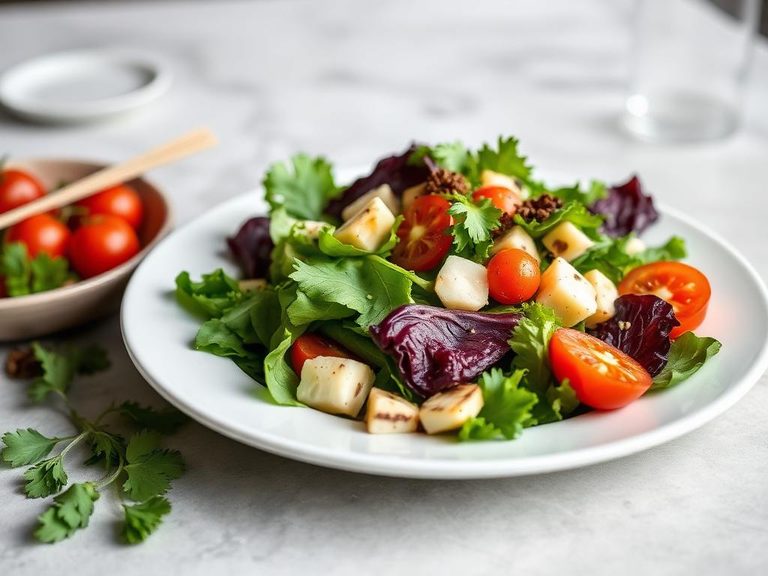
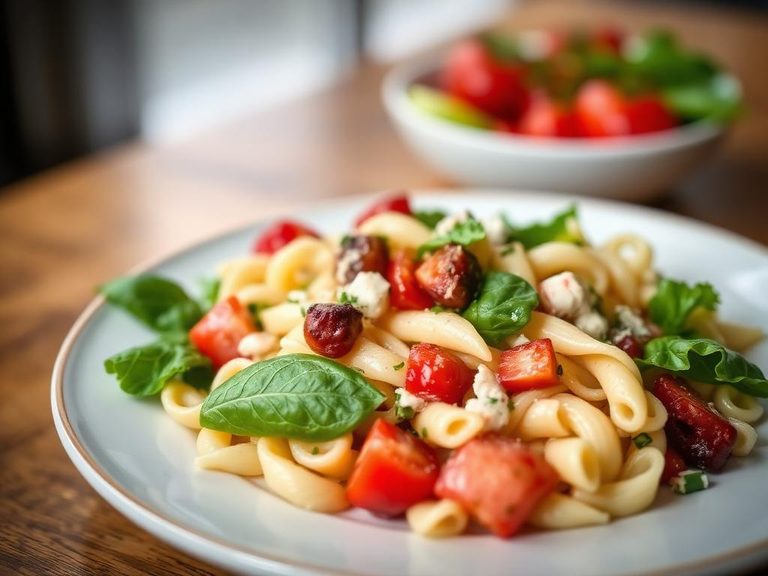

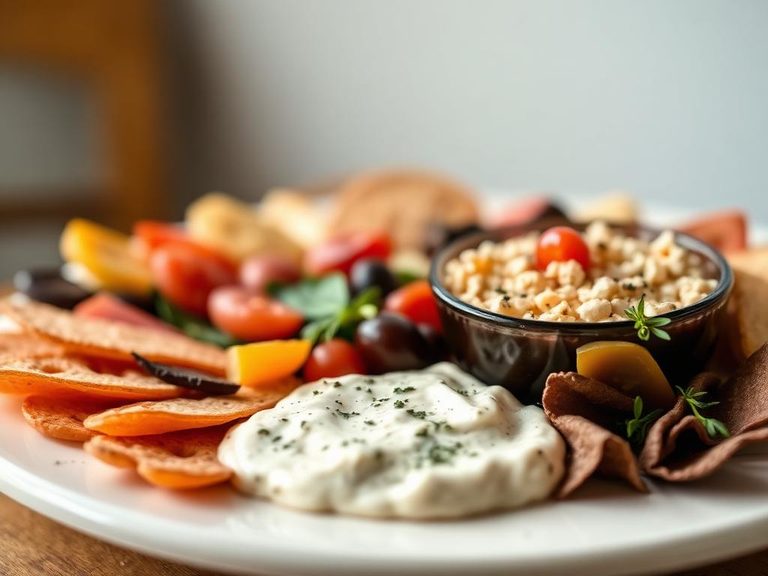
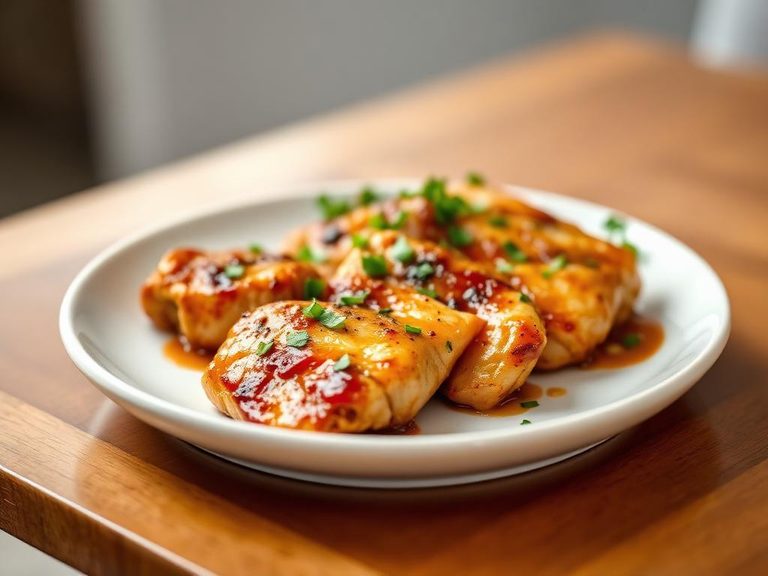
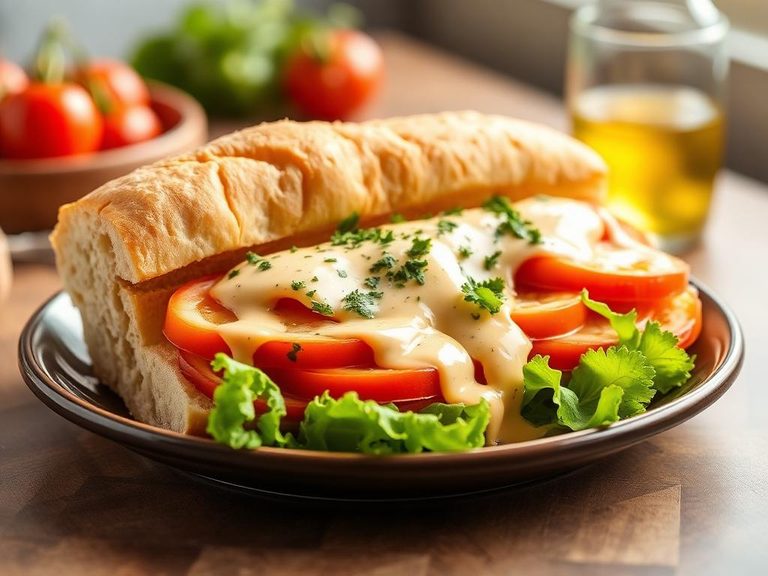
🌍 Where it's eaten
💡 Did you know?
Despite its name, 'Italian dressing' as sold in American bottles is largely an Italian-American invention, not a traditional dressing from Italy. Its closest Italian relative is a simple 'insalata' dressing of olive oil, vinegar, and herbs.
Full nutrition (USDA data · scales with serving)
| Water | 56.4 g |
| Energy | 292 kcal |
| Energy | 1222 kj |
| Protein | 0.38 g |
| Total lipid (fat) | 28.4 g |
| Ash | 4.4 g |
| Carbohydrate, by difference | 10.4 g |
| Fiber, total dietary | 0.00 g |
| Total Sugars | 8.3 g |
| Sucrose | 0.00 g |
| Glucose | 4.7 g |
| Fructose | 3.6 g |
| Lactose | 0.00 g |
| Maltose | 0.00 g |
| Galactose | 0.00 g |
| Starch | 0.00 g |
| Calcium, Ca | 7.0 mg |
| Iron, Fe | 0.63 mg |
| Magnesium, Mg | 3.0 mg |
| Phosphorus, P | 9.0 mg |
| Potassium, K | 48.0 mg |
| Sodium, Na | 30.0 mg |
| Zinc, Zn | 0.13 mg |
| Copper, Cu | 0.00 mg |
| Manganese, Mn | 0.02 mg |
| Selenium, Se | 2.0 ug |
| Vitamin C, total ascorbic acid | 0.00 mg |
| Thiamin | 0.01 mg |
| Riboflavin | 0.02 mg |
| Niacin | 0.00 mg |
| Pantothenic acid | 0.00 mg |
| Vitamin B-6 | 0.06 mg |
| Folate, total | 0.00 ug |
| Folic acid | 0.00 ug |
| Folate, food | 0.00 ug |
| Folate, DFE | 0.00 ug |
| Vitamin B-12 | 0.00 ug |
| Vitamin A, RAE | 2.0 ug |
| Retinol | 0.00 ug |
| Carotene, beta | 21.0 ug |
| Carotene, alpha | 0.00 ug |
| Cryptoxanthin, beta | 2.0 ug |
| Vitamin A, IU | 36.0 iu |
| Lycopene | 16.0 ug |
| Lutein + zeaxanthin | 0.00 ug |
| Vitamin E (alpha-tocopherol) | 2.6 mg |
| Vitamin K (phylloquinone) | 56.0 ug |
| Alcohol, ethyl | 0.00 g |
| Caffeine | 0.00 mg |
| Theobromine | 0.00 mg |
Fat & fatty acid profile (per 100g)
| Fatty acids, total saturated | 4.5 g |
| SFA 4:0 | 0.00 g |
| SFA 6:0 | 0.00 g |
| SFA 8:0 | 0.00 g |
| SFA 10:0 | 0.00 g |
| SFA 12:0 | 0.00 g |
| SFA 14:0 | 0.00 g |
| SFA 16:0 | 3.3 g |
| SFA 17:0 | 0.00 g |
| SFA 18:0 | 0.95 g |
| SFA 20:0 | 0.07 g |
| SFA 22:0 | 0.15 g |
| SFA 24:0 | 0.00 g |
| Fatty acids, total monounsaturated | 6.3 g |
| MUFA 14:1 | 0.00 g |
| MUFA 15:1 | 0.00 g |
| MUFA 16:1 | 0.00 g |
| MUFA 17:1 | 0.00 g |
| MUFA 18:1 | 6.3 g |
| MUFA 20:1 | 0.00 g |
| MUFA 22:1 | 0.00 g |
| Fatty acids, total polyunsaturated | 12.9 g |
| PUFA 18:2 | 11.5 g |
| PUFA 18:3 | 1.4 g |
| PUFA 18:4 | 0.00 g |
| PUFA 20:4 | 0.00 g |
| PUFA 20:5 n-3 (EPA) | 0.00 g |
| PUFA 22:5 n-3 (DPA) | 0.00 g |
| PUFA 22:6 n-3 (DHA) | 0.00 g |
| Cholesterol | 67.0 mg |
Amino acid profile (per 100g)
Estimated from Salad dressing, sesame seed dressing, regular — USDA does not publish this profile for Salad dressing.
| Tryptophan | 0.05 g |
| Threonine | 0.05 g |
| Isoleucine | 0.05 g |
| Leucine | 0.08 g |
| Lysine | 0.14 g |
| Methionine | 0.03 g |
| Cystine | 0.00 g |
| Phenylalanine | 0.09 g |
| Tyrosine | 0.10 g |
| Valine | 0.07 g |
| Arginine | 0.40 g |
| Histidine | 0.03 g |
| Alanine | 0.00 g |
| Aspartic acid | 0.00 g |
| Glutamic acid | 0.46 g |
| Glycine | 0.00 g |
| Proline | 0.00 g |
| Serine | 0.00 g |
FAQ
Is this the same as the dressing served at Italian restaurants?
Often not. Many restaurants serve a lighter, house-made version with less sugar and a higher vinegar-to-oil ratio. The commercial bottled version is typically sweeter and more emulsified.
Can I use it for cooking or just salads?
It's excellent as a marinade for meats and vegetables before grilling or roasting, and as a flavorful addition to cold pasta or potato salads. Avoid using it for high-heat frying due to its fat content and potential for smoke.
Why does it have so much sugar?
Commercial brands add sugar to balance the acidity of vinegar and create a more palatable, crowd-pleasing flavor profile. It also acts as a preservative and helps stabilize the emulsion.
Nutrient density (calculated · NRF9.3)
Nutrient Rich Foods index: beneficial nutrients (protein, fiber, vitamins, minerals) minus saturated fat, added sugar & sodium, per 100 kcal.
NRF9.3 index — Fulgoni, Keast & Drewnowski, 2009. Computed from USDA nutrients.
Weight-loss friendliness (composite index)
Energy density 2.92 kcal/g · 1% calories from protein · 0.0 g fiber · 8.3 g sugar per 100 g.
Composite of energy density (Rolls et al., 1999), protein & fiber satiety, minus sugar. A calculated heuristic — ranks satiety-per-calorie, not a clinical measure.
Dietary load (calculated from USDA values)
Potential renal acid load. Positive = acid-forming, negative = alkaline-forming.
Sodium-to-potassium ratio: 0.63 (lower is better — aim for ≤ 1)
Sodium:potassium per WHO potassium guidance. Computed from USDA nutrients.