

Chicken Marinade
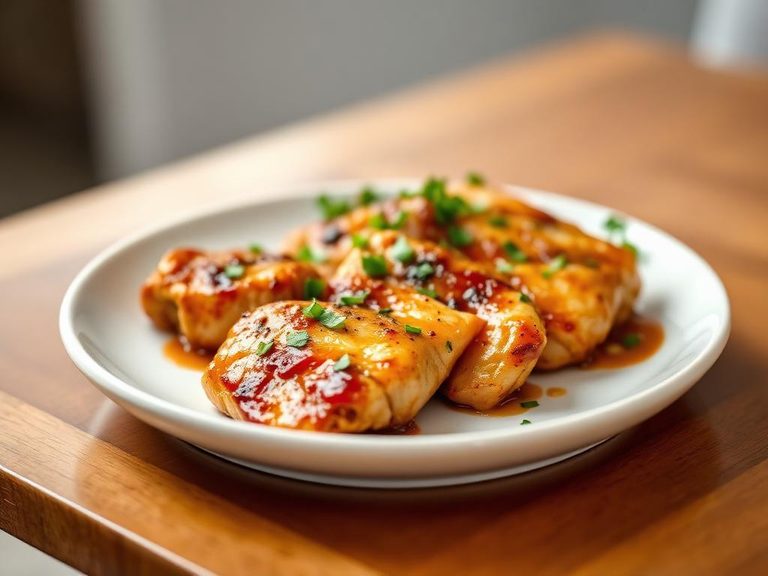
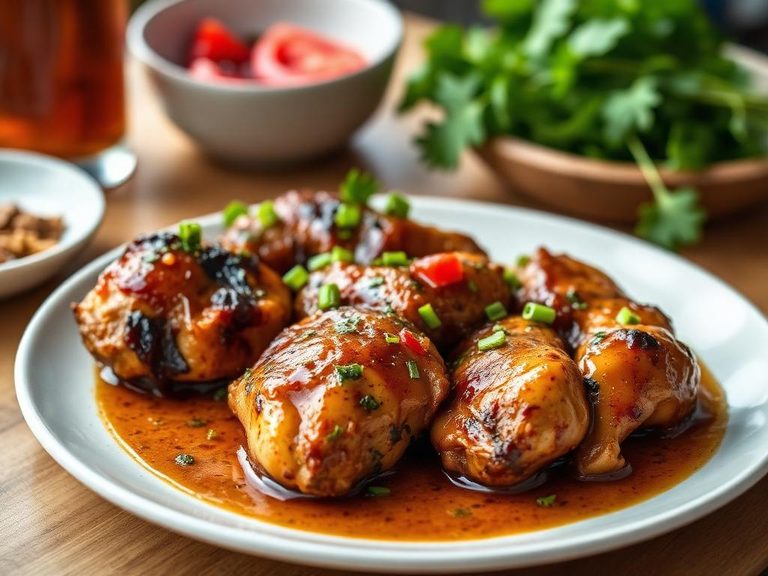
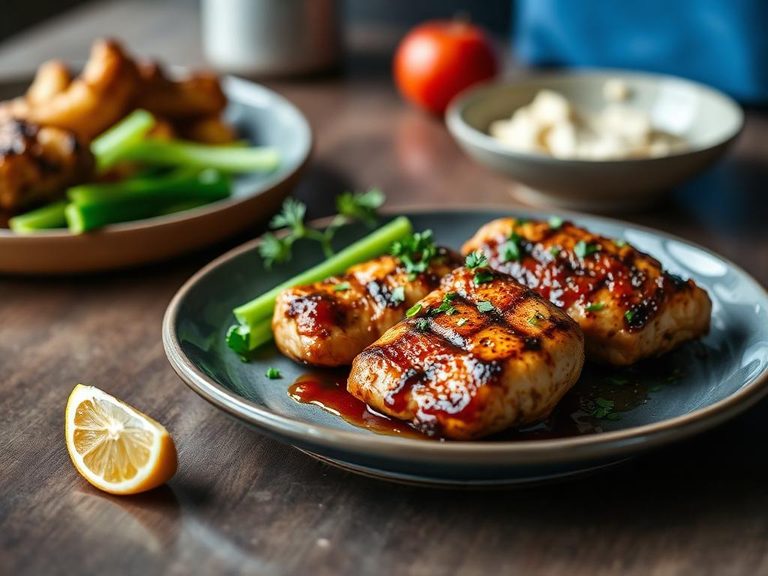
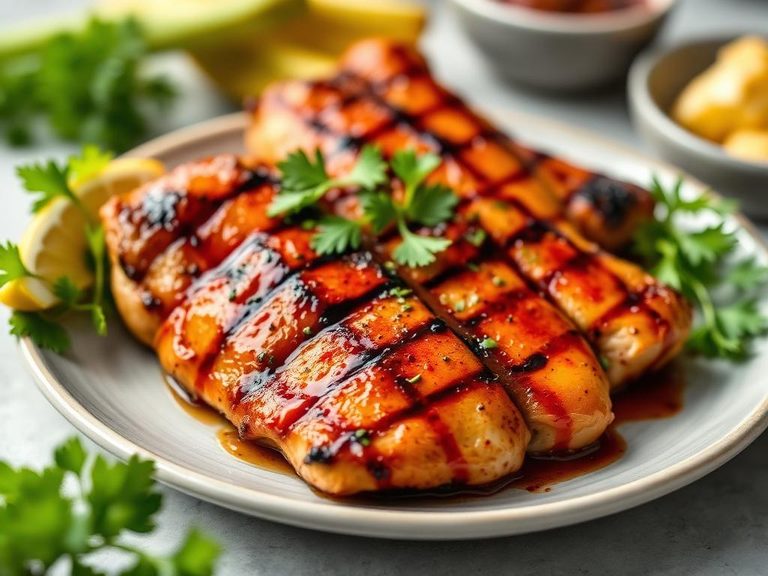
Chicken Marinade is not a standalone dish but a flavorful preparation technique where chicken is soaked in a seasoned liquid mixture before cooking. This process typically involves ingredients like oil, acid (such as lemon juice or vinegar), herbs, spices, and aromatics like garlic or ginger, and is practiced in cuisines worldwide from Mediterranean to Asian. The goal is to tenderize the meat and infuse it with deep, complex flavors.
🍳 View the full Chicken Marinade recipe →
🍽️ Nutrition at a glance
The nutritional profile of marinated chicken depends heavily on the cooking method (grilled, baked, etc.) and the specific marinade ingredients, but it is generally a high-protein dish. A standard serving (about 4 ounces of cooked chicken) typically provides around 25-35 grams of protein, with fat and carbohydrate content varying based on the oil and sugar content in the marinade, and a rough calorie range of 200-350 per serving.
Nutrition breakdown
| Calories | 50 kcal |
| Protein | 2 g |
| Carbs | 5 g |
| Fat | 3 g |
| Fiber | 0.5 g |
| Sugar | 2 g |
| Sodium | 600 mg |
| Sodium | 600 mg |
| Potassium | 80 mg |
| Iron | 0.4 mg |
| Vitamin C | 2 mg |
| Vitamin B6 | 0.1 mg |
| Niacin (B3) | 0.5 mg |
| Folate | 10 mcg |
| Magnesium | 10 mg |
Per 1/4 cup (60 g) · estimated, varies by recipe
💡 What's interesting
Culturally, marinating is a universal culinary practice with ancient roots, used not only for flavor but also historically as a preservation method. Nutritionally, acidic components in marinades (like citrus or yogurt) can help break down proteins, potentially making the chicken more tender and easier to digest.
🍽️ Related dishes


AI estimate may be inaccurate · Terms