

Marinade for Chicken or Fish
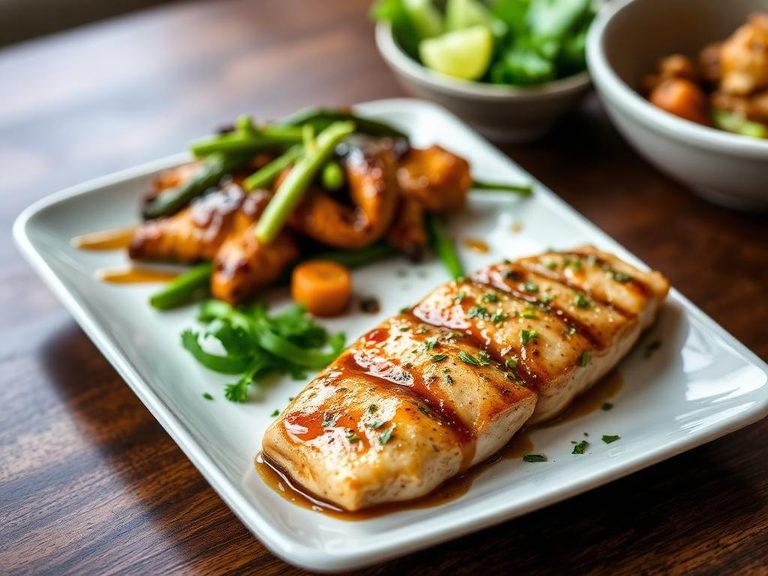
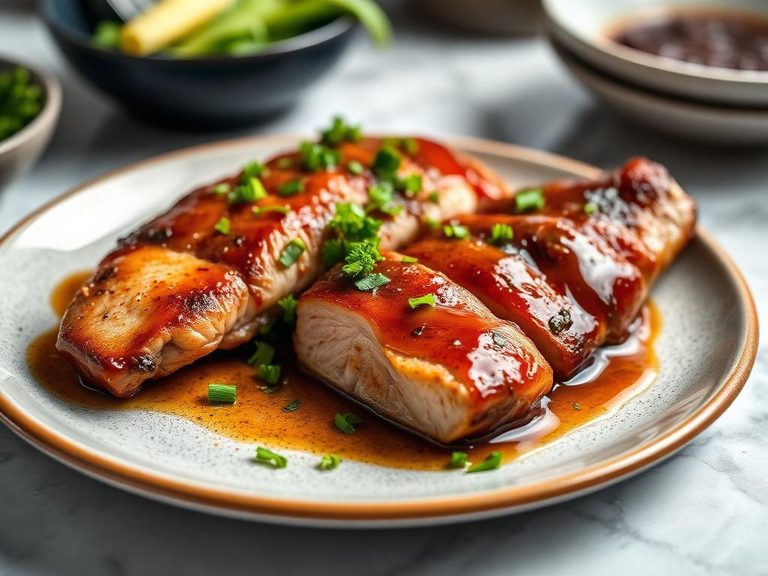
This is a versatile, flavorful liquid mixture used to tenderize and season chicken or fish before cooking, typically featuring a base of oil, acid (like citrus juice or vinegar), herbs, and spices. Its origins are global, with countless regional variations, but it is a foundational technique in many cuisines to enhance moisture and flavor. The exact ingredients can range from simple lemon and herbs to complex blends with soy sauce, garlic, and ginger.
🍳 View the full Marinade for Chicken or Fish recipe →
🍽️ Nutrition at a glance
A marinade itself is not typically consumed as a standalone dish, so its nutritional profile is absorbed by the protein it flavors. It generally adds minimal calories (often 20-50 per serving) and contributes healthy fats from oils, along with antioxidants and micronutrients from herbs and spices, without significantly altering the high-protein nature of the chicken or fish.
Nutrition breakdown
| Calories | 45 kcal |
| Protein | 0.5 g |
| Carbs | 3 g |
| Fat | 3.5 g |
| Fiber | 0.5 g |
| Sugar | 1.5 g |
| Sodium | 900 mg |
| Sodium | 900 mg |
| Potassium | 45 mg |
| Vitamin C | 2 mg |
| Iron | 0.3 mg |
| Calcium | 10 mg |
| Vitamin B6 | 0.05 mg |
| Magnesium | 5 mg |
| Phosphorus | 15 mg |
Per 1/4 cup (60 g) · estimated, varies by recipe
💡 What's interesting
The science behind marination is fascinating: the acid or enzymes help break down protein structures for tenderness, while the oil and salt facilitate flavor penetration. Culturally, it's a universal concept, with each cuisine offering a unique signature—from Mediterranean herb-infused olive oil to Asian soy-ginger blends—showcasing local ingredients and tastes.
🍽️ Related dishes
AI estimate may be inaccurate · Terms