

Rye flour, dark
Whole food · Cereal Grains and Pasta

Photo: Wikipedia
Dark rye flour is a deeply pigmented, robustly flavored flour milled from the whole rye berry, including its nutrient-rich bran and germ. It has a dense, slightly chewy texture and a distinctly earthy, tangy, and mildly bitter taste that is more intense than light rye. Its standout nutritional feature is its exceptionally high fiber content, providing nearly 24 grams per 100g, which is significantly more than most other flours.
Calorie split: 18% protein · 77% carbs · 6% fat
↓ Full nutrition💚 Why it's loved
People love dark rye flour for its complex, earthy flavor that adds depth and character to baked goods, far beyond the blandness of white flour. It is the essential ingredient for creating the iconic dense, moist, and tangy breads of Northern and Eastern European cuisine, making it a cultural staple.
⚠️ Watch-outs & how to enjoy it better
Its strong, bitter flavor can be overpowering if used in high proportions, and its dense texture can make baked goods heavy or gummy if not properly balanced with other flours or liquids. Those with celiac disease must avoid it as it contains gluten. To mitigate bitterness, it's often blended with wheat flour, and its density can be managed by using adequate hydration and leavening agents like sourdough starter.
Key benefits
- Exceptionally high in dietary fiber, promoting digestive health and satiety.
- Rich source of plant-based protein, with over 15g per 100g.
- Low in fat, containing only about 2g per 100g.
- Contains more minerals and antioxidants than refined flours due to its whole-grain nature.
- Has a lower glycemic index than wheat flour, leading to a slower blood sugar response.
🍽️ Popular dishes
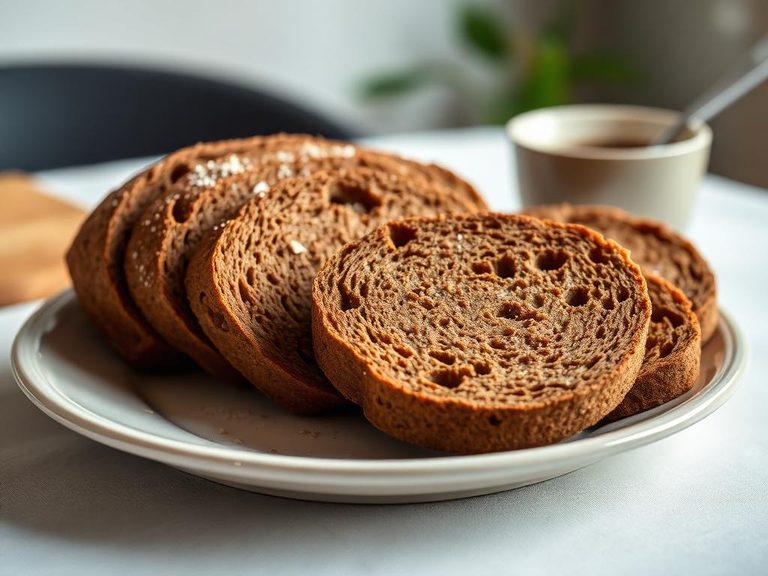
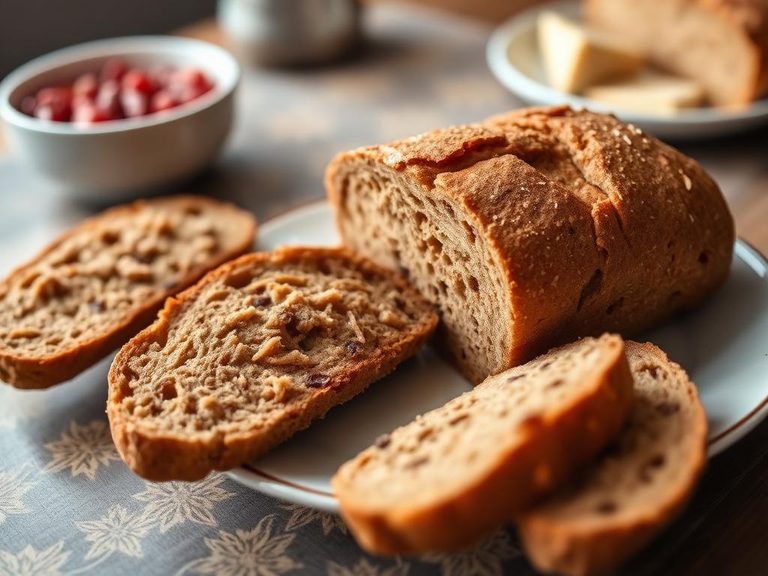
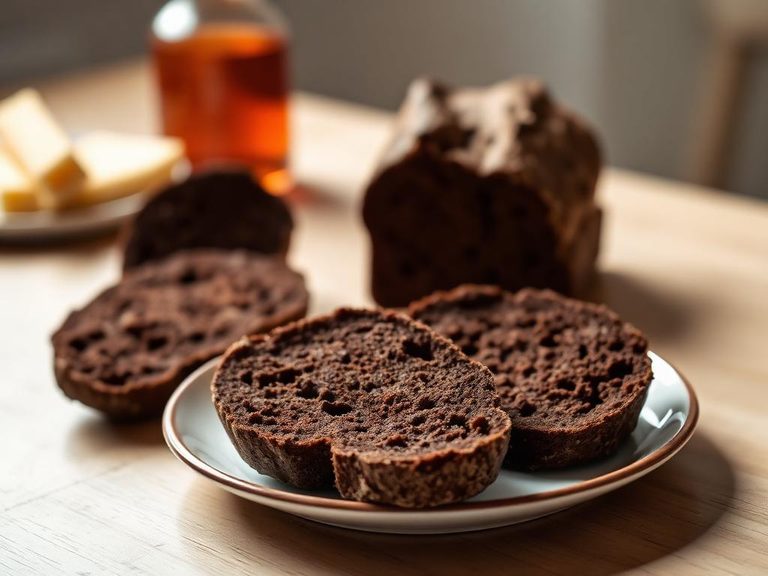
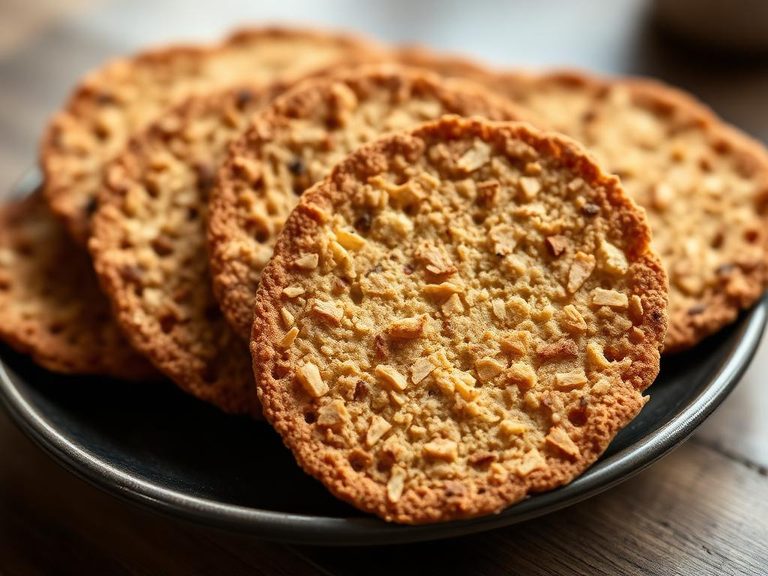
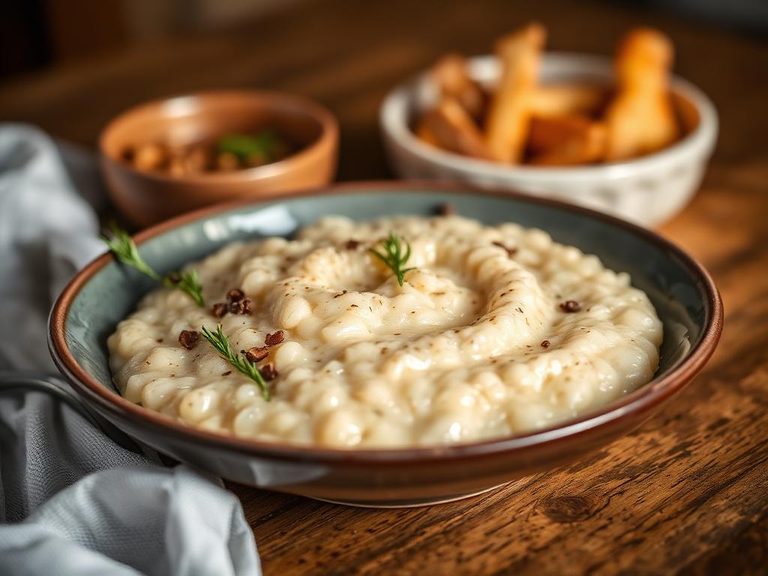
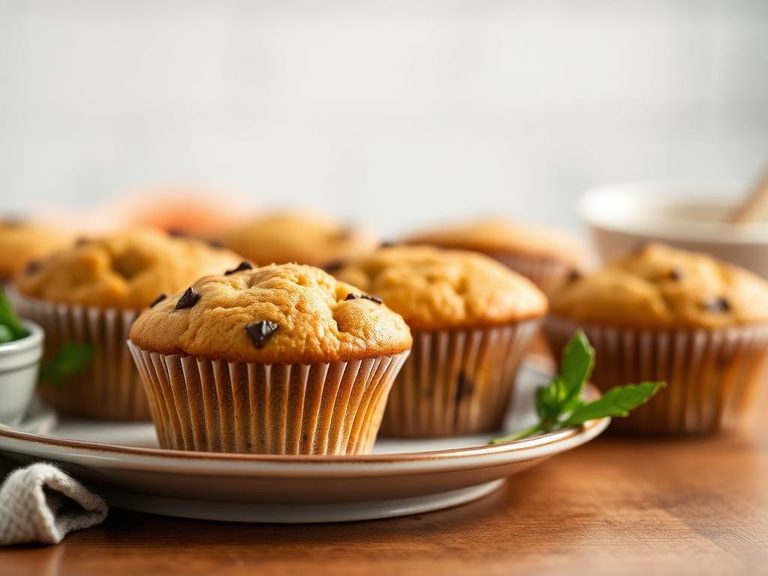
🌍 Where it's eaten
💡 Did you know?
True traditional German Pumpernickel bread is made from 100% coarsely ground rye flour and is steamed for 16-24 hours in a sealed tin, a process that gives it its characteristic dark color, dense texture, and long shelf life without needing preservatives.
Full nutrition (USDA data · scales with serving)
| Water | 10.8 g |
| Energy | 325 kcal |
| Energy | 1360 kj |
| Protein | 15.9 g |
| Total lipid (fat) | 2.2 g |
| Ash | 2.5 g |
| Carbohydrate, by difference | 68.6 g |
| Fiber, total dietary | 23.8 g |
| Total Sugars | 2.3 g |
| Sucrose | 1.8 g |
| Glucose | 0.22 g |
| Fructose | 0.23 g |
| Lactose | 0.00 g |
| Maltose | 0.07 g |
| Galactose | 0.00 g |
| Calcium, Ca | 37.0 mg |
| Iron, Fe | 5.0 mg |
| Magnesium, Mg | 160 mg |
| Phosphorus, P | 499 mg |
| Potassium, K | 717 mg |
| Sodium, Na | 2.0 mg |
| Zinc, Zn | 5.0 mg |
| Copper, Cu | 0.56 mg |
| Manganese, Mn | 6.1 mg |
| Selenium, Se | 18.0 ug |
| Vitamin C, total ascorbic acid | 0.00 mg |
| Thiamin | 0.32 mg |
| Riboflavin | 0.25 mg |
| Niacin | 4.3 mg |
| Pantothenic acid | 1.5 mg |
| Vitamin B-6 | 0.44 mg |
| Folate, total | 33.0 ug |
| Folic acid | 0.00 ug |
| Folate, food | 33.0 ug |
| Folate, DFE | 33.0 ug |
| Choline, total | 30.4 mg |
| Vitamin B-12 | 0.00 ug |
| Vitamin B-12, added | 0.00 ug |
| Vitamin A, RAE | 1.0 ug |
| Retinol | 0.00 ug |
| Carotene, beta | 7.0 ug |
| Carotene, alpha | 0.00 ug |
| Cryptoxanthin, beta | 0.00 ug |
| Vitamin A, IU | 11.0 iu |
| Lycopene | 0.00 ug |
| Lutein + zeaxanthin | 210 ug |
| Vitamin E (alpha-tocopherol) | 2.7 mg |
| Vitamin E, added | 0.00 mg |
| Vitamin D (D2 + D3), International Units | 0.00 iu |
| Vitamin D (D2 + D3) | 0.00 ug |
| Vitamin K (phylloquinone) | 5.9 ug |
| Alcohol, ethyl | 0.00 g |
| Caffeine | 0.00 mg |
| Theobromine | 0.00 mg |
Fat & fatty acid profile (per 100g)
| Fatty acids, total saturated | 0.27 g |
| SFA 4:0 | 0.00 g |
| SFA 6:0 | 0.00 g |
| SFA 8:0 | 0.00 g |
| SFA 10:0 | 0.00 g |
| SFA 12:0 | 0.00 g |
| SFA 14:0 | 0.00 g |
| SFA 16:0 | 0.26 g |
| SFA 18:0 | 0.01 g |
| Fatty acids, total monounsaturated | 0.28 g |
| MUFA 16:1 | 0.01 g |
| MUFA 18:1 | 0.26 g |
| MUFA 20:1 | 0.01 g |
| MUFA 22:1 | 0.00 g |
| Fatty acids, total polyunsaturated | 1.0 g |
| PUFA 18:2 | 0.90 g |
| PUFA 18:3 | 0.15 g |
| PUFA 18:4 | 0.00 g |
| PUFA 20:4 | 0.00 g |
| PUFA 20:5 n-3 (EPA) | 0.00 g |
| PUFA 22:5 n-3 (DPA) | 0.00 g |
| PUFA 22:6 n-3 (DHA) | 0.00 g |
| Fatty acids, total trans | 0.00 g |
| Cholesterol | 0.00 mg |
Amino acid profile (per 100g)
| Tryptophan | 0.18 g |
| Threonine | 0.49 g |
| Isoleucine | 0.35 g |
| Leucine | 0.86 g |
| Lysine | 0.34 g |
| Methionine | 0.20 g |
| Phenylalanine | 0.65 g |
| Tyrosine | 0.27 g |
| Valine | 0.50 g |
| Arginine | 0.76 g |
| Histidine | 0.23 g |
| Alanine | 0.65 g |
| Aspartic acid | 0.83 g |
| Glutamic acid | 3.1 g |
| Glycine | 0.68 g |
| Proline | 1.0 g |
| Serine | 0.68 g |
FAQ
What is the difference between dark rye flour and light rye flour?
Dark rye flour is milled from the entire rye berry (including the bran and germ), giving it a darker color, stronger flavor, and higher fiber content. Light rye flour is milled from the endosperm only, resulting in a lighter color, milder taste, and lower fiber.
Can I use dark rye flour as a 1:1 substitute for all-purpose wheat flour?
No, due to its high fiber and different gluten structure, it cannot be used as a direct 1:1 substitute. It is typically blended with wheat flour (e.g., 25-50% rye) to achieve a balanced texture and flavor in most recipes.
Is dark rye flour gluten-free?
No, dark rye flour contains gluten, though it is a different type of gluten than wheat. It is not safe for individuals with celiac disease or gluten sensitivity.
Nutrient density (calculated · NRF9.3)
Nutrient Rich Foods index: beneficial nutrients (protein, fiber, vitamins, minerals) minus saturated fat, added sugar & sodium, per 100 kcal.
NRF9.3 index — Fulgoni, Keast & Drewnowski, 2009. Computed from USDA nutrients.
Weight-loss friendliness (composite index)
Energy density 3.25 kcal/g · 20% calories from protein · 23.8 g fiber · 2.3 g sugar per 100 g.
Composite of energy density (Rolls et al., 1999), protein & fiber satiety, minus sugar. A calculated heuristic — ranks satiety-per-calorie, not a clinical measure.
Dietary load (calculated from USDA values)
Potential renal acid load. Positive = acid-forming, negative = alkaline-forming.
Sodium-to-potassium ratio: 0.00 (lower is better — aim for ≤ 1)
Sodium:potassium per WHO potassium guidance. Computed from USDA nutrients.