

Rice, white, long-grain, regular, raw, enriched
Whole food · Cereal Grains and Pasta
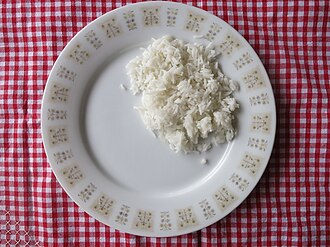
Photo: Wikipedia
White long-grain rice is a staple grain prized for its light, fluffy texture and mild, subtly sweet flavor that readily absorbs sauces and seasonings. It is an energy-dense carbohydrate source, providing nearly 80g of carbs per 100g, and is typically enriched with B vitamins and iron to restore nutrients lost during milling. Its neutral profile and reliable cooking results make it a foundational ingredient in countless cuisines worldwide.
Calorie split: 8% protein · 90% carbs · 2% fat
↓ Full nutrition💚 Why it's loved
People love it for its incredible versatility and comforting, neutral taste that acts as a blank canvas for bold flavors, from spicy curries to savory stir-fries. It is deeply woven into cultural traditions, serving as a daily staple for billions and symbolizing prosperity and sustenance in many societies.
⚠️ Watch-outs & how to enjoy it better
Its high glycemic index can lead to rapid blood sugar spikes, which is a concern for individuals managing diabetes or insulin resistance. To mitigate this, pair it with protein (like chicken or lentils), healthy fats (like avocado or nuts), and fiber-rich vegetables, or opt for a smaller portion mixed with brown rice. Additionally, the milling process removes the bran and germ, reducing its fiber and nutrient content compared to whole grains.
Key benefits
- Excellent source of quick, digestible energy from complex carbohydrates
- Enriched with B vitamins (thiamin, niacin, folic acid) and iron
- Naturally gluten-free, making it suitable for those with celiac disease
- Low in fat and contains no cholesterol
- Long shelf life and easy to store as a pantry staple
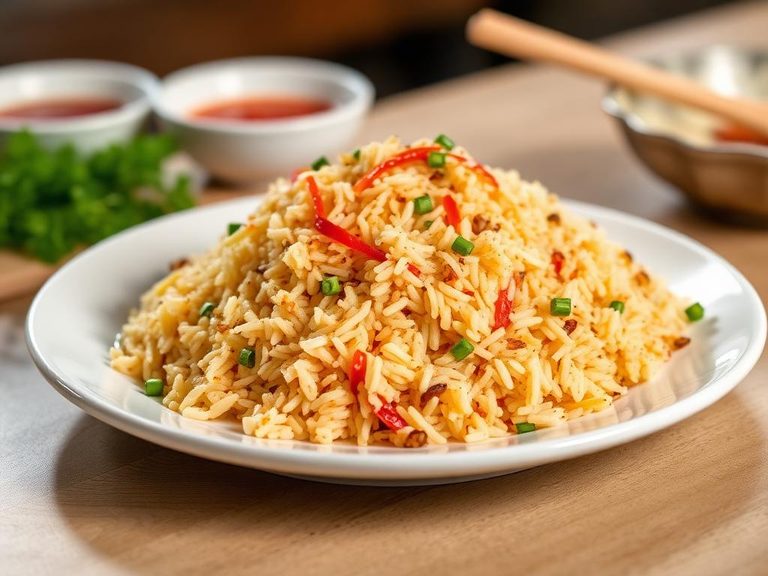
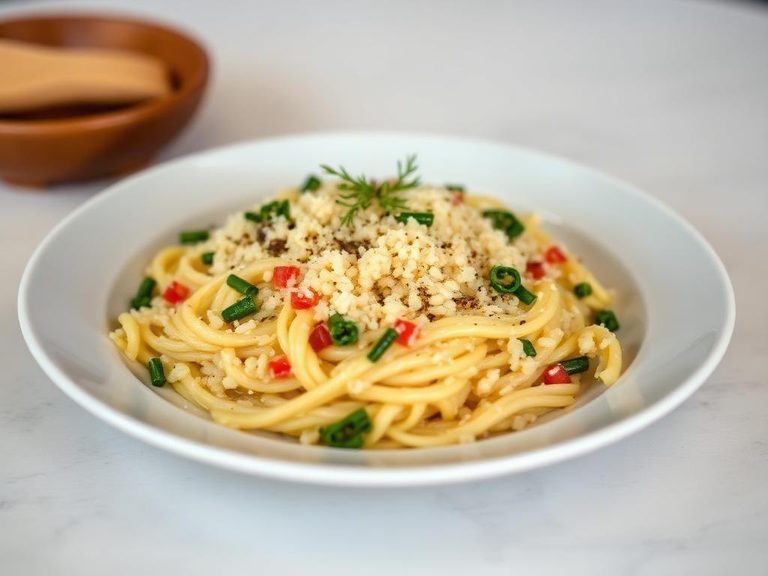
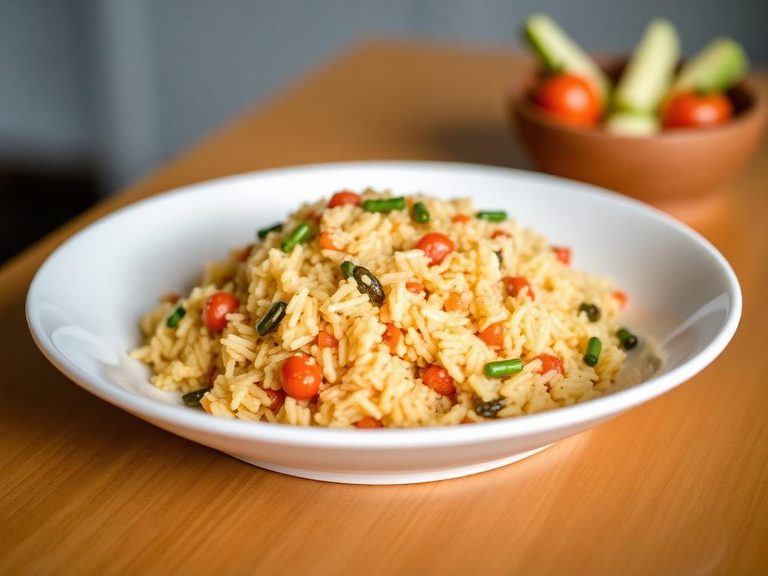
🍽️ Popular dishes
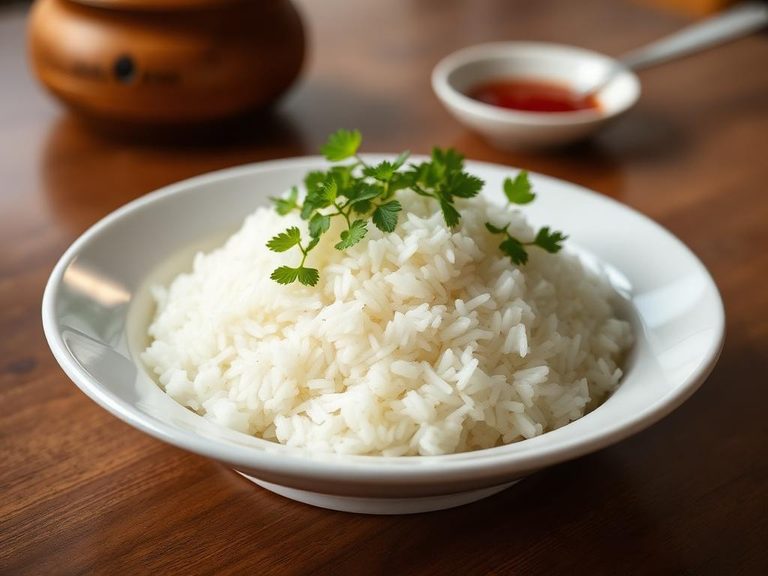
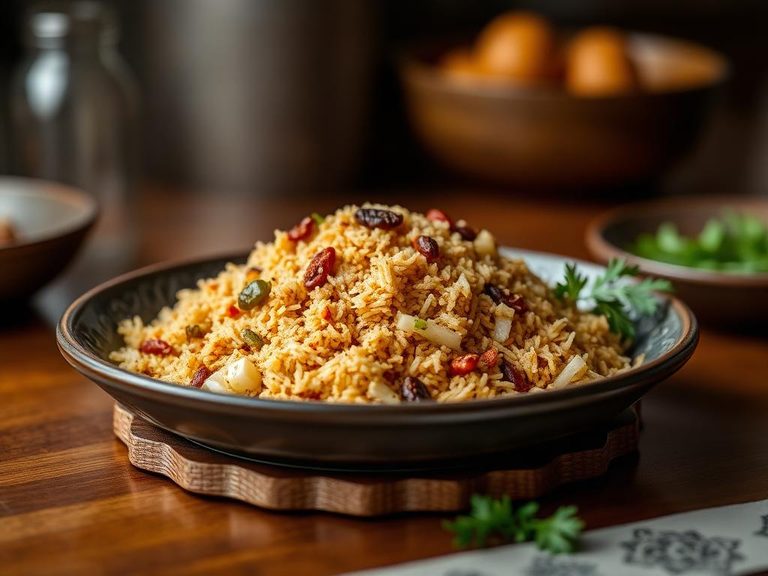
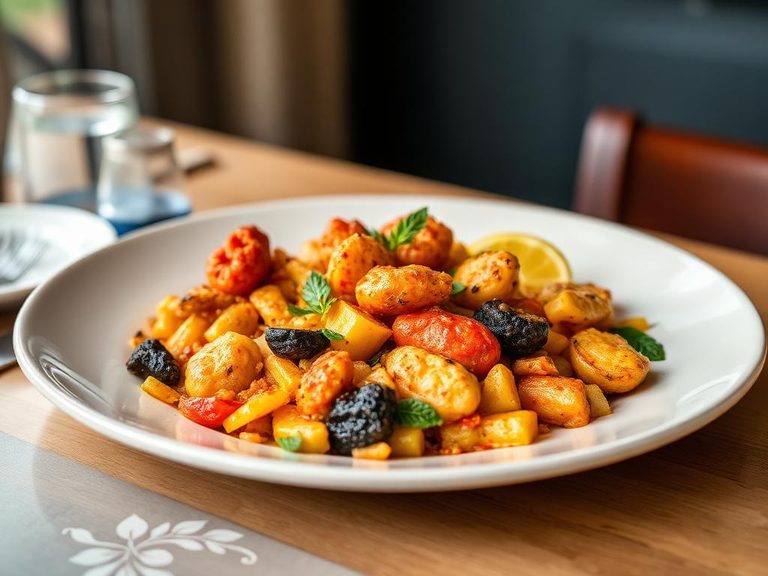
🌍 Where it's eaten
💡 Did you know?
The 'enriched' label on white rice is a public health measure: in the U.S., the FDA mandates that most milled white rice be fortified with iron and B vitamins (thiamin, niacin, and folic acid) to replace nutrients lost during processing and help prevent deficiencies like beriberi and neural tube defects.
Full nutrition (USDA data · scales with serving)
| Water | 11.6 g |
| Energy | 365 kcal |
| Energy | 1527 kj |
| Protein | 7.1 g |
| Total lipid (fat) | 0.66 g |
| Ash | 0.64 g |
| Carbohydrate, by difference | 80.0 g |
| Fiber, total dietary | 1.3 g |
| Total Sugars | 0.12 g |
| Sucrose | 0.08 g |
| Glucose | 0.02 g |
| Fructose | 0.02 g |
| Lactose | 0.00 g |
| Maltose | 0.00 g |
| Galactose | 0.00 g |
| Calcium, Ca | 28.0 mg |
| Iron, Fe | 4.3 mg |
| Magnesium, Mg | 25.0 mg |
| Phosphorus, P | 115 mg |
| Potassium, K | 115 mg |
| Sodium, Na | 5.0 mg |
| Zinc, Zn | 1.1 mg |
| Copper, Cu | 0.22 mg |
| Manganese, Mn | 1.1 mg |
| Selenium, Se | 15.1 ug |
| Vitamin C, total ascorbic acid | 0.00 mg |
| Thiamin | 0.58 mg |
| Riboflavin | 0.05 mg |
| Niacin | 4.2 mg |
| Pantothenic acid | 1.0 mg |
| Vitamin B-6 | 0.16 mg |
| Folate, total | 231 ug |
| Folic acid | 223 ug |
| Folate, food | 8.0 ug |
| Folate, DFE | 387 ug |
| Choline, total | 5.8 mg |
| Vitamin B-12 | 0.00 ug |
| Vitamin B-12, added | 0.00 ug |
| Vitamin A, RAE | 0.00 ug |
| Retinol | 0.00 ug |
| Carotene, beta | 0.00 ug |
| Carotene, alpha | 0.00 ug |
| Cryptoxanthin, beta | 0.00 ug |
| Vitamin A, IU | 0.00 iu |
| Lycopene | 0.00 ug |
| Lutein + zeaxanthin | 0.00 ug |
| Vitamin E (alpha-tocopherol) | 0.11 mg |
| Vitamin E, added | 0.00 mg |
| Vitamin D (D2 + D3), International Units | 0.00 iu |
| Vitamin D (D2 + D3) | 0.00 ug |
| Vitamin K (phylloquinone) | 0.10 ug |
| Alcohol, ethyl | 0.00 g |
| Caffeine | 0.00 mg |
| Theobromine | 0.00 mg |
Fat & fatty acid profile (per 100g)
| Fatty acids, total saturated | 0.18 g |
| SFA 4:0 | 0.00 g |
| SFA 6:0 | 0.00 g |
| SFA 8:0 | 0.00 g |
| SFA 10:0 | 0.00 g |
| SFA 12:0 | 0.00 g |
| SFA 14:0 | 0.00 g |
| SFA 16:0 | 0.16 g |
| SFA 18:0 | 0.01 g |
| Fatty acids, total monounsaturated | 0.21 g |
| MUFA 16:1 | 0.00 g |
| MUFA 18:1 | 0.20 g |
| MUFA 20:1 | 0.00 g |
| MUFA 22:1 | 0.00 g |
| Fatty acids, total polyunsaturated | 0.18 g |
| PUFA 18:2 | 0.15 g |
| PUFA 18:3 | 0.03 g |
| PUFA 18:4 | 0.00 g |
| PUFA 20:4 | 0.00 g |
| PUFA 20:5 n-3 (EPA) | 0.00 g |
| PUFA 22:5 n-3 (DPA) | 0.00 g |
| PUFA 22:6 n-3 (DHA) | 0.00 g |
| Cholesterol | 0.00 mg |
Amino acid profile (per 100g)
| Tryptophan | 0.08 g |
| Threonine | 0.26 g |
| Isoleucine | 0.31 g |
| Leucine | 0.59 g |
| Lysine | 0.26 g |
| Methionine | 0.17 g |
| Cystine | 0.15 g |
| Phenylalanine | 0.38 g |
| Tyrosine | 0.24 g |
| Valine | 0.43 g |
| Arginine | 0.59 g |
| Histidine | 0.17 g |
| Alanine | 0.41 g |
| Aspartic acid | 0.67 g |
| Glutamic acid | 1.4 g |
| Glycine | 0.33 g |
| Proline | 0.34 g |
| Serine | 0.38 g |
FAQ
What is the difference between enriched and regular white rice?
Enriched white rice has had specific B vitamins (thiamin, niacin, folic acid) and iron added back after milling, which restores some of the nutrients lost when the bran and germ are removed. Regular white rice does not have these nutrients added back.
Is white rice gluten-free?
Yes, pure white rice is naturally gluten-free. However, it can be cross-contaminated during processing or cooking, so individuals with celiac disease should look for certified gluten-free brands.
How does the glycemic index of white rice affect blood sugar?
White rice has a high glycemic index (around 70-80), meaning it can cause a rapid rise in blood sugar. To slow this, pair it with protein, fat, or fiber, or choose lower-GI varieties like basmati rice.
Nutrient density (calculated · NRF9.3)
Nutrient Rich Foods index: beneficial nutrients (protein, fiber, vitamins, minerals) minus saturated fat, added sugar & sodium, per 100 kcal.
NRF9.3 index — Fulgoni, Keast & Drewnowski, 2009. Computed from USDA nutrients.
Weight-loss friendliness (composite index)
Energy density 3.65 kcal/g · 8% calories from protein · 1.3 g fiber · 0.1 g sugar per 100 g.
Composite of energy density (Rolls et al., 1999), protein & fiber satiety, minus sugar. A calculated heuristic — ranks satiety-per-calorie, not a clinical measure.
Dietary load (calculated from USDA values)
Potential renal acid load. Positive = acid-forming, negative = alkaline-forming.
Sodium-to-potassium ratio: 0.04 (lower is better — aim for ≤ 1)
Sodium:potassium per WHO potassium guidance. Computed from USDA nutrients.