

Pumpkin, canned, without salt
Whole food · Vegetables and Vegetable Products
Canned pumpkin is a smooth, dense purée made from cooked and strained winter squash, offering a velvety texture and a sweet, earthy flavor without added salt. It's a nutritional powerhouse, delivering an impressive 2.9 grams of fiber per 100g for just 34 calories, making it exceptionally nutrient-dense.
Calorie split: 11% protein · 82% carbs · 6% fat
↓ Full nutrition💚 Why it's loved
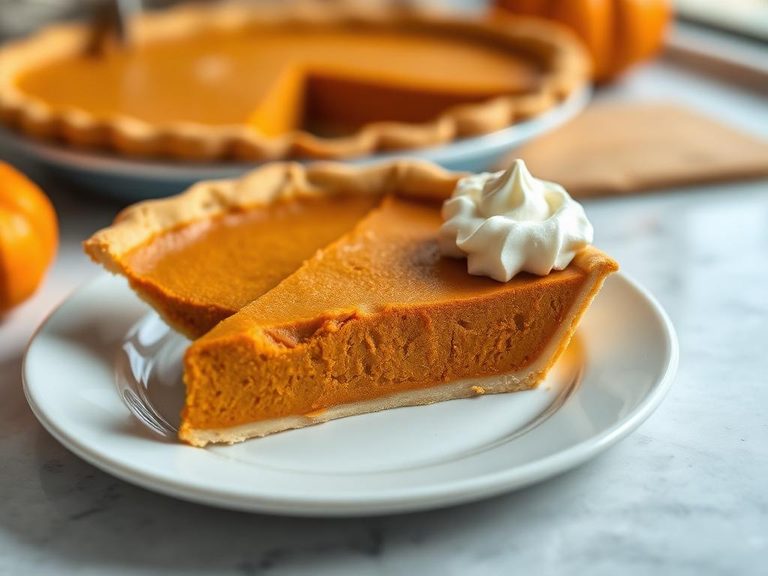
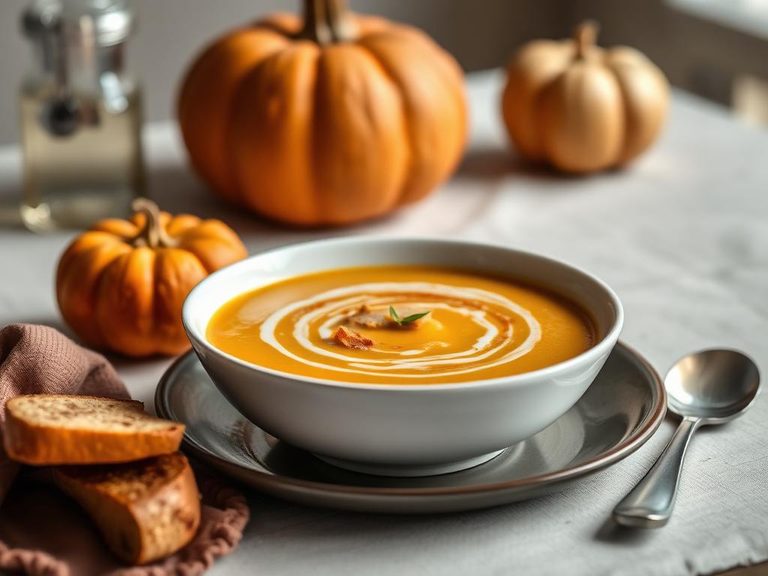
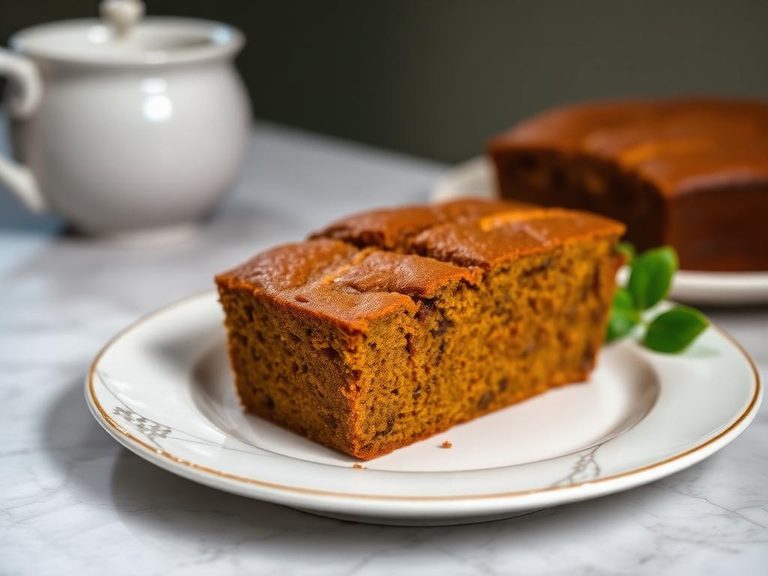
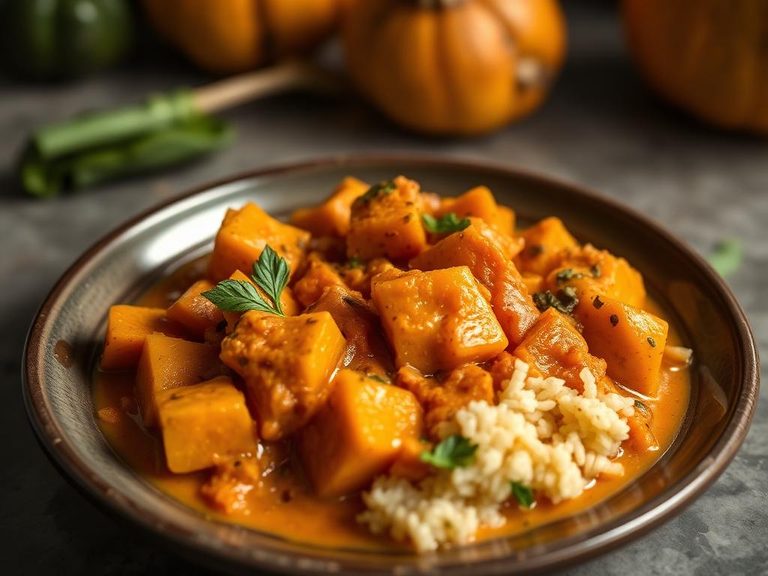
People adore it for its incredible versatility—it seamlessly transforms sweet pies, breads, and lattes into seasonal favorites, while also adding depth and creaminess to savory soups, curries, and pasta sauces. Its consistent texture and concentrated flavor make it a reliable kitchen staple.
⚠️ Watch-outs & how to enjoy it better
The high carbohydrate and natural sugar content can cause blood sugar spikes if consumed in large, unbalanced portions. To counteract this, pair it with protein (like Greek yogurt or nuts) or healthy fats (like coconut milk or olive oil) to slow digestion and stabilize blood sugar levels.
Key benefits
- Excellent source of dietary fiber for digestive health.
- Very low in calories and fat, supporting weight management.
- Rich in beta-carotene, which the body converts to vitamin A.
- Provides a good amount of potassium for heart and muscle function.
- A convenient, shelf-stable way to add vegetable servings year-round.
🍽️ Popular dishes

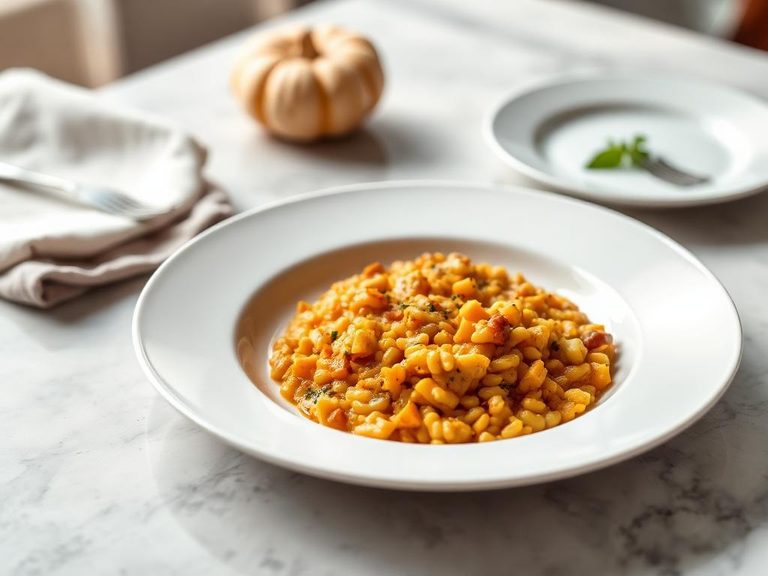
🌍 Where it's eaten
💡 Did you know?
The canned pumpkin commonly sold in the U.S. is often a mix of different winter squash varieties (like Dickinson, Golden Delicious, and Hubbard) chosen for optimal sweetness and texture, not the same round, carving-type pumpkin you'd find in a patch.
Full nutrition (USDA data · scales with serving)
| Water | 90.0 g |
| Energy | 34.0 kcal |
| Energy | 142 kj |
| Protein | 1.1 g |
| Total lipid (fat) | 0.28 g |
| Ash | 0.56 g |
| Carbohydrate, by difference | 8.1 g |
| Fiber, total dietary | 2.9 g |
| Total Sugars | 3.3 g |
| Calcium, Ca | 26.0 mg |
| Iron, Fe | 1.4 mg |
| Magnesium, Mg | 23.0 mg |
| Phosphorus, P | 35.0 mg |
| Potassium, K | 206 mg |
| Sodium, Na | 5.0 mg |
| Zinc, Zn | 0.17 mg |
| Copper, Cu | 0.11 mg |
| Manganese, Mn | 0.15 mg |
| Selenium, Se | 0.40 ug |
| Vitamin C, total ascorbic acid | 4.2 mg |
| Thiamin | 0.02 mg |
| Riboflavin | 0.05 mg |
| Niacin | 0.37 mg |
| Pantothenic acid | 0.40 mg |
| Vitamin B-6 | 0.06 mg |
| Folate, total | 12.0 ug |
| Folic acid | 0.00 ug |
| Folate, food | 12.0 ug |
| Folate, DFE | 12.0 ug |
| Choline, total | 9.8 mg |
| Vitamin B-12 | 0.00 ug |
| Vitamin B-12, added | 0.00 ug |
| Vitamin A, RAE | 778 ug |
| Retinol | 0.00 ug |
| Carotene, beta | 6940 ug |
| Carotene, alpha | 4795 ug |
| Cryptoxanthin, beta | 0.00 ug |
| Vitamin A, IU | 15563 iu |
| Lycopene | 0.00 ug |
| Lutein + zeaxanthin | 0.00 ug |
| Vitamin E (alpha-tocopherol) | 1.1 mg |
| Vitamin E, added | 0.00 mg |
| Vitamin D (D2 + D3), International Units | 0.00 iu |
| Vitamin D (D2 + D3) | 0.00 ug |
| Vitamin K (phylloquinone) | 16.0 ug |
| Alcohol, ethyl | 0.00 g |
| Caffeine | 0.00 mg |
| Theobromine | 0.00 mg |
Fat & fatty acid profile (per 100g)
| Fatty acids, total saturated | 0.15 g |
| SFA 4:0 | 0.00 g |
| SFA 6:0 | 0.00 g |
| SFA 8:0 | 0.00 g |
| SFA 10:0 | 0.00 g |
| SFA 12:0 | 0.00 g |
| SFA 14:0 | 0.02 g |
| SFA 16:0 | 0.10 g |
| SFA 18:0 | 0.01 g |
| Fatty acids, total monounsaturated | 0.04 g |
| MUFA 16:1 | 0.02 g |
| MUFA 18:1 | 0.02 g |
| MUFA 20:1 | 0.00 g |
| MUFA 22:1 | 0.00 g |
| Fatty acids, total polyunsaturated | 0.01 g |
| PUFA 18:2 | 0.01 g |
| PUFA 18:3 | 0.01 g |
| PUFA 18:4 | 0.00 g |
| PUFA 20:4 | 0.00 g |
| PUFA 20:5 n-3 (EPA) | 0.00 g |
| PUFA 22:5 n-3 (DPA) | 0.00 g |
| PUFA 22:6 n-3 (DHA) | 0.00 g |
| Fatty acids, total trans | 0.00 g |
| Cholesterol | 0.00 mg |
Amino acid profile (per 100g)
| Tryptophan | 0.01 g |
| Threonine | 0.03 g |
| Isoleucine | 0.03 g |
| Leucine | 0.05 g |
| Lysine | 0.06 g |
| Methionine | 0.01 g |
| Cystine | 0.00 g |
| Phenylalanine | 0.04 g |
| Tyrosine | 0.05 g |
| Valine | 0.04 g |
| Arginine | 0.06 g |
| Histidine | 0.02 g |
| Alanine | 0.03 g |
| Aspartic acid | 0.11 g |
| Glutamic acid | 0.20 g |
| Glycine | 0.03 g |
| Proline | 0.03 g |
| Serine | 0.05 g |
FAQ
Is canned pumpkin the same as pumpkin pie filling?
No. Canned pumpkin is just pumpkin purée with no added ingredients. Pumpkin pie filling is pre-sweetened and spiced, containing sugar, salt, and spices like cinnamon and nutmeg.
Can I use canned pumpkin for savory dishes?
Absolutely! Its mild, earthy flavor is perfect for savory recipes like creamy soups, pasta sauces, risottos, and curries. Just ensure you're using plain canned pumpkin, not pie filling.
How long does an opened can of pumpkin last?
Transfer any unused purée to an airtight container and refrigerate. It will keep for 5-7 days. You can also freeze it in portions for up to 3 months.
Nutrient density (calculated · NRF9.3)
Nutrient Rich Foods index: beneficial nutrients (protein, fiber, vitamins, minerals) minus saturated fat, added sugar & sodium, per 100 kcal.
NRF9.3 index — Fulgoni, Keast & Drewnowski, 2009. Computed from USDA nutrients.
Weight-loss friendliness (composite index)
Energy density 0.34 kcal/g · 13% calories from protein · 2.9 g fiber · 3.3 g sugar per 100 g.
Composite of energy density (Rolls et al., 1999), protein & fiber satiety, minus sugar. A calculated heuristic — ranks satiety-per-calorie, not a clinical measure.
Dietary load (calculated from USDA values)
Potential renal acid load. Positive = acid-forming, negative = alkaline-forming.
Sodium-to-potassium ratio: 0.02 (lower is better — aim for ≤ 1)
Sodium:potassium per WHO potassium guidance. Computed from USDA nutrients.