

Peppers, serrano, raw
Whole food · Vegetables and Vegetable Products

Photo: Wikipedia
The serrano pepper is a slender, vibrant green chili prized for its crisp, snappy texture and a bright, immediate heat that builds to a lingering warmth. It's significantly hotter than a jalapeño, offering a clean, grassy flavor with notes of citrus and a subtle fruitiness. Nutritionally, it's a low-calorie powerhouse, delivering a substantial dose of fiber and vitamin C with virtually no fat.
Calorie split: 18% protein · 71% carbs · 10% fat
↓ Full nutrition💚 Why it's loved
People adore the serrano for its reliable, straightforward heat and bright flavor that elevates without overwhelming. It's the go-to pepper for fresh salsas, relishes, and garnishes, offering a perfect balance of crunch and spice that cuts through rich foods.
⚠️ Watch-outs & how to enjoy it better
The intense capsaicin can cause significant oral and digestive discomfort, especially for those unaccustomed to spicy foods. To mitigate, remove the seeds and inner white membrane (where most heat resides), pair with dairy or starchy foods like rice or tortillas to soothe the burn, and start with a small portion.
Key benefits
- Excellent source of immune-boosting vitamin C.
- High in dietary fiber for digestive health.
- Capsaicin may support metabolism and pain relief.
- Contains antioxidants like capsaicinoids and flavonoids.
- Very low in calories, fat, and sodium.
🍽️ Popular dishes
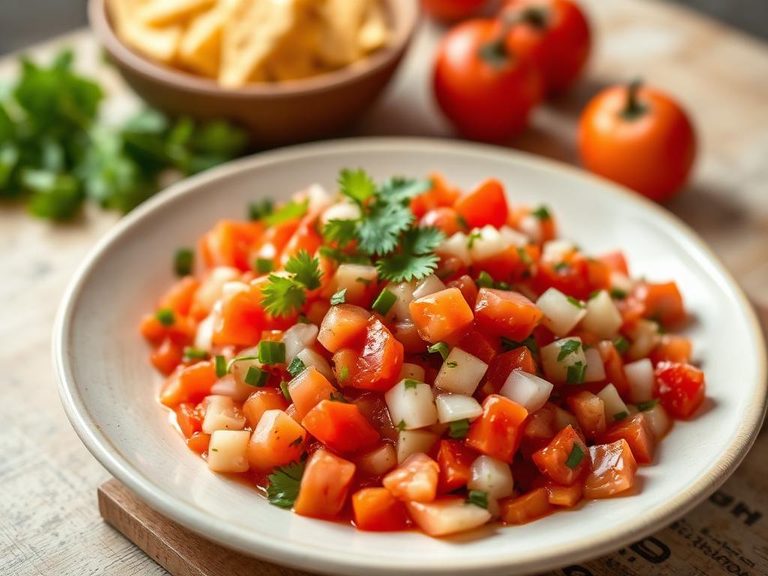
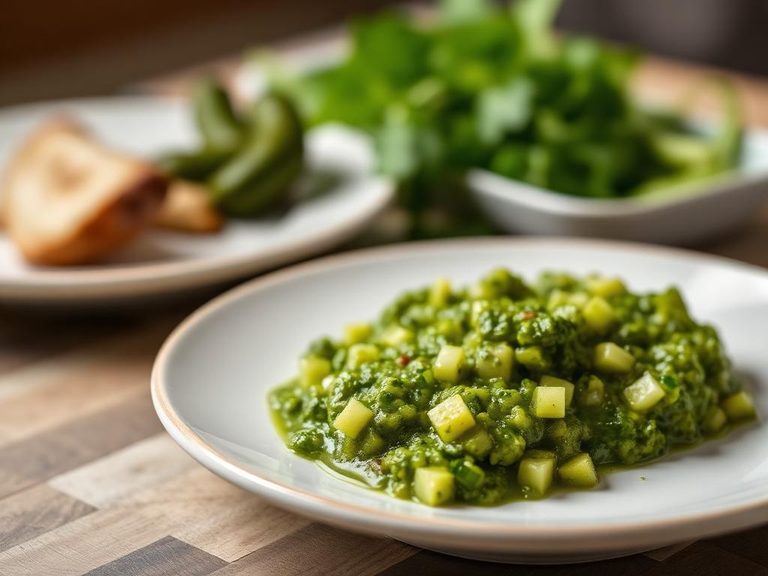
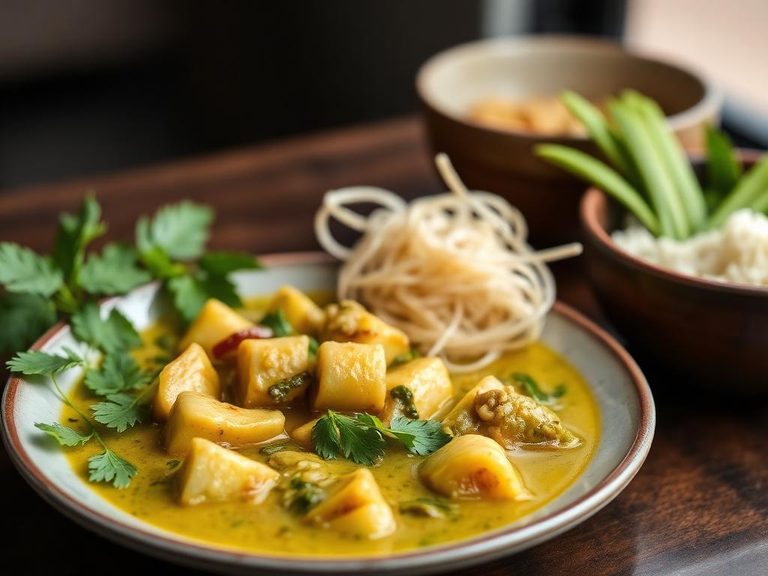
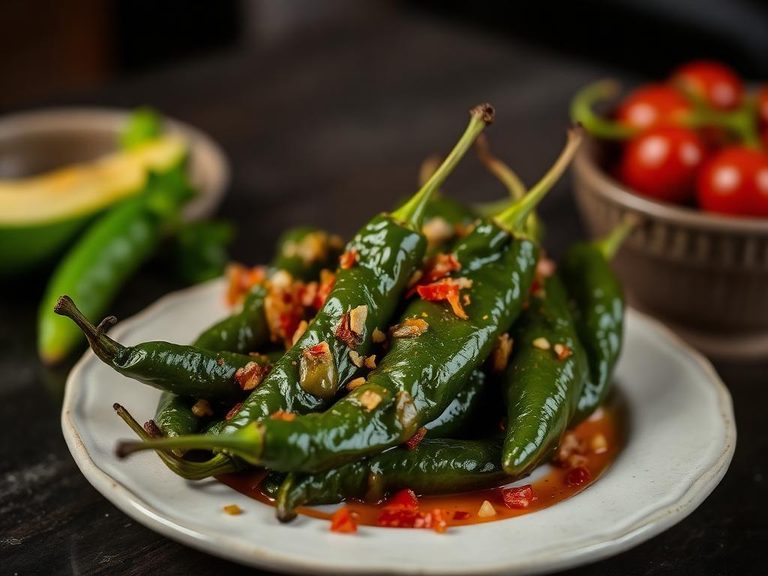
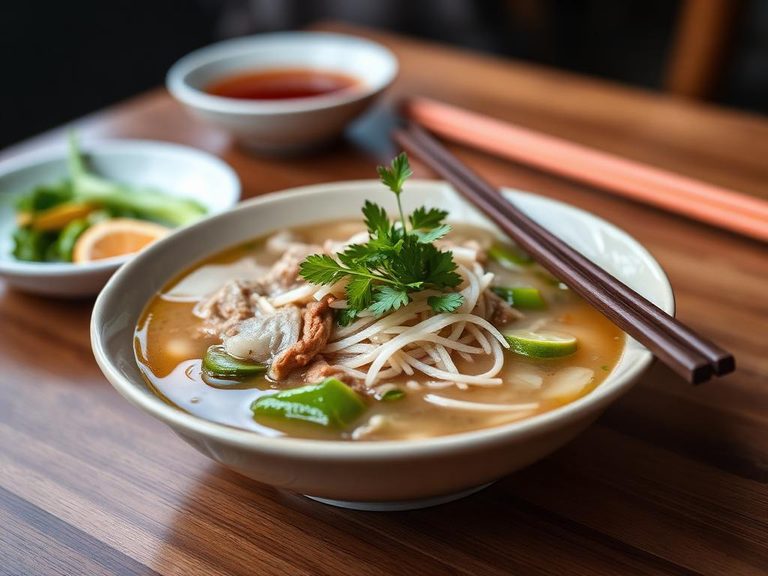
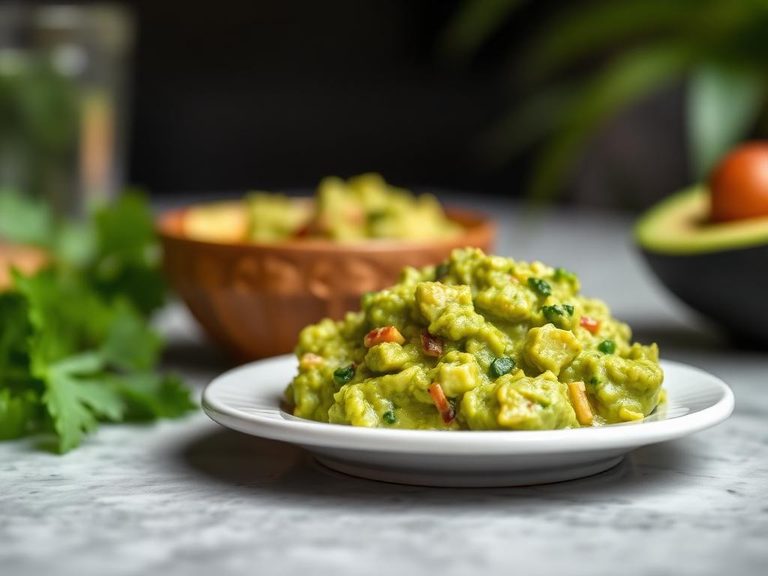
🌍 Where it's eaten
💡 Did you know?
The name 'serrano' comes from the Spanish word for 'mountain range' (sierra), referring to the mountainous regions of Puebla and Hidalgo in Mexico where they are traditionally grown.
Full nutrition (USDA data · scales with serving)
| Water | 90.3 g |
| Energy | 32.0 kcal |
| Energy | 134 kj |
| Protein | 1.7 g |
| Total lipid (fat) | 0.44 g |
| Ash | 0.87 g |
| Carbohydrate, by difference | 6.7 g |
| Fiber, total dietary | 3.7 g |
| Total Sugars | 3.8 g |
| Calcium, Ca | 11.0 mg |
| Iron, Fe | 0.86 mg |
| Magnesium, Mg | 22.0 mg |
| Phosphorus, P | 40.0 mg |
| Potassium, K | 305 mg |
| Sodium, Na | 10.0 mg |
| Zinc, Zn | 0.26 mg |
| Copper, Cu | 0.13 mg |
| Manganese, Mn | 0.19 mg |
| Selenium, Se | 0.40 ug |
| Vitamin C, total ascorbic acid | 44.9 mg |
| Thiamin | 0.05 mg |
| Riboflavin | 0.08 mg |
| Niacin | 1.5 mg |
| Pantothenic acid | 0.20 mg |
| Vitamin B-6 | 0.51 mg |
| Folate, total | 23.0 ug |
| Folic acid | 0.00 ug |
| Folate, food | 23.0 ug |
| Folate, DFE | 23.0 ug |
| Choline, total | 8.9 mg |
| Vitamin B-12 | 0.00 ug |
| Vitamin B-12, added | 0.00 ug |
| Vitamin A, RAE | 47.0 ug |
| Retinol | 0.00 ug |
| Carotene, beta | 534 ug |
| Carotene, alpha | 18.0 ug |
| Cryptoxanthin, beta | 40.0 ug |
| Vitamin A, IU | 937 iu |
| Lycopene | 0.00 ug |
| Lutein + zeaxanthin | 544 ug |
| Vitamin E (alpha-tocopherol) | 0.69 mg |
| Vitamin E, added | 0.00 mg |
| Vitamin D (D2 + D3), International Units | 0.00 iu |
| Vitamin D (D2 + D3) | 0.00 ug |
| Vitamin K (phylloquinone) | 11.8 ug |
| Alcohol, ethyl | 0.00 g |
| Caffeine | 0.00 mg |
| Theobromine | 0.00 mg |
Fat & fatty acid profile (per 100g)
| Fatty acids, total saturated | 0.06 g |
| SFA 4:0 | 0.00 g |
| SFA 6:0 | 0.00 g |
| SFA 8:0 | 0.00 g |
| SFA 10:0 | 0.00 g |
| SFA 12:0 | 0.00 g |
| SFA 14:0 | 0.00 g |
| SFA 16:0 | 0.04 g |
| SFA 18:0 | 0.01 g |
| Fatty acids, total monounsaturated | 0.02 g |
| MUFA 16:1 | 0.00 g |
| MUFA 18:1 | 0.02 g |
| MUFA 20:1 | 0.00 g |
| MUFA 22:1 | 0.00 g |
| Fatty acids, total polyunsaturated | 0.22 g |
| PUFA 18:2 | 0.22 g |
| PUFA 18:3 | 0.01 g |
| PUFA 18:4 | 0.00 g |
| PUFA 20:4 | 0.00 g |
| PUFA 20:5 n-3 (EPA) | 0.00 g |
| PUFA 22:5 n-3 (DPA) | 0.00 g |
| PUFA 22:6 n-3 (DHA) | 0.00 g |
| Fatty acids, total trans | 0.00 g |
| Cholesterol | 0.00 mg |
| Phytosterols | 6.0 mg |
| Stigmasterol | 0.00 mg |
| Campesterol | 2.0 mg |
| Beta-sitosterol | 3.0 mg |
Amino acid profile (per 100g)
Estimated from Peppers, sweet, red, frozen, chopped, unprepared — USDA does not publish this profile for Peppers.
| Tryptophan | 0.01 g |
| Threonine | 0.04 g |
| Isoleucine | 0.04 g |
| Leucine | 0.06 g |
| Lysine | 0.05 g |
| Methionine | 0.01 g |
| Cystine | 0.02 g |
| Phenylalanine | 0.03 g |
| Tyrosine | 0.02 g |
| Valine | 0.04 g |
| Arginine | 0.05 g |
| Histidine | 0.02 g |
| Alanine | 0.04 g |
| Aspartic acid | 0.15 g |
| Glutamic acid | 0.14 g |
| Glycine | 0.04 g |
| Proline | 0.05 g |
| Serine | 0.04 g |
FAQ
How does the heat of a serrano compare to a jalapeño?
Serranos are roughly 2-4 times hotter, ranging from 10,000 to 25,000 Scoville Heat Units (SHU), compared to a jalapeño's 2,500 to 8,000 SHU.
Should I wear gloves when handling serrano peppers?
It's highly recommended. The capsaicin oils can cause a painful burning sensation on skin and eyes. Gloves protect you, and washing hands thoroughly with oil and soap afterward is essential.
Can I reduce the spiciness of serrano peppers?
Yes. Removing the seeds and the white pith (placenta) inside the pepper will significantly reduce the heat, leaving more of the pepper's fresh, grassy flavor.
Nutrient density (calculated · NRF9.3)
Nutrient Rich Foods index: beneficial nutrients (protein, fiber, vitamins, minerals) minus saturated fat, added sugar & sodium, per 100 kcal.
NRF9.3 index — Fulgoni, Keast & Drewnowski, 2009. Computed from USDA nutrients.
Weight-loss friendliness (composite index)
Energy density 0.32 kcal/g · 22% calories from protein · 3.7 g fiber · 3.8 g sugar per 100 g.
Composite of energy density (Rolls et al., 1999), protein & fiber satiety, minus sugar. A calculated heuristic — ranks satiety-per-calorie, not a clinical measure.
Dietary load (calculated from USDA values)
Potential renal acid load. Positive = acid-forming, negative = alkaline-forming.
Sodium-to-potassium ratio: 0.03 (lower is better — aim for ≤ 1)
Sodium:potassium per WHO potassium guidance. Computed from USDA nutrients.