

Oil, industrial, palm kernel (hydrogenated), confection fat, intermediate grade product
Whole food · Fats and Oils
This is a highly refined, solid form of palm kernel oil used as a confectionery fat, often as a more stable and cost-effective alternative to cocoa butter. It has a smooth, waxy texture that melts cleanly on the tongue and a very mild, neutral flavor, making it an ideal carrier for other flavors. Nutritionally, it is 100% fat, providing a dense source of energy with no protein, carbohydrates, or fiber.
Calorie split: 0% protein · 0% carbs · 100% fat
↓ Full nutrition💚 Why it's loved
Food manufacturers and confectioners love it for its functional properties—it provides the perfect snap and melt-in-your-mouth texture for chocolates, coatings, and fillings without overpowering other flavors. Its stability and versatility make it a workhorse ingredient for creating consistent, high-quality treats.
⚠️ Watch-outs & how to enjoy it better
As a hydrogenated fat, it may contain small amounts of trans fats, which are linked to negative heart health outcomes when consumed in excess. It is also a highly processed, nutrient-poor ingredient that contributes empty calories. To counteract this, use it sparingly as part of a treat, not a staple, and balance your diet with whole, unprocessed foods rich in fiber, protein, and unsaturated fats.
Key benefits
- Provides a stable, solid fat structure for confections at room temperature
- Has a high melting point, preventing products from melting easily
- Offers a smooth, creamy mouthfeel and clean flavor release
- Acts as an effective coating and release agent in food manufacturing
- Cost-effective alternative to cocoa butter in many applications
🍽️ Popular dishes
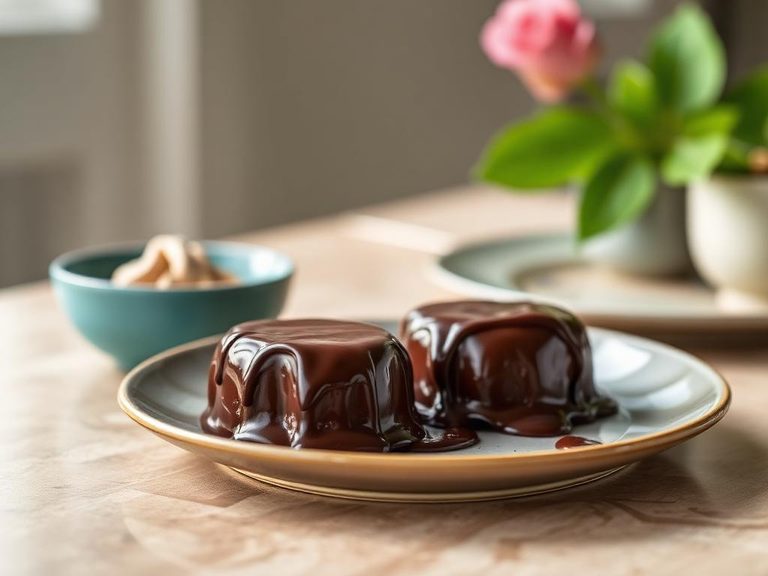
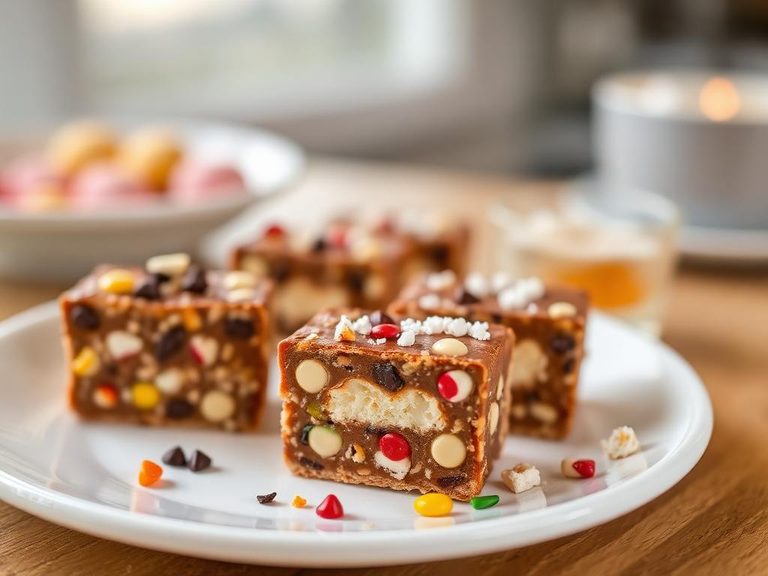
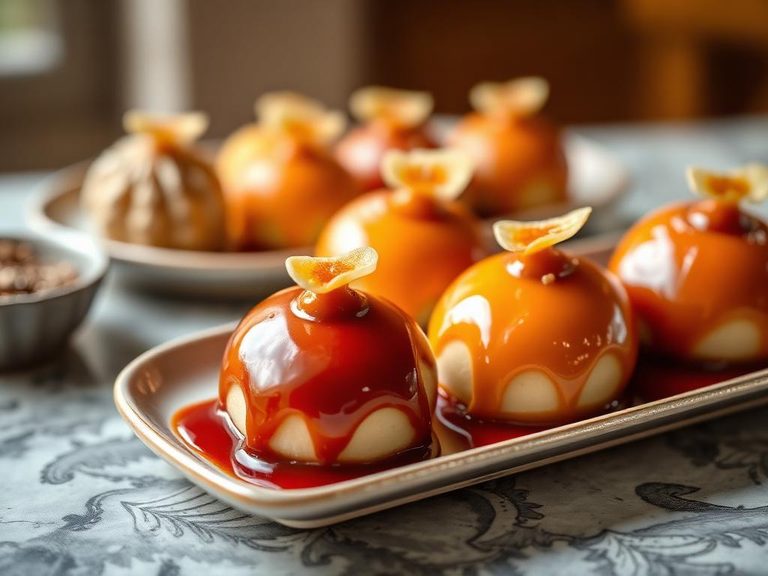


🌍 Where it's eaten
💡 Did you know?
This fat is derived from the kernel (seed) of the oil palm fruit, not the fleshy mesocarp that produces standard palm oil, making it a distinct product from a different part of the same fruit.
Full nutrition (USDA data · scales with serving)
| Water | 0.04 g |
| Energy | 884 kcal |
| Energy | 3699 kj |
| Protein | 0.00 g |
| Total lipid (fat) | 100 g |
| Ash | 0.01 g |
| Carbohydrate, by difference | 0.00 g |
| Fiber, total dietary | 0.00 g |
| Total Sugars | 0.00 g |
| Calcium, Ca | 1.0 mg |
| Iron, Fe | 0.15 mg |
| Magnesium, Mg | 0.00 mg |
| Phosphorus, P | 0.00 mg |
| Potassium, K | 1.0 mg |
| Sodium, Na | 6.0 mg |
| Zinc, Zn | 0.04 mg |
| Copper, Cu | 0.00 mg |
| Manganese, Mn | 0.00 mg |
| Selenium, Se | 0.00 ug |
| Vitamin C, total ascorbic acid | 0.00 mg |
| Thiamin | 0.00 mg |
| Riboflavin | 0.00 mg |
| Niacin | 0.00 mg |
| Pantothenic acid | 0.00 mg |
| Vitamin B-6 | 0.00 mg |
| Folate, total | 0.00 ug |
| Folic acid | 0.00 ug |
| Folate, food | 0.00 ug |
| Folate, DFE | 0.00 ug |
| Choline, total | 0.20 mg |
| Vitamin B-12 | 0.00 ug |
| Vitamin B-12, added | 0.00 ug |
| Vitamin A, RAE | 0.00 ug |
| Retinol | 0.00 ug |
| Carotene, beta | 0.00 ug |
| Carotene, alpha | 0.00 ug |
| Cryptoxanthin, beta | 0.00 ug |
| Vitamin A, IU | 0.00 iu |
| Lycopene | 0.00 ug |
| Lutein + zeaxanthin | 0.00 ug |
| Vitamin E (alpha-tocopherol) | 3.8 mg |
| Vitamin E, added | 0.00 mg |
| Vitamin K (phylloquinone) | 24.7 ug |
| Alcohol, ethyl | 0.00 g |
| Caffeine | 0.00 mg |
| Theobromine | 0.00 mg |
Fat & fatty acid profile (per 100g)
| Fatty acids, total saturated | 92.6 g |
| SFA 4:0 | 0.08 g |
| SFA 6:0 | 0.26 g |
| SFA 8:0 | 3.3 g |
| SFA 10:0 | 3.2 g |
| SFA 12:0 | 48.4 g |
| SFA 14:0 | 16.2 g |
| SFA 16:0 | 7.7 g |
| SFA 18:0 | 13.5 g |
| SFA 20:0 | 0.04 g |
| Fatty acids, total monounsaturated | 1.3 g |
| MUFA 16:1 | 0.00 g |
| MUFA 18:1 | 1.3 g |
| MUFA 18:1 c | 1.3 g |
| MUFA 20:1 | 0.00 g |
| MUFA 22:1 | 0.00 g |
| Fatty acids, total polyunsaturated | 0.04 g |
| PUFA 18:2 | 0.04 g |
| PUFA 18:2 n-6 c,c | 0.04 g |
| PUFA 18:3 | 0.00 g |
| PUFA 18:3i | 0.00 g |
| PUFA 18:4 | 0.00 g |
| PUFA 20:4 | 0.00 g |
| PUFA 20:5 n-3 (EPA) | 0.00 g |
| PUFA 22:5 n-3 (DPA) | 0.00 g |
| PUFA 22:6 n-3 (DHA) | 0.00 g |
| Fatty acids, total trans | 0.00 g |
| Fatty acids, total trans-monoenoic | 0.00 g |
| TFA 18:1 t | 0.00 g |
| Fatty acids, total trans-polyenoic | 0.00 g |
| Cholesterol | 0.00 mg |
| Phytosterols | 95.0 mg |
Amino acid profile (per 100g)
| Tryptophan | 0.00 g |
| Threonine | 0.00 g |
| Isoleucine | 0.00 g |
| Leucine | 0.00 g |
| Lysine | 0.00 g |
| Methionine | 0.00 g |
| Cystine | 0.00 g |
| Phenylalanine | 0.00 g |
| Tyrosine | 0.00 g |
| Valine | 0.00 g |
| Arginine | 0.00 g |
| Histidine | 0.00 g |
| Alanine | 0.00 g |
| Aspartic acid | 0.00 g |
| Glutamic acid | 0.00 g |
| Glycine | 0.00 g |
| Proline | 0.00 g |
| Serine | 0.00 g |
FAQ
How is this different from regular palm oil?
Regular palm oil comes from the fleshy part of the fruit, while palm kernel oil comes from the seed. Palm kernel oil has a different fatty acid profile, is more saturated, and is typically hydrogenated for use in confections, unlike crude palm oil used in cooking.
Is this the same as cocoa butter?
No, it is a substitute or extender for cocoa butter. It mimics some of its properties but is cheaper. Chocolates using it are often labeled as 'compound chocolate' rather than 'couverture' which uses cocoa butter.
Can I use this for home baking?
While possible for making coatings or candy, it is primarily an industrial ingredient. For home use, it's easier and often tastier to use cocoa butter, coconut oil, or other common baking fats.
Nutrient density (calculated · NRF9.3)
Nutrient Rich Foods index: beneficial nutrients (protein, fiber, vitamins, minerals) minus saturated fat, added sugar & sodium, per 100 kcal.
NRF9.3 index — Fulgoni, Keast & Drewnowski, 2009. Computed from USDA nutrients.
Weight-loss friendliness (composite index)
Energy density 8.84 kcal/g · 0% calories from protein · 0.0 g fiber · 0.0 g sugar per 100 g.
Composite of energy density (Rolls et al., 1999), protein & fiber satiety, minus sugar. A calculated heuristic — ranks satiety-per-calorie, not a clinical measure.
Dietary load (calculated from USDA values)
Potential renal acid load. Positive = acid-forming, negative = alkaline-forming.
Sodium-to-potassium ratio: 6.00 (lower is better — aim for ≤ 1)
Sodium:potassium per WHO potassium guidance. Computed from USDA nutrients.