

Light ice cream, Creamsicle
Whole food · Dairy and Egg Products

Photo: Wikipedia
Light ice cream, Creamsicle is a frozen dessert that captures the nostalgic, bright orange and vanilla flavor of the classic Creamsicle bar in a lighter, lower-calorie format. It typically offers a smooth, creamy texture with a vibrant citrus punch, often achieved with natural flavors and colors. Nutritionally, it's a lower-fat, lower-calorie treat compared to premium ice cream, but its significant sugar content remains a key characteristic.
Calorie split: 4% protein · 79% carbs · 17% fat
↓ Full nutrition💚 Why it's loved
People love it for the perfect balance of tangy orange and sweet vanilla, evoking nostalgic summer memories. Its lighter profile makes it a go-to for a satisfying treat without the heaviness of full-fat ice cream.
⚠️ Watch-outs & how to enjoy it better
The relatively high sugar content (over 18g per 100g) can contribute to blood sugar spikes, making it less ideal for those managing diabetes or watching sugar intake. To enjoy it mindfully, consider pairing it with a source of protein or healthy fat (like a handful of nuts) to slow sugar absorption, and practice portion control by enjoying a single serving.
Key benefits
- Lower in calories than traditional premium ice cream
- Provides a source of calcium from milk
- Offers a lighter, lower-fat frozen dessert option
- Delivers a classic, nostalgic flavor profile
🍽️ Popular dishes
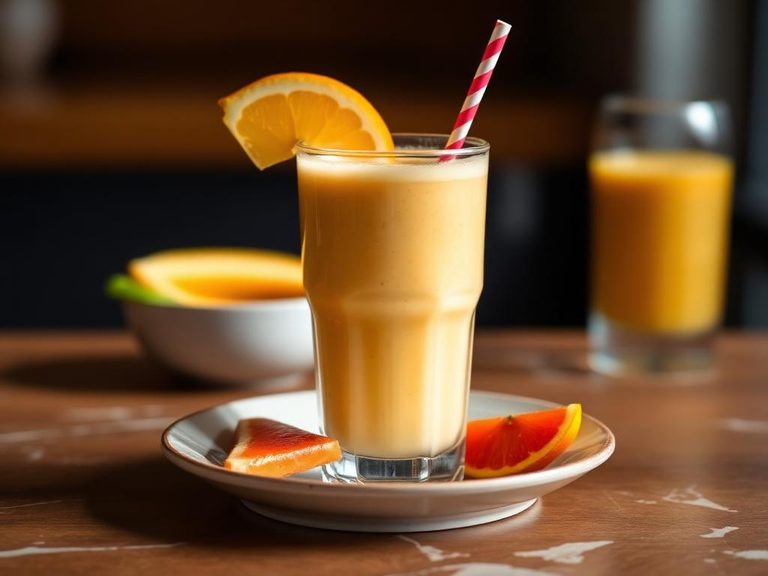

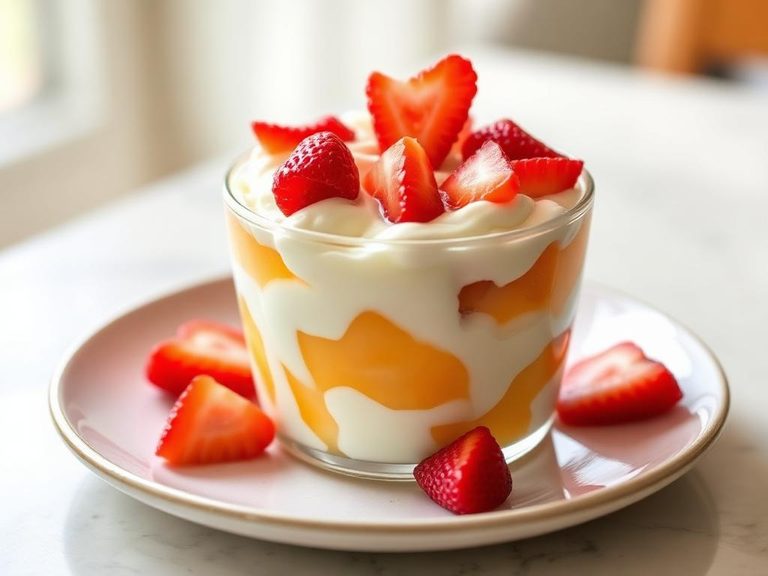
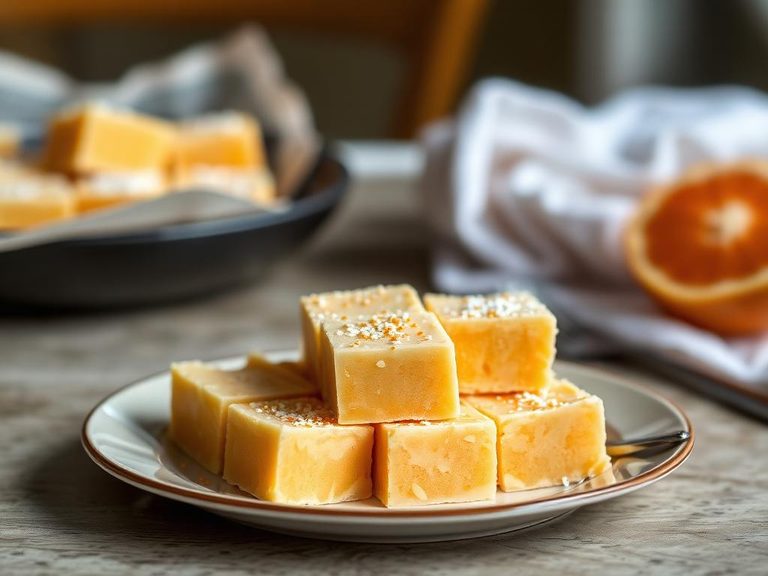
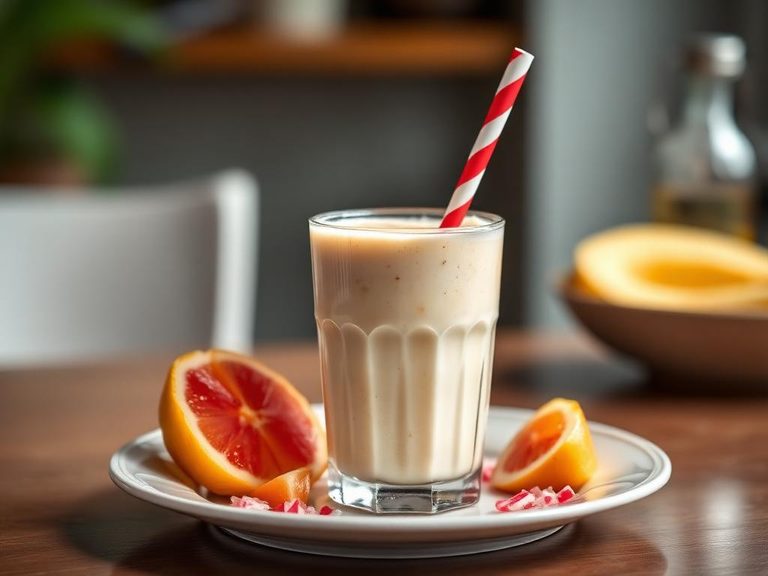
🌍 Where it's eaten
💡 Did you know?
The iconic Creamsicle flavor was first created in 1923 by Frank Epperson, who originally called his frozen treat on a stick the 'Epsicle' before renaming it Popsicle years later.
Full nutrition (USDA data · scales with serving)
| Water | 61.8 g |
| Energy | 165 kcal |
| Energy | 690 kj |
| Protein | 1.5 g |
| Total lipid (fat) | 3.1 g |
| Ash | 0.87 g |
| Carbohydrate, by difference | 32.8 g |
| Fiber, total dietary | 0.00 g |
| Total Sugars | 18.5 g |
| Calcium, Ca | 62.0 mg |
| Iron, Fe | 0.00 mg |
| Magnesium, Mg | 12.0 mg |
| Phosphorus, P | 84.0 mg |
| Potassium, K | 174 mg |
| Sodium, Na | 46.0 mg |
| Zinc, Zn | 0.66 mg |
| Copper, Cu | 0.02 mg |
| Manganese, Mn | 0.01 mg |
| Selenium, Se | 1.8 ug |
| Fluoride, F | 3.6 ug |
| Vitamin C, total ascorbic acid | 13.8 mg |
| Thiamin | 0.04 mg |
| Riboflavin | 0.21 mg |
| Niacin | 0.11 mg |
| Pantothenic acid | 0.40 mg |
| Vitamin B-6 | 0.04 mg |
| Folate, total | 6.0 ug |
| Folic acid | 0.00 ug |
| Folate, food | 6.0 ug |
| Folate, DFE | 6.0 ug |
| Choline, total | 20.4 mg |
| Vitamin B-12 | 0.36 ug |
| Vitamin B-12, added | 0.00 ug |
| Vitamin A, RAE | 93.0 ug |
| Retinol | 92.0 ug |
| Carotene, beta | 10.0 ug |
| Carotene, alpha | 0.00 ug |
| Cryptoxanthin, beta | 2.0 ug |
| Vitamin A, IU | 324 iu |
| Lycopene | 0.00 ug |
| Lutein + zeaxanthin | 2.0 ug |
| Vitamin E (alpha-tocopherol) | 0.09 mg |
| Vitamin E, added | 0.00 mg |
| Vitamin D (D2 + D3), International Units | 2.0 iu |
| Vitamin D (D2 + D3) | 0.10 ug |
| Vitamin D3 (cholecalciferol) | 0.10 ug |
| Vitamin K (phylloquinone) | 0.30 ug |
| Alcohol, ethyl | 0.00 g |
| Caffeine | 0.00 mg |
| Theobromine | 0.00 mg |
Fat & fatty acid profile (per 100g)
| Fatty acids, total saturated | 1.8 g |
| SFA 4:0 | 0.10 g |
| SFA 6:0 | 0.06 g |
| SFA 8:0 | 0.04 g |
| SFA 10:0 | 0.07 g |
| SFA 12:0 | 0.07 g |
| SFA 13:0 | 0.00 g |
| SFA 14:0 | 0.30 g |
| SFA 15:0 | 0.00 g |
| SFA 16:0 | 0.82 g |
| SFA 17:0 | 0.00 g |
| SFA 18:0 | 0.35 g |
| SFA 20:0 | 0.00 g |
| SFA 22:0 | 0.00 g |
| SFA 24:0 | 0.00 g |
| Fatty acids, total monounsaturated | 0.82 g |
| MUFA 14:1 | 0.00 g |
| MUFA 16:1 | 0.05 g |
| MUFA 18:1 | 0.77 g |
| MUFA 20:1 | 0.00 g |
| MUFA 22:1 | 0.00 g |
| Fatty acids, total polyunsaturated | 0.14 g |
| PUFA 18:2 | 0.09 g |
| PUFA 18:3 | 0.05 g |
| PUFA 18:4 | 0.00 g |
| PUFA 20:4 | 0.00 g |
| PUFA 20:5 n-3 (EPA) | 0.00 g |
| PUFA 22:5 n-3 (DPA) | 0.00 g |
| PUFA 22:6 n-3 (DHA) | 0.00 g |
| Cholesterol | 8.0 mg |
Amino acid profile (per 100g)
Estimated from Ice cream sundae cone — USDA does not publish this profile for Light ice cream.
| Tryptophan | 0.01 g |
| Threonine | 0.02 g |
| Isoleucine | 0.03 g |
| Leucine | 0.06 g |
| Lysine | 0.02 g |
| Methionine | 0.01 g |
| Cystine | 0.02 g |
| Phenylalanine | 0.04 g |
| Tyrosine | 0.02 g |
| Valine | 0.04 g |
| Arginine | 0.03 g |
| Histidine | 0.02 g |
| Alanine | 0.03 g |
| Aspartic acid | 0.03 g |
| Glutamic acid | 0.29 g |
| Glycine | 0.03 g |
| Proline | 0.10 g |
| Serine | 0.04 g |
FAQ
How does light ice cream differ from regular ice cream?
Light ice cream is defined by the FDA as having at least 25% less fat and/or 50% fewer calories than regular ice cream. This Creamsicle version achieves its lighter profile with significantly less fat (3.08g vs. often 10g+ per 100g in premium varieties).
Is the orange color from real oranges?
While it may contain some orange juice or natural flavors, the vibrant color in most light ice cream products is typically enhanced with food coloring like annatto or beta-carotene for consistency and visual appeal.
Can I eat this if I'm lactose intolerant?
This product contains milk, so it is not suitable for those with a dairy allergy. For lactose intolerance, you would need to look for a specific dairy-free or lactose-free alternative.
Nutrient density (calculated · NRF9.3)
Nutrient Rich Foods index: beneficial nutrients (protein, fiber, vitamins, minerals) minus saturated fat, added sugar & sodium, per 100 kcal.
NRF9.3 index — Fulgoni, Keast & Drewnowski, 2009. Computed from USDA nutrients.
Weight-loss friendliness (composite index)
Energy density 1.65 kcal/g · 4% calories from protein · 0.0 g fiber · 18.5 g sugar per 100 g.
Composite of energy density (Rolls et al., 1999), protein & fiber satiety, minus sugar. A calculated heuristic — ranks satiety-per-calorie, not a clinical measure.
Dietary load (calculated from USDA values)
Potential renal acid load. Positive = acid-forming, negative = alkaline-forming.
Sodium-to-potassium ratio: 0.26 (lower is better — aim for ≤ 1)
Sodium:potassium per WHO potassium guidance. Computed from USDA nutrients.