

Lamb, shoulder, whole (arm and blade), separable lean and fat, trimmed to 1/4" fat, choice, cooked, roasted
Whole food · Lamb, Veal, and Game Products
This is a rich, succulent cut of lamb, roasted to a deep, savory perfection with a tender, slightly chewy texture and a robust, meaty flavor. The interplay of lean meat and rendered fat creates a melt-in-your-mouth experience, while its high protein content (22.51g per 100g) makes it a powerhouse for muscle repair and satiety. With zero carbohydrates, it's a pure source of energy and flavor for those seeking a low-carb, high-fat dietary option.
Calorie split: 33% protein · 0% carbs · 67% fat
↓ Full nutrition💚 Why it's loved
People adore this cut for its deep, complex flavor and the way it becomes incredibly tender when slow-roasted, making it a centerpiece for celebratory meals and family gatherings. Its versatility allows it to be seasoned with a wide array of herbs and spices, from rosemary and garlic to cumin and coriander, adapting beautifully to diverse culinary traditions.
⚠️ Watch-outs & how to enjoy it better
The high fat content (19.97g per 100g) can be a concern for those monitoring saturated fat intake or following a low-fat diet, and its richness may be overwhelming for some palates. To counteract this, pair it with fiber-rich vegetables like roasted root vegetables or a fresh salad to aid digestion and balance the meal, and practice portion control by sticking to a 118g serving. Additionally, ensure it's cooked to a safe internal temperature to avoid any risk of foodborne illness.
Key benefits
- Excellent source of complete protein for muscle maintenance and growth.
- Rich in B vitamins, particularly B12, which supports nerve function and red blood cell formation.
- Provides essential minerals like zinc and iron, crucial for immune health and oxygen transport.
- High in monounsaturated fats, which can support heart health when consumed in moderation.
- Naturally low in carbohydrates, making it suitable for ketogenic and low-carb diets.
🍽️ Popular dishes
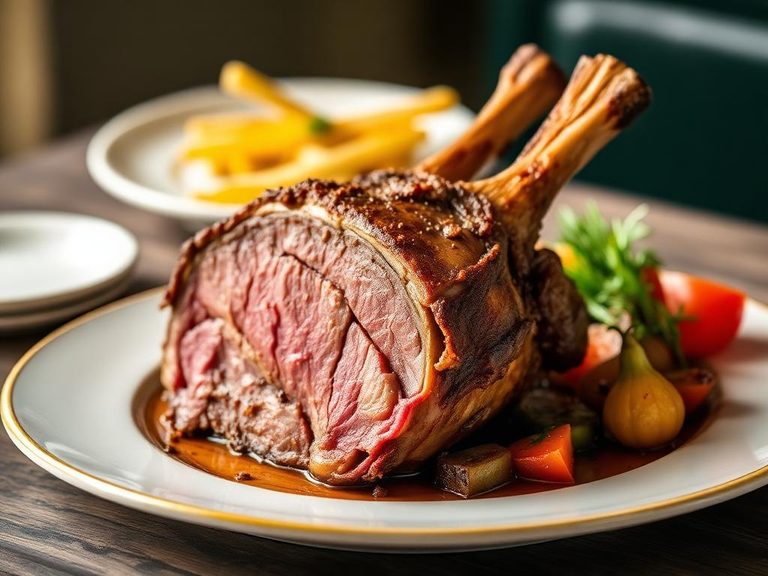
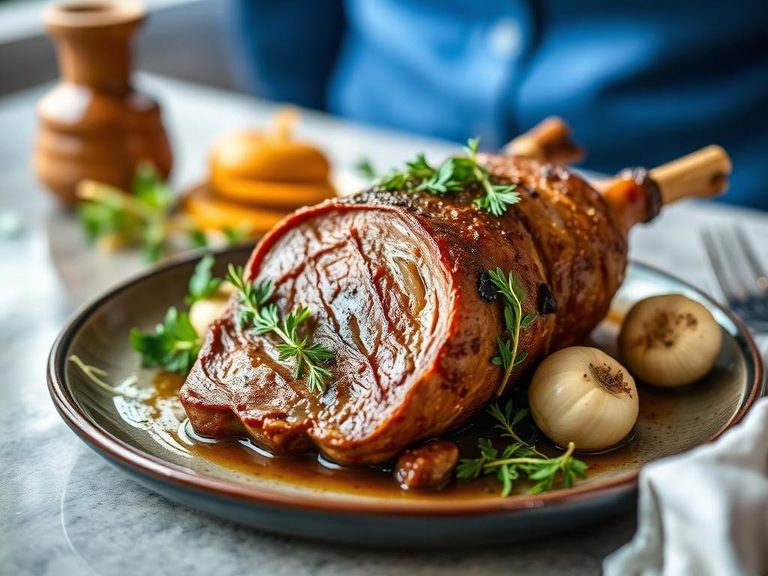
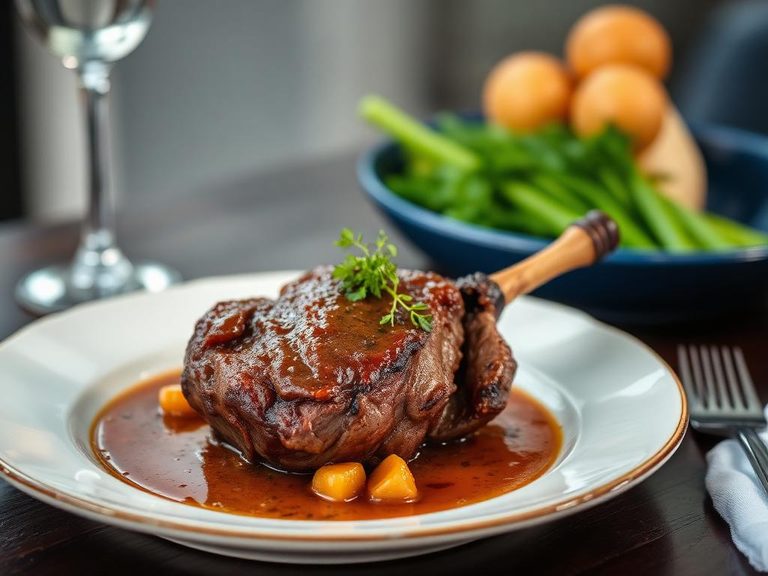
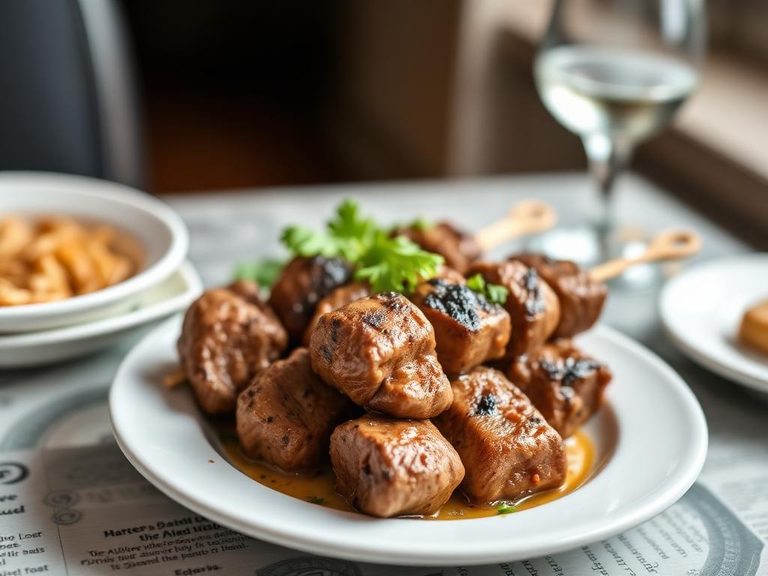
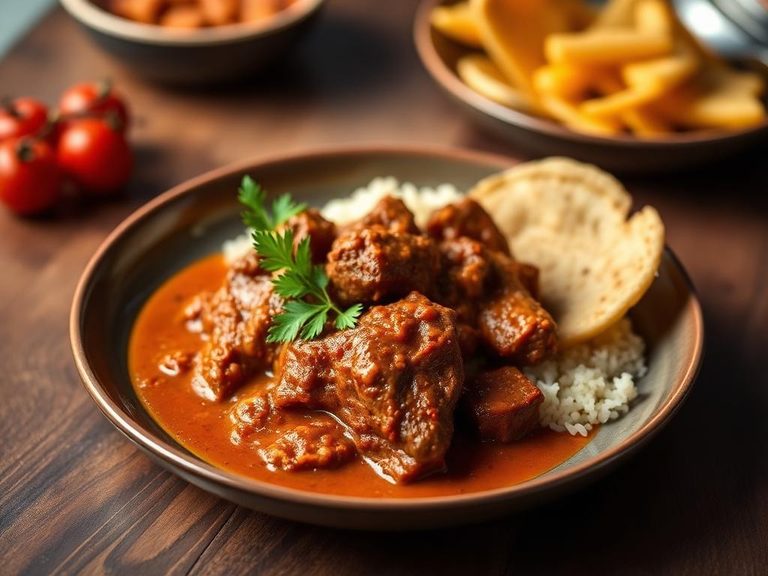
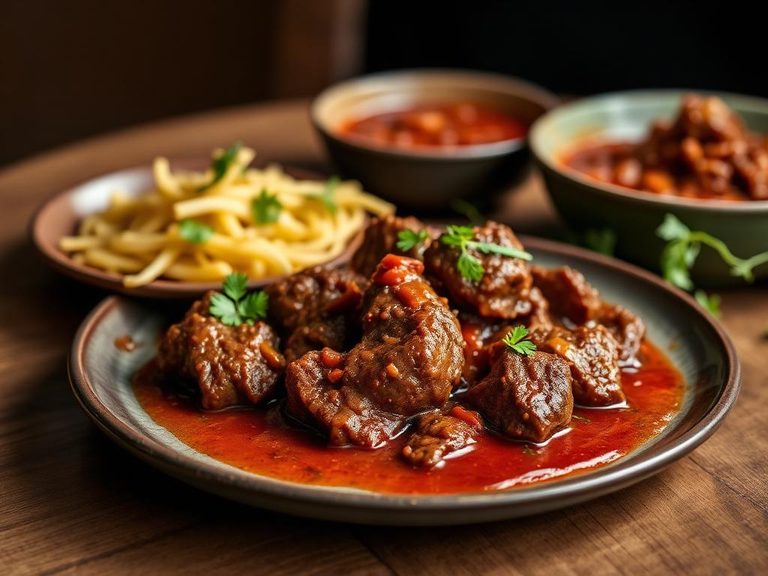
🌍 Where it's eaten
💡 Did you know?
Lamb shoulder is often considered the most flavorful cut due to its higher fat content and the way the connective tissue breaks down during slow cooking, creating a natural gelatin that enriches the meat's texture and taste.
Full nutrition (USDA data · scales with serving)
| Water | 56.3 g |
| Energy | 276 kcal |
| Energy | 1155 kj |
| Protein | 22.5 g |
| Total lipid (fat) | 20.0 g |
| Ash | 1.2 g |
| Carbohydrate, by difference | 0.00 g |
| Fiber, total dietary | 0.00 g |
| Total Sugars | 0.00 g |
| Calcium, Ca | 20.0 mg |
| Iron, Fe | 2.0 mg |
| Magnesium, Mg | 23.0 mg |
| Phosphorus, P | 184 mg |
| Potassium, K | 251 mg |
| Sodium, Na | 66.0 mg |
| Zinc, Zn | 5.2 mg |
| Copper, Cu | 0.11 mg |
| Manganese, Mn | 0.02 mg |
| Selenium, Se | 26.2 ug |
| Vitamin C, total ascorbic acid | 0.00 mg |
| Thiamin | 0.09 mg |
| Riboflavin | 0.24 mg |
| Niacin | 6.2 mg |
| Pantothenic acid | 0.70 mg |
| Vitamin B-6 | 0.13 mg |
| Folate, total | 21.0 ug |
| Folic acid | 0.00 ug |
| Folate, food | 21.0 ug |
| Folate, DFE | 21.0 ug |
| Choline, total | 87.9 mg |
| Betaine | 11.6 mg |
| Vitamin B-12 | 2.6 ug |
| Vitamin B-12, added | 0.00 ug |
| Vitamin A, RAE | 0.00 ug |
| Retinol | 0.00 ug |
| Carotene, beta | 0.00 ug |
| Carotene, alpha | 0.00 ug |
| Cryptoxanthin, beta | 0.00 ug |
| Vitamin A, IU | 0.00 iu |
| Lycopene | 0.00 ug |
| Lutein + zeaxanthin | 0.00 ug |
| Vitamin E (alpha-tocopherol) | 0.14 mg |
| Vitamin E, added | 0.00 mg |
| Vitamin D (D2 + D3), International Units | 2.0 iu |
| Vitamin D (D2 + D3) | 0.10 ug |
| Vitamin D3 (cholecalciferol) | 0.10 ug |
| Vitamin K (phylloquinone) | 4.6 ug |
| Vitamin K (Dihydrophylloquinone) | 0.00 ug |
| Alcohol, ethyl | 0.00 g |
| Caffeine | 0.00 mg |
| Theobromine | 0.00 mg |
Fat & fatty acid profile (per 100g)
| Fatty acids, total saturated | 8.4 g |
| SFA 4:0 | 0.00 g |
| SFA 6:0 | 0.00 g |
| SFA 8:0 | 0.00 g |
| SFA 10:0 | 0.05 g |
| SFA 12:0 | 0.08 g |
| SFA 14:0 | 0.75 g |
| SFA 16:0 | 4.3 g |
| SFA 18:0 | 2.7 g |
| Fatty acids, total monounsaturated | 8.2 g |
| MUFA 16:1 | 0.58 g |
| MUFA 18:1 | 7.3 g |
| MUFA 20:1 | 0.00 g |
| MUFA 22:1 | 0.00 g |
| Fatty acids, total polyunsaturated | 1.6 g |
| PUFA 18:2 | 1.2 g |
| PUFA 18:3 | 0.34 g |
| PUFA 18:4 | 0.00 g |
| PUFA 20:4 | 0.09 g |
| PUFA 20:5 n-3 (EPA) | 0.00 g |
| PUFA 22:5 n-3 (DPA) | 0.00 g |
| PUFA 22:6 n-3 (DHA) | 0.00 g |
| Cholesterol | 92.0 mg |
Amino acid profile (per 100g)
| Tryptophan | 0.26 g |
| Threonine | 0.96 g |
| Isoleucine | 1.1 g |
| Leucine | 1.8 g |
| Lysine | 2.0 g |
| Methionine | 0.58 g |
| Cystine | 0.27 g |
| Phenylalanine | 0.92 g |
| Tyrosine | 0.76 g |
| Valine | 1.2 g |
| Arginine | 1.3 g |
| Histidine | 0.71 g |
| Alanine | 1.4 g |
| Aspartic acid | 2.0 g |
| Glutamic acid | 3.3 g |
| Glycine | 1.1 g |
| Proline | 0.94 g |
| Serine | 0.84 g |
FAQ
What is the best way to cook lamb shoulder for maximum tenderness?
Slow-roasting at a low temperature (around 160°C/325°F) for several hours allows the connective tissue to break down, resulting in a tender, juicy roast. Alternatively, braising in liquid like broth or wine can also achieve a melt-in-your-mouth texture.
Is lamb shoulder a healthy choice for a high-protein diet?
Yes, it is an excellent source of high-quality protein (22.51g per 100g) and contains essential nutrients like iron and B12. However, due to its fat content, it should be consumed in moderation as part of a balanced diet.
How does lamb shoulder differ from other cuts like leg or loin?
Lamb shoulder has more fat and connective tissue, making it ideal for slow cooking methods that tenderize the meat. In contrast, leg and loin are leaner and better suited for quick roasting or grilling.
Nutrient density (calculated · NRF9.3)
Nutrient Rich Foods index: beneficial nutrients (protein, fiber, vitamins, minerals) minus saturated fat, added sugar & sodium, per 100 kcal.
NRF9.3 index — Fulgoni, Keast & Drewnowski, 2009. Computed from USDA nutrients.
Weight-loss friendliness (composite index)
Energy density 2.76 kcal/g · 33% calories from protein · 0.0 g fiber · 0.0 g sugar per 100 g.
Composite of energy density (Rolls et al., 1999), protein & fiber satiety, minus sugar. A calculated heuristic — ranks satiety-per-calorie, not a clinical measure.
Dietary load (calculated from USDA values)
Potential renal acid load. Positive = acid-forming, negative = alkaline-forming.
Sodium-to-potassium ratio: 0.26 (lower is better — aim for ≤ 1)
Sodium:potassium per WHO potassium guidance. Computed from USDA nutrients.