

Lamb, foreshank, separable lean and fat, trimmed to 1/4" fat, choice, cooked, braised
Whole food · Lamb, Veal, and Game Products

Photo: Wikipedia
This is a slow-braised cut from the lower leg of the lamb, where lean muscle and a thin layer of fat meld into a deeply savory, fall-apart tender texture. The long, moist cooking method breaks down tough collagen into rich gelatin, creating a luscious mouthfeel. Nutritionally, it's a protein powerhouse with a moderate amount of fat and zero carbohydrates.
Calorie split: 48% protein · 0% carbs · 52% fat
↓ Full nutrition💚 Why it's loved
People adore it for its profound, meaty flavor and the way it becomes impossibly tender, making it the centerpiece of comforting, rustic meals. Its versatility shines in everything from hearty stews to elegant braised dishes that feel both homey and special.
⚠️ Watch-outs & how to enjoy it better
The cut can be tough and chewy if not cooked properly with sufficient time and moisture. Those monitoring saturated fat intake should be mindful of the marbling. To counteract, ensure a long, slow braise (at least 2-3 hours) and consider trimming any external fat cap before cooking. Pair with fiber-rich vegetables like carrots or leafy greens to balance the meal.
Key benefits
- Excellent source of complete protein for muscle maintenance.
- Rich in bioavailable iron and zinc for immune function.
- Provides B vitamins, especially B12, for energy metabolism.
- Collagen converted to gelatin supports joint and gut health.
🍽️ Popular dishes
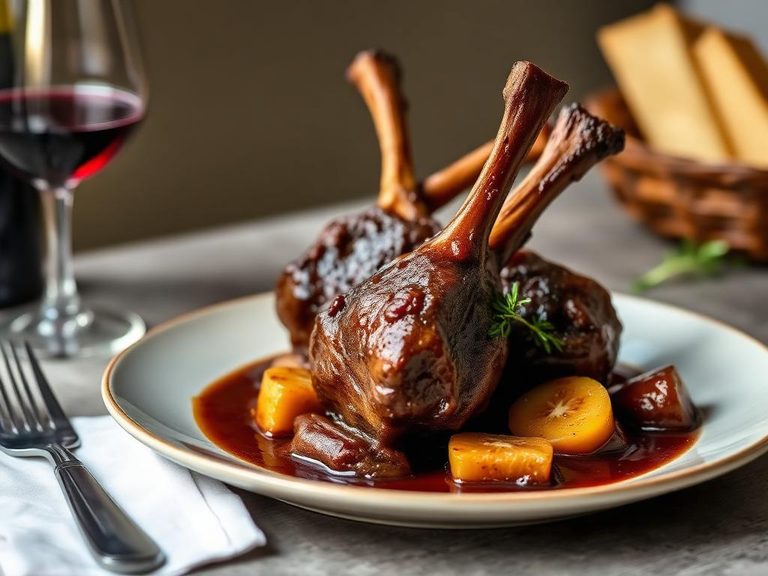
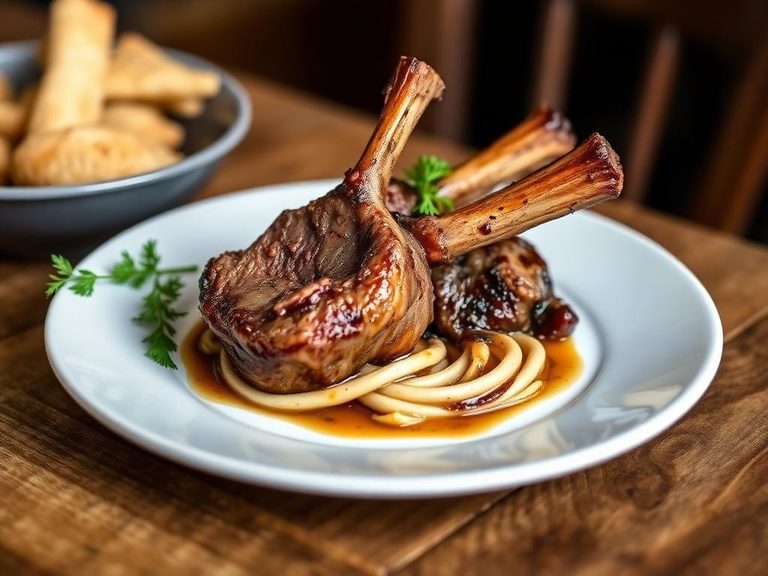
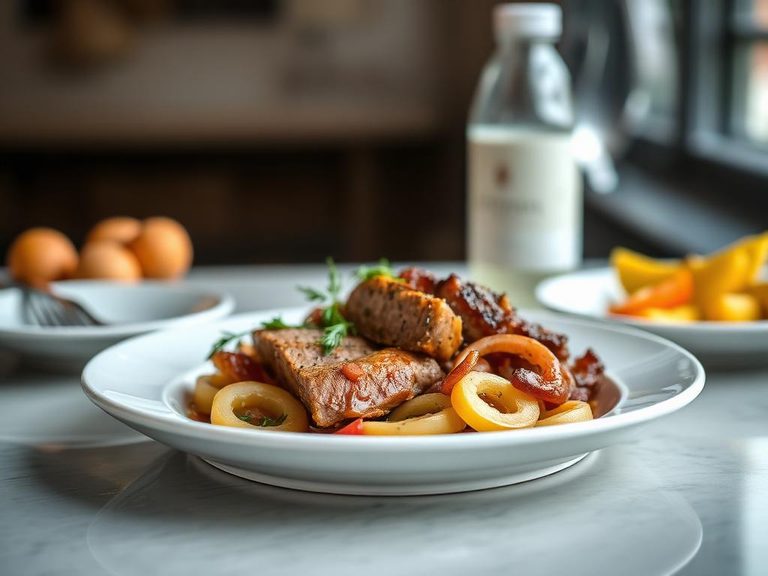
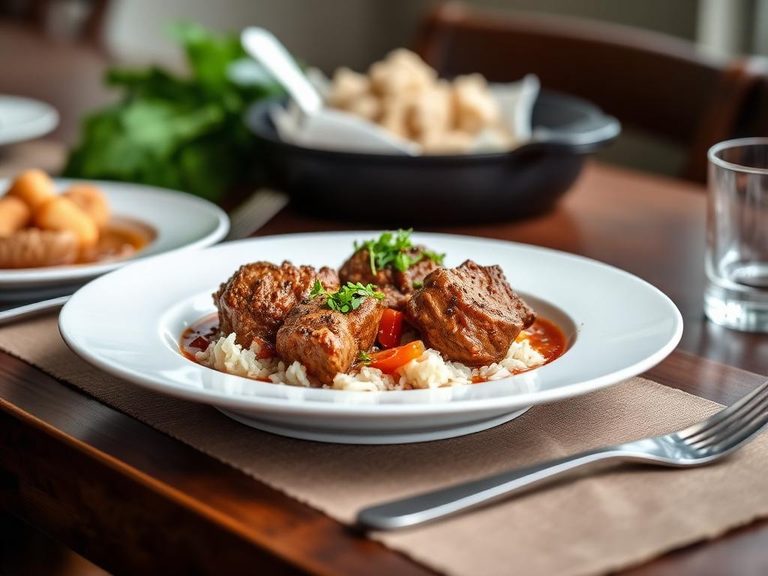
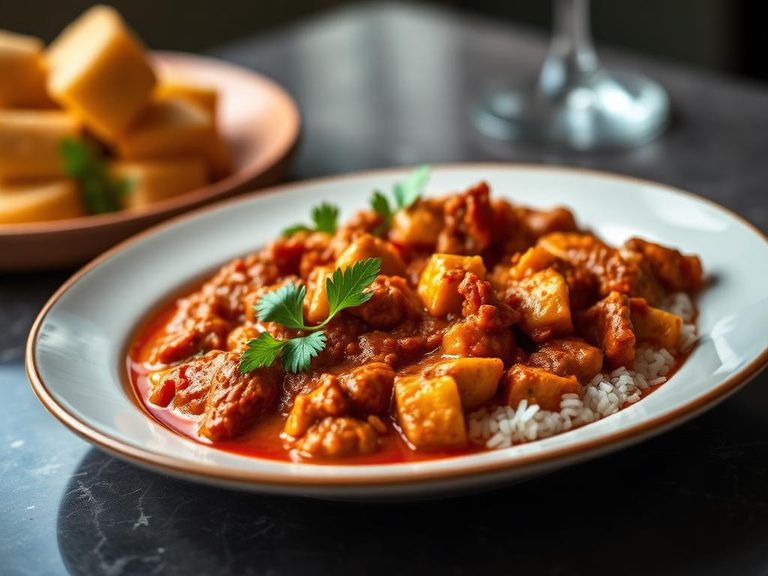
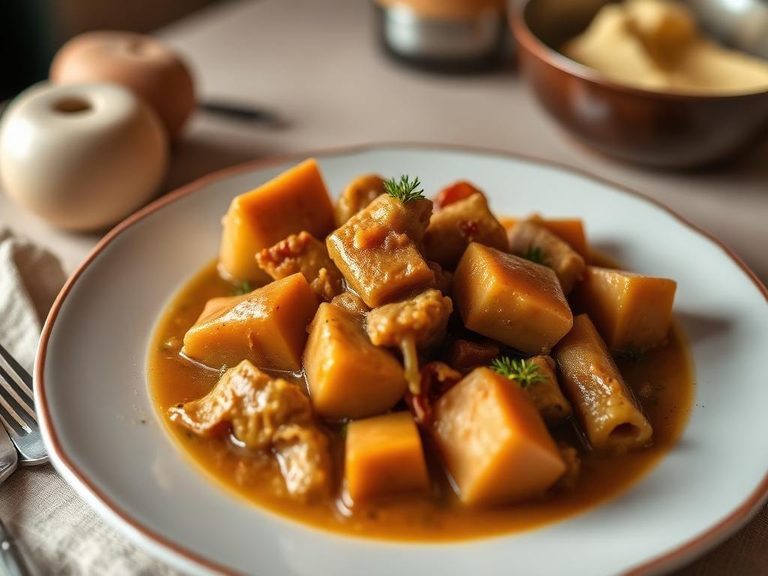
🌍 Where it's eaten
💡 Did you know?
The foreshank is a hard-working muscle, which is why it's packed with connective tissue that only becomes tender after hours of slow cooking—a perfect example of how time transforms a tough cut into a delicacy.
Full nutrition (USDA data · scales with serving)
| Water | 56.8 g |
| Energy | 243 kcal |
| Energy | 1017 kj |
| Protein | 28.4 g |
| Total lipid (fat) | 13.5 g |
| Ash | 0.91 g |
| Carbohydrate, by difference | 0.00 g |
| Fiber, total dietary | 0.00 g |
| Total Sugars | 0.00 g |
| Calcium, Ca | 20.0 mg |
| Iron, Fe | 2.1 mg |
| Magnesium, Mg | 22.0 mg |
| Phosphorus, P | 166 mg |
| Potassium, K | 257 mg |
| Sodium, Na | 72.0 mg |
| Zinc, Zn | 7.7 mg |
| Copper, Cu | 0.12 mg |
| Manganese, Mn | 0.03 mg |
| Selenium, Se | 30.6 ug |
| Vitamin C, total ascorbic acid | 0.00 mg |
| Thiamin | 0.05 mg |
| Riboflavin | 0.19 mg |
| Niacin | 5.5 mg |
| Pantothenic acid | 0.63 mg |
| Vitamin B-6 | 0.10 mg |
| Folate, total | 17.0 ug |
| Folic acid | 0.00 ug |
| Folate, food | 17.0 ug |
| Folate, DFE | 17.0 ug |
| Choline, total | 110 mg |
| Betaine | 14.5 mg |
| Vitamin B-12 | 2.3 ug |
| Vitamin B-12, added | 0.00 ug |
| Vitamin A, RAE | 0.00 ug |
| Retinol | 0.00 ug |
| Carotene, beta | 0.00 ug |
| Carotene, alpha | 0.00 ug |
| Cryptoxanthin, beta | 0.00 ug |
| Vitamin A, IU | 0.00 iu |
| Lycopene | 0.00 ug |
| Lutein + zeaxanthin | 0.00 ug |
| Vitamin E (alpha-tocopherol) | 0.18 mg |
| Vitamin E, added | 0.00 mg |
| Vitamin D (D2 + D3), International Units | 2.0 iu |
| Vitamin D (D2 + D3) | 0.10 ug |
| Vitamin D3 (cholecalciferol) | 0.10 ug |
| Vitamin K (phylloquinone) | 4.3 ug |
| Vitamin K (Dihydrophylloquinone) | 0.00 ug |
| Alcohol, ethyl | 0.00 g |
| Caffeine | 0.00 mg |
| Theobromine | 0.00 mg |
Fat & fatty acid profile (per 100g)
| Fatty acids, total saturated | 5.6 g |
| SFA 4:0 | 0.00 g |
| SFA 6:0 | 0.00 g |
| SFA 8:0 | 0.00 g |
| SFA 10:0 | 0.03 g |
| SFA 12:0 | 0.06 g |
| SFA 14:0 | 0.52 g |
| SFA 16:0 | 2.9 g |
| SFA 18:0 | 1.8 g |
| Fatty acids, total monounsaturated | 5.7 g |
| MUFA 16:1 | 0.39 g |
| MUFA 18:1 | 5.2 g |
| MUFA 20:1 | 0.00 g |
| MUFA 22:1 | 0.00 g |
| Fatty acids, total polyunsaturated | 0.97 g |
| PUFA 18:2 | 0.73 g |
| PUFA 18:3 | 0.19 g |
| PUFA 18:4 | 0.00 g |
| PUFA 20:4 | 0.05 g |
| PUFA 20:5 n-3 (EPA) | 0.00 g |
| PUFA 22:5 n-3 (DPA) | 0.00 g |
| PUFA 22:6 n-3 (DHA) | 0.00 g |
| Cholesterol | 106 mg |
Amino acid profile (per 100g)
| Tryptophan | 0.33 g |
| Threonine | 1.2 g |
| Isoleucine | 1.4 g |
| Leucine | 2.2 g |
| Lysine | 2.5 g |
| Methionine | 0.73 g |
| Cystine | 0.34 g |
| Phenylalanine | 1.2 g |
| Tyrosine | 0.95 g |
| Valine | 1.5 g |
| Arginine | 1.7 g |
| Histidine | 0.90 g |
| Alanine | 1.7 g |
| Aspartic acid | 2.5 g |
| Glutamic acid | 4.1 g |
| Glycine | 1.4 g |
| Proline | 1.2 g |
| Serine | 1.1 g |
FAQ
How do I know when braised lamb shank is done?
It's ready when the meat is fork-tender and pulls away easily from the bone. The internal temperature should be around 195°F (90°C) for the collagen to fully break down.
Can I use a slow cooker or pressure cooker?
Yes, both are excellent. A slow cooker on low for 6-8 hours or a pressure cooker for 45-60 minutes will achieve the same tender result with less attention.
Is this cut suitable for grilling or quick cooking?
No, the foreshank is too tough for dry-heat methods like grilling or pan-searing alone. It requires moist-heat cooking (braising, stewing) to become palatable.
Nutrient density (calculated · NRF9.3)
Nutrient Rich Foods index: beneficial nutrients (protein, fiber, vitamins, minerals) minus saturated fat, added sugar & sodium, per 100 kcal.
NRF9.3 index — Fulgoni, Keast & Drewnowski, 2009. Computed from USDA nutrients.
Weight-loss friendliness (composite index)
Energy density 2.43 kcal/g · 47% calories from protein · 0.0 g fiber · 0.0 g sugar per 100 g.
Composite of energy density (Rolls et al., 1999), protein & fiber satiety, minus sugar. A calculated heuristic — ranks satiety-per-calorie, not a clinical measure.
Dietary load (calculated from USDA values)
Potential renal acid load. Positive = acid-forming, negative = alkaline-forming.
Sodium-to-potassium ratio: 0.28 (lower is better — aim for ≤ 1)
Sodium:potassium per WHO potassium guidance. Computed from USDA nutrients.